


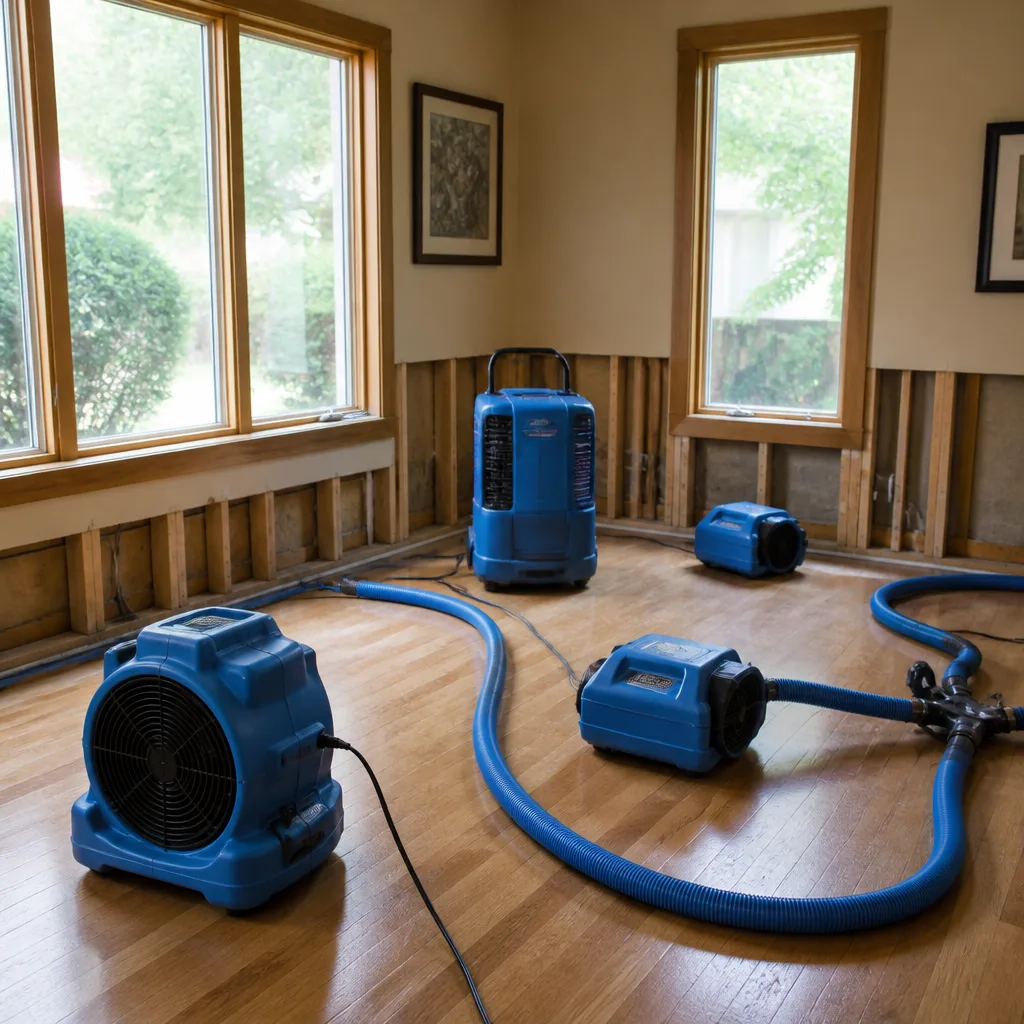
 Water damage drying
 Fire & smoke cleanup
 Mold remediation
 Storm response
 Sewage cleanup
 Reconstruction
Free visual inspection and a written scope of work before any mitigation begins - photos, moisture readings, and drying logs go in your claim file
The scope we write is the scope we bill. Anything new gets shown to you, in writing, before we touch it.
Get your free estimateFast, Reliable Mold Remediation Across Brea
Mold remediation in Brea typically costs $1,800 – $6,500 depending on the affected square footage and whether structural drying is required, with most jobs completed in 3 – 7 days. If you’ve spotted discoloration on drywall, caught a musty smell near a baseboard, or just had water intrude somewhere it shouldn’t have, the clock is already running. We know Brea’s homes, we know what the dry air hides until it doesn’t, and we get a certified crew to your street fast. Call (844) 878-6356 for a free estimate and a written scope before any work begins.
Why Fresh Start Water Damage Is Brea’s Preferred Mold Remediation Company
Fresh Start Water Damage is IICRC-certified. That’s the credential that matters in this industry, and it means our crews train to standards most contractors never touch. We’re also RIA-affiliated and IFA-affiliated, which keeps us accountable to professional codes of ethics. Nolan Hester, who leads our operation, has built the team around a simple idea: one certified crew handles the full restoration arc. No juggling a mold company, a water company, and a handyman. One team, full restoration.
Brea homeowners call us because we respond with commercial-grade equipment from Dri-Eaz, Phoenix, XPOWER, and B-Air, not rented box fans from a hardware store. We use Injectidry systems when wall cavities and subfloors need targeted drying, which means we often save drywall that another contractor would rip out. Dry smarter, not just faster. That precision shows up in the final bill and in how much of your home survives the process.
Restoration work we handle
Mold Removal Specialist in Brea
Mold Removal Specialist work in Brea means a containment-first approach that protects the rest of your house while we remove contaminated material. In Brea’s older tract homes, especially in 92821, removal often involves cutting out water-damaged drywall, treating the exposed framing with antimicrobial agents, and drying the cavity properly before rebuild. A typical contained removal of 20 – 40 square feet of drywall runs $1,400 – $3,800 in Brea depending on accessibility and whether the HVAC system needs cleaning afterward.
Moisture Mapping Before Removal
We don’t guess at where mold ends. We map the moisture. Thermal imaging and moisture meters tell us exactly how far water traveled inside the wall cavity, which matters a lot in Brea’s 1960s and 1970s single-story homes where a slow plumbing drip behind drywall can spread silently for months. Cutting only what’s necessary keeps your repair bill down.
Drying and the Injectidry Difference
When mold in Brea is caught before structural rot sets in, we use Injectidry specialty drying to pull moisture from wall cavities and subfloors through small ports instead of tearing everything open. In practice that means a kitchen ceiling with a small mold patch might need a 12-inch access cut instead of a full ceiling removal. Less demolition, less dust, faster return to normal.
Black Mold Removal in Brea
Black Mold Removal in Brea starts with identifying whether the growth is actually Stachybotrys chartarum, because black staining and true black mold aren’t the same thing, and the remediation approach differs. In 92823’s hillside homes we frequently find dark mold growth in lower-level bedrooms and garages where water has wicked down from roof or stucco failures after atmospheric-river storms. Black mold removal in Brea typically runs $2,200 – $6,500 when containment, HEPA air scrubbing, and affected material removal are all required.
HVAC Contamination Control
One failure we see repeatedly in older Brea homes is remediation without proper containment, which lets spores circulate through the HVAC system and colonize rooms that were never wet. We isolate the work area with negative air pressure and run HEPA scrubbers throughout the job. That’s not an upsell. It’s the difference between a five-day fix and a recurring problem.
When Testing Comes First
If you’re not sure whether what you’re seeing is mold or just staining, we can coordinate Mold Remediation with independent lab testing before we cut anything. It’s the right call when a real estate transaction is involved, when a family member has respiratory issues, or when previous remediation didn’t solve the problem. You’ll know what we’re dealing with before we open a single wall.

Trusted Brands We Service in Brea
We work on homes with every major drying and air-scrubbing system out there, and our crews show up with Dri-Eaz, Phoenix, XPOWER, and B-Air equipment already loaded. IICRC standards guide every setup, and we stock common replacement filters, antimicrobial treatments, and containment supplies locally so Brea jobs don’t stall waiting on parts from a distributor out of state. Fast turnaround matters when mold is involved, and having the right gear on the truck is what makes that happen.
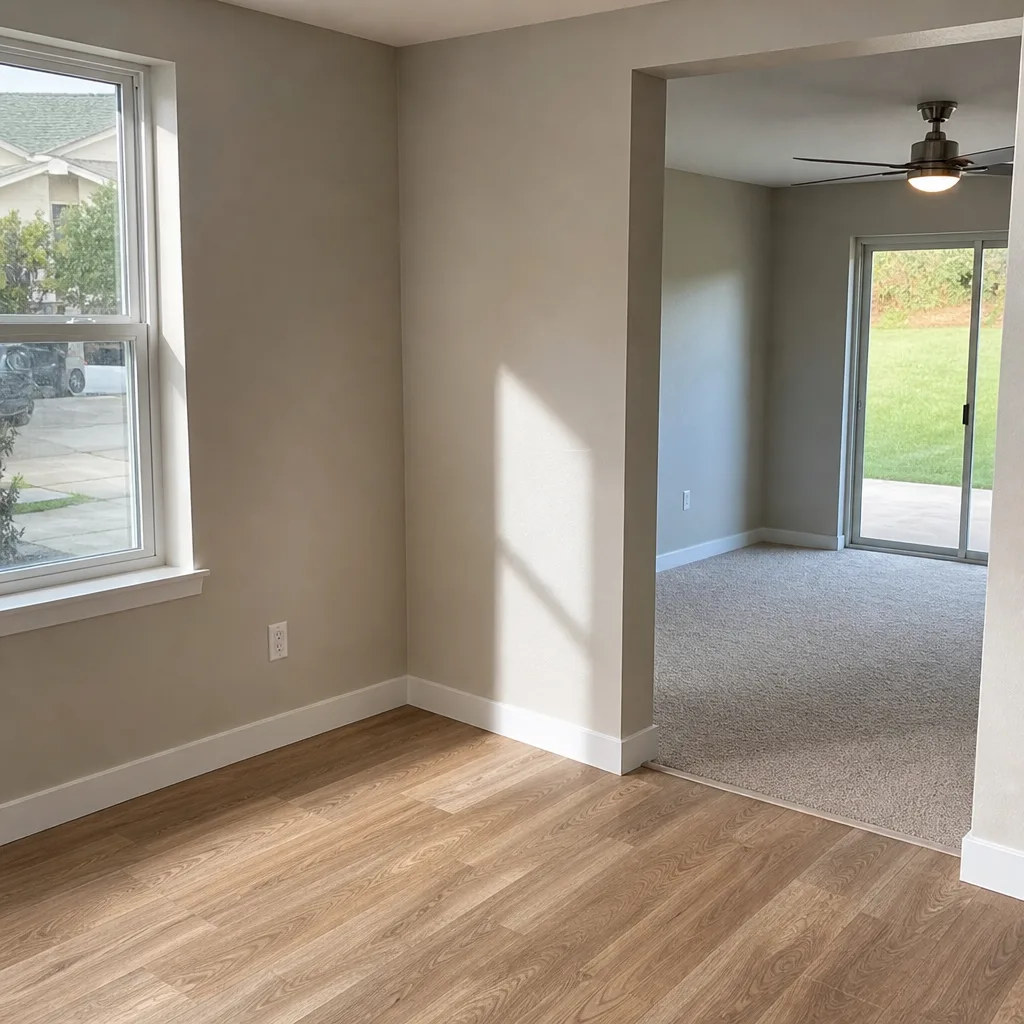
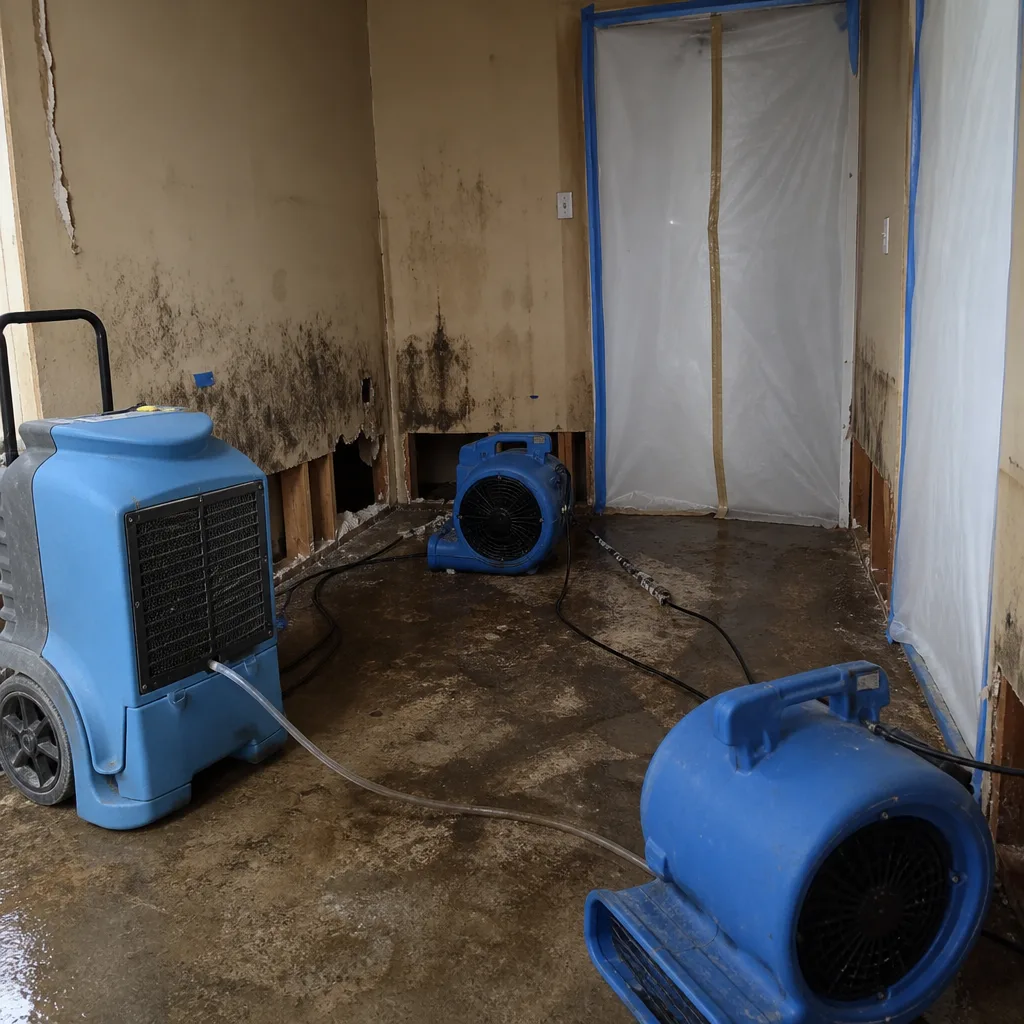
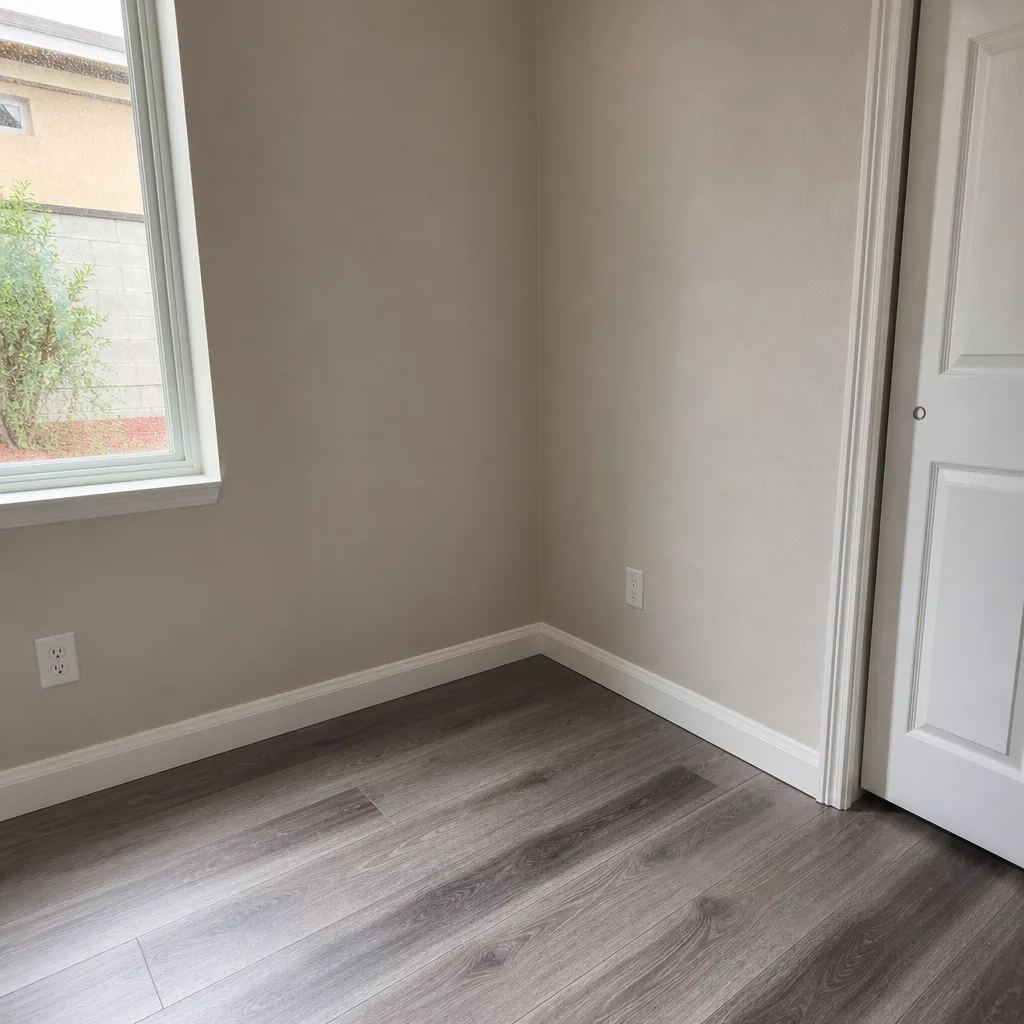
See the difference
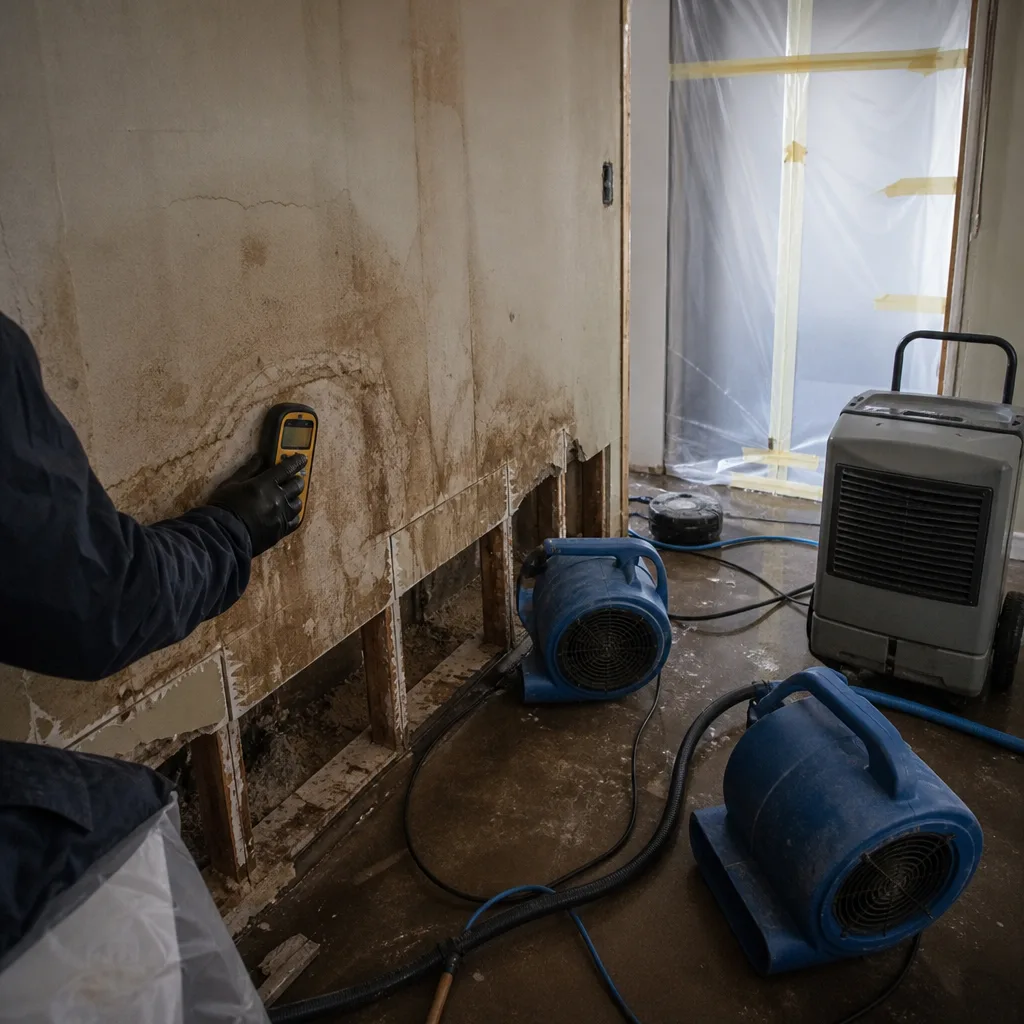 Before
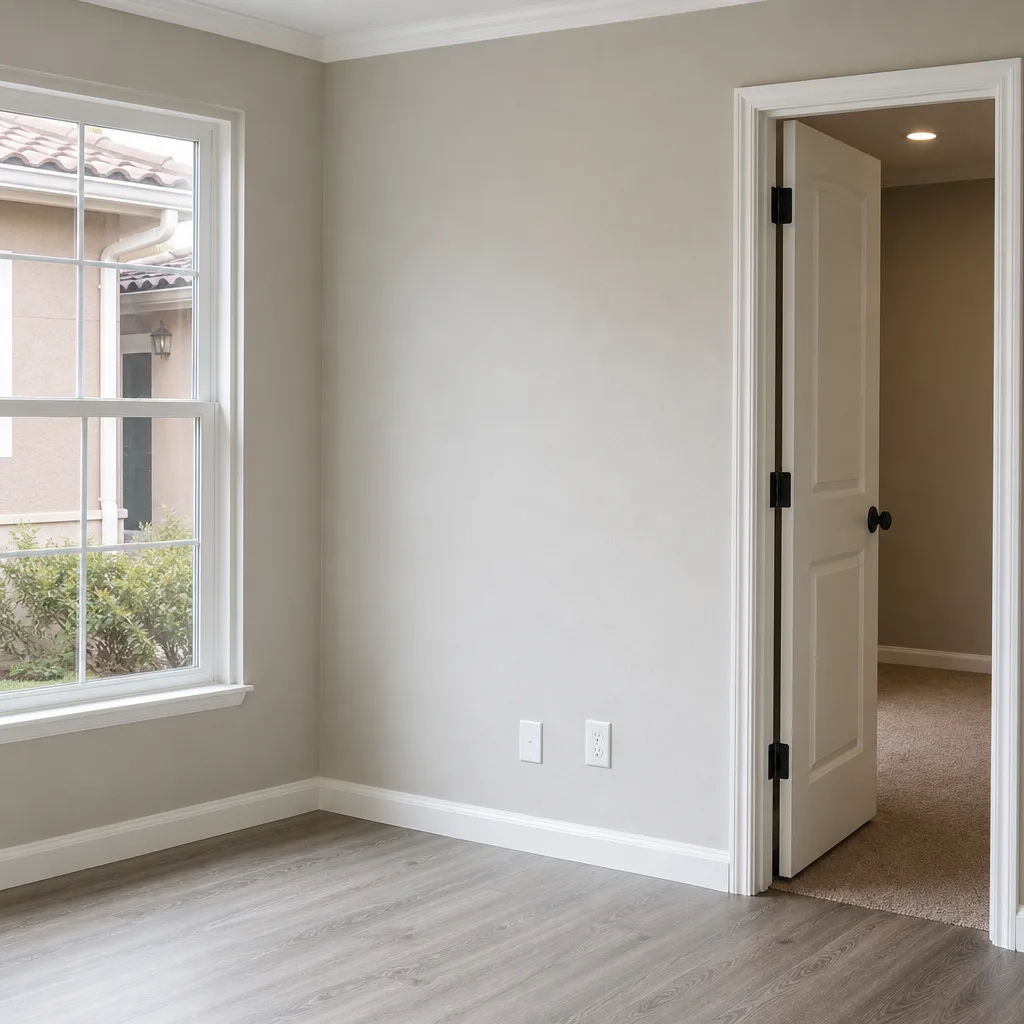 After
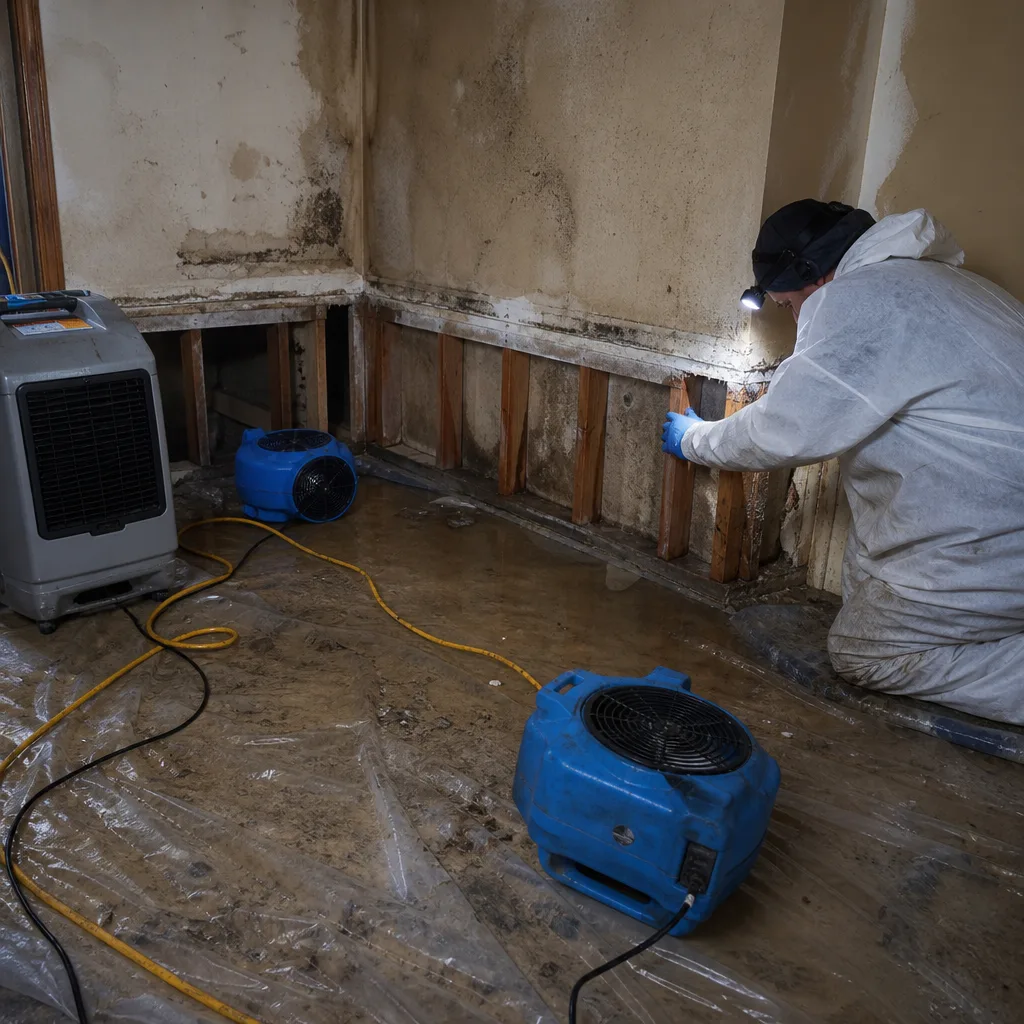 Before
 After
 Before
 After
Common Mold Remediation Problems We See in Brea Homes
- Hidden pipe leaks in 92821’s 1960s tracts. Original galvanized plumbing drips inside wall cavities for months, invisible until humidity spikes or a rain event feeds the hidden moisture. By the time you see the stain, the mold colony is usually well established.
- Water migration in multi-level hillside homes in 92823. Stucco cracks and failed window flashing let water into upper floors, which then wicks down through framing and shows up as mold on a lower-level ceiling or bedroom wall. The source is rarely where the mold appears.
- Inadequate containment spreading spores. Quiet, dry air means Brea homeowners sometimes underestimate mold and try a spray-and-paint fix. Spores go airborne, the HVAC circulates them, and a 10-square-foot problem becomes a 400-square-foot problem within a month.
- Debris-blocked drains and slope runoff after storms. Homes along the Chino Hills foothill edge in 92823 face a double threat: wildland-urban interface smoke and ash settling on roofs in fire season, then storm-driven debris flows clogging drains and sending water into garages and foundation walls the next rainy season.
Pricing for Mold Remediation in Brea, CA
Mold remediation in Brea runs from about $1,400 for a small contained drywall removal to $6,500 or more for multi-room contamination requiring HVAC cleaning and structural drying. Here’s how it usually breaks down:
- Mold Inspection & Testing: $300 – $650 with independent lab analysis
- Contained Mold Removal (20 – 40 sq ft): $1,400 – $3,800
- Black Mold Remediation with HVAC cleaning: $2,200 – $6,500
- Structural Drying (Dri-Eaz, Injectidry): $800 – $2,400 depending on cavities and floors involved
- Air Quality Restoration: $500 – $1,800 for HEPA scrubbing and post-remediation verification
Square footage, mold species, whether the HVAC system is involved, and how much of the structure we can dry rather than remove all affect the final number. We provide a written scope before work starts, and estimates are free. Call (844) 878-6356 to have someone walk your Brea home with a moisture meter, not a guess.
We Also Serve Cities Near Brea
Our Brea crews regularly run calls in Placentia, Fullerton, Yorba Linda, and La Habra. If you’re in one of those cities and dealing with mold, water, or fire damage, we bring the same IICRC-certified process and the same commercial-grade equipment. Mold Remediation in Brea is our home base for the area, and we know the neighborhoods, the housing stock, and the failure modes here better than a far-away franchise ever will.
Serving Brea, CA — Our Local Coverage Area
We’re based in the Brea area and know this community well. Use the map below to see our service coverage — if you’re nearby, we can almost certainly help.
FAQs About Mold Remediation in Brea
Brea’s semi-arid climate actually makes mold worse in a specific way: long dry spells let hidden water from slow plumbing leaks sit in wall cavities without visible signs for months, then the first real rain event raises ambient humidity enough to trigger sudden, aggressive growth. The mold was already there, waiting. That’s why we moisture-map every Brea job and why we look for leaks in original galvanized and cast-iron plumbing in 92821’s older tracts even when the homeowner only sees a small stain. Call (844) 878-6356 and we’ll inspect it properly.
Category 1 is clean water from a supply line or faucet. Category 2 carries contaminants like detergent or minor biological material. Category 3 is grossly contaminated water from sewage, storm runoff, or standing floodwater. The category determines how aggressive our remediation has to be, which materials get removed versus dried, and what antimicrobial treatment comes after. In Brea hillside homes, we often find Category 2 water from storm runoff that got inside through a stucco crack, and that changes the remediation protocol significantly.
Yes. Hillside and canyon-edge homes in Brea’s 92823 ZIP code are typically multi-level with wood-frame construction, stucco exteriors, and a real vulnerability to water wicking between floors after storms. We routinely use Injectidry to dry wall cavities and subfloors from the inside, which limits demolition in homes where cutting into a structural floor assembly is a much bigger deal than in a single-story 92821 tract house. Same certification, different job staging.
Often yes, and that’s exactly what the Injectidry systems are for. If the leak was caught before the framing rotted, we can often dry the wall cavity through small access ports and treat the affected area with antimicrobials without removing entire sheets of drywall. But this only works when the mold hasn’t already penetrated deep into the material. If the drywall is crumbling or the back side is fully colonized, it has to come out. A free inspection tells you which path you’re on.
After heavy rain in the foothill-adjacent areas of 92823 and along the 57 corridor, clear every exterior drain and downspout of debris, check window wells and stucco cracks for water entry, and run a dehumidifier in any room that felt damp or smelled musty within 48 hours of the storm. If water came through the roof or a wall, don’t wait to see what grows. The mold clock starts immediately, and prevention costs a fraction of remediation. For a post-storm moisture check, call (844) 878-6356.
Written by Nolan Hester, Owner at Fresh Start Water Damage, serving Brea, CA with certified mold remediation since 2004.