

 Water damage drying
 Fire & smoke cleanup
 Mold remediation
 Storm response
 Sewage cleanup
 Reconstruction
Free visual inspection and a written scope of work before any mitigation begins - photos, moisture readings, and drying logs go in your claim file
The scope we write is the scope we bill. Anything new gets shown to you, in writing, before we touch it.
Get your free estimateFast, Reliable Water Damage Restoration Across Corona
Water damage restoration in Corona usually costs between $2,400 and $7,800 depending on the affected square footage, category of water, and whether structural drying or antimicrobial treatment is required. Our crews respond to Corona homes within hours, not days, because water sitting in a 92877 slab foundation or behind foothill stucco gets worse every hour it’s ignored. We know the 91/15 interchange congestion, the gated HOA communities up the 92880 and 92881 slopes, and the older tract homes off 92879. Corona’s specific geography doesn’t just shape our routing, it shapes how water behaves inside local homes. Call (844) 878-6356 for a free estimate and a straight answer about what you’re actually dealing with.
Why Fresh Start Water Damage Is Corona’s Preferred Water Damage Restoration Company
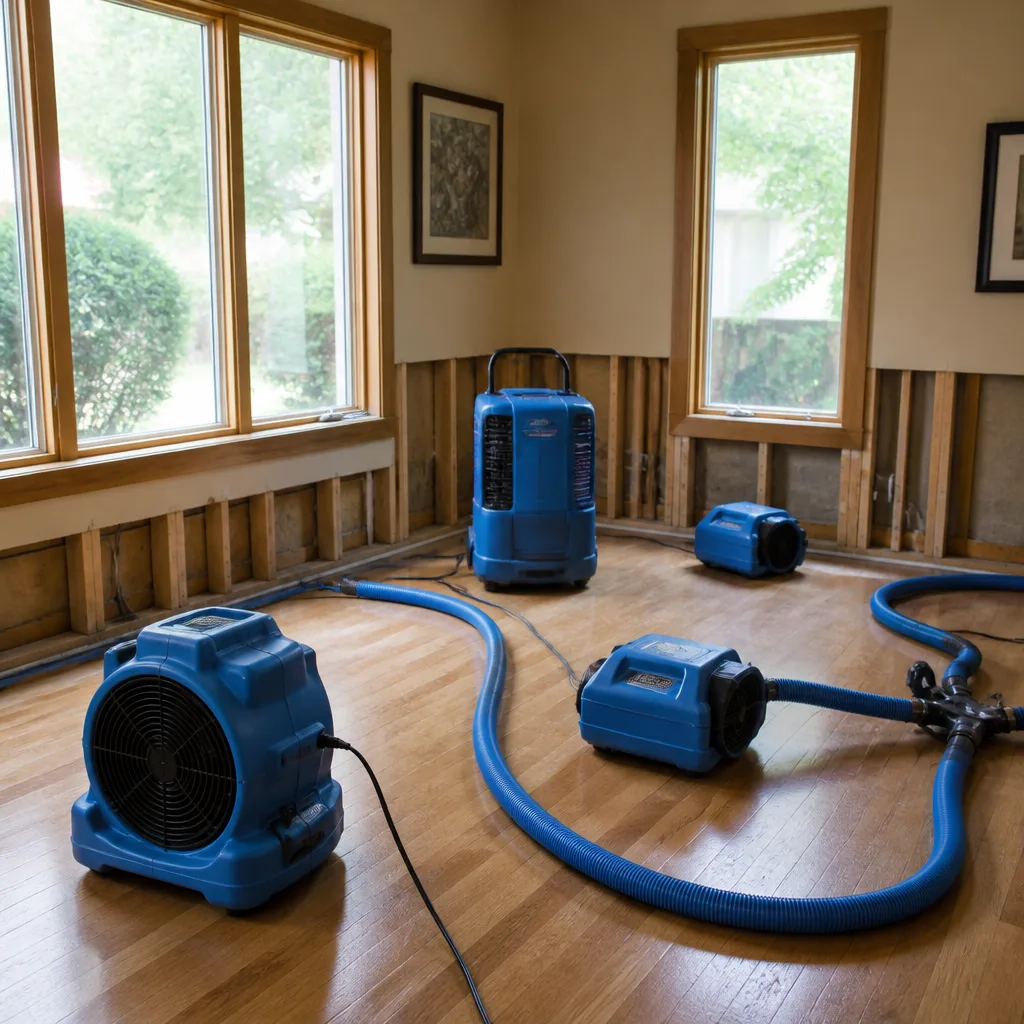
Homeowners across Corona call us because we’re IICRC-certified and we run the same commercial-grade drying systems used by top restoration crews nationwide. The equipment matters. A big-box rental fan moves air around; a Phoenix dehumidifier and Dri-Eaz air mover pull moisture out of drywall, subfloor, and framing under controlled conditions. Nolan Hester, our owner, built this company around one operational rule: don’t demo what you can dry. That’s why every applicable Corona job gets Injectidry targeted drying systems on wall cavities and subfloors. It means less unnecessary tear-out, lower rebuild costs, and a clearer insurance conversation.
Corona homeowners tell us the same thing after a water event: they weren’t sure whether the visible damage was the whole problem. That doubt is justified. In a city where wind-driven rain sneaks through hairline stucco cracks and Santa Ana gusts push water into expansion gaps, surface drying alone won’t cut it. We document moisture readings, keep drying logs against pre-loss conditions, and hand homeowners a clear scope before any work starts. We’re RIA and IFA members, which means our processes get measured against professional standards, not just our own promises. One team, full restoration. A real plan, not just a mop and a fan.
Restoration work we handle
Water Extraction in Corona
Water extraction in Corona means removing standing water fast enough to stop it from wicking into baseboards, cabinetry, and the slab. When a supply line fails in a 92879 tract home or a water heater lets go in a 92878 condo, the first two hours determine whether you’re drying carpet and pad or replacing drywall and insulation. Our crews run truck-mounted and portable extraction units, then follow with moisture mapping to find what the eye can’t see. Typical water extraction in Corona runs $450 to $1,800 for a single affected room depending on water depth and flooring type.
Standing Water Removal
Standing water in Corona carries different risks than it does in coastal cities. Our summers sit above 100 degrees for stretches, and that heat drives rapid microbial growth inside a wet structure. We prioritize extraction within the first visit, then immediately set air movement and dehumidification. Moisture that lingers under vinyl plank or behind baseboards in a 92879 slab home will off-gas and leave a musty signature within 48 hours if left alone.
Category Assessment
We classify every Corona water loss before we start moving equipment. Clean water from a burst supply line behaves differently than water that has touched the ground outside or backed up from a drain. In foothill homes near the Cleveland National Forest, post-fire runoff shifts a routine extraction into a Category 2 or 3 job fast. Correct classification protects the homeowner’s health and keeps the insurance file accurate from day one.
Emergency Water Removal in Corona
Emergency water removal in Corona is about hitting the clock before heat and dry air create a false sense of safety. A homeowner feels carpet that’s damp, not soaked, and assumes the problem will air out. In Corona’s triple-digit dry season, surface evaporation happens quickly, but the subfloor and wall cavities stay wet for weeks. Our 24/7 dispatch fielded a call last winter from a foothill homeowner off the 92881 corridor. A storm drove rain sideways through aged roof-tile underlayment and a hairline stucco crack, saturating attic insulation and two exterior walls. We ran moisture mapping and got extraction running before the insulation wicked the moisture into the ceiling assembly. Typical emergency water removal in Corona runs $800 to $2,500 for initial mitigation, with structural drying scoped separately based on affected area.
After-Hours Response
Water doesn’t wait for business hours and neither do we. The call volume from Corona picks up during winter storm cells that ride in through the Cajon Pass and after summer monsoon remnants that dump rain on the foothills. Our emergency crews carry the same Dri-Eaz and Phoenix equipment whether it’s noon or 2 a.m. The goal every time is to stop the spread of moisture before it crosses from one room into another or from wall cavities into the slab.
Post-Mitigation Documentation
We hand every Corona homeowner a written scope before work starts and a drying log that tracks daily moisture readings until affected materials hit pre-loss condition. That documentation matters when the adjuster asks questions. Photo documentation, moisture maps, and equipment logs turn an insurance negotiation from a debate into a record. It’s the difference between a claim that drags on and one that closes clean.

Trusted Brands We Service in Corona
Corona homeowners don’t call us to talk about equipment brands; they call because water is spreading. But the brands behind our equipment matter more than most people realize. Our Phoenix dehumidifiers are the same units commercial restoration crews run on large-loss commercial jobs. Our XPOWER and B-Air air movers move serious cubic feet per minute, not the consumer-grade airflow you get from a rental. And Injectidry systems let us dry wall cavities and subfloors without gutting the room first. Fewer holes in the drywall means less patching, less painting, and less money out of the rebuild budget. It’s the same reason we hold IICRC certification and maintain our RIA and IFA memberships: in restoration, the hardware and the training both have to be legitimate. Dry smarter, not just faster.
See the difference
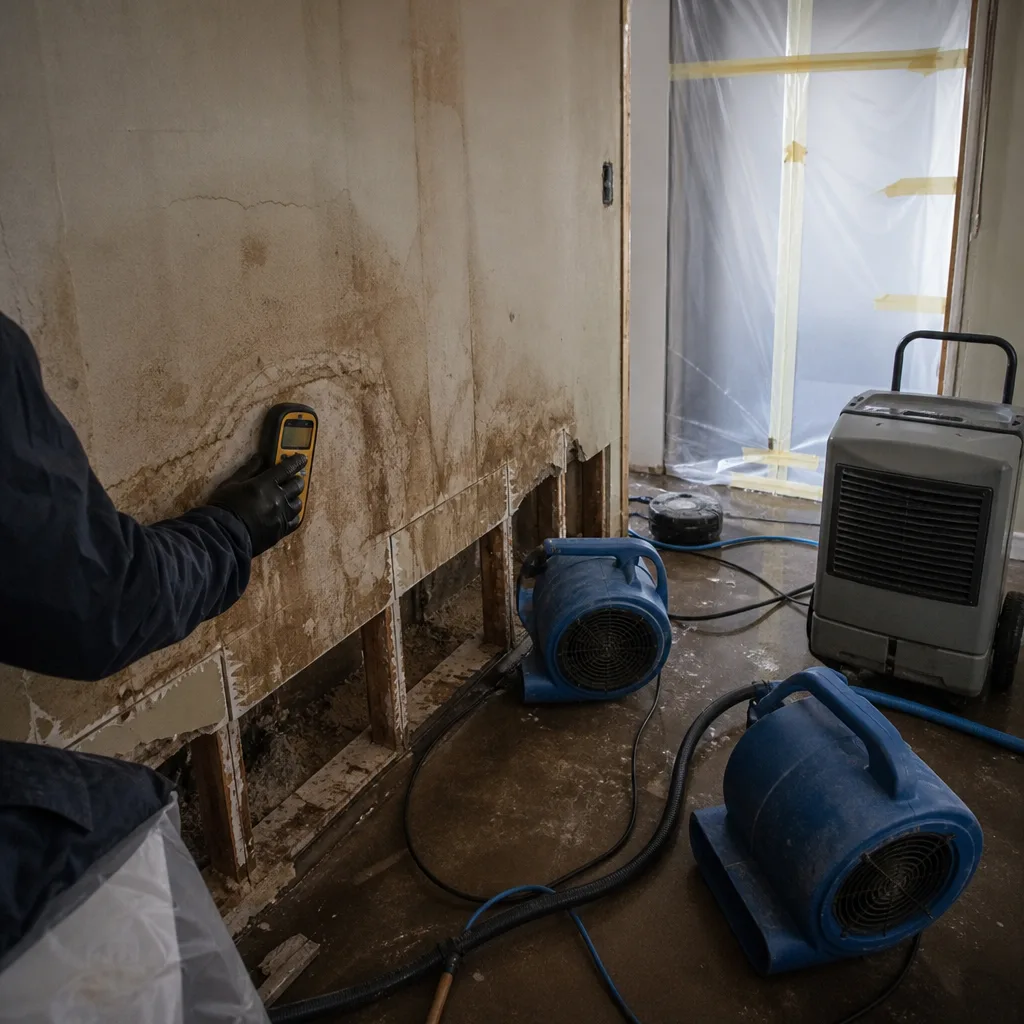 Before
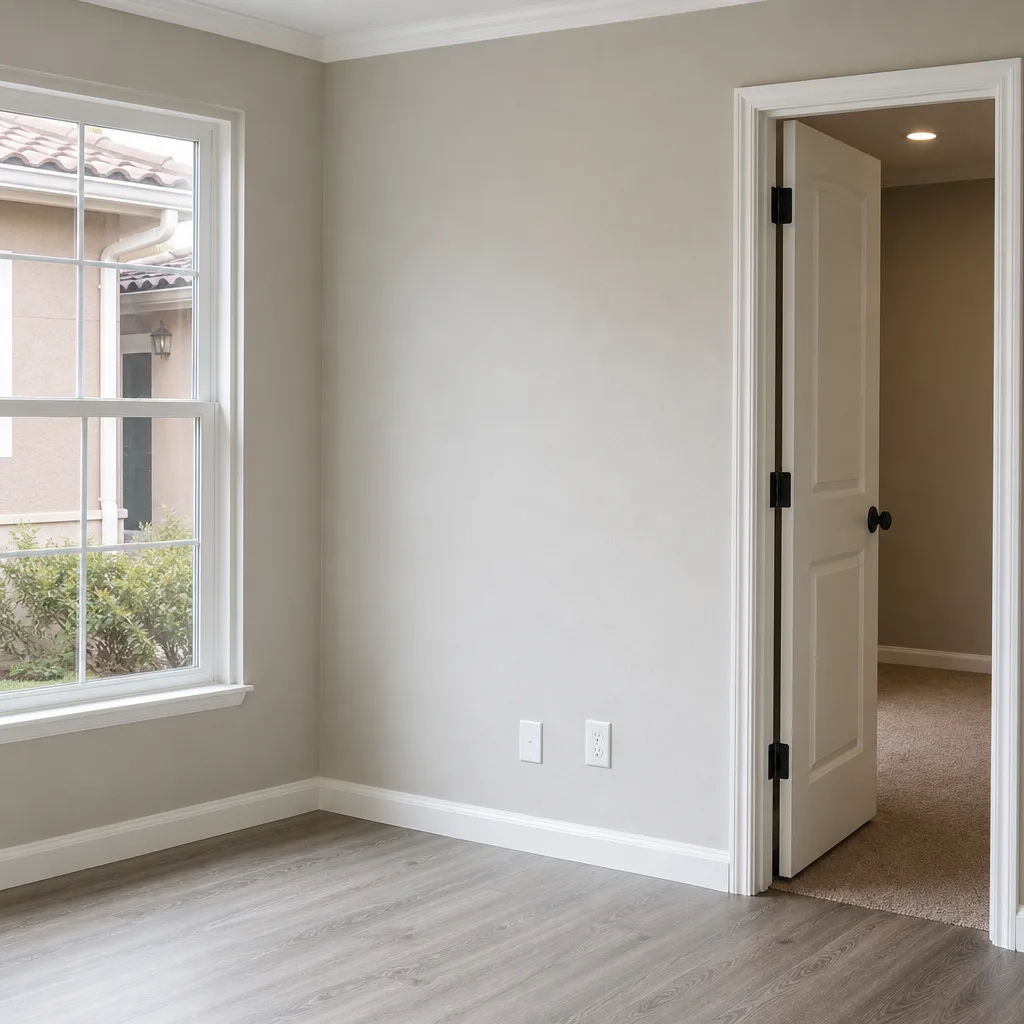 After
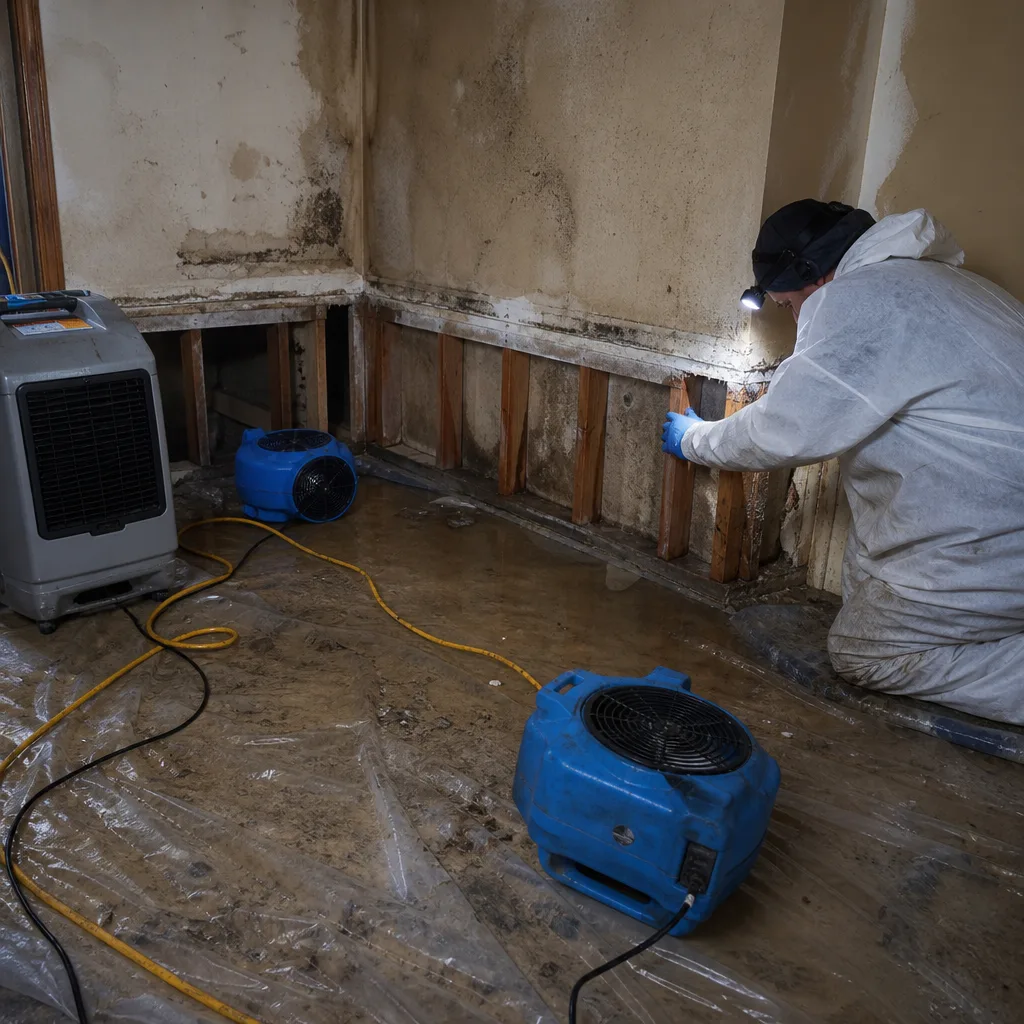 Before
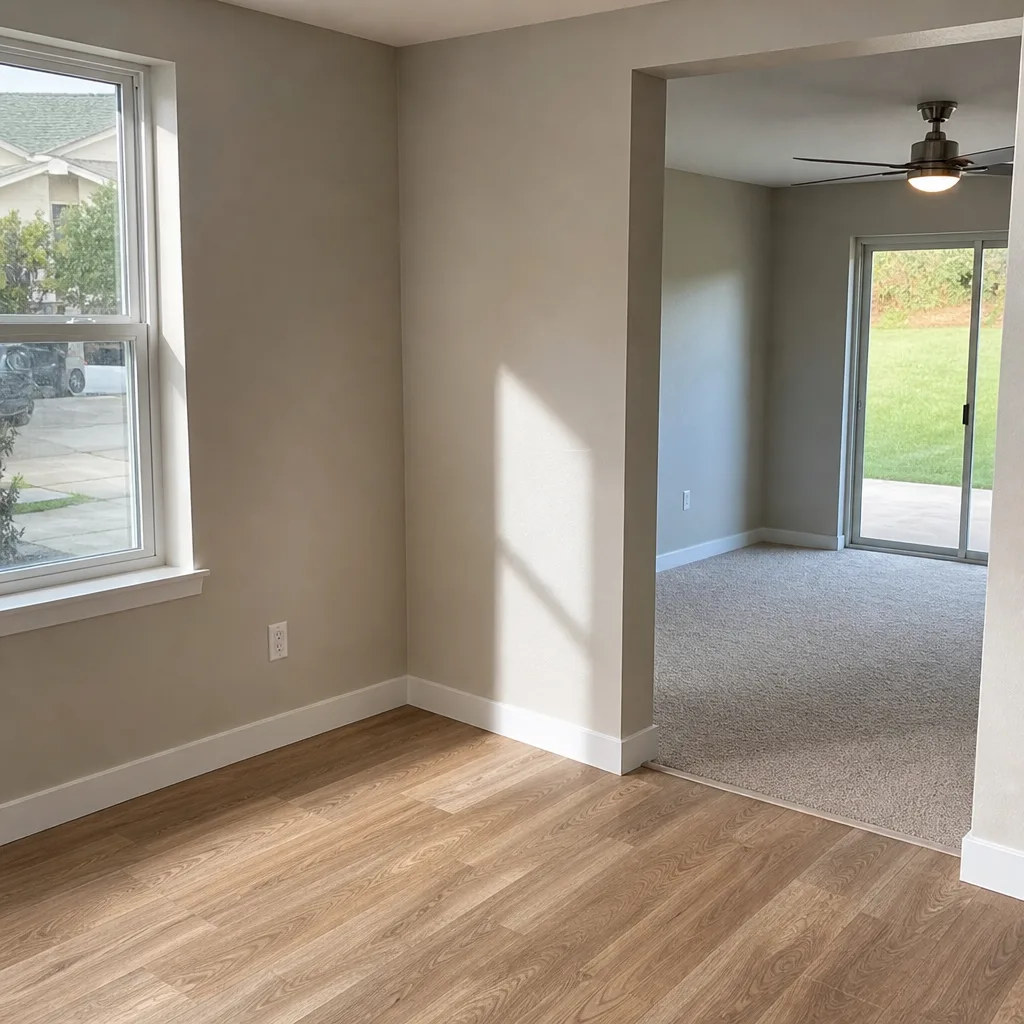 After
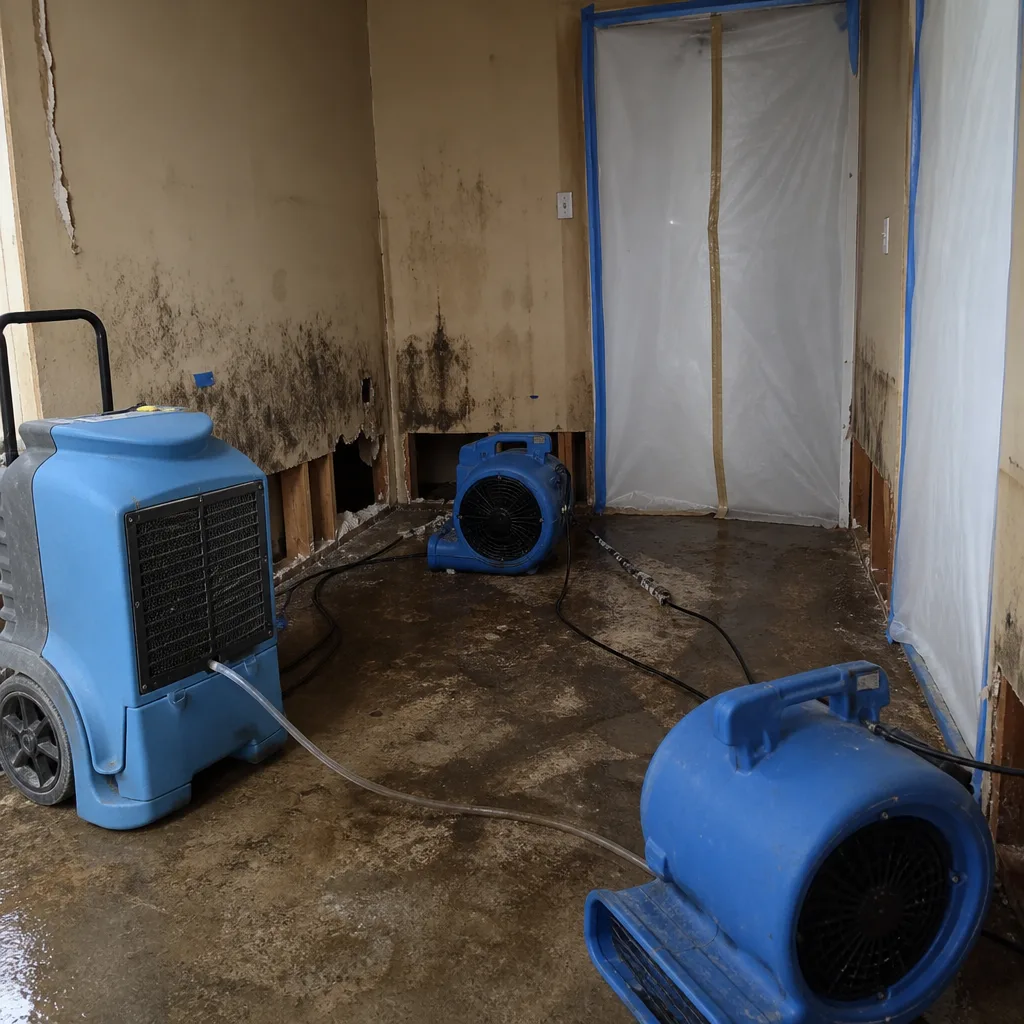 Before
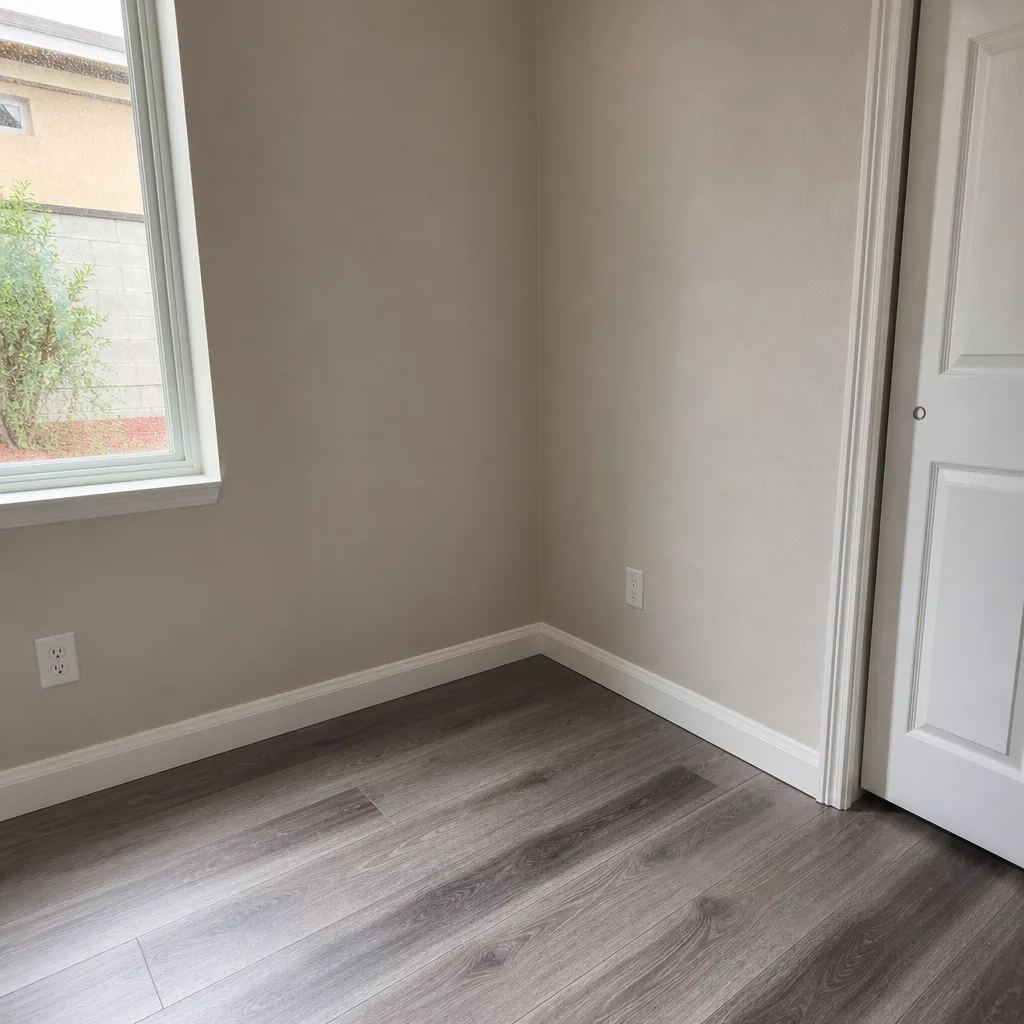 After
Common Water Damage Restoration Problems We See in Corona Homes
- Wind-driven rain through expansion gaps. Santa Ana winds funneling through the Cajon Pass and Santa Ana Canyon push rain sideways into gaps and hairline cracks in tile roofs and stucco. Homeowners in 92880 and 92883 often tell us the rain “came in sideways” and they’re surprised the interior got wet at all. Those gaps exist by design for thermal expansion, which means the wind will keep finding them until the underlayment or sealant gets addressed.
- Hillside retaining-wall moisture. Master-planned communities stacked up the 92880 and 92881 foothills sit on graded slopes with retaining walls that hold moisture against foundation assemblies. Water trapped behind stucco on these homes lingers far longer than a superficial dry-out would suggest, and it often shows up as hidden mold rather than visible standing water.
- Post-fire runoff and ash intrusion at the WUI edge. Homes backing onto the Cleveland National Forest in 92881 and 92883 see a dual-loss pattern: firefighting water, post-fire hillside runoff, and smoke or ash intrusion hitting the same structure at the same time. A crew that treats that as a simple plumbing leak skips the antimicrobial step and misses the soot and ash that degrade interior finishes. This is a restoration category that flatland Inland Empire cities simply never deal with.
- Slab leaks in the older core. In the 1960s through 80s tract homes around 92879 and the older downtown corridors, original copper and galvanized supply lines give out inside the slab. Water rises through flooring from below, moves under walls, and wicks up drywall before the homeowner ever sees a puddle. By the time the visible damage appears, the hidden spread is usually significant.
Pricing for Water Damage Restoration in Corona, CA
Here’s what Corona homeowners should budget for. Water extraction and mitigation for a single room typically runs $1,200 to $3,000 when you include equipment and drying monitoring. A full-bathroom supply line failure that affects adjacent rooms and a hallway runs $3,500 to $6,500. Whole-home events, especially foothill homes with dual water and smoke/ash intrusion, start around $6,500 and can exceed $12,000 when structural drying, antimicrobial treatment, and containment are required. The variables are affected square footage, water category, exposure time, and whether hidden cavities need Injectidry treatment. We provide a free written estimate before any work starts, and our drying logs and moisture maps keep the scope grounded in data. Call (844) 878-6356 for a straight answer on your Corona property.
We Also Serve Cities Near Corona
Our Water Damage Restoration team works across the 91/15 corridor, serving Home Gardens, El Cerrito Corona, Eastvale, and Norco. If your home sits near the border of any of these communities, you’re still in our response area. Local routing matters when water is spreading, and we know the streets, the gates, and the building patterns across this part of Riverside County. See our Water Damage Restoration in Corona page for full local coverage details.
Serving Corona, CA — Our Local Coverage Area
We’re based in the Corona area and know this community well. Use the map below to see our service coverage — if you’re nearby, we can almost certainly help.
FAQs About Water Damage Restoration in Corona
Homes in the 92881 and 92883 foothill corridors back directly onto the Cleveland National Forest wildland-urban interface, which means water damage after a fire comes from multiple sources at once: firefighting water spray, post-fire hillside runoff, and the water used by homeowners and crews to soak down the landscape around the structure. The heat and smoke also drive soot and ash into wall cavities and attics, which then combine with moisture to create a dual-loss event. We treat these jobs with extraction, structural drying, and antimicrobial application together, not as a plumbing leak with some extra dust. Call (844) 878-6356 if your foothill home has water damage after a nearby fire.
Yes, and in Corona this is one of the most common sources of hidden water damage. Santa Ana winds funnel through the Cajon Pass and Santa Ana Canyon at speeds that drive rain horizontally, not vertically. The expansion gaps and hairline cracks in stucco and roof-tile underlayment that California builders leave for thermal movement become entry points for that sideways rain. The damage often hides in the attic insulation and behind exterior walls until mold or staining makes it visible.
Mold can begin forming on wet drywall in 48 to 72 hours, and Corona’s triple-digit summer temperatures compress that window. The heat doesn’t dry the interior cavities; it accelerates microbial growth while the surface layer evaporates. By the time a homeowner notices a musty smell in a 92879 bedroom wall, the moisture has typically been present for weeks between the drywall and framing. Immediate extraction and dehumidification is the only way to interrupt that cycle.
Yes, because even clean water from a slab leak in the older 92879 or 92882 homes becomes contaminated once it sits in contact with framing, insulation, and subflooring for more than 48 to 72 hours. The initial leak may be Category 1, but the prolonged contact with building materials and the heat cycling in a Corona slab home degrades the water quality quickly. Full extraction plus structural drying is standard, and we classify the loss honestly so the insurance scope matches the actual condition. Call (844) 878-6356 to get a moisture assessment on a slab leak before it spreads further.
Gated access in the 92880 and 92881 master-planned communities can slow a response if the restoration crew doesn’t know the HOA’s access protocols. Our team handles these communities regularly, which means we coordinate with gate codes, property managers, and HOA rules before we arrive, not after. The last thing a homeowner with a burst pipe needs is watching a restoration truck sit at a gate waiting for authorization. Our local routing includes the gated foothill developments, and we arrive prepared.
Call Fresh Start Water Damage at (844) 878-6356 for a free estimate on water damage restoration anywhere in Corona. We respond fast, scope honestly in writing, and bring IICRC-certified equipment and training to every job. Whether you’re dealing with a slab leak in 92879, a storm-driven intrusion in 92881, or a dual water-and-smoke event near the wildland-urban interface, one call gets you a real plan and a crew that knows this city.
Written by Nolan Hester, Owner at Fresh Start Water Damage, serving Corona and the Inland Empire since our founding.