


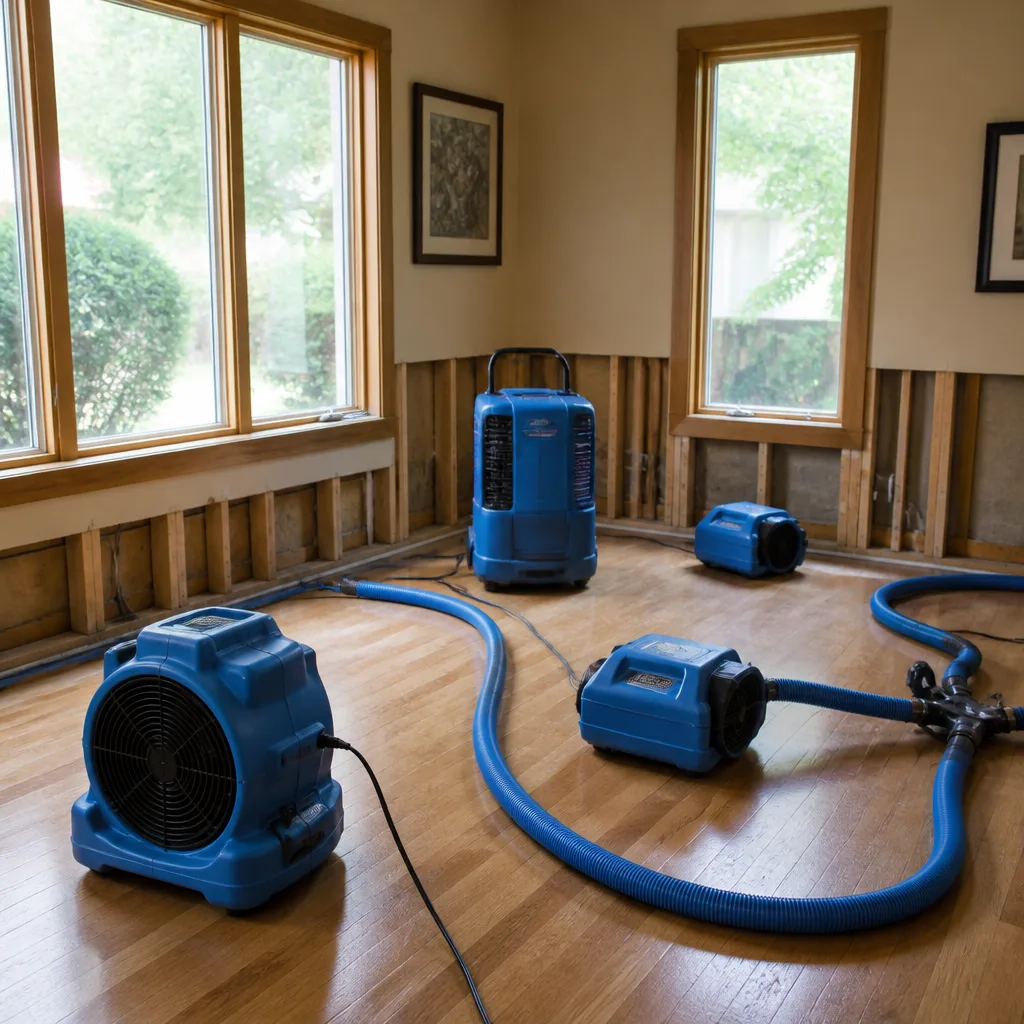
 Water damage drying
 Fire & smoke cleanup
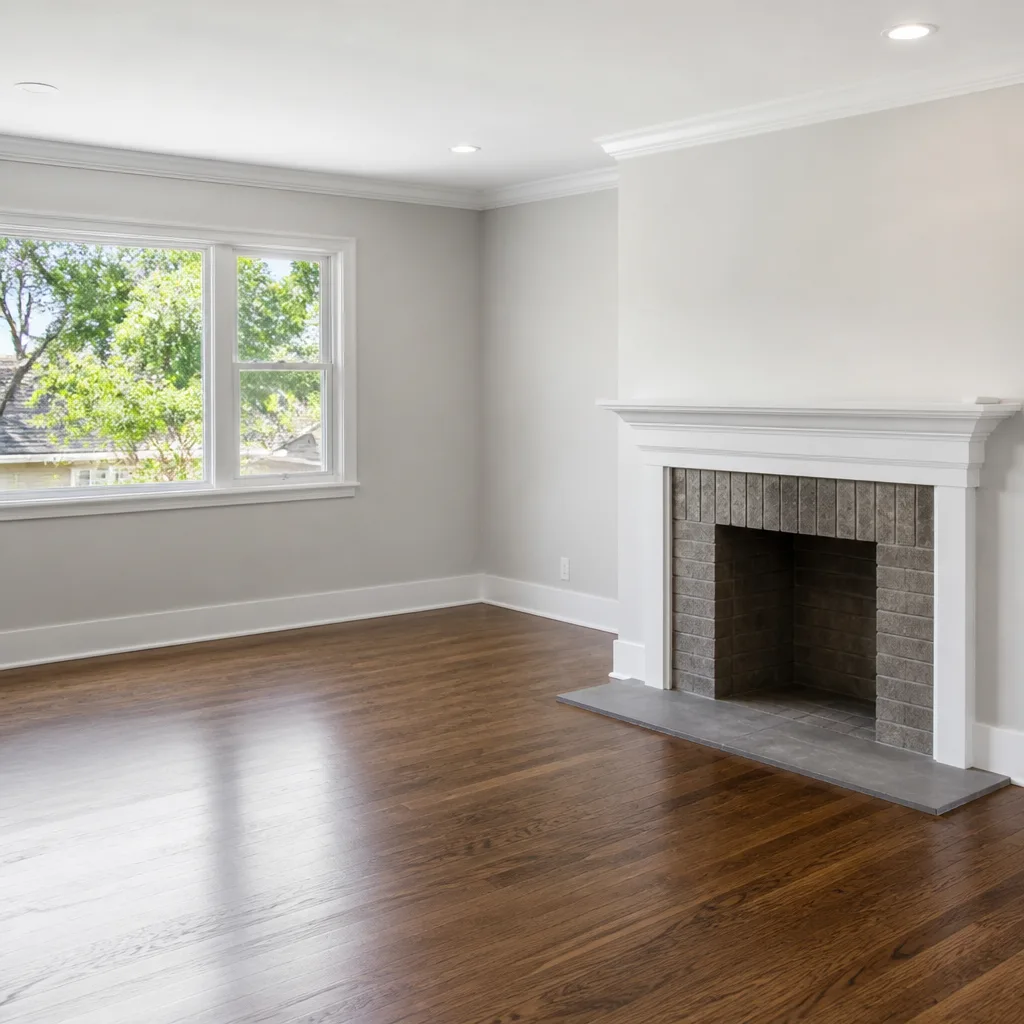 Mold remediation
 Storm response
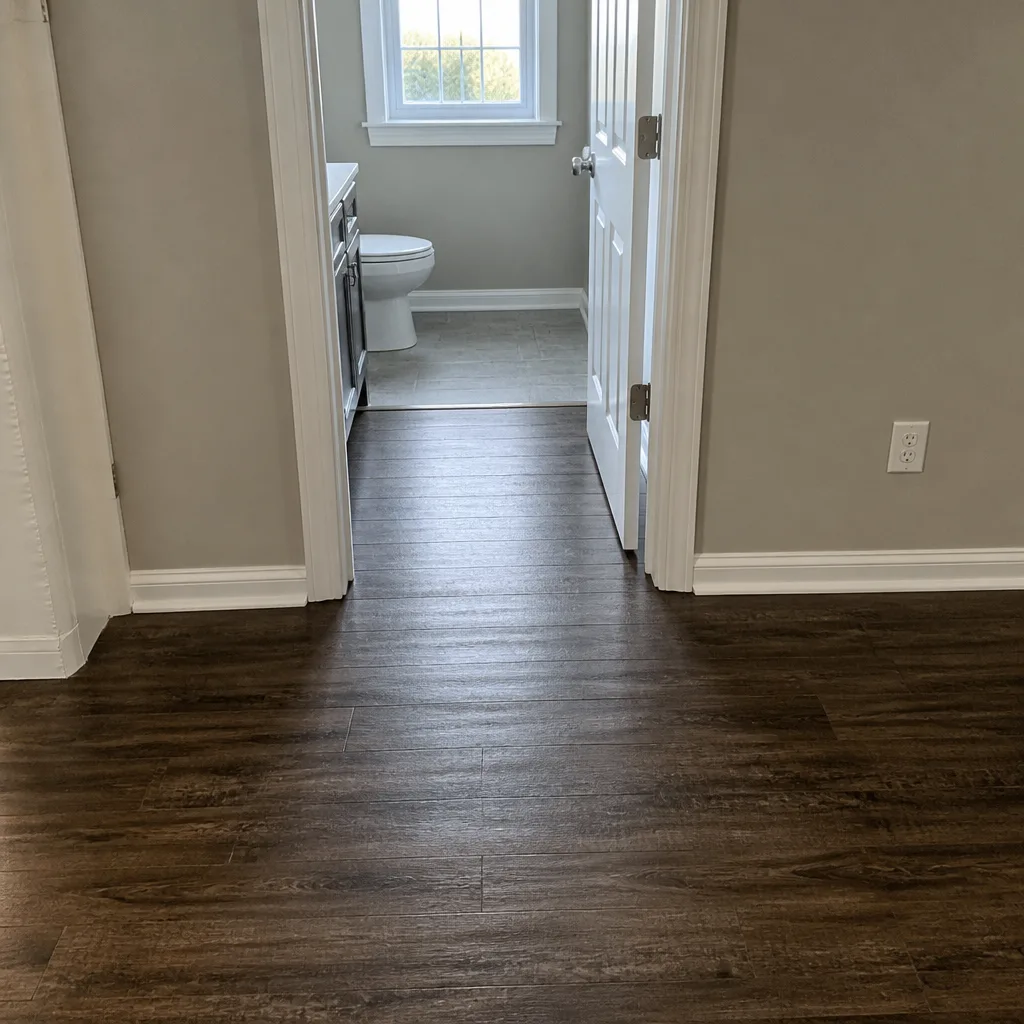 Sewage cleanup
 Reconstruction
Free visual inspection and a written scope of work before any mitigation begins - photos, moisture readings, and drying logs go in your claim file
The scope we write is the scope we bill. Anything new gets shown to you, in writing, before we touch it.
Get your free estimateFast, Reliable Water Damage Restoration Across Desert Edge
Water damage in Desert Edge rarely arrives alone. The wind corridor off the San Gorgonio Pass pushes fine sand into window tracks, HVAC returns, and attic insulation during every significant blow, and the same property can see monsoon flood water a week later. A typical emergency water extraction in Desert Edge runs $800 to $1,800 depending on square footage and water category, and structural drying adds $1,200 to $3,000. Our team drives in from Temecula with commercial-grade Dri-Eaz and Phoenix drying systems, not rental fans, and we’ve worked enough homes here to know what the sand does before we even open the door. Call (844) 878-6356 and we’ll give you a straight answer about next steps.
Why Fresh Start Water Damage Is Desert Edge’s Preferred Water Damage Restoration Company
Nolan Hester built Fresh Start around one principle: the crew that shows up should be certified, equipped, and accountable to a written plan, not improvising in the dark. We’re IICRC-certified, which means our water damage extraction, drying, and antimicrobial applications follow the restoration industry’s most current standards. We’re also RIA and IFA members, so there’s an external code of ethics on top of our own. For Desert Edge homeowners, that matters because this market gets calls that blur two jobs: flood extraction and whole-envelope sand decontamination on the same property.
We don’t treat Desert Edge like a satellite of the rest of the valley. The housing stock here is older stucco and wood-frame single-story homes plus a heavy concentration of manufactured homes, and those two building types fail differently when water gets in. A manufactured home with wet belly-board and a thin subfloor holds Category 2 or 3 water longer than a slab-on-grade stucco job, and our moisture mapping accounts for that from the first reading. We’ve also pulled enough desert grit out of HVAC returns to know that a “cleaning call” after a wind event is very often a structural drying and decontamination job in disguise.
Restoration work we handle
Flood Damage Restoration in Desert Edge
Flood Damage Restoration in Desert Edge usually starts with monsoon water that overtopped a dry wash or sheet flow that found a flat roof seam, and the water that enters is rarely clean. We classify it on arrival because Category 2 and Category 3 water carry contaminants that change the entire scope: antimicrobial treatment, containment, and often selective removal of wet materials rather than simple drying. A flood restoration here typically runs $2,500 to $6,000 depending on water category, affected square footage, and whether the home is a stucco slab build or a manufactured unit with belly-board intrusion.
Category-Based Extraction and Antimicrobial Treatment
When flood water from a wash or drainage channel gets inside, we don’t assume it’s Category 1. Our techs classify the source, set containment where contamination requires it, and apply antimicrobial treatment before drying starts. Skipping this step in a 105-degree Desert Edge summer means the heat accelerates whatever the flood water left behind.
Flat Roof and Seam Intrusion Response
Flat and low-slope roofs are common on older Desert Edge homes, and monsoon rain exposes every aged seam and flashing gap. We trace the water path, extract standing water, and set targeted drying before the moisture migrates into wall cavities and subfloor. The goal is drying what can be dried and removing what can’t, with a clear written scope agreed before we touch anything.
Water Damage Cleanup in Desert Edge
Water Damage Cleanup in Desert Edge often looks different from other valley cities because the wind loads sand into the same spaces the water fills later. After a strong wind event, homeowners find sand packed into window tracks, behind baseboards, and inside HVAC returns. When monsoon rain follows, that grit mixes with intrusion water and creates a slurry that loads filters, obstructs drying, and hides moisture behind debris. Cleanup here typically runs $1,500 to $4,000 when it includes extraction, debris removal, HVAC return cleaning, and the first phase of structural drying.
HVAC Return and Envelope Decontamination
Fine desert grit gets into the return plenum and circulates through the air handler every time the system runs. If we only clean the visible surfaces and skip the return, the first cycle of the AC re-contaminates the drying space. Our crew pulls return grilles, vacuums the accessible duct runs, and documents what came out so the drying plan reflects the actual particle load.
Manufactured Home Subfloor and Belly-Board Drying
Older, modest single-story stucco and wood-frame homes act differently from manufactured homes when water gets under them. A manufactured home’s belly-board and thin subfloor hold water longer and dry unevenly without Injectidry panels pulling moisture from the cavity. We moisture-map these floors and set targeted drying rather than waiting for the desert air to do it, because trapped moisture under a manufactured home in 100-degree heat becomes mold within 24 to 48 hours.
Trusted Brands We Service in Desert Edge
We see a lot of the same equipment across Desert Edge homes and mobile units: B-Air, XPOWER, and Phoenix drying equipment in garages and storage rooms, alongside the usual Dri-Eaz systems on professional jobs. Because we run commercial-grade Dri-Eaz, Phoenix, XPOWER, and B-Air units ourselves, we understand how they should perform on a real restoration job. If you’ve got rental equipment that can’t keep up with a Desert Edge monsoon intrusion, or consumer-grade fans that aren’t pulling moisture from wall cavities, our team can assess what’s actually happening and bring the right gear. We stock common parts for local customers and can typically get rolling within the same trip from Temecula.
Common Water Damage Restoration Problems We See in Desert Edge Homes
- Wind-driven sand intrusion mistaken for routine cleaning. After a wind corridor event, sand gets into window tracks, attic insulation, and HVAC returns. Treating it as a light dusting skips the air-handler decontamination, so grit keeps circulating and the envelope never dries evenly.
- Shortening the drying cycle because the air is dry. Desert Edge’s low humidity makes people think structural drying finishes faster. The reality is different: 100-degree-plus heat accelerates mold growth on any trapped moisture within 24 to 48 hours, so skipping daily moisture readings here is a costly mistake.
- Under-scoping manufactured home water intrusion. The older manufactured and mobile homes common in Desert Edge have belly-board and thin subfloors that hold Category 2 or 3 water longer than slab builds. Missing that means moisture and antimicrobial treatment get under-scoped and the problem returns.
- Flat roof seam intrusion after monsoon bursts. Monsoon rain overwhelms dry washes and flat roofs on older Desert Edge stucco and wood-frame homes. Water finds a seam, travels through the ceiling cavity, and shows up in a bedroom, a hallway, or above the kitchen, with the real moisture load often hidden inside the wall.
See the difference
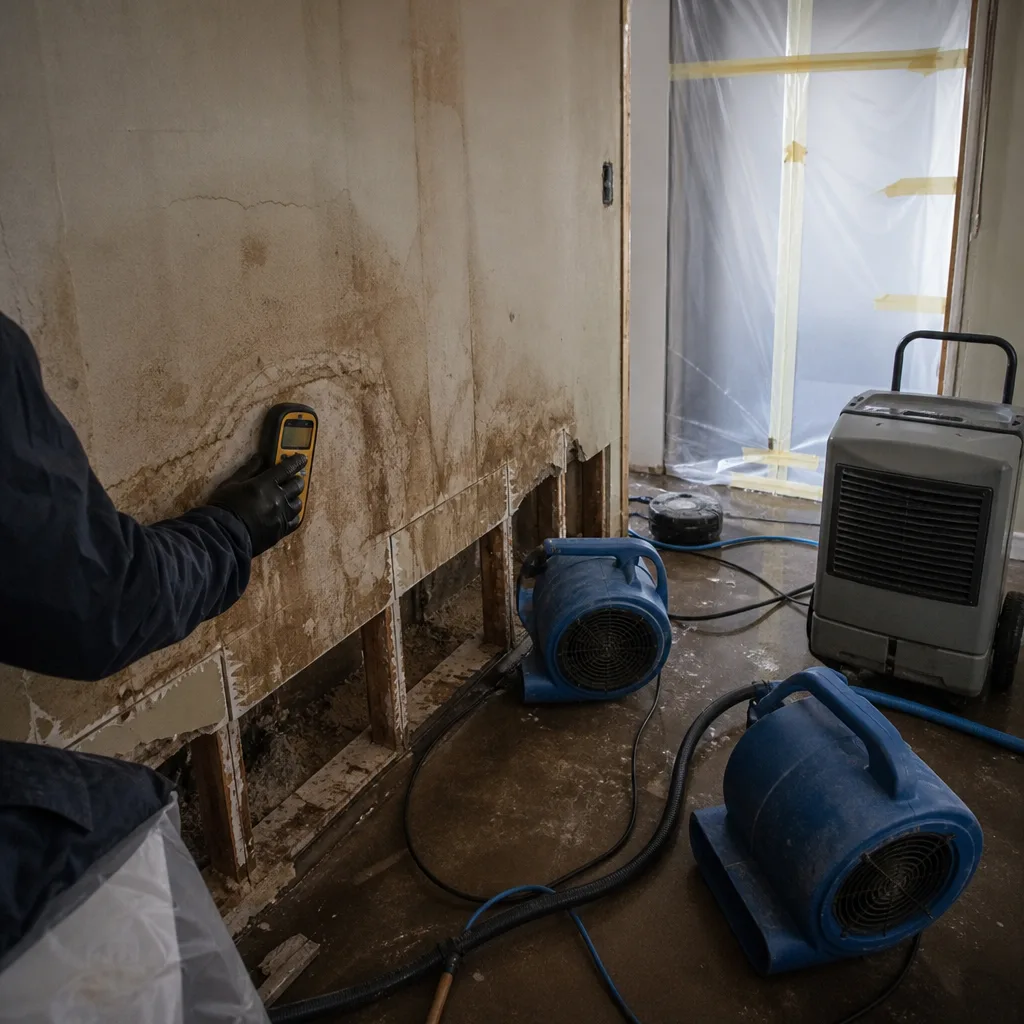 Before
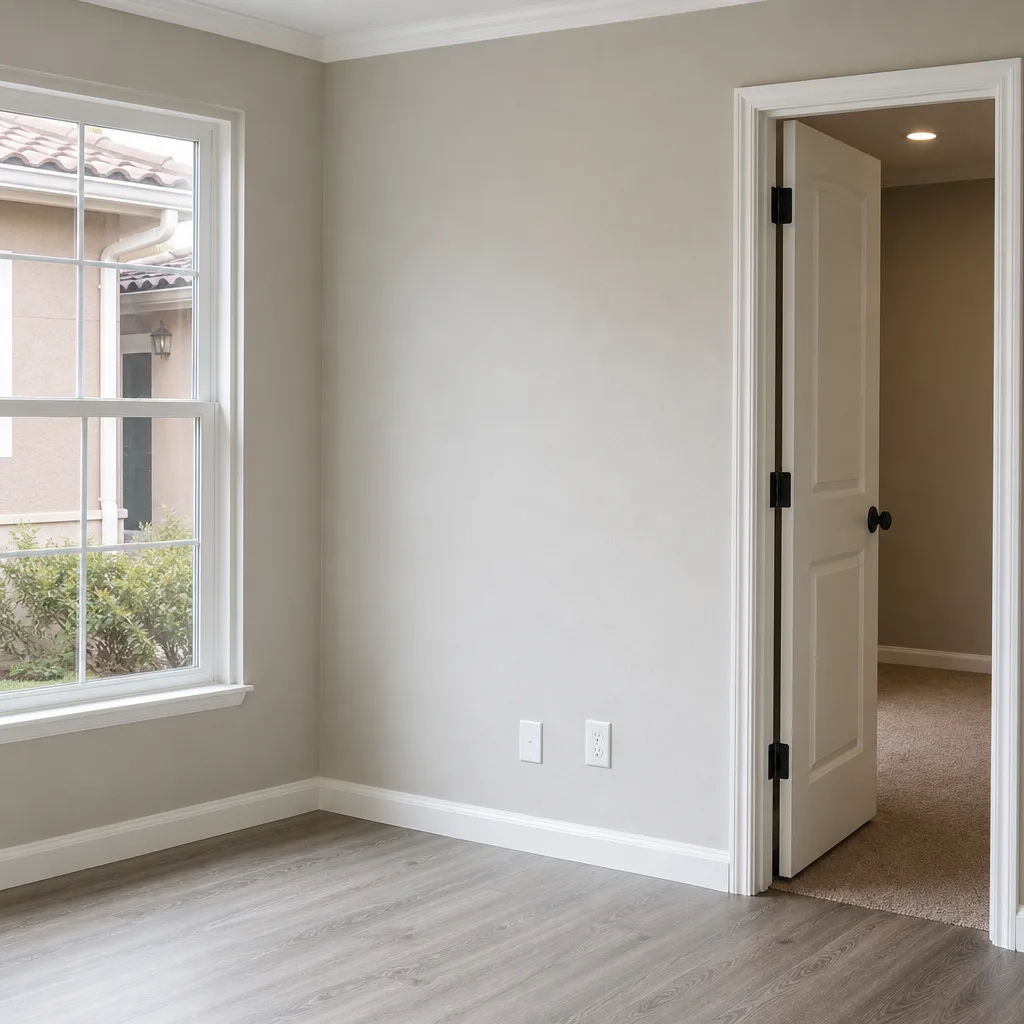 After
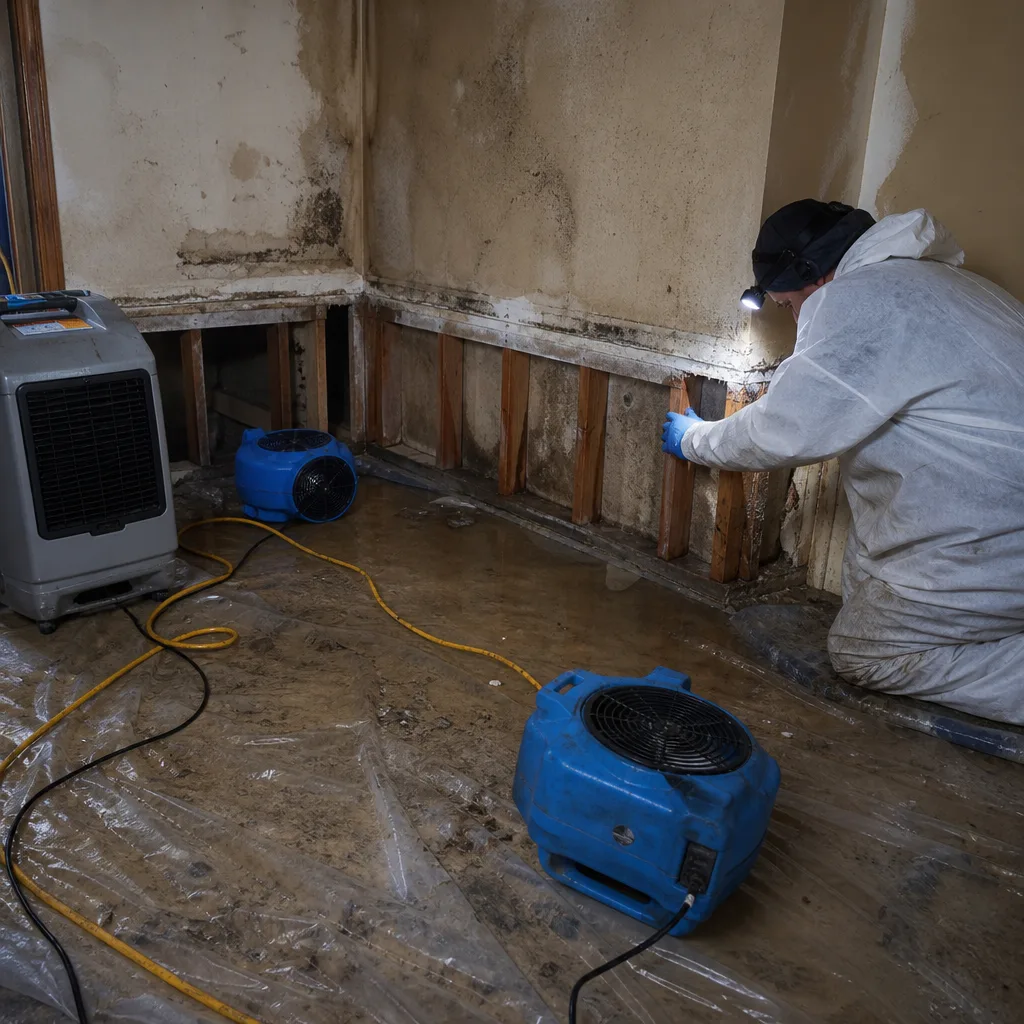 Before
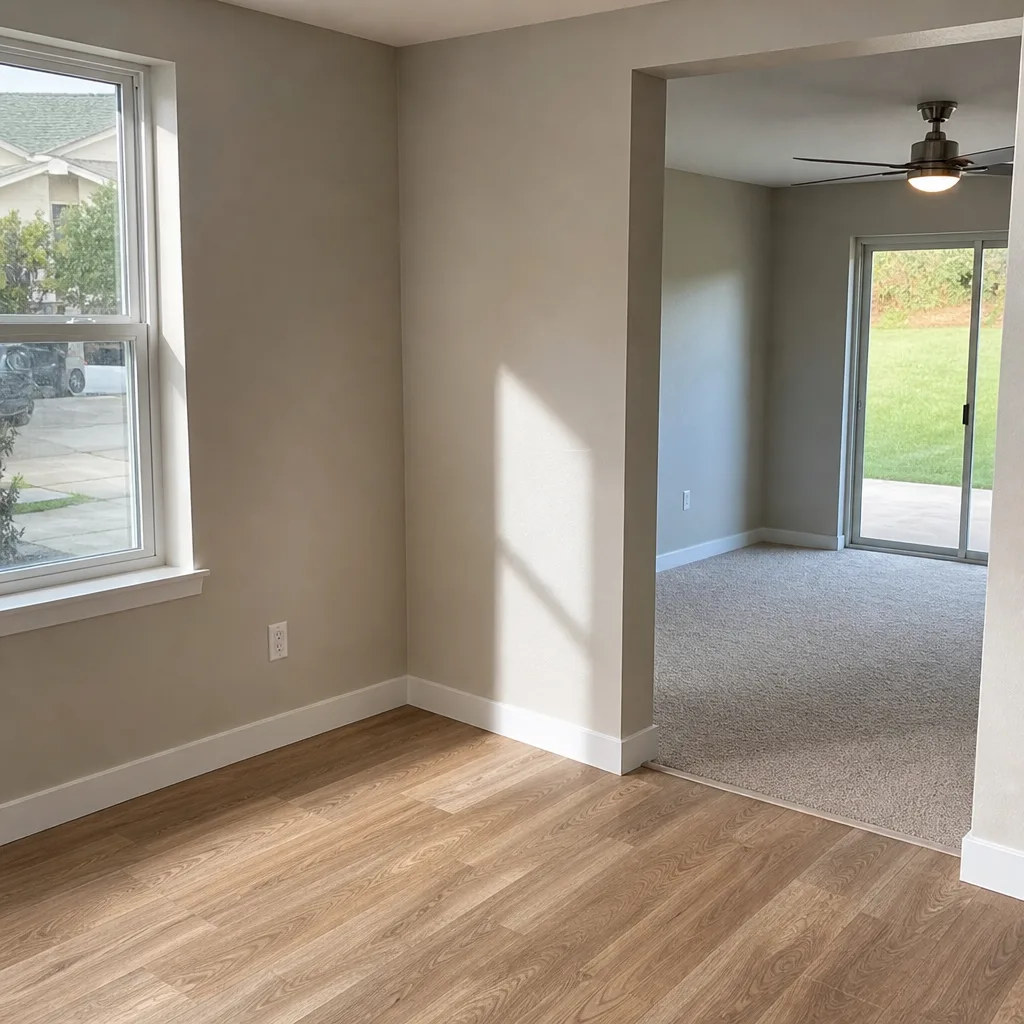 After
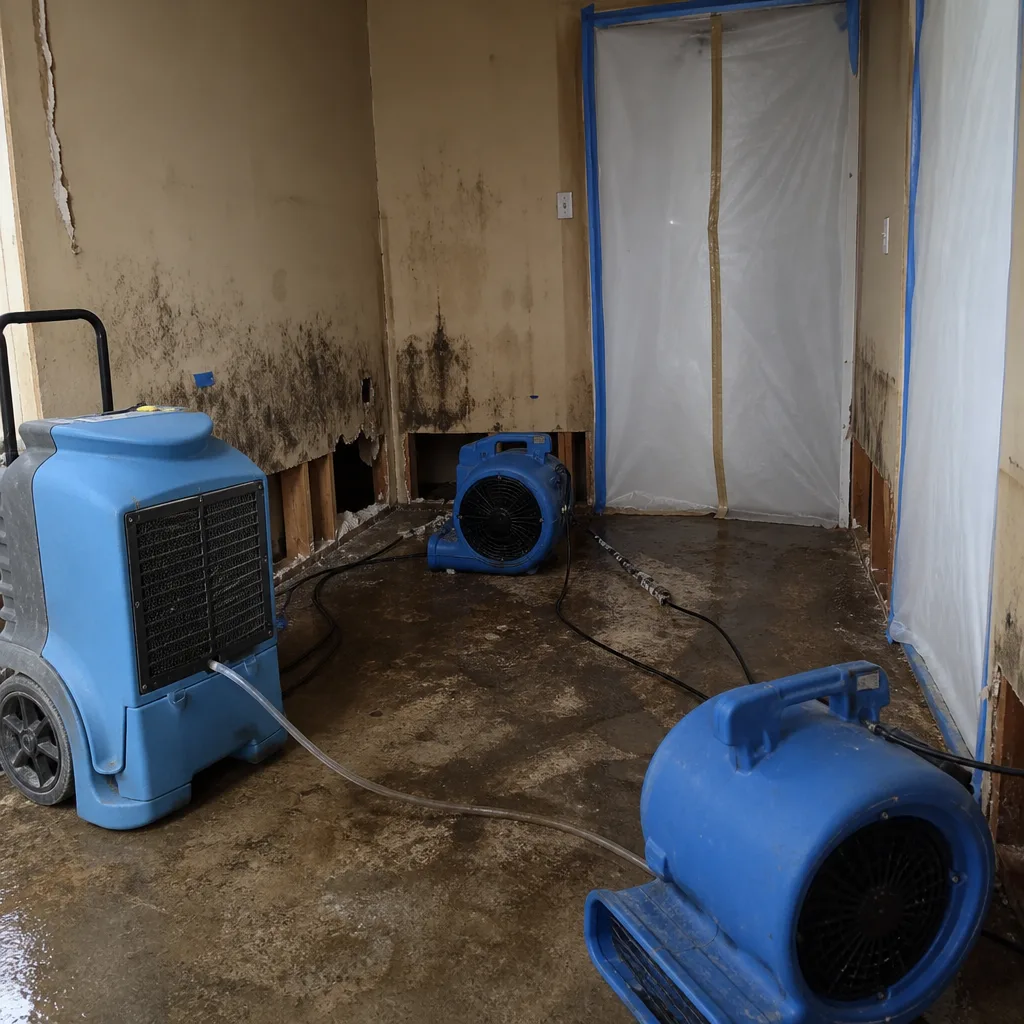 Before
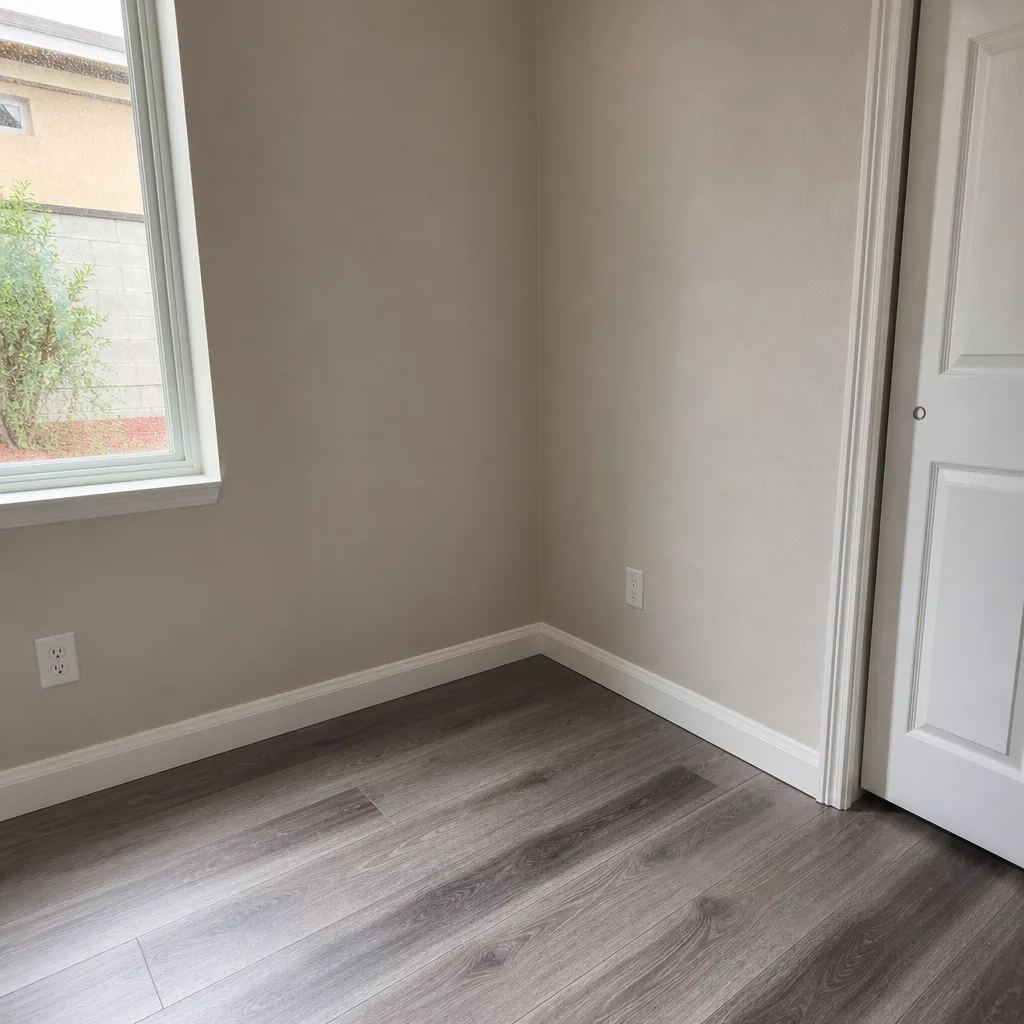 After
Pricing for Water Damage Restoration in Desert Edge, CA
We Also Serve Cities Near Desert Edge
Our Water Damage Restoration team covers the surrounding desert communities, so if you’re in Garnet, Desert Hot Springs, Morongo Valley, or Palm Springs and you’re dealing with a monsoon intrusion, burst pipe, or post-wind sand and water damage, we can get to you. The Desert Edge crew knows the wind corridor well, and we treat every nearby city with the same level of local attention.
Serving Desert Edge, CA — Our Local Coverage Area
We’re based in the Desert Edge area and know this community well. Use the map below to see our service coverage — if you’re nearby, we can almost certainly help.

FAQs About Water Damage Restoration in Desert Edge
Why do water damage calls in Desert Edge often involve sand and dust too?
Desert Edge sits in the Coachella Valley wind corridor off the San Gorgonio Pass, so wind-driven sand and dust push into window tracks, HVAC returns, and attic insulation during wind events. When monsoon rain follows, the restoration scope has to cover both the envelope decontamination and the water extraction, otherwise the grit keeps loading filters and the drying never stabilizes. Call (844) 878-6356 if your home is dealing with both, because it changes the plan.
How fast does mold start after monsoon water gets into a Desert Edge home?
Mold can start within 24 to 48 hours when monsoon water is trapped inside a Desert Edge home, especially in summer when the heat accelerates microbial growth despite the low outside humidity. The window is short, which is why extraction and structural drying need to start promptly, not a few days later. If you’ve had water sit overnight, call (844) 878-6356 and we’ll assess what’s already moving.
Does the age of Desert Edge’s housing change the restoration approach?
Yes, it does. Much of Desert Edge is older, modest single-story stucco and wood-frame homes with a significant share of manufactured and mobile homes. Manufactured homes hold water differently in the belly-board and subfloor, and older plumbing and roofing fail under wind and heat stress, so our moisture mapping and drying plan account for the building type before we set the first air mover.
Why does water category matter in Desert Edge restoration?
Water category tells us what’s in the water. Clean water from a supply line is Category 1, but monsoon flood water that overtopped a dry wash or ran across the ground is Category 2 or 3, which means contaminants. That determines whether antimicrobial treatment and containment are required, and it changes the cost and the timeline. We classify water on arrival and show you what we found.
What does a Desert Edge water damage scope of work include?
A written scope for a Desert Edge job includes water category classification, extraction, structural drying with moisture mapping, antimicrobial treatment where required, HVAC return and envelope decontamination if wind-driven sand is present, and daily moisture readings logged until the materials hit dry standard. We agree on the scope in writing before work starts. Call (844) 878-6356 and we’ll walk you through the exact plan for your home.
Get a Real Plan for Your Desert Edge Water Damage Today
If you’re standing in water or watching a ceiling stain spread, don’t wait for the heat to make it worse. Call (844) 878-6356 now. We’ll answer from the truck, talk through what’s happening, and get to Desert Edge with commercial-grade drying equipment, IICRC-certified technicians, and a written plan before any work begins. The estimate is free. The answer is straight.
Written by Nolan Hester, Owner at Fresh Start Water Damage, serving Desert Edge and the surrounding desert communities since 2012.