


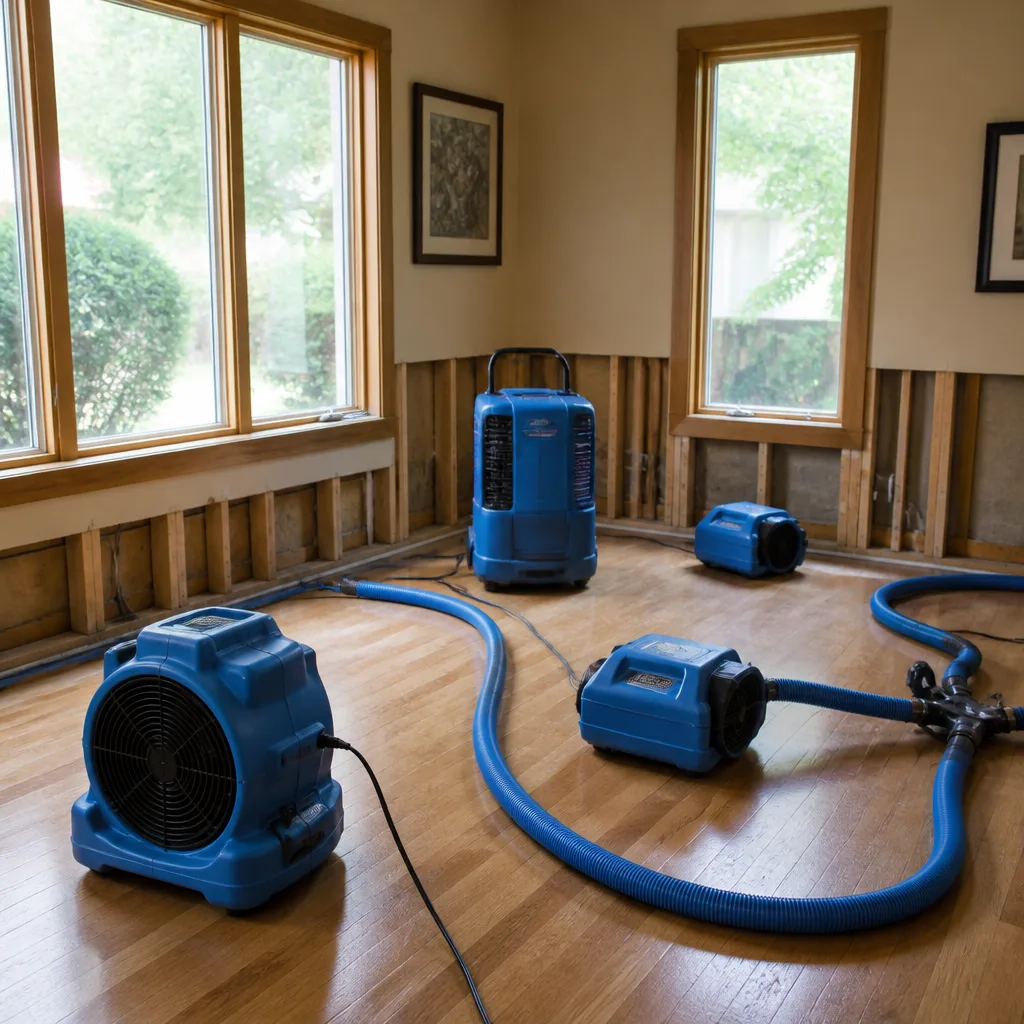
 Water damage drying
 Fire & smoke cleanup
 Mold remediation
 Storm response
 Sewage cleanup
 Reconstruction
Free visual inspection and a written scope of work before any mitigation begins - photos, moisture readings, and drying logs go in your claim file
The scope we write is the scope we bill. Anything new gets shown to you, in writing, before we touch it.
Get your free estimateFast, Reliable Water Damage Restoration Across La Verne
Water damage restoration in La Verne typically costs between $1,800 and $6,500 for a standard room flood, with emergency extraction alone running $400 – $900. Most jobs on this side of the San Gabriel Valley are dispatched same-day, because standing water in a 1950s ranch home off Wheeler Avenue or a custom build up toward Marshall Canyon doesn’t wait for a convenient appointment. We know these streets, these floor plans, and the way water moves through a mid-century slab foundation versus a wood-framed foothill addition built in 1985. That local knowledge changes how we place drying equipment, how we read moisture maps, and how we protect your finish work from needless demolition. If you’re standing in water right now, call (844) 878-6356 and we’ll walk you through the first ten minutes while a crew heads your way.
Why Fresh Start Water Damage Is La Verne’s Preferred Water Damage Restoration Company
Homeowners in La Verne call us because we treat every job like it’s on a canyon-edge property with a fire scar upslope, even when it’s a burst supply line in a tract home off Fruit Street. That level of caution isn’t theater. It’s what the La Verne landscape actually demands, and it’s why our reviews from this area mention the same things: technicians who explain the plan before they start, written scope documentation, and drying equipment that actually gets left running long enough to do the job. Nolan Hester, who leads our crews, has drilled one rule into every technician: you don’t leave a La Verne home until the moisture readings tell you the structure is dry, not just the carpet.
We’re an IICRC-certified operation. That certification matters because it means our techs have passed written and field exams covering the science of water damage, not just the sales pitch. Our crews deploy commercial-grade drying systems from Dri-Eaz, Phoenix, and B-Air, plus Injectidry systems for drying wall cavities and subfloors without tearing out drywall. For homeowners on the foothill edges of Marshall Canyon, that precision approach means fewer demolition decisions and lower reconstruction costs on the back end.
Restoration work we handle
Water Damage Cleanup in La Verne
Water Damage Cleanup in La Verne means more than extracting standing water. It means category-specific handling of what’s in that water, because homes here face a contamination profile that inland valley cities like Claremont or Pomona rarely see. Ash, sediment, and fire residue from the San Gabriel Mountains wash down into foothill properties every winter, turning what looks like ordinary storm water into something that requires category 3 handling. A standard cleanup on a flooded laundry room or kitchen in the 91750 zip code runs $1,200 – $3,800 depending on how far the water traveled and what it soaked into.
Extraction and contamination assessment
We start by identifying the water source and testing for contamination, because a La Verne homeowner can’t assume that January runoff is just rainwater. If the water came through a foundation crack after a hillside saturated above Baseline Road, it’s carrying sediment, ash, and possibly biological material. That changes the extraction protocol, the antimicrobial treatment we apply to framing, and the disposal requirements for the water itself.
Targeted drying after extraction
Before we place a single air mover, we map the moisture. This step gets skipped by DIY-minded homeowners and cut-rate crews, and it’s exactly where wood-framed additions in 1960s homes go wrong. Moisture trapped inside a wall cavity off Damien Avenue will not announce itself until the drywall blooms with mold three weeks later. Our techs use penetrating meters and thermal imaging to find that hidden water before it causes damage you can see.
Emergency Water Damage Restoration in La Verne
Emergency Water Damage Restoration in La Verne is the call you make when a supply line bursts at 2 a.m. inside a 1970s ranch home near Old Town, or when a rain-saturated hillside finally lets go and pushes mud through a patio door. Emergency extraction for a flooded room runs $400 – $900, with full stabilization, including equipment placement and initial drying setup, typically landing between $1,500 and $4,000 for the first 48 hours. The goal in the first hours is containment: stop the water from migrating, protect the structure from secondary damage, and document everything for your insurance claim.
Same-day response to foothill and canyon properties
We respond the same day to La Verne, with a specific route protocol for homes above Baseline and along Marshall Canyon Road. Those properties are further from the nearest supply house, so our trucks carry extra drying equipment, longer hose runs, and backup power in case access roads get slick with mud. When we arrived at a custom home on Marshall Canyon Road after January rains pushed ash-laden runoff through a wood-framed addition, we had extraction running within the hour, then placed Injectidry and Dri-Eaz equipment for structural drying while taking moisture readings to map exactly where the water went. Antimicrobial treatment went on the affected framing that same day, and our drying logs documented the pre-loss condition for the insurance scope of work.
Containment and air quality control
On foothill properties, we build containment as a standard part of emergency response, not an upsell. October’s Santa Ana-driven smoke and ash leave residue in ducts, attics, and wall cavities. When January’s water intrusion forces us to open walls, that smoke residue becomes airborne. Without containment, you just spread the fire damage from last season through the water damage from this one.

Trusted Brands We Service in La Verne
We work on restoration projects involving every major drying and dehumidification platform, and we stock compatible parts for local La Verne customers so turnaround doesn’t stretch into weeks. Our equipment fleet includes Dri-Eaz dehumidifiers and air movers, Phoenix axial fans for high-volume airflow, and B-Air blowers for crawlspace and targeted drying setups. The Injectidry systems we deploy on wall cavities and subfloors are what set our approach apart: they dry hidden spaces through small access holes rather than requiring us to tear out drywall, which protects finish work in the higher-end homes climbing into the hills above the University of La Verne.
See the difference
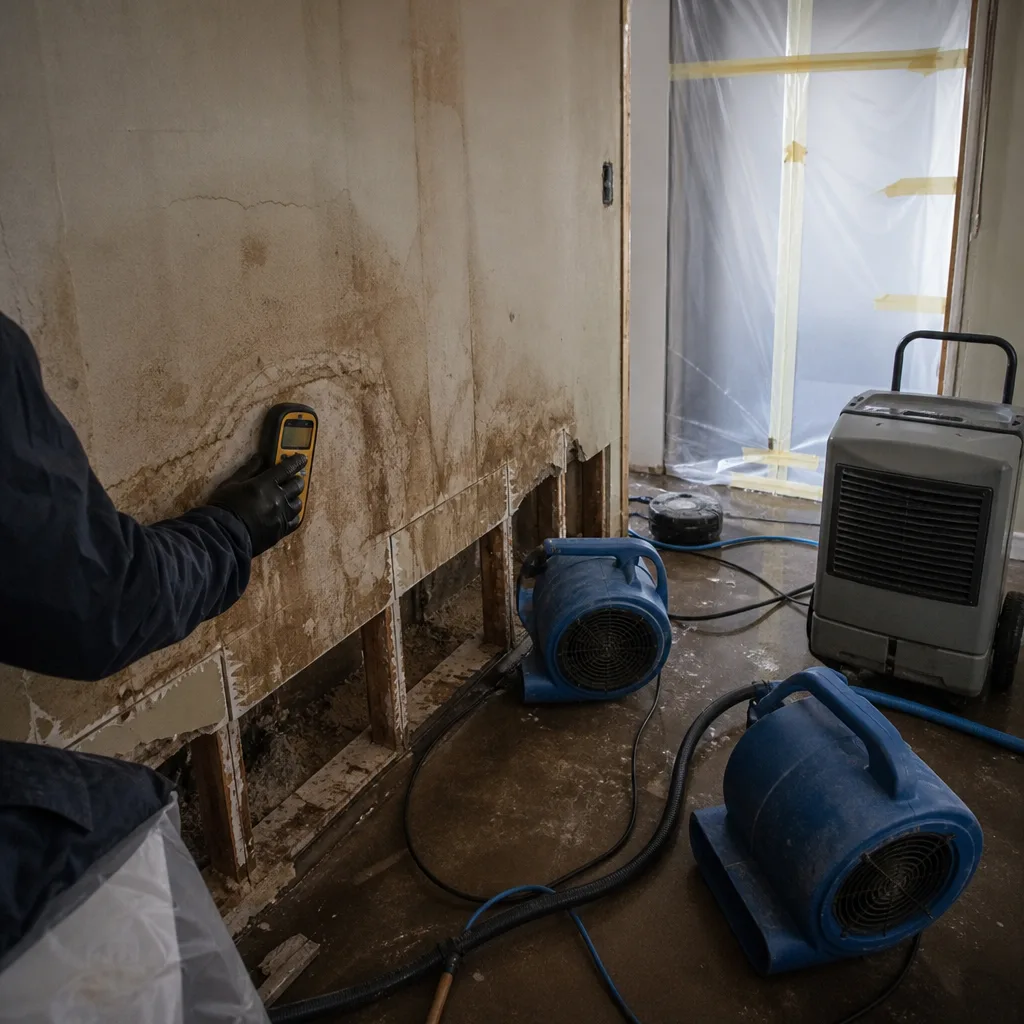 Before
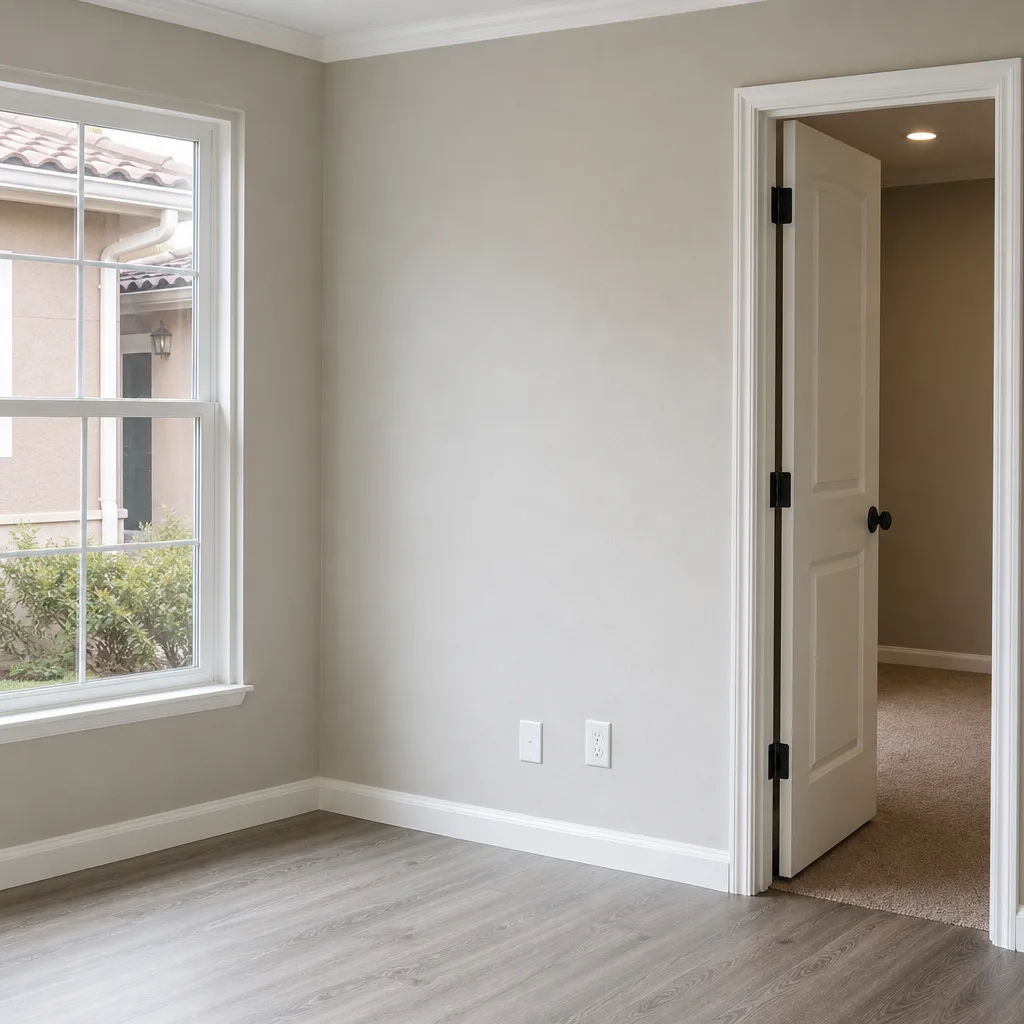 After
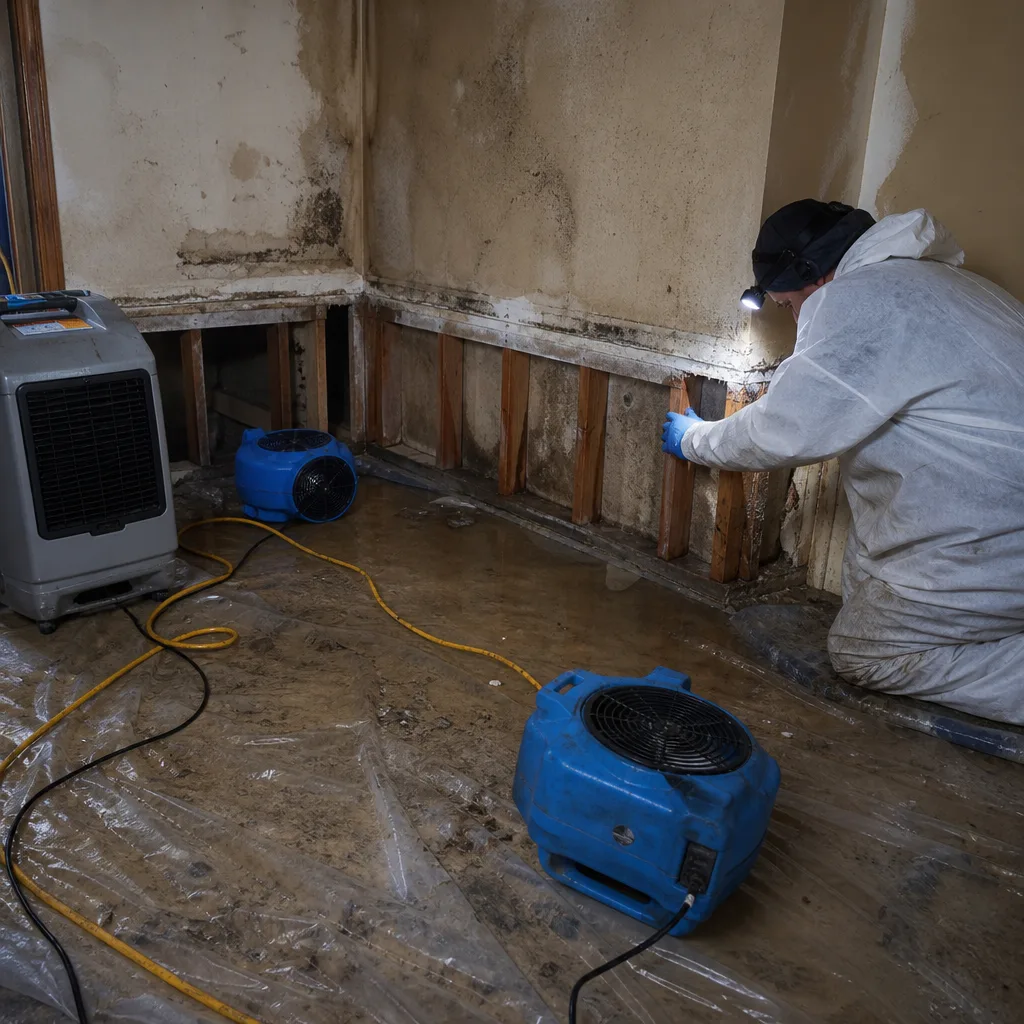 Before
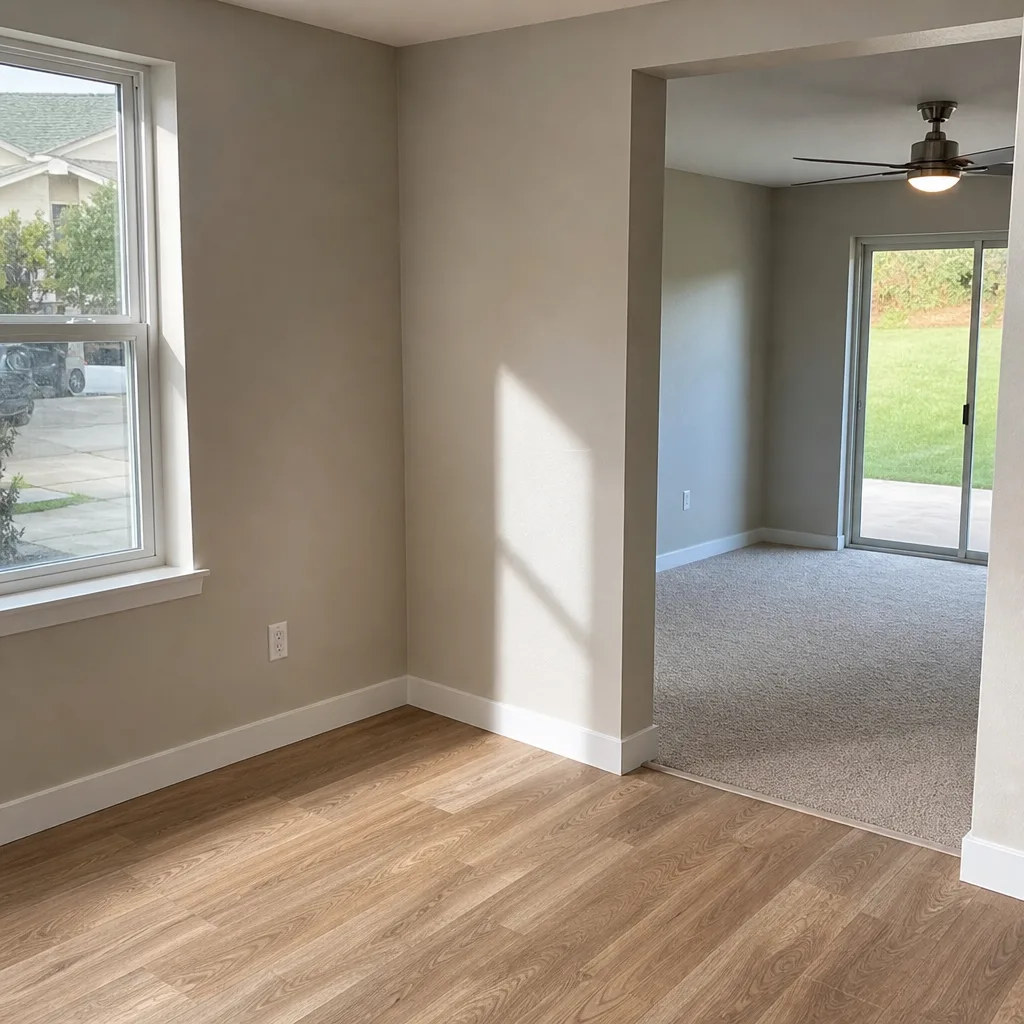 After
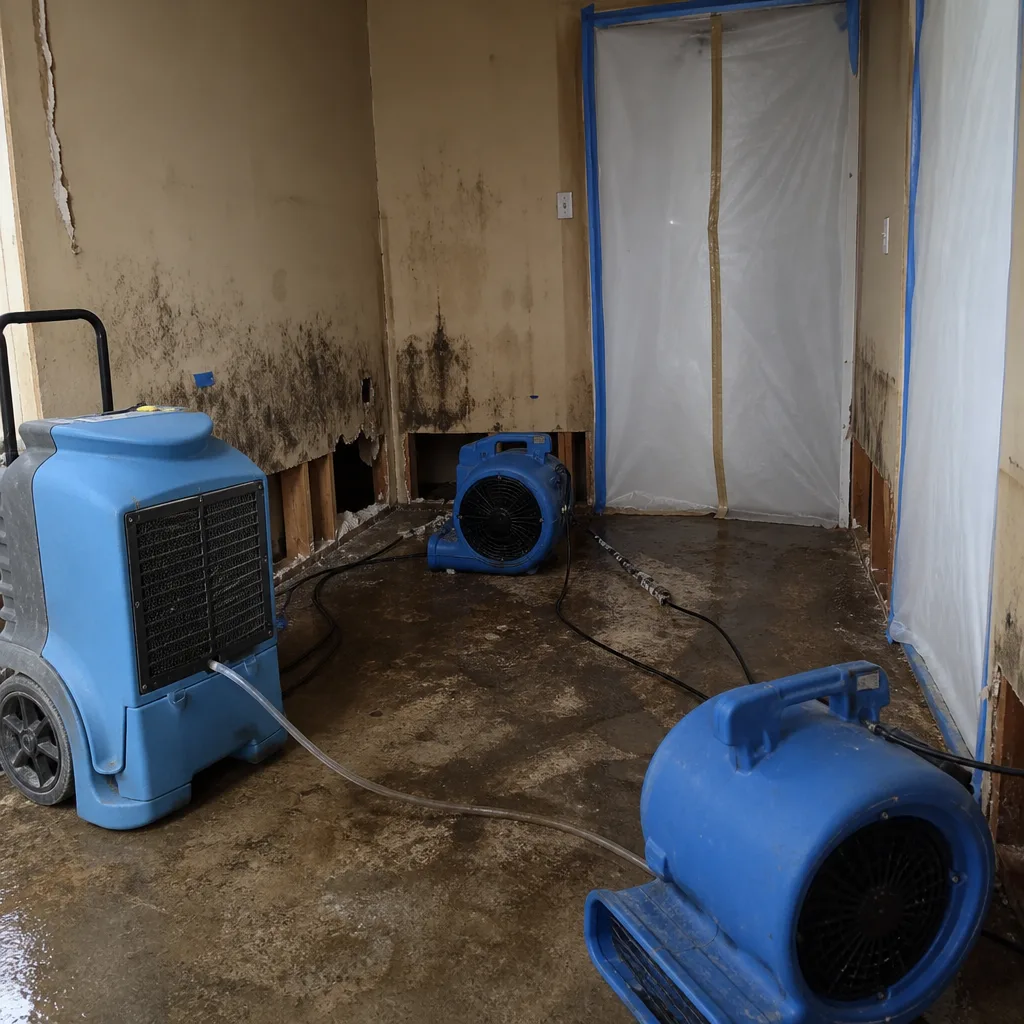 Before
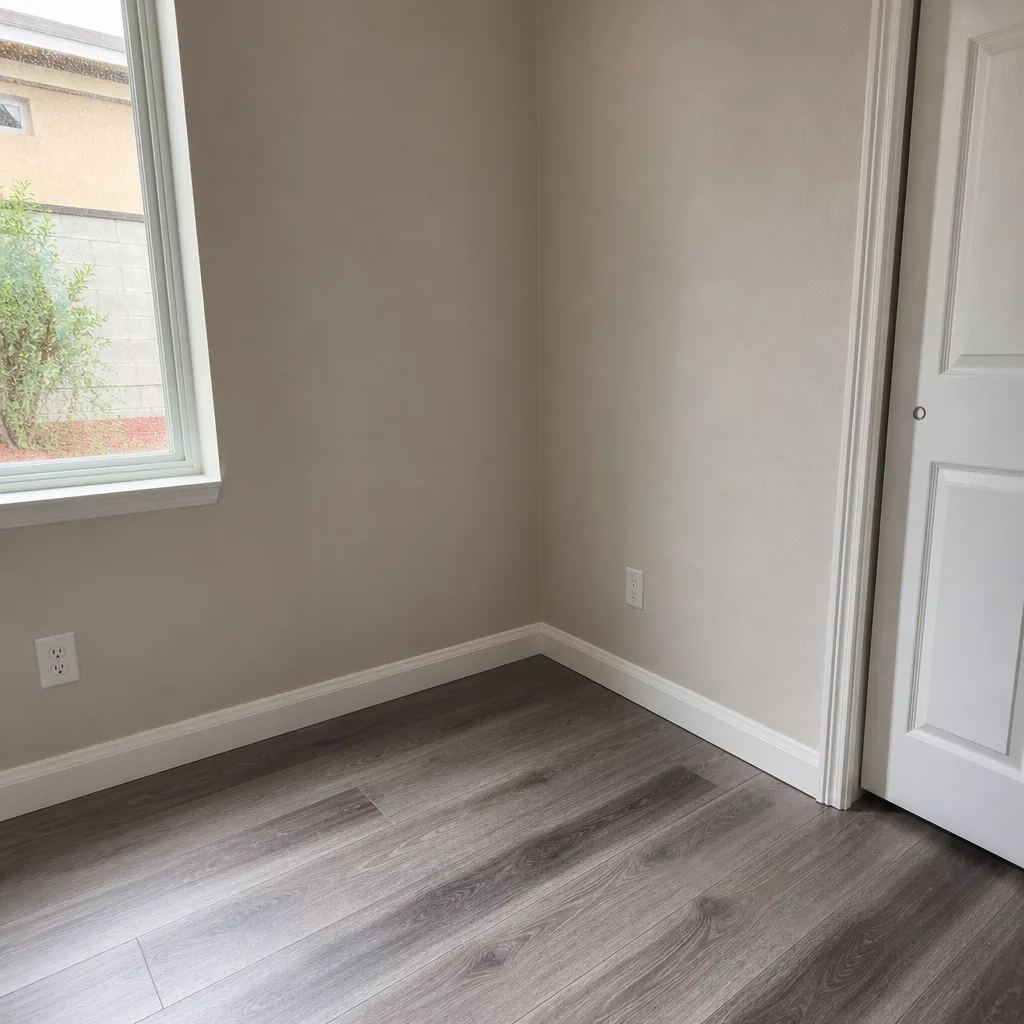 After
Common Water Damage Restoration Problems We See in La Verne Homes
- Post-fire mud treated like ordinary storm water. Homeowners on canyon-edge properties assume that because the water “just rained down,” it’s clean. Ash and sediment from burned slopes make that water category 3, and skipping proper contamination handling turns a flood cleanup into a long-term mold problem inside walls.
- Smoke residue recontaminating dried areas. Contractors who don’t build containment on foothill homes allow October’s smoke and ash residue to migrate into areas that were just dried and treated. The fire-then-flood cycle means mitigation has to account for both, or the second round of damage undoes the first round of work.
- Trapped moisture in mid-century wood-framed additions. Homes built in the 1950s and 1960s near Old Town often have additions with wood framing that doesn’t dry the way modern construction does. Without moisture mapping and targeted drying, moisture sits in those cavities and mold grows before anyone sees a stain.
- Underestimating the combined smoke and water damage. Restoration teams that only see water damage miss the full scope on foothill properties. A home that took ember intrusion in October and mud intrusion in January has two damage events stacked on top of each other, and a mitigation plan that ignores either one fails on both.
Pricing for Water Damage Restoration in La Verne, CA
You’ll find actual numbers here because you deserve a real starting point before a crew ever arrives. Emergency water extraction in La Verne runs $400 – $900 depending on the size of the affected area and the contamination level of the water. Full structural drying and dehumidification, including equipment placement and monitoring, lands between $1,500 and $4,500 for a typical room-sized flood. When post-fire mud and ash are involved, expect category 3 handling to add $500 – $1,800 for antimicrobial treatment, containment, and specialized disposal. The variables that shift these ranges are how far water traveled through your floor plan, whether wall cavities are involved, and whether the home sits on a slab or has a wood-framed addition. Call (844) 878-6356 for a free estimate, and we’ll give you a written scope before any work starts.
We Also Serve Cities Near La Verne
Our Water Damage Restoration coverage extends from La Verne into the surrounding communities, including Claremont, Pomona, Montclair, and Upland. If you own or manage property in any of these nearby cities, the same IICRC-certified crews and the same commercial-grade drying systems are available to you. The same fire-then-flood dynamics that affect foothill properties in La Verne apply with varying intensity in these neighboring areas, so we approach them with the same protocols.
Serving La Verne, CA — Our Local Coverage Area
We’re based in the La Verne area and know this community well. Use the map below to see our service coverage — if you’re nearby, we can almost certainly help.
FAQs About Water Damage Restoration in La Verne
Homes on the canyon and foothill edges of La Verne, including properties along Marshall Canyon Road and the hills above Baseline, face a fire-then-flood cycle that inland valley cities like Pomona or Montclair don’t experience with the same intensity. Santa Ana winds drive ember intrusion into these homes in October, and then January rains push mud and water down the burned slopes into the same properties. That means restoration crews here routinely handle smoke and ash damage combined with contaminated water intrusion in the same year, which requires category 3 handling and containment protocols that standard water damage jobs don’t call for. If your property has this double-hit profile, call (844) 878-6356 so we can assess the full scope before secondary damage spreads.
Mold can begin growing within 24 to 48 hours after water damage in La Verne homes, especially during the warm months when daytime temperatures push into the 90s and indoor humidity stays high. Mid-century wood-framed additions and wall cavities that don’t get proper airflow are the highest-risk areas, because moisture gets trapped and temperatures stay warm enough for microbial growth. The answer is faster structural drying with moisture mapping, not just running a consumer dehumidifier for a weekend. Our crews deploy Dri-Eaz and Phoenix equipment with targeted Injectidry drying to bring hidden cavities to proper moisture levels quickly.
We use commercial-grade drying systems from Dri-Eaz and Phoenix for structural drying, plus B-Air air movers for targeted airflow and Injectidry systems for drying wall cavities, ceilings, and subfloors without unnecessary demolition. On La Verne’s mid-century homes, where original construction meets wood-framed additions, the Injectidry systems are particularly important because they pull moisture out of enclosed spaces through small access holes rather than requiring us to tear out drywall. That reduces reconstruction costs and protects original finish work, which matters a great deal to homeowners near Old Town who are preserving the character of their homes.
Yes. We handle wildfire smoke and water damage for La Verne properties as a combined scope, because foothill and canyon-edge homes here routinely experience both within the same season. Our team addresses smoke and ash residue in attics, ducts, and wall cavities as part of the water damage mitigation, rather than treating them as separate, unrelated projects. That integrated approach matters because opening a wall to dry water damage releases trapped smoke residue from the prior fire season, and without containment, that residue spreads through the home. Call (844) 878-6356 and we’ll explain exactly what your specific property needs.
Treat the water as contaminated, not as ordinary storm runoff, and shut off power to affected areas before doing anything else. Mud and water flowing off burned slopes in La Verne carry ash, sediment, and biological material that make the water category 3, which requires specialized antimicrobial treatment and disposal protocols. Don’t run household fans or attempt DIY drying, because that spreads contaminated moisture into walls and ducts. Document everything with photos for insurance, then call (844) 878-6356. We’ll walk you through the immediate steps and dispatch a crew that knows what combined fire and water damage on foothill properties actually requires.
Written by Nolan Hester, Owner at Fresh Start Water Damage, serving La Verne and the surrounding San Gabriel Valley foothill communities.