


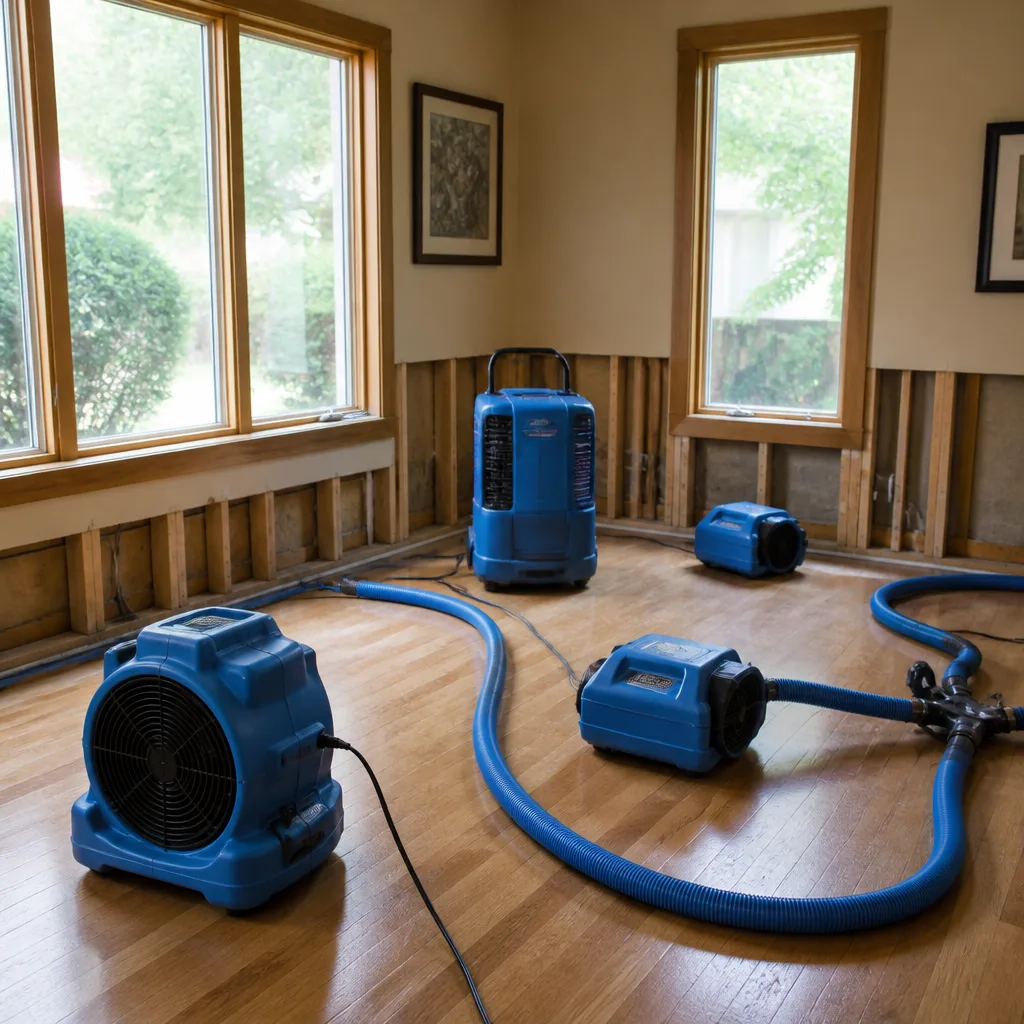
 Water damage drying
 Fire & smoke cleanup
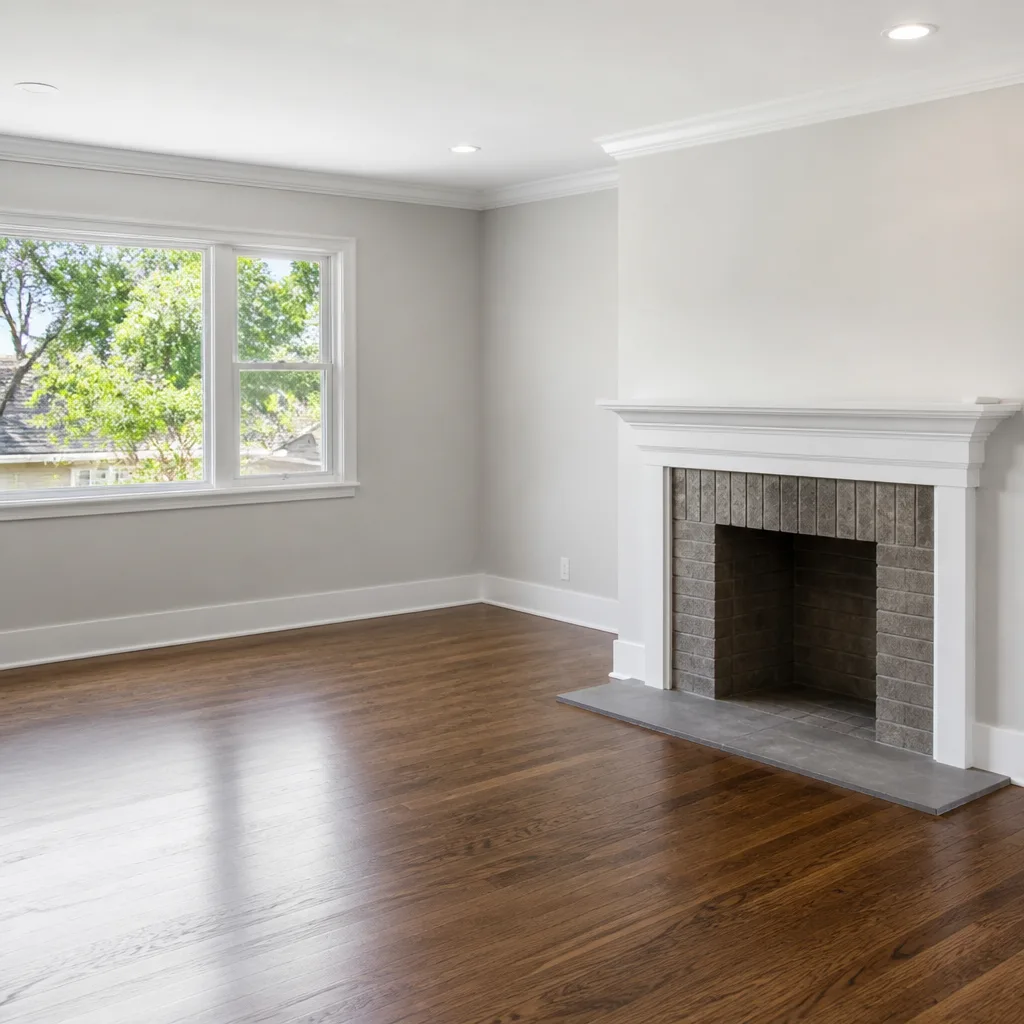 Mold remediation
 Storm response
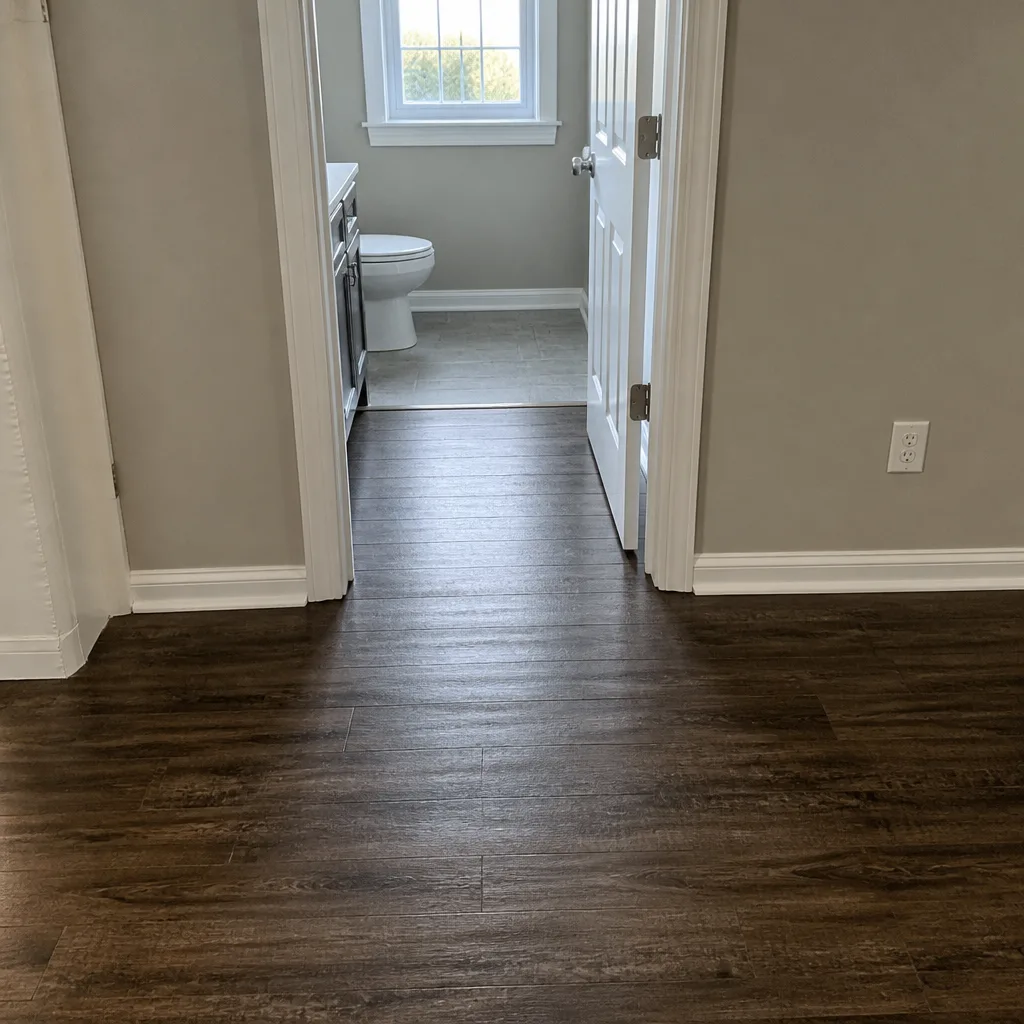 Sewage cleanup
 Reconstruction
Free visual inspection and a written scope of work before any mitigation begins - photos, moisture readings, and drying logs go in your claim file
The scope we write is the scope we bill. Anything new gets shown to you, in writing, before we touch it.
Get your free estimateFast, Reliable Water Damage Restoration Across Laguna Hills
Water damage restoration in Laguna Hills comes with questions nobody should have to research at 2 a.m. What will this cost? How long until my house is dry? Is the crew showing up actually qualified? Here’s the direct answer: most water damage restoration jobs in Laguna Hills run between $2,800 and $6,500 depending on how far the water traveled and what got wet. Emergency extraction typically starts around $450 to $900. Structural drying, the part that actually prevents mold, usually adds $1,500 to $3,800. We’re Fresh Start Water Damage, an IICRC-certified restoration team led by Nolan Hester, and we work throughout 92653 and 92654. Call (844) 878-6356 any hour. A real person answers.
We know Laguna Hills not as a map pin but as the place where a 1979 polybutylene line lets go in a Nellie Gail Ranch kitchen at 11 p.m., where stucco walls in original Laguna Hills tracts hide moisture for weeks before anyone smells it, and where Santa Ana wind season shifts our calls from plumbing failures to ash intrusion in hillside attics. Local knowledge isn’t a marketing phrase here. It changes how fast we find the source.
Why Fresh Start Water Damage Is Laguna Hills’s Preferred Water Damage Restoration Company
Homeowners here don’t need a generic restoration franchise. They need a team that understands why a slab leak in a 1978 tract home behaves differently from one in a newer build. Our technicians have walked hundreds of Laguna Hills properties, from the original subdivisions around Alicia Parkway to the equestrian-zoned lots up in Nellie Gail Ranch. That repetition builds pattern recognition. We know where the polybutylene fittings hide, which floor plans trap moisture against shared walls, and how quickly the semi-arid climate pulls surface water into drywall while leaving hidden pockets of saturation behind stucco.
Fresh Start Water Damage is IICRC-certified, which means our crews train to the standard the restoration industry uses to judge competency. Nolan Hester built this company around commercial-grade drying systems from Dri-Eaz, Phoenix, XPOWER, and B-Air, the same equipment you’d see on a major commercial loss, not the rental-shop fans a handyman brings. We’re RIA members and IFA-affiliated. For Laguna Hills homeowners, that means one accountable team handles the full arc from water extraction to finish, so you aren’t coordinating three contractors while your subfloor keeps soaking.
Restoration work we handle
Flood Damage Restoration in Laguna Hills
Flood damage restoration in Laguna Hills most often means stormwater or an interior supply line failure that overwhelms a space faster than a standard leak. Water pours in, spreads across flooring, wicks into baseboards and drywall, and starts breaking down materials within hours. The first big rain after a dry Saddleback Valley summer is our busiest stretch for flood calls, because that’s when brittle polybutylene fittings in late-1970s tracts and older copper lines fail under sudden pressure shifts. The work involves extraction, containment, controlled demolition of unsalvageable materials, antimicrobial application, and staged drying until moisture meters confirm dry standard. A whole-home flood in Laguna Hills typically runs $5,000 to $12,000 including extraction, drying, and repair of affected drywall.
Burst Polybutylene and Copper Line Flooding
A burst supply line in the wall or under the slab can release gallons per minute. In Laguna Hills homes built between roughly 1968 and 1985, the culprit is often either work-hardened copper or early polybutylene pipe. We locate the source, stop the flow, extract standing water, and map the migration path before we touch a single sheet of drywall.
Storm Intrusion and Hillside Runoff
Properties along the slopes and drainage channels near the Cleveland National Forest foothills see a different flood profile. Heavy rain sheeting off hillsides can overwhelm drainage and push water through door thresholds or up through slab joints. Drying a slab-on-grade home after runoff intrusion takes longer than a raised foundation, because the concrete holds moisture and releases it into the structure for weeks if not properly managed.
Water Damage Cleanup in Laguna Hills
Water damage cleanup in Laguna Hills is the mitigation phase: removing standing water, cutting wet drywall, pulling saturated carpet pad, and treating affected materials before drying begins. It is also what many people skip or do poorly with towels and box fans. Here’s the reality from our work in 92653 and 92654: a water stain on the baseboard almost always means moisture lower in the wall cavity than where you can see. What looks cosmetic is often structural. A standard single-room cleanup with extraction, disposal of unsalvageable material, and drying runs $1,200 to $2,800 in Laguna Hills. Multi-room cleanups with affected cabinetry and flooring start around $3,500.
Stucco Wall Cavity Drying with Injectidry
Stucco is great for Southern California until water gets behind it. Then it becomes a sealed box that holds moisture against wood framing for months. Standard air movers can’t pull water out of a wall cavity. Our Injectidry systems push dry air through small access points into the cavity and floor system, drying what you can’t see without tearing open the stucco. Dry smarter, not just faster.
Slab Leak Cleanup Without Unnecessary Demo
A slab leak under tile or carpet in a Laguna Hills ranch home hides until the carpet gets spongy or the baseboards swell. By then, moisture usually has reached the bottom plates and lower wall cavities, and incomplete drying is what causes the musty smell to return months later. Every applicable job uses thermal imaging to map the spread before demolition starts, so we remove what is actually wet and only what is actually wet.
Trusted Brands We Service in Laguna Hills
Our Laguna Hills customers expect the equipment on their job to be the best that exists, not whatever was on the truck. We run Dri-Eaz refrigerant dehumidifiers and high-output air movers, Phoenix desiccant systems for deep structural drying, B-Air centrifugal blowers for large open areas, and XPower inventory accessible for lost-power jobs. We carry the Injectidry panels and manifolds needed for wall-cavity and subfloor drying across every project that calls for them. Because we stock common parts and consumables in our Temecula operations hub, we typically resupply into Laguna Hills jobs same day, no waiting on a distributor in Los Angeles or San Diego.
See the difference
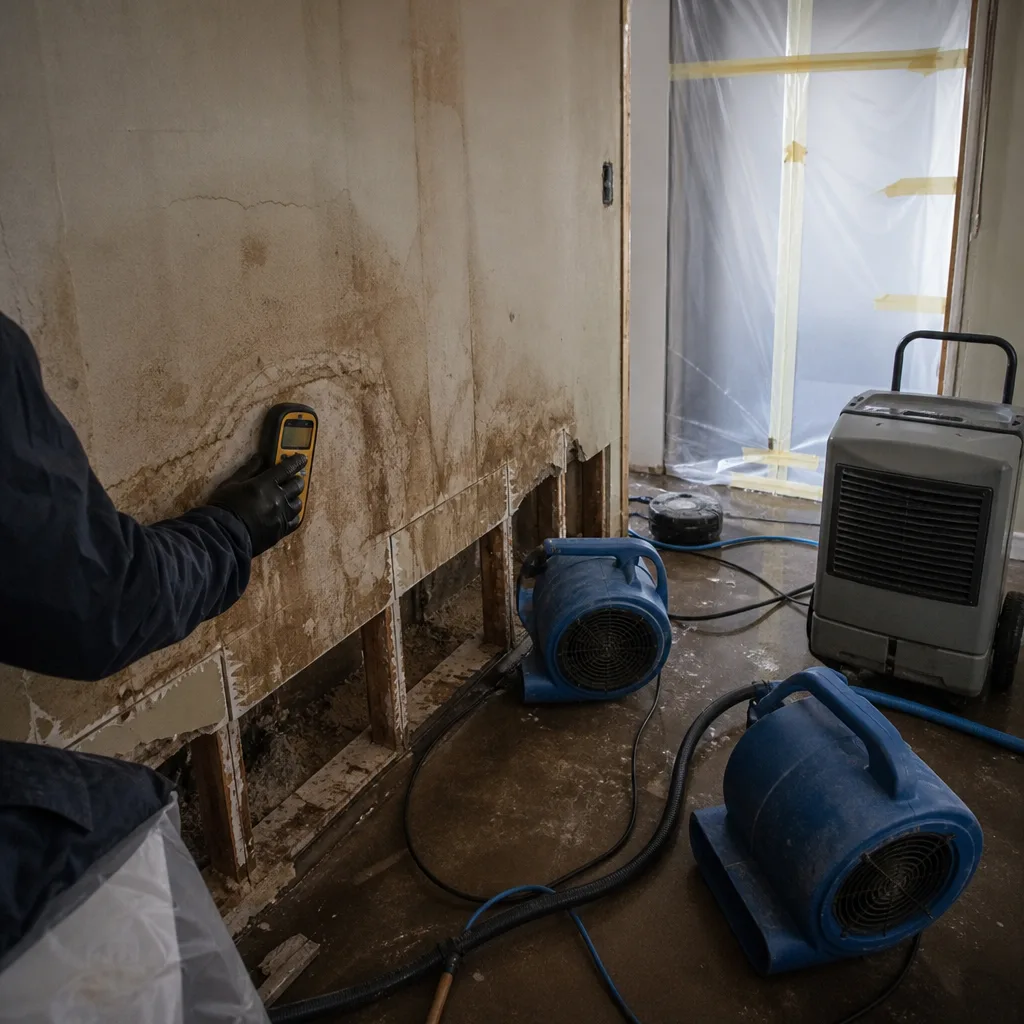 Before
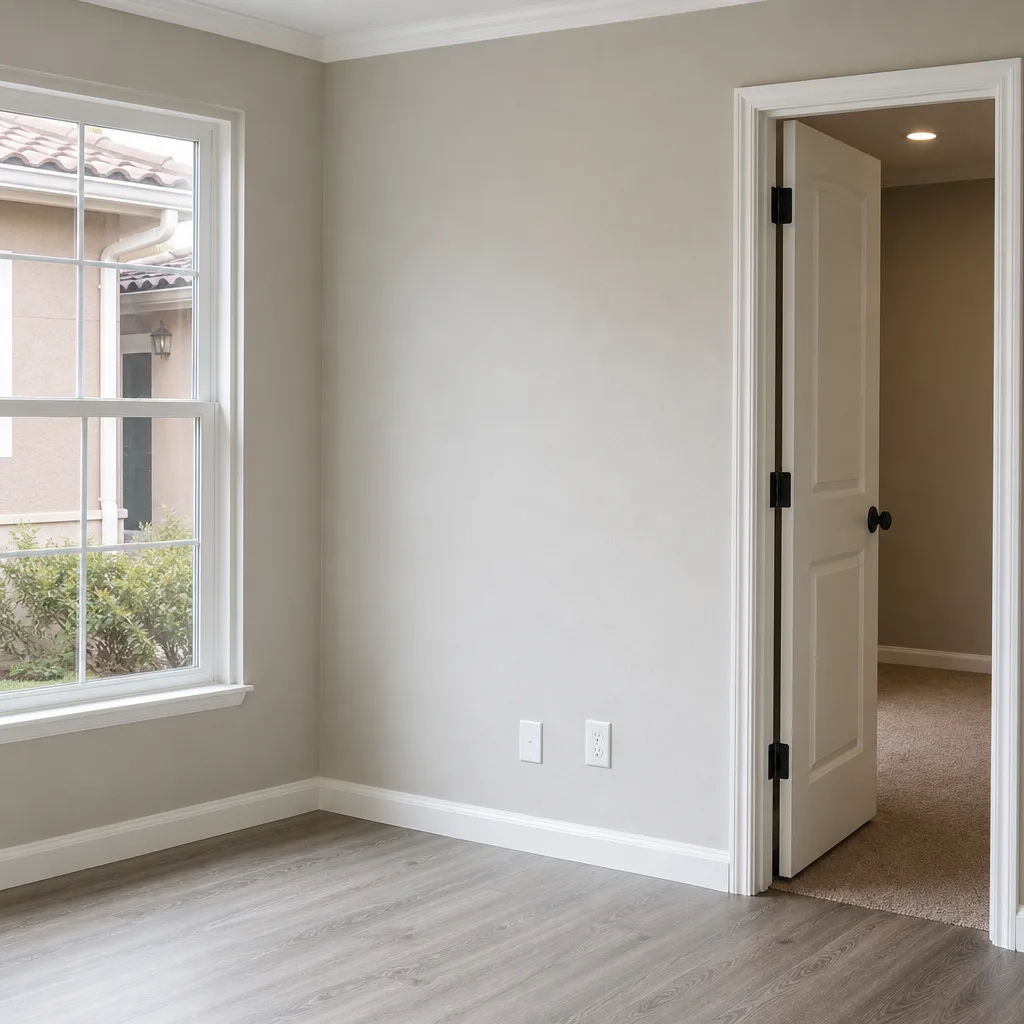 After
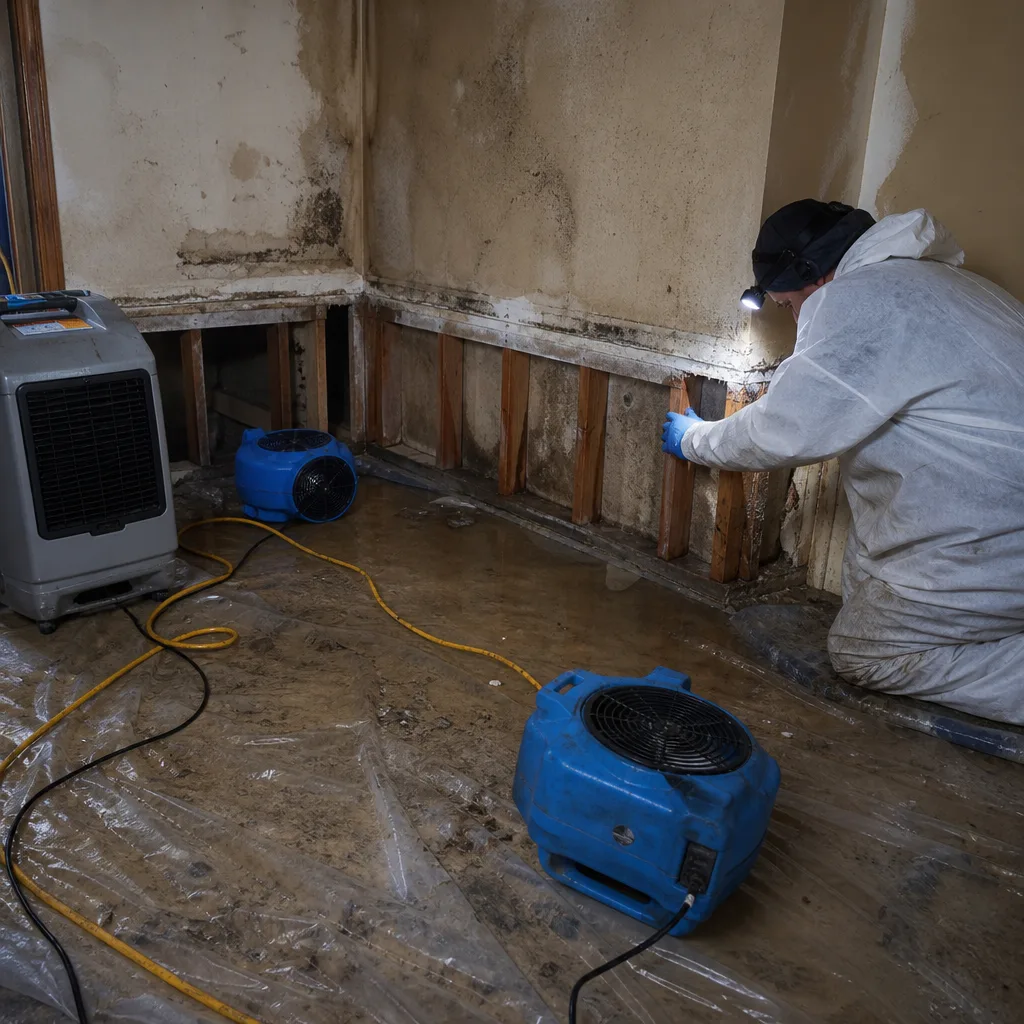 Before
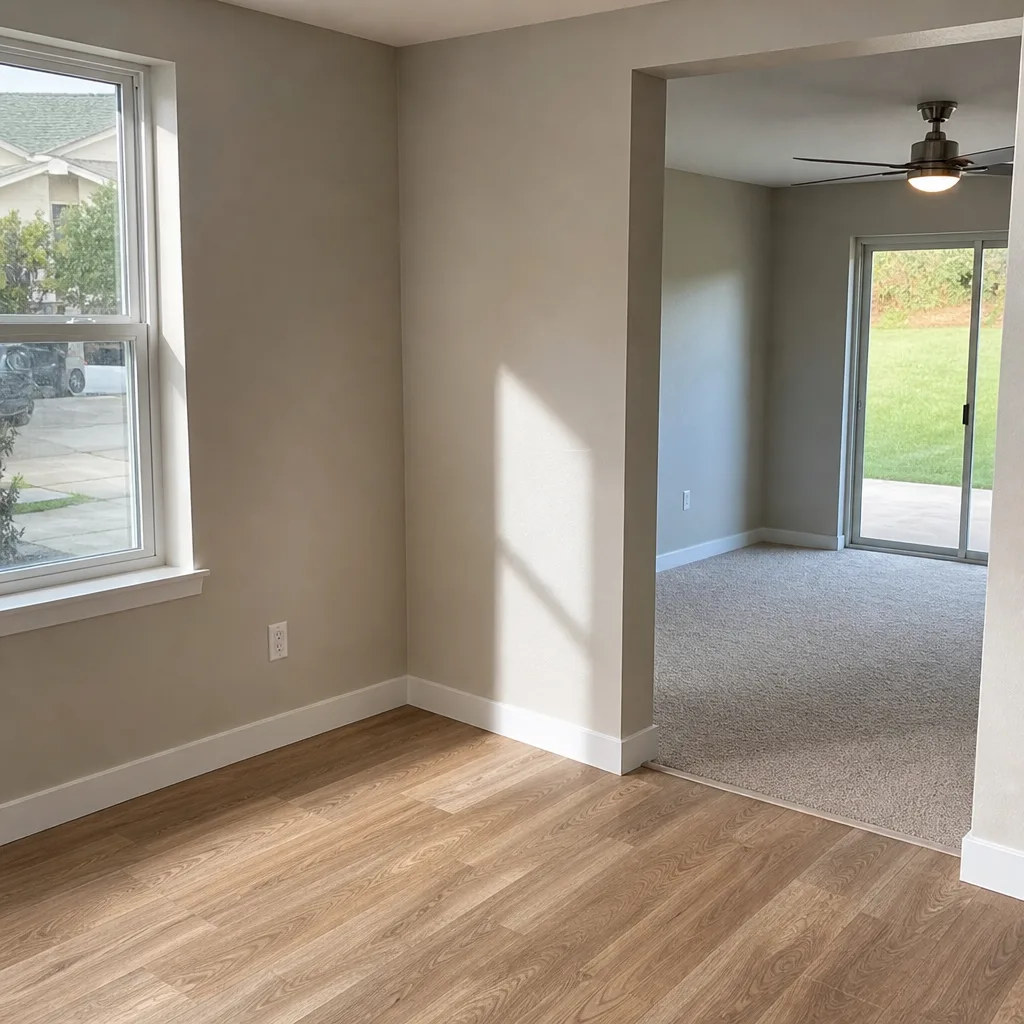 After
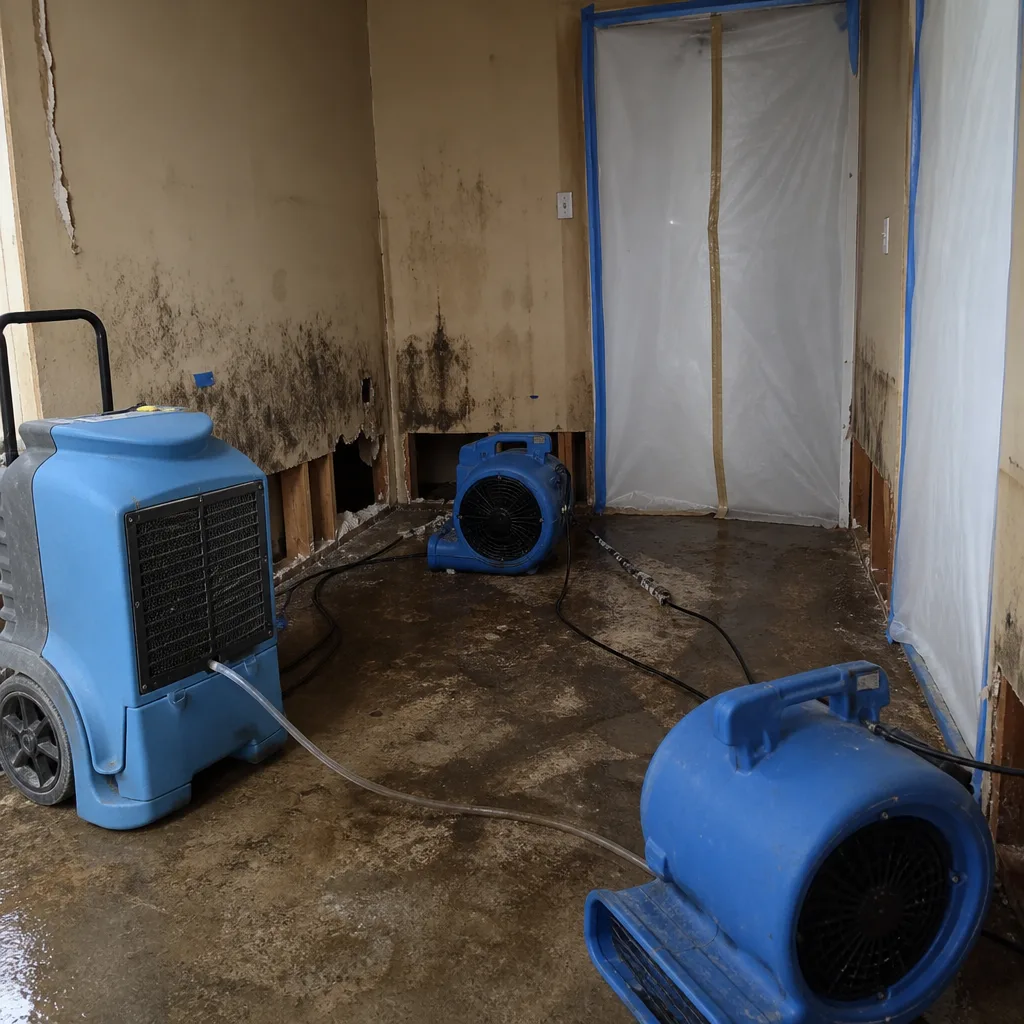 Before
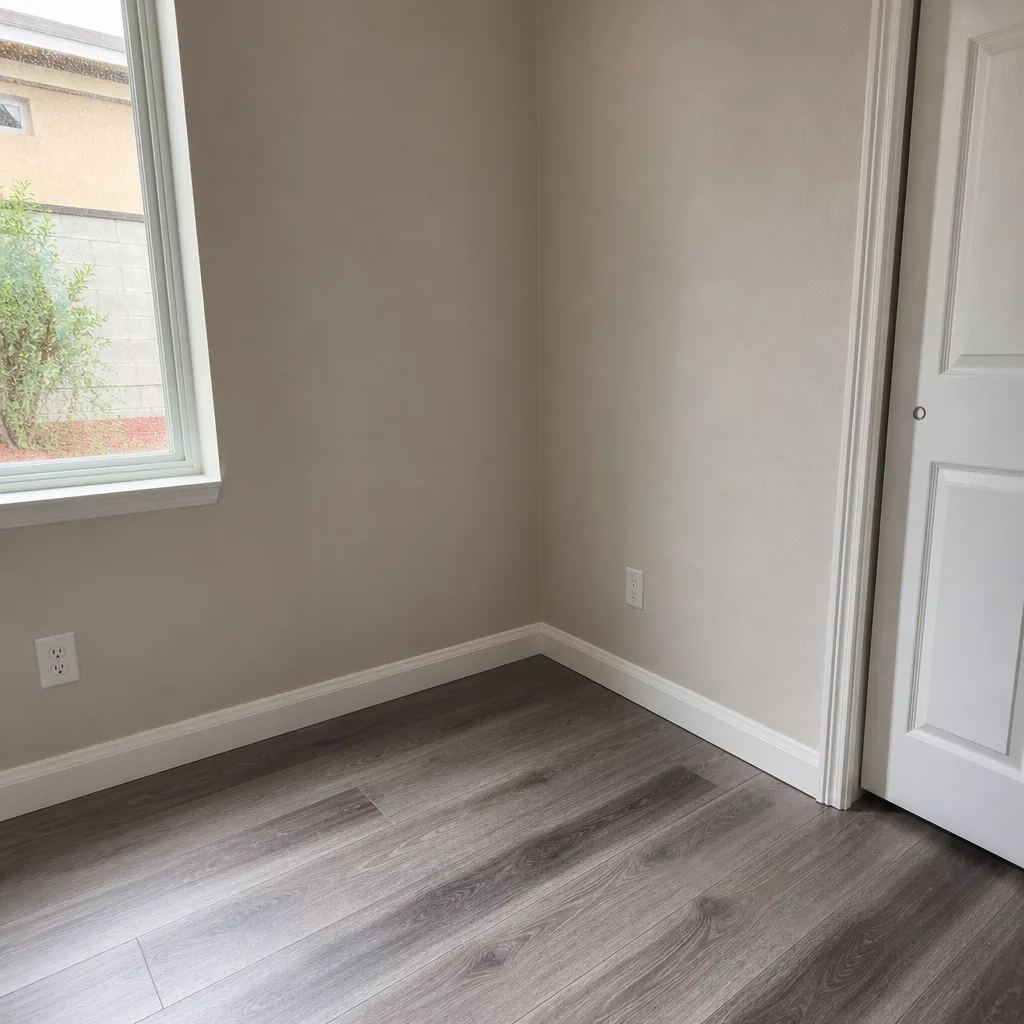 After
Common Water Damage Restoration Problems We See in Laguna Hills Homes
- Hidden slab leaks under tile and carpet. The concrete slab hides the source until flooring shifts or baseboards stain. Homeowners find the puddle, but not the pressurized line feeding it, and incomplete drying follows.
- Moisture trapped behind stucco after exterior-wall leaks. Standard air movers can’t reach into the cavity, so the wood framing stays wet and mold grows behind the wall. Injectidry cavity drying is the fix, not cutting open a facade that stucco matching can’t truly replicate.
- Ash and smoke misdiagnosed as a water loss after Santa Ana wind events. Hillside homes in Nellie Gail Ranch get ember and ash intrusion into attics and HVAC systems during wind events. If moisture meters get read in isolation and odor/particle testing is skipped, we find restoration work that never addresses what actually contaminated the air.
- Polybutylene fitting failures timed to the first heavy rain. The pressure spike after months of dry conditions hits the brittle acetal fittings hardest. When the first December rain arrives, we get a cluster of calls across the 1970s tracts, often within the same week.
Pricing for Water Damage Restoration in Laguna Hills, CA
We Also Serve Cities Near Laguna Hills
Our crews work throughout South Orange County. We serve Laguna Woods and Lake Forest on a regular basis, and run calls into Mission Viejo and Coto De Caza from the same Temecula operations hub. If you’re looking for Water Damage Restoration in any of these cities, one call reaches the full team.
Serving Laguna Hills, CA — Our Local Coverage Area
We’re based in the Laguna Hills area and know this community well. Use the map below to see our service coverage — if you’re nearby, we can almost certainly help.

FAQs About Water Damage Restoration in Laguna Hills
After the first big rain in Laguna Hills, why do so many late-1970s homes suddenly get slab leaks?
Copper and polybutylene supply lines in late-1970s Laguna Hills tracts sit under concrete slabs or inside stucco walls. Six to eight months of zero moisture can dry out fittings and line couplings, and then the first heavy rainfall following that dry stretch shifts soil pressure and water pressure simultaneously. Brittle polybutylene acetal fittings crack at the collar under that stress, and copper pinhole leaks open in old soldered joints. We see a distinct cluster of these calls every year in late fall and early winter. If you notice a warm spot on the tile, a sudden spike in the water bill, or the sound of running water with all fixtures off, call (844) 878-6356 before the water migrates further under the slab.
How do you dry water damage behind stucco in Laguna Hills homes without destroying the exterior walls?
We drill small access ports and run Injectidry positive-pressure drying into the wall cavity, channeling dry air through the space where the moisture is actually trapped. That pulls evaporation out through controlled air paths without tearing open the stucco. Stucco is a cementitious skin that hides moisture well, but once moisture reaches the wood framing behind it, the cavity needs active drying, not hope. Our techs log daily moisture readings until every cavity hits dry standard. If the source was a roof leak or window flashing failure, we coordinate the exterior repair before the cavity drying starts, so we’re not drying against an active leak.
Do Santa Ana winds affect water damage restoration in Laguna Hills?
Yes, Santa Ana winds shift the restoration profile in Laguna Hills, especially in hillside neighborhoods like Nellie Gail Ranch. Our technicians get called for what looks like a water loss, but when we test for odor and particulates, the real event is ember and ash intrusion into attic spaces and HVAC returns from wildfire smoke pushed downslope from the Cleveland National Forest foothills. When we run water restoration after a wind event, we pair moisture readings with particle and odor testing, so the scope addresses what actually contaminated the home. Skipping the combined approach leaves houses that are dry but still smell like smoke, and that smell re-enters the living space as soon as the blower cycles.
What’s the difference between Category 1, 2, and 3 water in a Laguna Hills flood, and does it change the restoration plan?
Category 1 is clean water from a supply line or broken faucet. Category 2 contains some biological or chemical contamination, like dishwasher overflow or sump failure. Category 3 is grossly contaminated water from sewage, floodwater, or exterior runoff that entered the home. The classification changes everything: what gets dried, what gets removed, what antimicrobial protocol applies, and ultimately what the job costs. A Category 1 slab leak might preserve the carpet with professional drying. A Category 3 hill runoff intrusion through a door threshold means carpet, pad, and lower drywall get cut and removed. We classify on arrival and put the classification in your written scope, so there’s no surprise later about what was kept and what was removed.
Can you handle water damage in a Laguna Hills townhome with tight parking and alley access?
Yes, we work townhome and zero-lot-line communities throughout 92653 and 92654 on a regular basis. It means planning truck placement, running hose lines through garage access points, and staging equipment in tighter quarters than a single-family home on a quarter-acre lot. Our crews carry extraction equipment sized for the job, so we’re not wrestling a truck-mount line through a side gate hoping it reaches. We also coordinate with HOA maintenance teams when the source is a shared wall or a building envelope issue, which is common in attached Laguna Hills housing. Call (844) 878-6356 when the loss happens, and we’ll handle the access logistics as part of the job.