


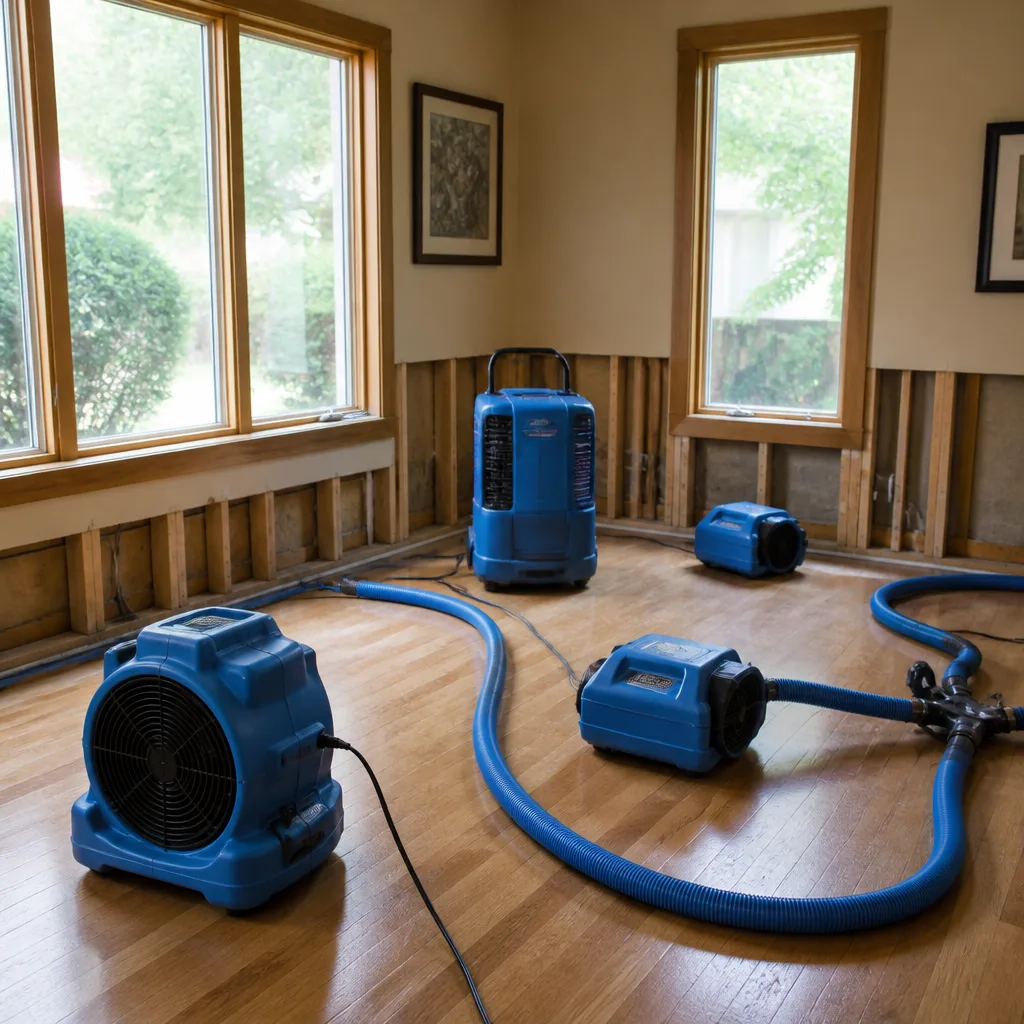
 Water damage drying
 Fire & smoke cleanup
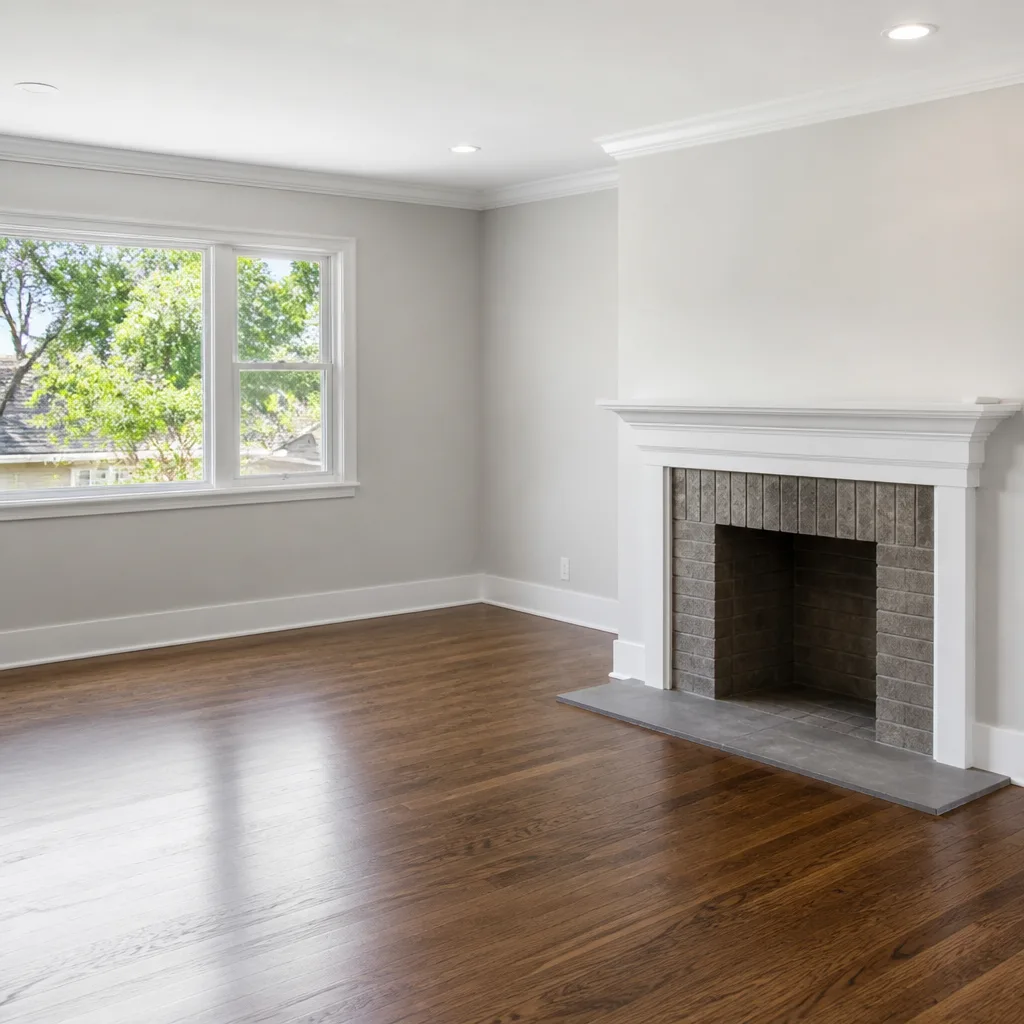 Mold remediation
 Storm response
 Sewage cleanup
 Reconstruction
Free visual inspection and a written scope of work before any mitigation begins - photos, moisture readings, and drying logs go in your claim file
The scope we write is the scope we bill. Anything new gets shown to you, in writing, before we touch it.
Get your free estimateFast, Reliable Mold Remediation Across Lakeland Village
Mold remediation in Lakeland Village typically costs $1,500 to $6,000 depending on how far the growth has spread, and most jobs can be started within 24 to 48 hours of inspection. If you’re smelling something musty near the lake or seeing discoloration along baseboards in a 1970s tract home, you need readings and a real plan, not a guess. Nolan Hester and our team at Fresh Start Water Damage work in Lakeland Village weekly, and we know the difference between a lake-bloom odor and an active cavity problem. Call (844) 878-6356 and we’ll tell you straight what you’re dealing with.
Lakeland Village sits on the shore of Lake Elsinore, and that location changes how mold behaves in the homes here. The same humidity that makes the summers feel heavy also keeps wall cavities damp longer than they should be, especially in the older single-story houses that make up much of the ZIP code 92530. We’ve walked through enough of these homes to know that a musty smell off Grand Avenue isn’t always what it seems. Sometimes it’s the lake. Sometimes it’s moisture wicking behind original siding with active growth along a baseplate. If you’re not sure which one you have, call us at (844) 878-6356. We’ll figure it out before anyone sells you a treatment you don’t need.
Why Fresh Start Water Damage Is Lakeland Village’s Preferred Mold Remediation Company
Lakeland Village homeowners keep calling us back for one reason: we test before we treat, and we document everything with moisture readings and drying logs. That matters in a lake town where musty odors can come from algae, plumbing, or siding, and treating the wrong cause just means the mold comes back. Our Mold Remediation crew is IICRC-certified, which is the restoration industry’s most recognized competency standard, and we run commercial-grade drying and air-scrubbing equipment from XPOWER and B-Air on every applicable job. No consumer rentals. No shortcuts.
We’ve earned a strong local reputation in Lakeland Village by telling homeowners the truth, even when the truth is that they don’t need full remediation, just ventilation and drying. That approach, led by Nolan Hester, means the plan we hand you is specific to your house: where the moisture is, how it got there, what category of water we’re dealing with, and what gets removed versus what gets dried. We also coordinate with adjusters when insurance is involved, with photo documentation from first inspection through final clearance. One certified team handles the full arc so you’re not juggling three contractors after a leak.
Restoration work we handle
Professional Mold Removal in Lakeland Village
Professional Mold Removal in Lakeland Village starts with containment and negative air pressure, not with spraying a chemical on a stain. Most homeowners call us after a water event or after they’ve noticed that a musty smell hasn’t gone away. In older homes near Lakeshore Drive, we frequently find growth behind baseboards or inside wall cavities where original plumbing has been slowly weeping for months. The work itself involves setting up containment, removing compromised drywall and insulation, cleaning and treating the framing, and then confirming with post-drying moisture readings that the cavity is actually dry before closing it up.
Containment and Source Removal
Before we touch an affected wall, we seal the work area and run HEPA-filtered air scrubbers to keep spores from moving through the house. Then we cut out the material that can’t be saved. In Lakeland Village’s 1970s and 80s tract homes, that often means removing drywall that’s been wicking moisture from original copper supply lines or failed window flashing.
Drying Logs and Clearance Readings
Professional Mold Removal here should never end with “looks good.” We run moisture meters across framing and subfloor before we rebuild anything. The drying logs stay with the job, and they’re what we show you, your adjuster, or a future buyer to prove the cavity was brought back to pre-loss condition. If a contractor won’t show you readings, that’s a red flag.
Mold Inspection in Lakeland Village
Mold Inspection in Lakeland Village is where we separate lake-bloom odor from active growth. Lake Elsinore’s seasonal algae blooms produce a sulfurous, musty smell that drifts into homes near the shore, and it convinces a lot of people they have a mold problem when they don’t. A proper inspection involves moisture mapping across exterior walls, thermal imaging where appropriate, and air or surface samples only if readings indicate a reason to test. In Lakeland Village, a standalone inspection typically runs $300 to $600. If you’re noticing a smell that gets stronger after rain or in certain rooms, call (844) 878-6356 and we’ll schedule a walkthrough.
Moisture Mapping Behind Original Siding
The older single-story homes throughout 92530 often have original siding that’s past its useful life, and water gets behind it during winter storms. Moisture mapping tells us where the water is traveling without tearing out walls on a hunch. We map exterior walls, around windows, and along baseplates near plumbing chases. That map is what tells us whether you have a small drying job or a full removal.

Post-Storm Inspections After Lake Wind Events
The best time to book an inspection in Lakeland Village is after the first heavy winter storm, when lake wind and rain expose leaks that dry weather hides. We find more active growth in the two weeks after a storm than in the two months before it. If you live within a few blocks of the lakeshore, the humidity off the water means those leaks turn into growth faster than they would inland.
Trusted Brands We Service in Lakeland Village
Our crews in Lakeland Village work with professional-grade drying systems from XPOWER and B-Air, the same equipment used by top-tier commercial restoration teams. We keep dehumidifiers, air movers, and air scrubbers stocked specifically for Lakeland Village jobs, which means faster dispatch when your 1970s tract home takes on water during a January storm. On wall cavities and subfloors, we deploy Injectidry systems that dry inside the structure without unnecessary demolition. That approach protects more of your home and reduces rebuild costs down the line.
See the difference
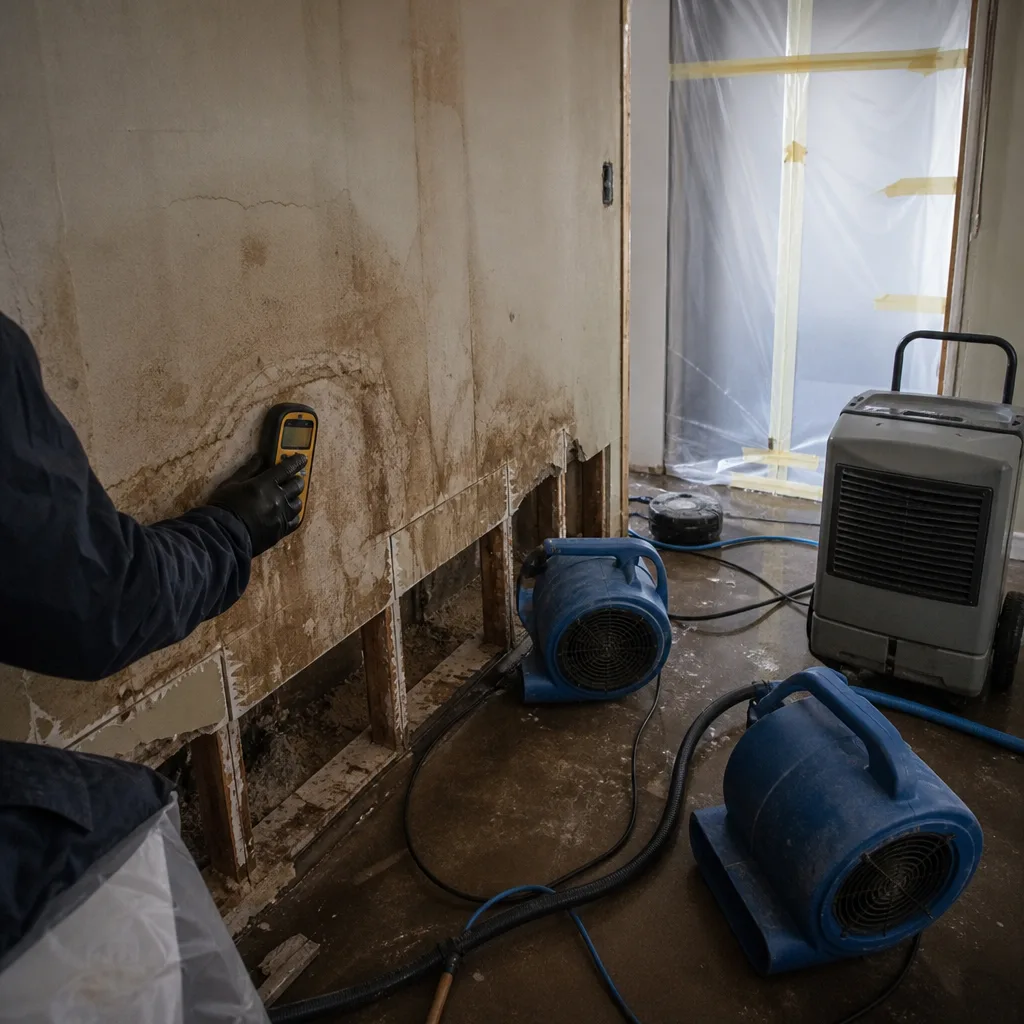 Before
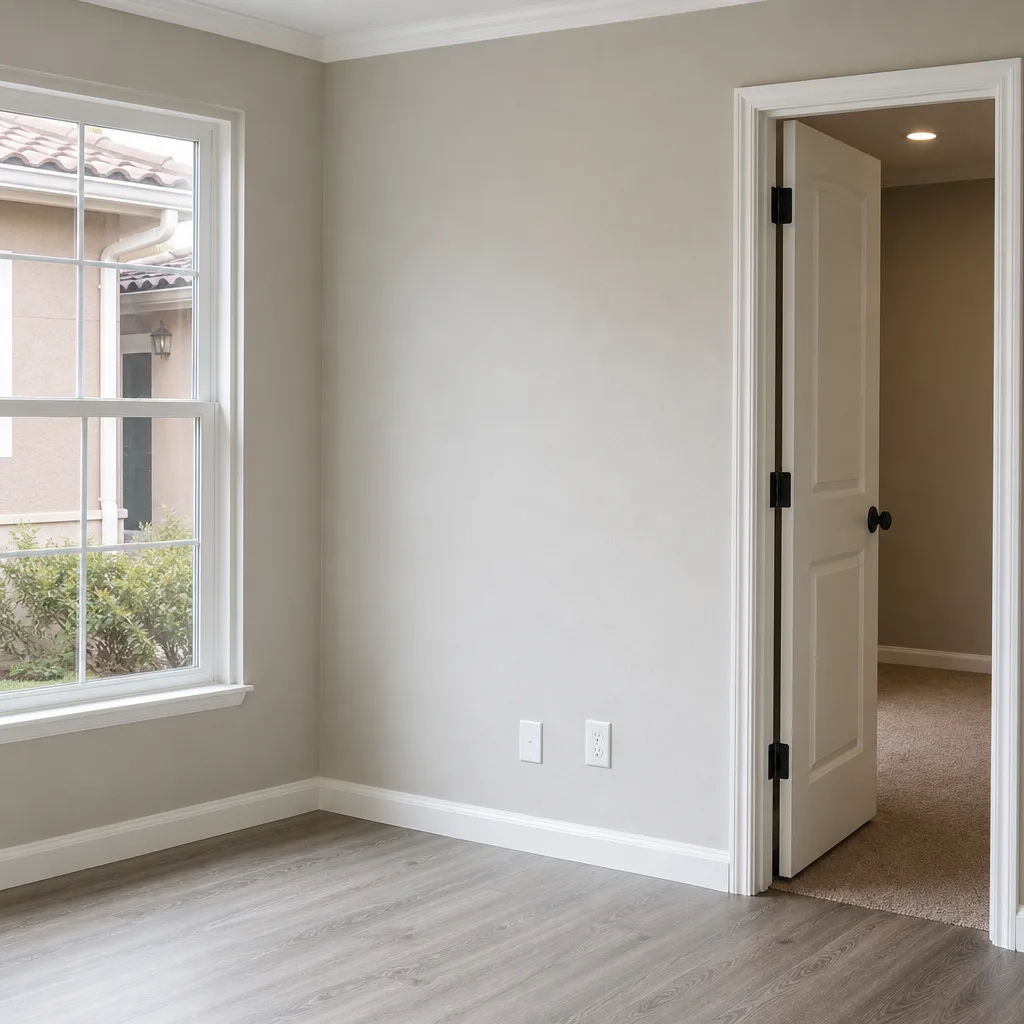 After
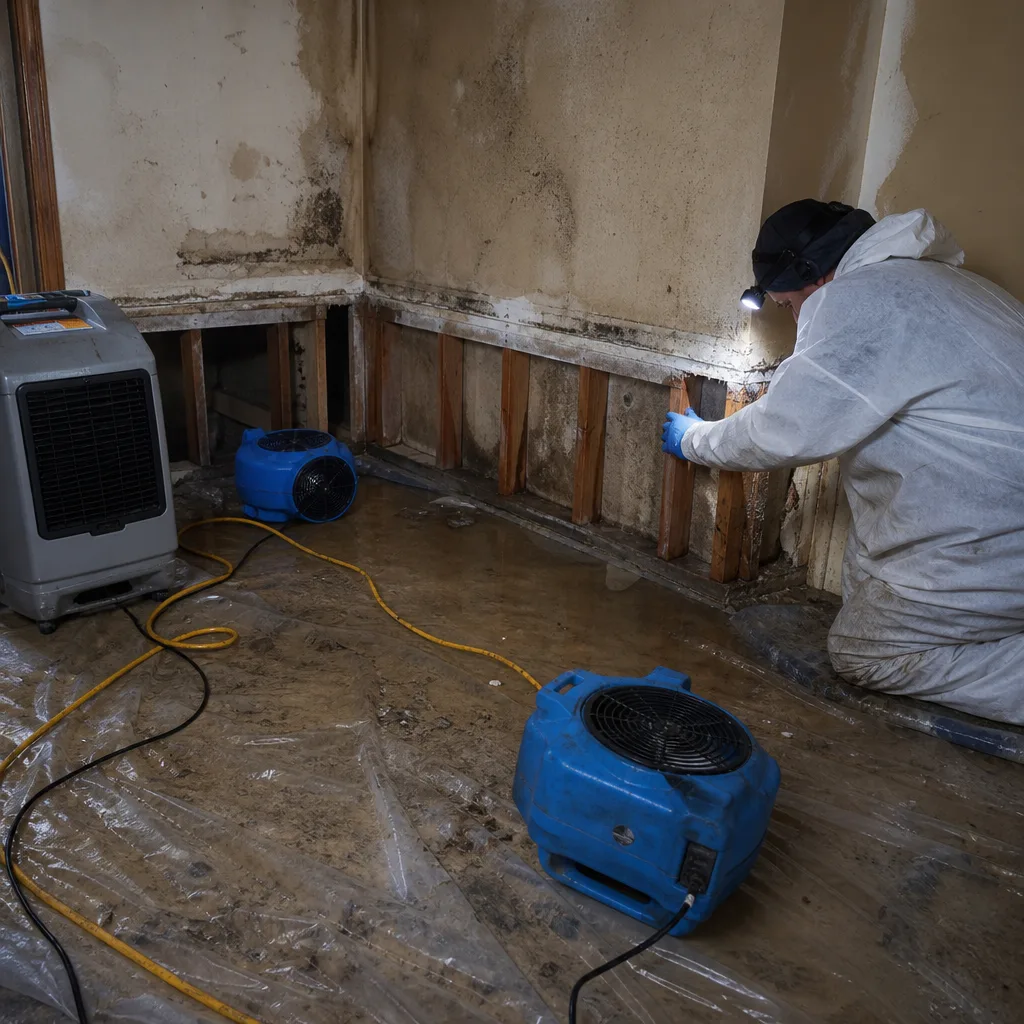 Before
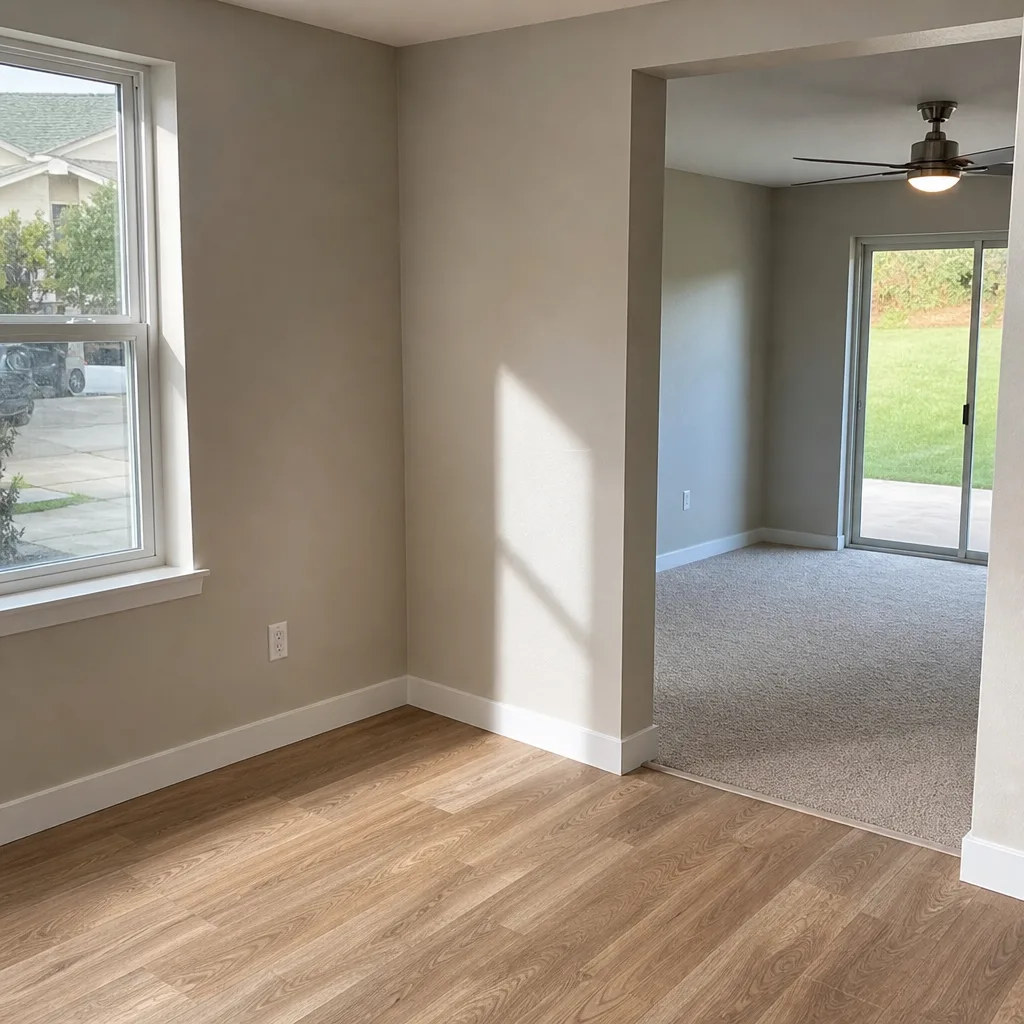 After
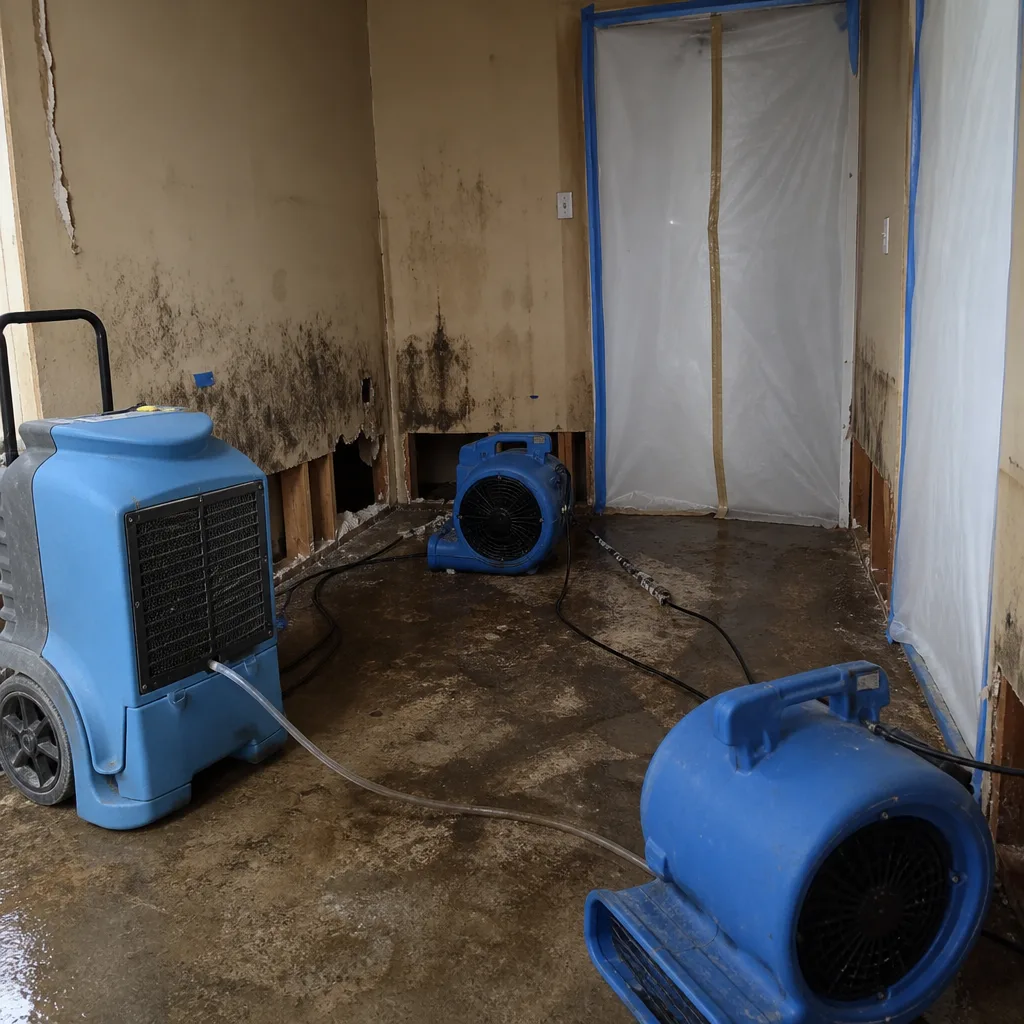 Before
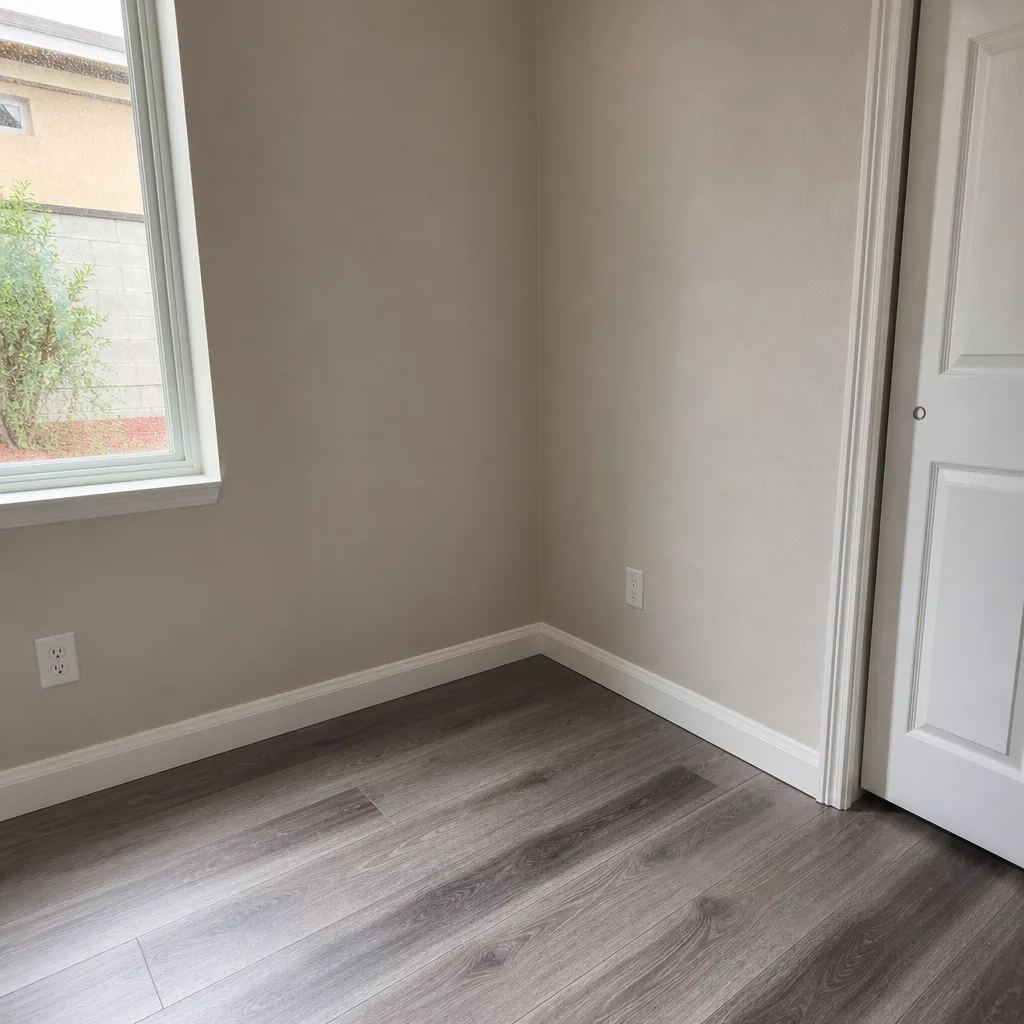 After
Common Mold Remediation Problems We See in Lakeland Village Homes
- Water behind original 1970s – 80s siding. Lakeland Village has hundreds of single-story tract homes and manufactured houses still wearing their original siding, and once water gets behind it, the framing stays wet for months. Mold grows along baseplates and inside wall cavities, often invisible from the living space until the smell gives it away.
- Lake-bloom odor mistaken for active mold. Seasonal algae blooms on Lake Elsinore throw a musty, sulfurous odor that drifts into homes near the shore. We regularly inspect homes where the smell is the lake, not mold, and the right fix is ventilation and moisture control, not remediation.
- Slow leaks from original plumbing. Copper supply lines and old angle stops in 1970s and 80s homes fail slowly, and the leak wicks into drywall and subfloor long before anyone sees a puddle. By the time the stain appears, the cavity behind it is often colonized.
- Manufactured homes with water under siding. Manufactured houses in Lakeland Village are especially vulnerable to moisture trapped between the exterior and the interior wall panels. The water category and the way the wall is built changes how we approach drying and whether materials can be saved or need removal.
Pricing for Mold Remediation in Lakeland Village, CA
Mold remediation in Lakeland Village ranges from about $1,500 for a contained small-area removal to $6,000 or more when growth has spread through multiple rooms or into wall cavities. A standalone mold inspection runs $300 to $600. If you catch a slow leak early and only need targeted drying with Injectidry systems, you’re often at the lower end of that range. The big cost drivers here are how many rooms are affected, whether the framing is wet, and how much drywall has to come out. We give you a written scope before any work starts, and estimates are free. Call (844) 878-6356 for an exact number on your situation.
We Also Serve Cities Near Lakeland Village
Fresh Start Water Damage serves Mold Remediation in Lakeland Village and the surrounding lakeshore communities, including Sedco Hills, Canyon Lake, Meadowbrook, and Wildomar. If you’re in one of those areas and dealing with a musty smell, old plumbing, or lake humidity problems, call (844) 878-6356. The same crew, the same equipment, and the same written scope apply.
Serving Lakeland Village, CA — Our Local Coverage Area
We’re based in the Lakeland Village area and know this community well. Use the map below to see our service coverage — if you’re nearby, we can almost certainly help.
FAQs About Mold Remediation in Lakeland Village
It could be either, and the way to know is with moisture readings and a visual inspection of wall cavities and siding. Lake Elsinore’s algae blooms produce a genuinely musty, sometimes sulfurous odor that drifts into homes near the shore. But if the smell gets stronger when the air conditioner runs, after rain, or in one specific room, that leans toward active growth. Book an inspection at (844) 878-6356 and we’ll tell you which one you have without selling you a treatment you may not need.
In the humid, lake-adjacent conditions common around Lakeland Village, mold can begin colonizing wet drywall and framing within 24 to 48 hours after a slow leak saturates a cavity. That’s why we tell homeowners to treat any musty smell or unexplained staining as urgent. The faster the area is opened, dried, and treated, the less material ends up removed.
Because the persistent lakeshore humidity keeps wall cavities damp long after a surface spray dries. If the framing and baseplates are still wet, the antimicrobial treatment only handles what’s on the surface. The active moisture source remains, and the growth comes back inside the closed cavity. Proper remediation requires source removal, structural drying to pre-loss condition, and then treatment followed by clearance readings.
The best time is after the first heavy winter storm, when lake wind and rain expose leaks that dry weather hides. We also recommend a spring inspection for any homeowner who smelled the lake-bloom odor over the summer and wants to confirm it wasn’t something inside the walls. Call (844) 878-6356 to schedule either.
Yes. The water category (clean, gray, or black) dictates the level of containment, the extent of material removal, and the PPE our crew uses. In manufactured homes, water that’s been trapped under siding for weeks has usually degraded, and the wall construction means we may need to remove interior panels to dry the cavity properly. We’ll tell you the category after inspection and before any work begins.
Written by Nolan Hester, Owner at Fresh Start Water Damage, serving Lakeland Village and the Lake Elsinore shoreline since 2015.