


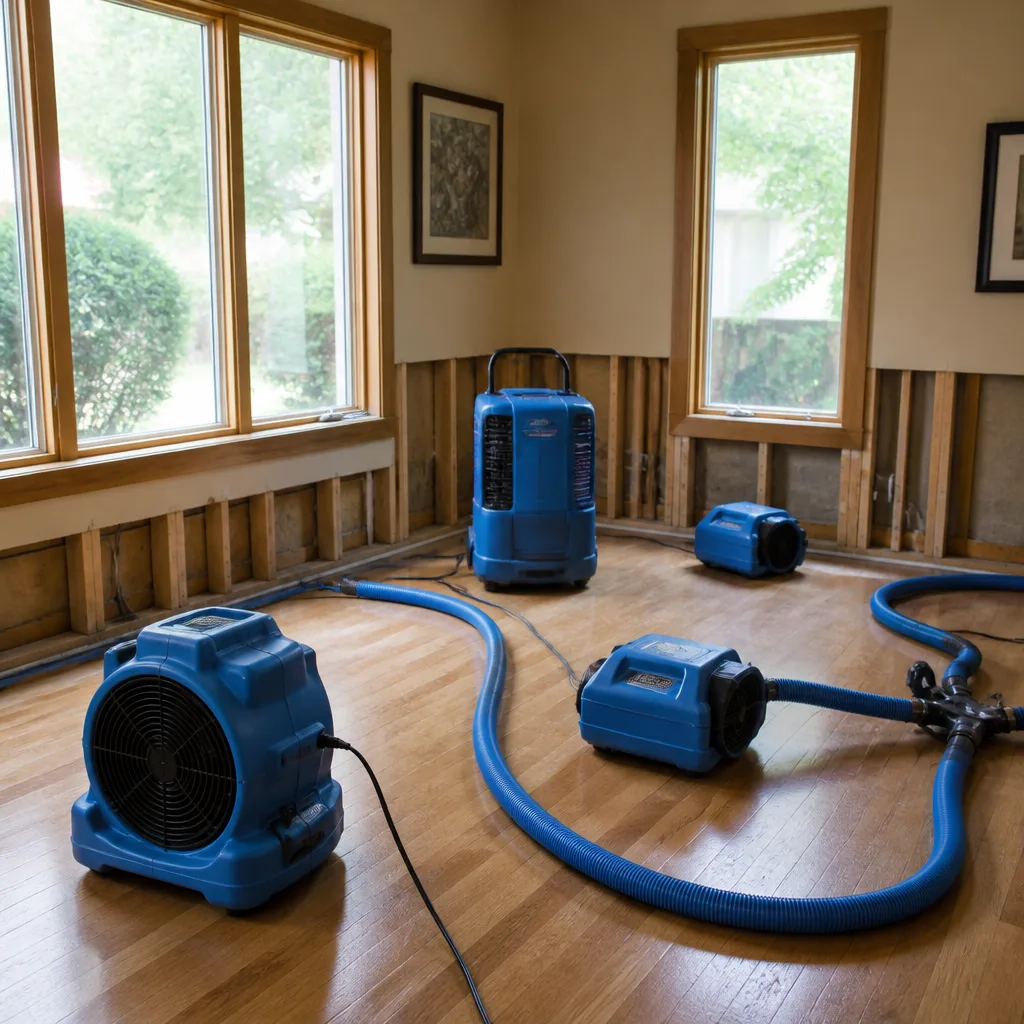
 Water damage drying
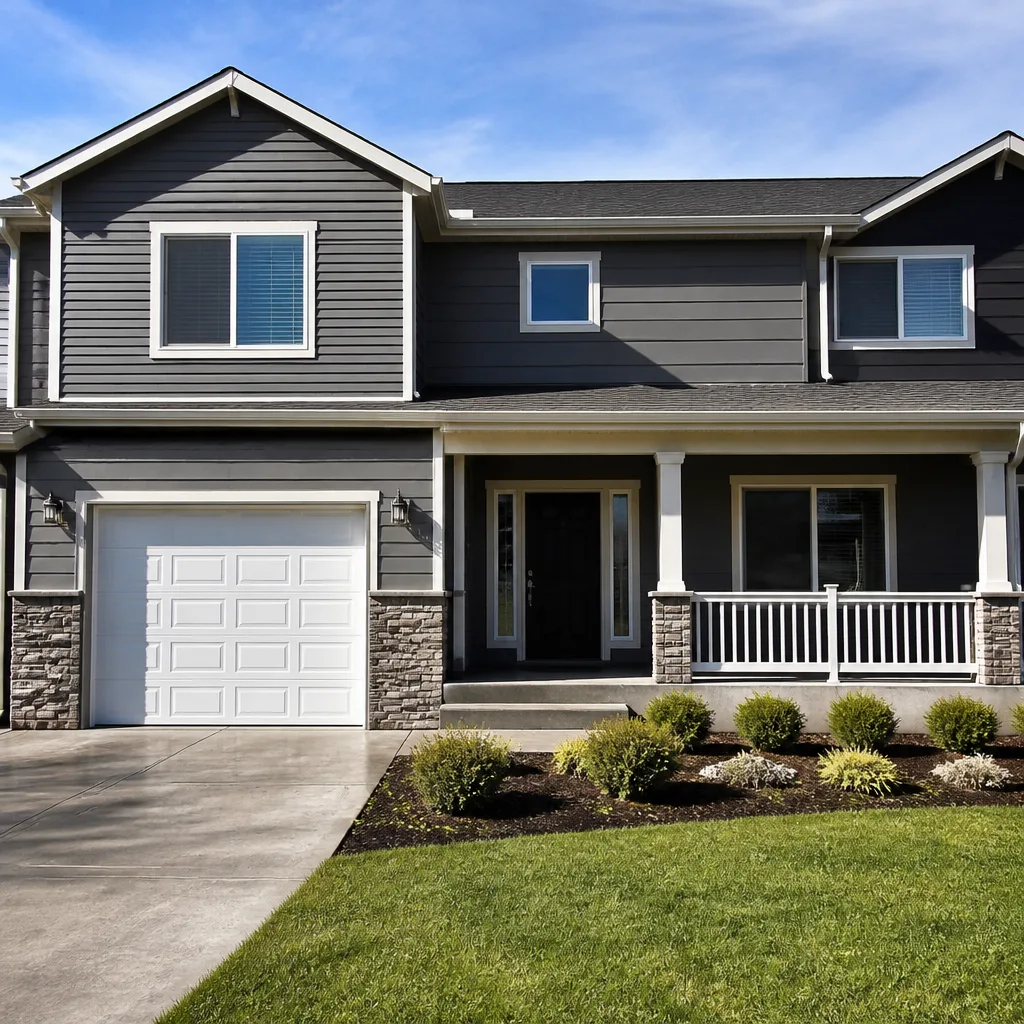 Fire & smoke cleanup
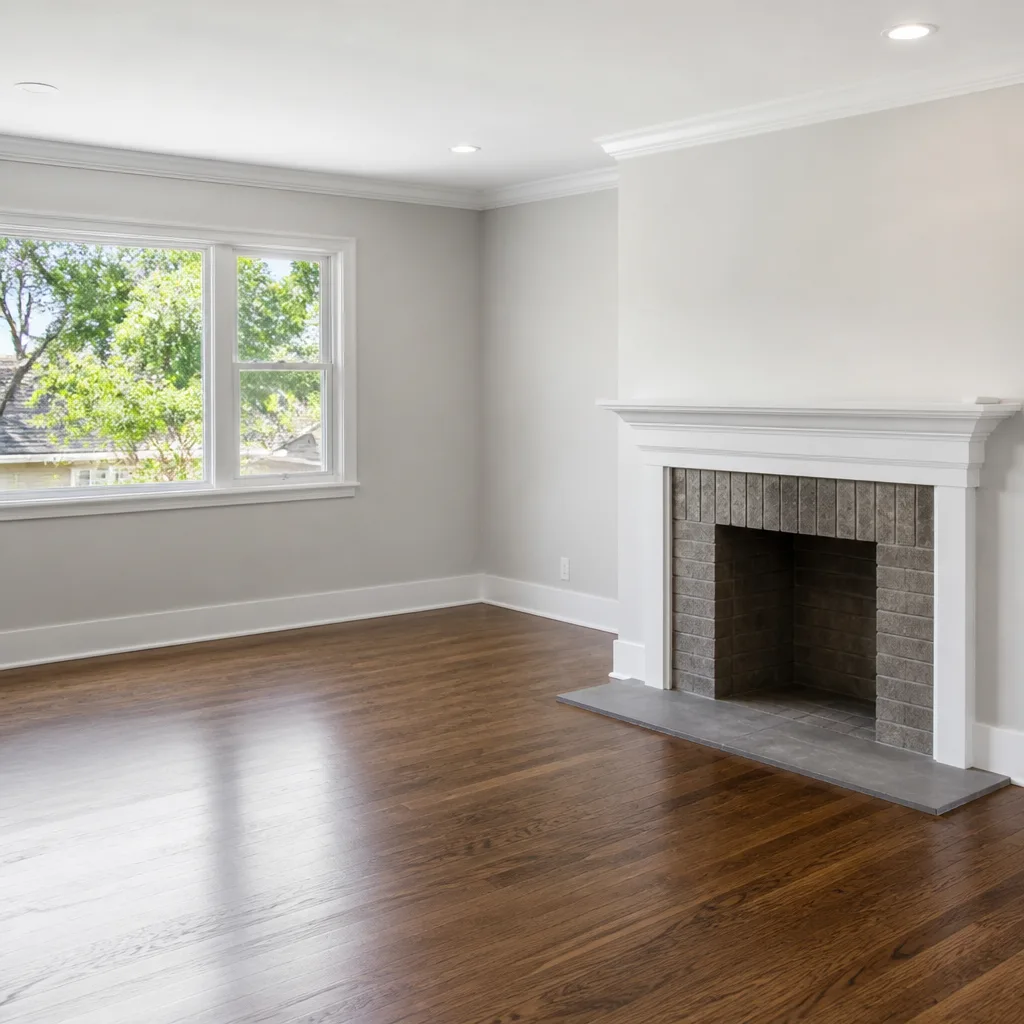 Mold remediation
 Storm response
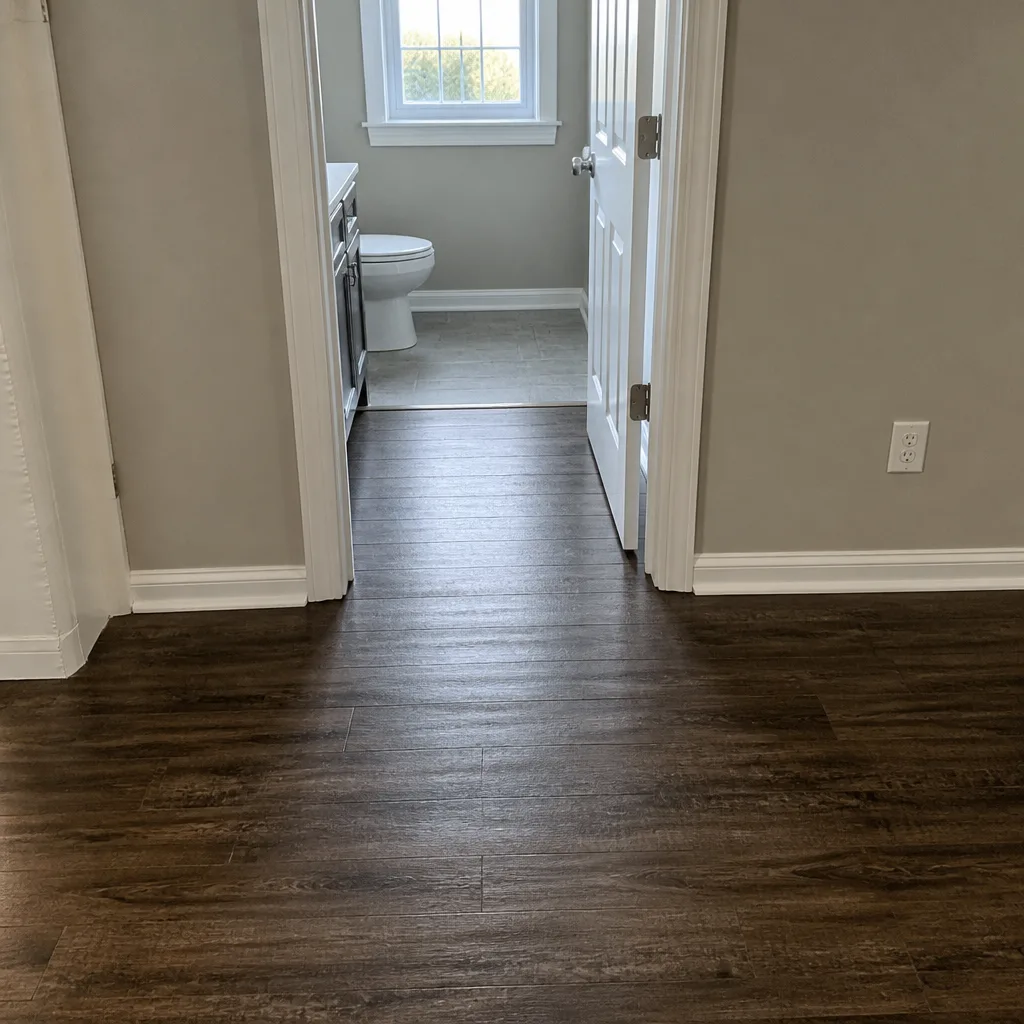 Sewage cleanup
 Reconstruction
Free visual inspection and a written scope of work before any mitigation begins - photos, moisture readings, and drying logs go in your claim file
The scope we write is the scope we bill. Anything new gets shown to you, in writing, before we touch it.
Get your free estimateFast, Reliable Water Damage Restoration Across Lakeland Village
Water damage restoration in Lakeland Village typically costs between $1,800 and $6,500 depending on the extent of the water intrusion, and most emergency extraction jobs can begin the same day you call. If you’re dealing with a burst pipe, slab leak, or storm flooding near Lake Elsinore, the first 24 hours matter more than any other factor in whether you’ll need minor drying or major tear-out. Our crews know the specific homes here, the humidity patterns off the lake, and the plumbing failures common to 1970s and 1980s construction. Call (844) 878-6356 and we’ll walk you through what you’re seeing before we even dispatch.
Why Fresh Start Water Damage Is Lakeland Village’s Preferred Water Damage Restoration Company
We’ve spent years working in Lakeland Village homes, and we know what happens after the first winter storm hits Lake Elsinore. Older single-story tract homes take on water in predictable places, and homeowners call us with the same worry: is this mold, or is it just the lake smell? That local familiarity is exactly what you need in a restoration company. You don’t want a crew that has to learn your neighborhood’s quirks while your drywall is soaking.
Our reputation in Lakeland Village has grown because we save people money by not doing unnecessary demolition. When you call, you get a systematic moisture assessment before anything gets torn out. We’re IICRC-certified, which means every technician follows the same inspection, cleaning, and drying standards that commercial restoration crews use. Nolan Hester, our founder, built Fresh Start on that principle: a real plan, not just a mop and a fan.
What does that mean for a Lakeland Village homeowner? When we arrive, we’re not guessing. We run moisture meters through walls, under flooring, and across ceilings. We map the water, not the smell. That distinction has saved more than a few local homeowners from paying for mold remediation they didn’t actually need.
Restoration work we handle
Water Mitigation in Lakeland Village
Water Mitigation in Lakeland Village is the first-line response that determines whether a water event becomes a full-blown restoration project or a contained drying job. The goal is simple: stop the water, remove what’s already there, and dry the structure fast enough to prevent secondary damage. In our experience, homes within a half-mile of Lake Elsinore’s shoreline dry slower than inland properties because of the ambient humidity, so our drying plans account for that from the first hour.
What Mitigation Actually Involves Here
A proper mitigation job in Lakeland Village starts with extraction. We use truck-mounted extractors and commercial air movers, not rental fans. Then we map moisture across every affected surface. In an older home with original drywall, we’re looking for hidden channels where water traveled behind baseboards or under vinyl flooring. Skipping that step is how you end up with a musty smell three weeks later and a mold colony behind the wall.
When Lakeland Village Homeowners Need It
The most common trigger is a supply line failure in a home built before 1990. Polybutylene and failing copper fittings show up a lot in this ZIP code. We also see roof leaks after the first serious winter rain, when decades-old flashing finally gives way. If you can see water where it shouldn’t be, or hear a hiss behind a wall, you need mitigation now, not in the morning. A typical water mitigation job in Lakeland Village runs $1,800 to $4,200 for a single room or hallway.
Flooded Basement in Lakeland Village
A Flooded Basement in Lakeland Village is less common than in some areas because most 1970s and 1980s tract homes here are built slab-on-grade. But for the manufactured homes and a few older properties with crawl spaces or converted garages, lake-adjacent flooding is a real risk during El Niño winters. When standing water reaches 2 inches or more in an enclosed space, it’s no longer a cleanup; it’s a restoration emergency with a limited window before structural materials start to fail.
How We Handle Standing Water
We extract the water first, then remove any saturated carpet pad or insulation that can’t be dried in place. In a flooded basement or sunken room, that usually means cutting drywall to the flood line plus 12 inches to expose the sill plate. For slab foundations, we check for hydrostatic pressure forcing water up through cracks. That’s a problem you’ll see in Lakeland Village homes near the lake when the water table rises after sustained rain.
What It Costs Locally
Flooded basement water removal and structural drying in Lakeland Village typically costs $2,500 to $6,500 depending on square footage and whether sewage is involved. Category 2 water, the kind from a slab leak or washing machine overflow, costs less to clean than category 3, but both require professional drying equipment. We use Dri-Eaz and B-Air systems that move air the way a consumer fan cannot.

Trusted Brands We Service in Lakeland Village
Across Lakeland Village, we service the full range of water damage scenarios with equipment you won’t find on a rental truck. We run XPOWER air movers for high-volume airflow in large spaces and B-Air units for targeted wall and floor drying. Every applicable job includes an Injectidry system, which dries wall cavities and subfloors without opening them up. That’s the difference between a three-day dry and three weeks of demolition and rebuild. Since this is about drying your home, not just moving air through it, the specific gear matters. Most common parts and drying accessories stay on our trucks, so when a job in the 92530 ZIP code needs a second day of drying, we’re already equipped for it.
See the difference
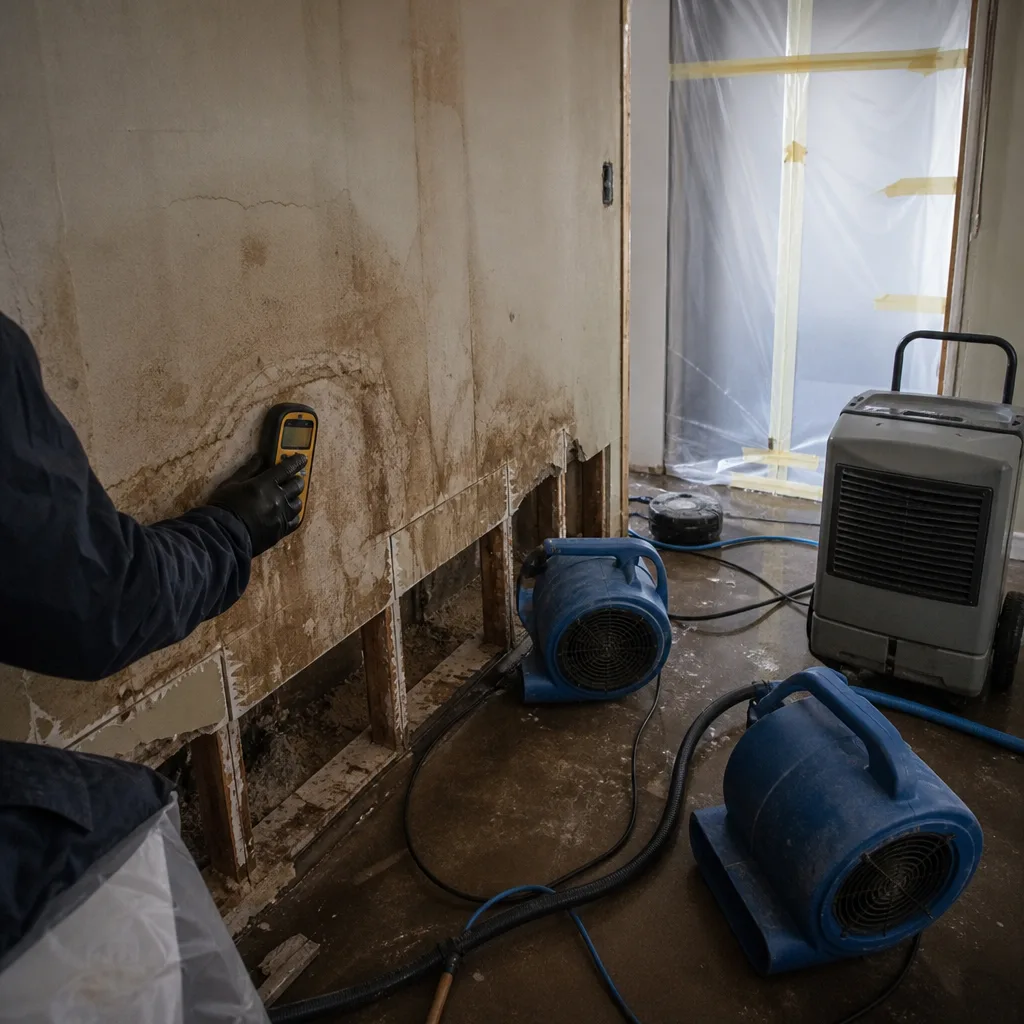 Before
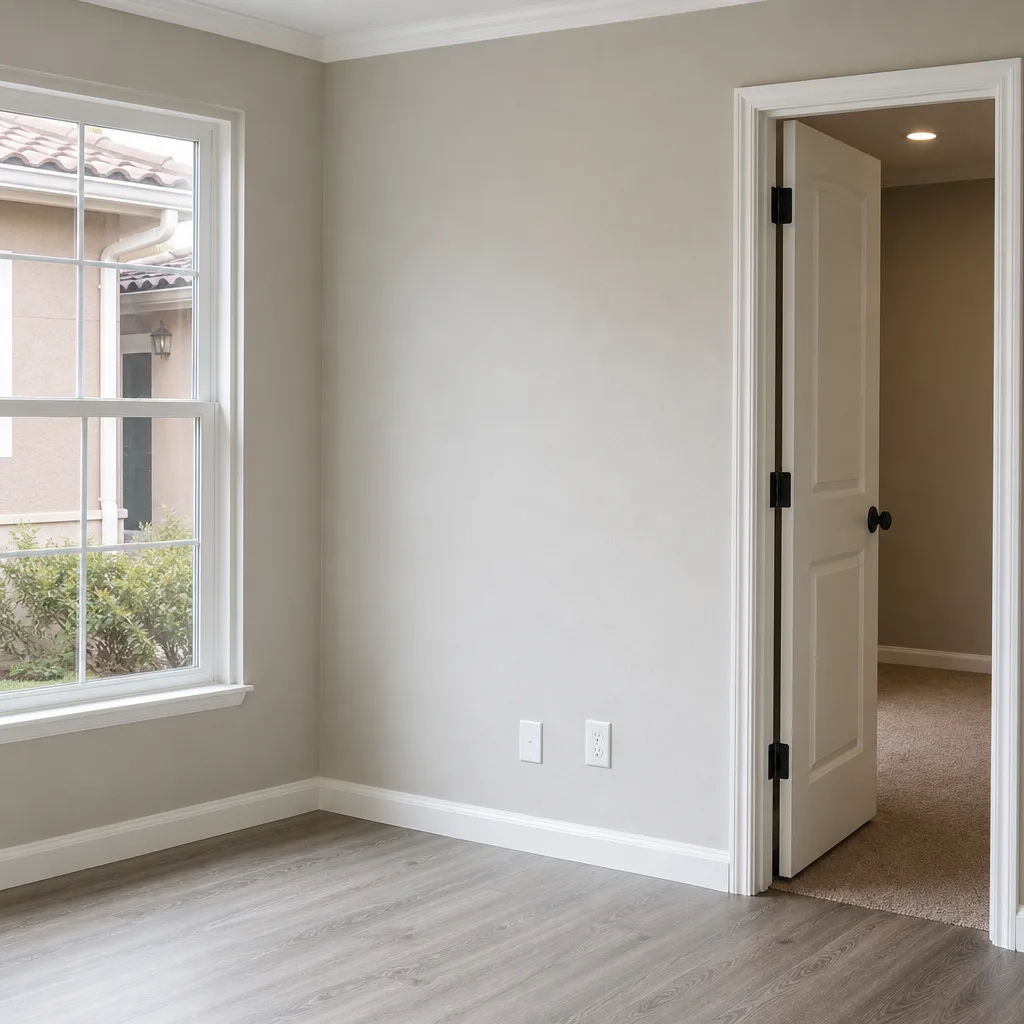 After
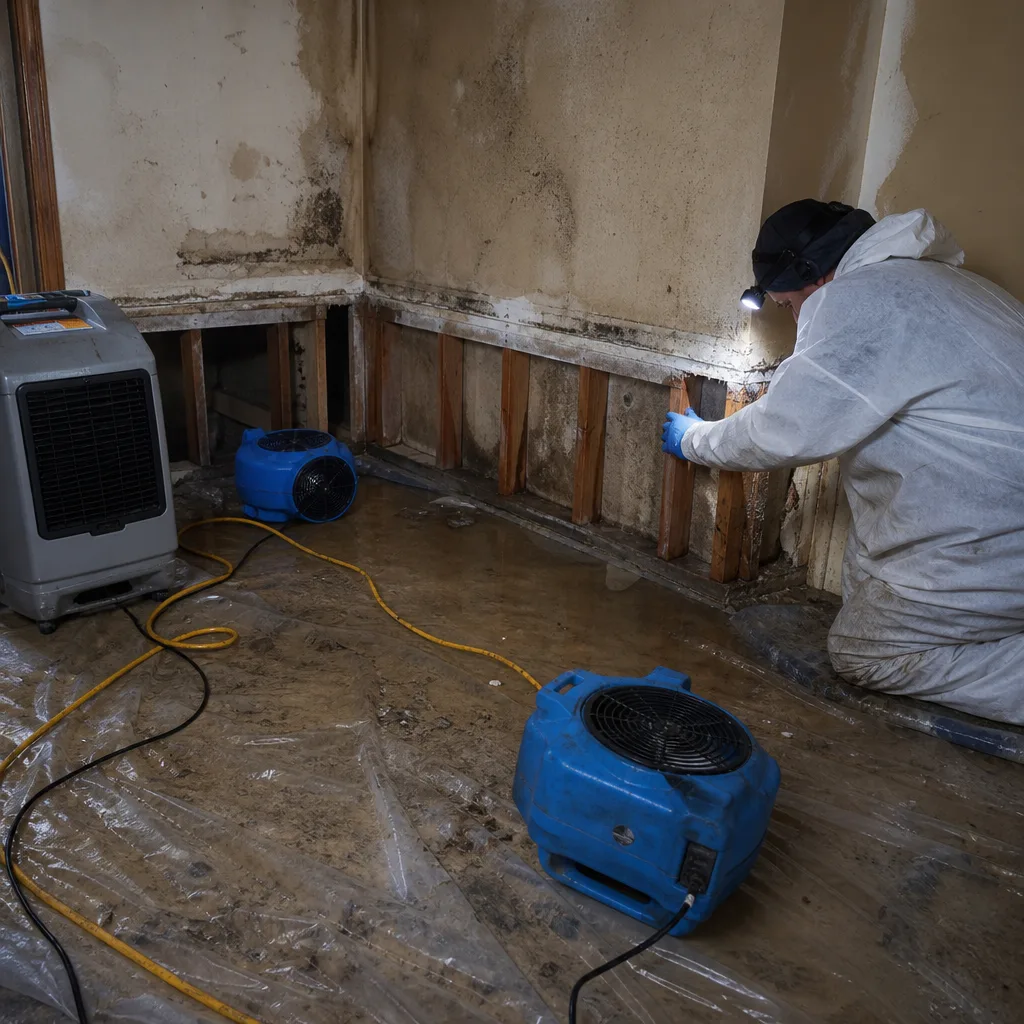 Before
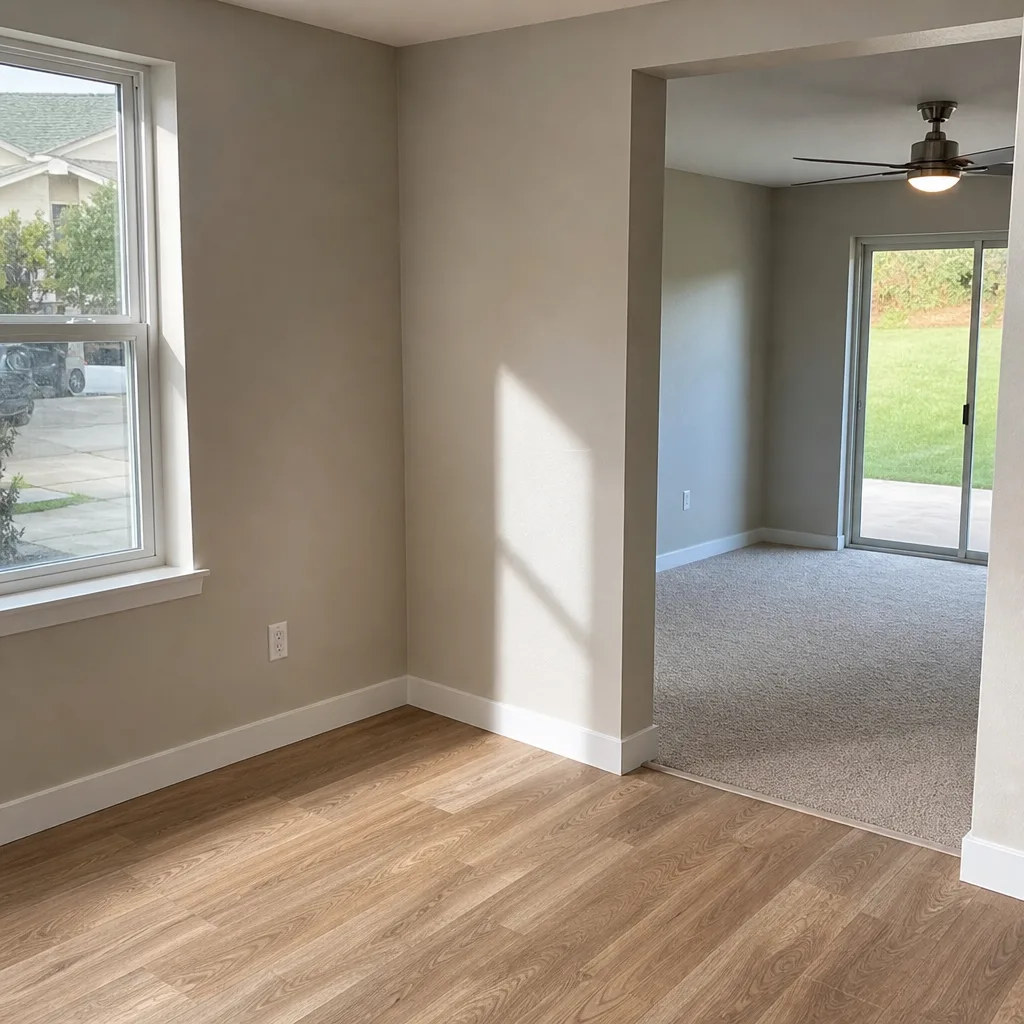 After
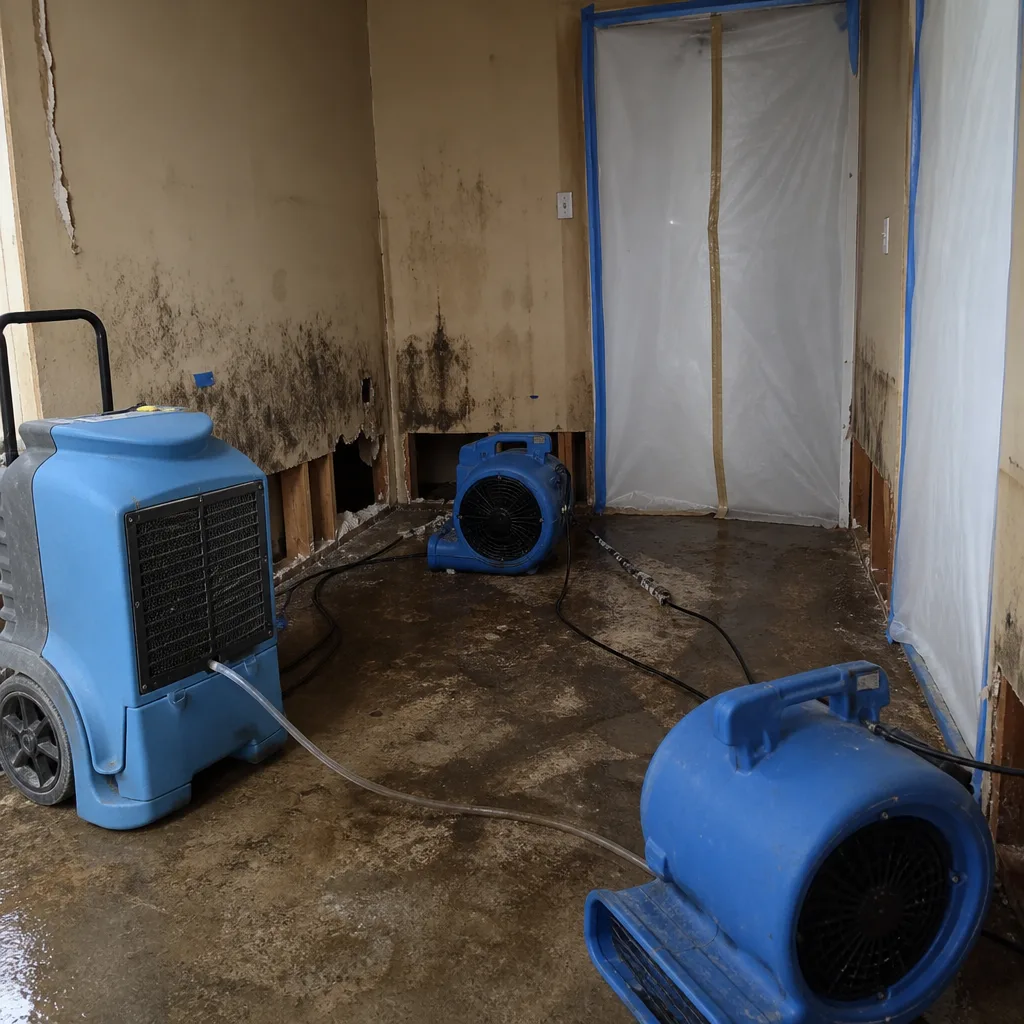 Before
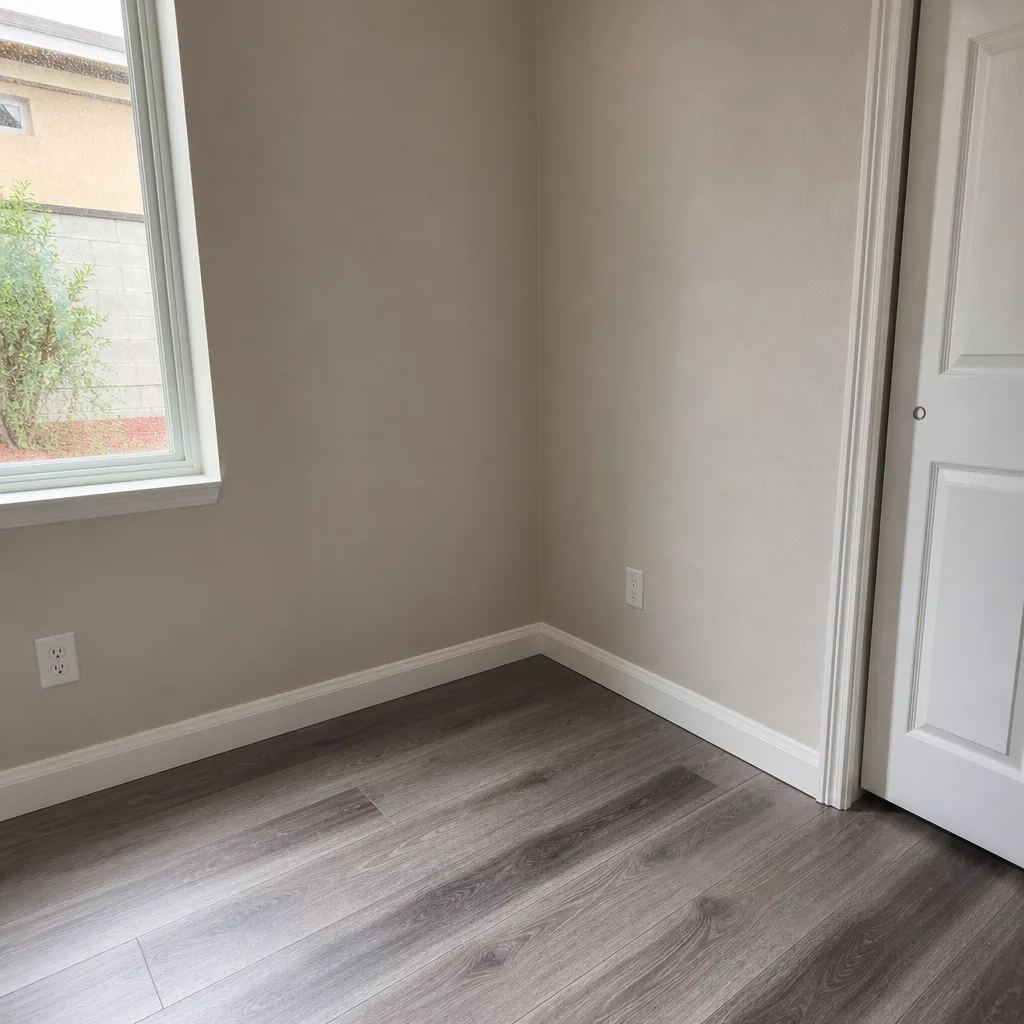 After
Common Water Damage Restoration Problems We See in Lakeland Village Homes
- Slab leaks in original plumbing: Most Lakeland Village homes still run the copper or polybutylene they were built with. We regularly find slow pinhole leaks under the slab that send category 2 water into hallways and closets before anyone notices. By the time a homeowner sees discoloration on the flooring, the leak has usually been active for weeks.
- Algal bloom odors mistaken for mold: Seasonal blooms on Lake Elsinore release musty compounds that settle into drywall and carpet. Homeowners call us convinced they have a mold problem. Our first step is moisture mapping to determine whether there’s actual water damage or just the lake’s odor signature. That one test prevents thousands in unnecessary remediation.
- Roof leaks after the first winter storm: The region’s hot, dry summers bake roof flashing, then heavy winter rains find every weak point. In Lakeland Village’s older single-story homes, we see water running down interior walls from failed flashing around vents and skylights. The best time to inspect is right after that first storm, when the leak is active and traceable.
- Secondary mold growth from slow drying: Lake-adjacent humidity means a wet wall in Lakeland Village grows mold faster than the same wall in Wildomar or Meadowbrook. If a restoration plan doesn’t account for the humidity, secondary damage appears within 24 to 48 hours. Our drying plans use moisture readings, not time elapsed, to determine when a structure is actually dry.
A Field Note From Our Crews
After a winter storm, we were called to a 1970s single-story home near the lake where the original plumbing had failed under the slab, sending category 2 water into the hallway and closet. Our crew performed water extraction, set up air movers and dehumidification, and used moisture readings to confirm the chlorine smell was from the lake’s algal bloom, not mold, so we avoided unnecessary containment and pack-out. The homeowners were relieved we could save the original drywall and only replace the damaged baseboards.
Pricing for Water Damage Restoration in Lakeland Village, CA
Here’s what we see in the 92530 market. Emergency water extraction alone runs $800 to $1,800 for a single room. Full water mitigation with structural drying typically lands between $1,800 and $4,200. A flooded basement or multi-room water event runs $2,500 to $6,500. What moves the number is category of water, square footage affected, and whether we need to remove drywall or flooring. Your insurance adjuster will recognize every line item, and we document everything with photos. Estimates are free, and we’ll give you a written scope before any work starts. Call (844) 878-6356 to get an exact number for your situation.
We Also Serve Cities Near Lakeland Village
While this page focuses on Lakeland Village, our Water Damage Restoration team also works in Sedco Hills, Canyon Lake, Meadowbrook, and Wildomar. Same IICRC-certified process, same commercial-grade equipment, same written scope before work begins. If you’re in a neighboring community along the lake, call us and we’ll tell you how quickly we can be at your door.
Serving Lakeland Village, CA — Our Local Coverage Area
We’re based in the Lakeland Village area and know this community well. Use the map below to see our service coverage — if you’re nearby, we can almost certainly help.
FAQs About Water Damage Restoration in Lakeland Village
We use moisture meters and infrared cameras to check for actual water damage behind walls, under flooring, and inside wall cavities. If the materials are dry and the odor follows the bloom season, it’s most likely the lake. If we find elevated moisture, then we’ll scope for mold. This assessment takes about 30 minutes and prevents homeowners from paying for mold remediation they don’t need. Call (844) 878-6356 and we’ll schedule it.
Look for discoloration along baseboards, a sudden warm spot on concrete flooring, the sound of running water when no fixtures are on, or a persistent musty smell that doesn’t go away when the bloom subsides. In slab-on-grade homes, the first sign is often a water stain spreading from under a wall. If you see any of these, don’t wait. Water spreads under flooring faster than people expect.
The proximity to Lake Elsinore raises ambient humidity, which means building materials dry slower and mold colonization starts sooner after water exposure. The same wet drywall that might dry safely in Wildomar can become a mold problem in Lakeland Village within 24 to 48 hours. Restoration plans here must account for that humidity difference from day one.
Water mitigation is the initial emergency response: extraction, moisture mapping, and drying. Flooded basement restoration includes mitigation but goes further, often requiring removal of saturated materials, possible drain or sump system review, and rebuilding of the affected space. In Lakeland Village, most foundation types don’t include basements, so what we’re usually mitigating is a converted garage or a sunken living area. The cost and timeline differ meaningfully, and we’ll walk you through which one applies to your situation.
Yes. Fresh Start Water Damage is IICRC-certified, and every job in Lakeland Village follows the IICRC S500 standard for water damage restoration. That means we use established protocols for water category classification, drying chamber setup, and moisture verification. The standard is what separates professional restoration from a handyman with a wet vac. We’re also affiliated with the RIA and IFA, which keeps our training current as standards evolve.
Written by Nolan Hester, Owner at Fresh Start Water Damage, serving Lakeland Village and the Lake Elsinore area since day one.