

Last updated October 30, 2026
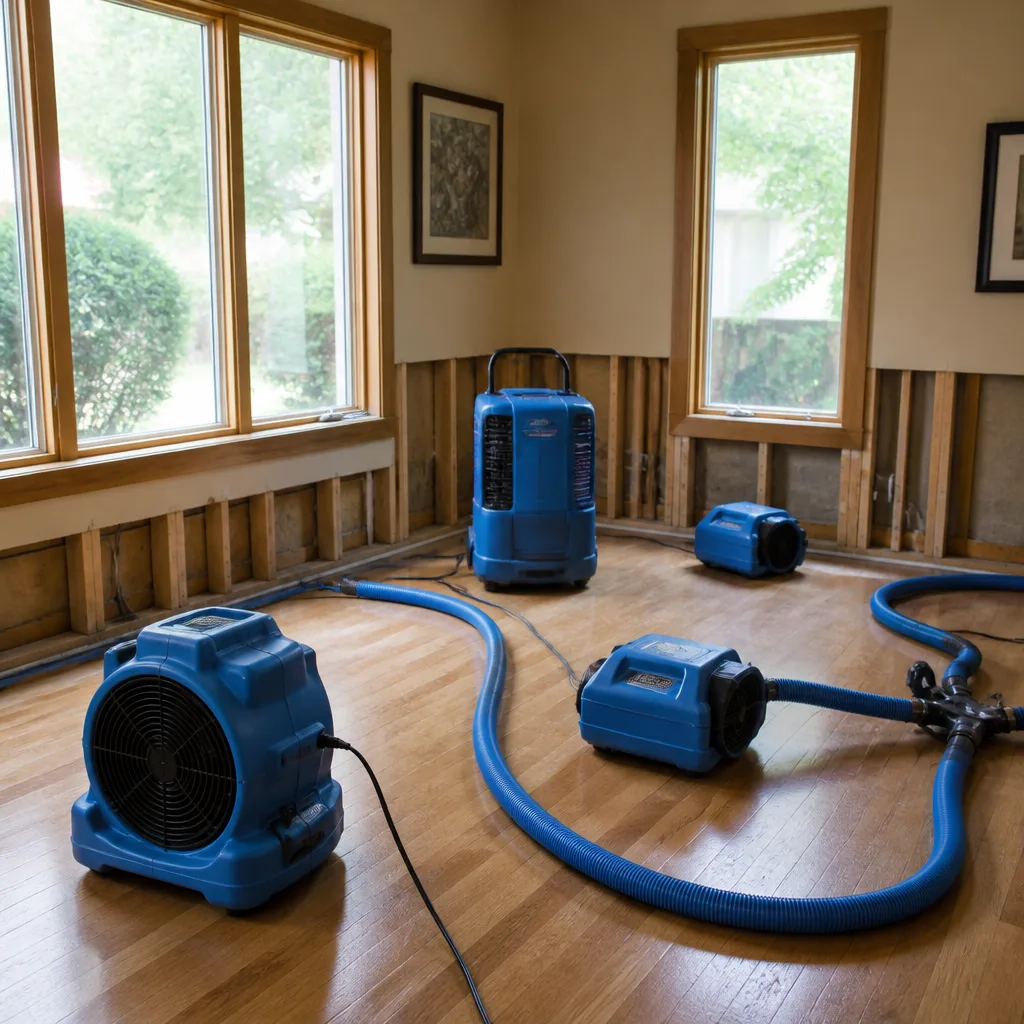 Water damage drying
 Fire & smoke cleanup
 Mold remediation
 Storm response
 Sewage cleanup
 Reconstruction
Free visual inspection and a written scope of work before any mitigation begins - photos, moisture readings, and drying logs go in your claim file
The scope we write is the scope we bill. Anything new gets shown to you, in writing, before we touch it.
Get your free estimateDIY vs Professional Damage Restoration: The Temecula Homeowner’s Decision Guide
Here’s the part nobody tells you when a supply line lets go at 2 a.m. in Murrieta or a monsoon-season gutter overflow soaks your Temecula drywall: the single most expensive decision you’ll make isn’t which repair method to use. It’s who does the drying, and whether that drying meets a documentation standard your insurer will accept eighteen months from now. California law lets you pull your own permit and do your own restoration work. But if your DIY dry-out leaves wood at 19% moisture content instead of the IICRC S500 standard of 16% or below, and mold appears next spring, your insurer can deny the claim as inadequate prior remediation. And you’ll have no paper trail to fight it. This guide maps the exact line between what you can safely handle yourself, what you should never touch, and where the insurance math quietly decides for you. For a deeper dive into contractor selection, see our How to Hire a Damage Restoration Contractor in Temecula: A Step-by-Step Guide.
Restoration work we handle
Quick Answer
DIY damage restoration in Temecula is defensible only when three conditions all hold: the affected area is under roughly 40 square feet, no wall cavities or subfloor got wet, and you are not filing an insurance claim. Anything larger, structural, or claim-adjacent should involve an IICRC-certified professional, because the moisture documentation and equipment performance floor that insurers and future buyers expect cannot be hit with rental-grade gear and no third-party verification. If you’re unsure which bucket you’re in, a free phone assessment from Fresh Start Water Damage home costs nothing and takes ten minutes.
Table of Contents
- The 16% Rule: Moisture Thresholds That Decide Everything
- When DIY Is Defensible: The Three Conditions
- The Equipment Math Nobody Puts in a Blog Post
- The Claim Problem: How DIY Drying Becomes a Coverage Denial
- The Demolition Trap: Asbestos, Mold, and HEPA Containment
- The Five-Question Decision Flowchart
- Mold Math: Why Remediation Is Not a DIY Category
- Fire Damage Is Never DIY: The Chemistry You Can’t See
- Common Mistakes to Avoid
- When to Call a Professional
- Frequently Asked Questions
- The Bottom Line
The 16% Rule: Moisture Thresholds That Decide Everything
The entire DIY-versus-professional debate in water damage collapses into one number: 16% wood moisture content. That’s the maximum residual moisture level allowed under the IICRC S500 Standard for Professional Water Damage Restoration before reconstruction can safely begin. Below 16%, wood is considered dry enough that mold colonies cannot sustain growth on the material surface. Above it, even for a week or two, and dormant spores will activate given the right temperature band, which in Temecula’s inland valleys runs from the high 80s to low 90s for six months of the year.
Here’s what the number means in practice. A water event in a newer French Valley home with modern engineered trusses might soak the bottom plates of several interior walls. A consumer-grade moisture meter from a hardware store will read surface dampness. But a professional uses a penetrating meter with pins driven into the wood, because surface readings lie after the drywall paper wicks moisture outward while the core of the stud remains saturated. In our experience, the single most common DIY failure mode we’re called to remediate is a drywall cavity that looked dry on the painted surface and measured 22% at the stud core three weeks later.
Why the documentation matters as much as the drying: without a calibrated moisture meter log showing measurements from multiple depths over multiple days, you have no evidence the structure was actually dried to S500 standards. An insurer’s adjuster, a home inspector during a sale, or a mold remediation firm doing a post-remediation verification will all ask for those readings. A homeowner’s verbal assurance that “it felt dry” does not exist as a defensible data point in a claim file or a disclosure packet.
When DIY Is Defensible: The Three Conditions
We’re not here to tell you that every wet carpet requires a six-person crew. There are real scenarios where a competent Temecula homeowner can handle the response without professional equipment. But the conditions are narrow, and honest self-assessment is the difference between a $40 fix and a $40,000 remediation.
The three conditions that all must be true:
- The affected area is under roughly 40 square feet. That’s a small bathroom floor, a kitchen floor section under a sink leak, a closet. Once the water footprint crosses that threshold, drying math starts working against you because the ambient humidity load from a larger wet surface exceeds what residential fans can push out through open windows in Temecula’s typically dry air.
- No wall cavities, subfloor, or crawlspace materials absorbed water. If water ran along a baseboard and under a wall, if it seeped through tile grout into the subfloor, or if it pooled in a crawlspace, you no longer have a surface-drying problem. You have a concealed-cavity drying problem, and the spaces you cannot see or physically access will hold moisture for weeks.
- No insurance claim is being filed. This is the condition most guides skip. If you file a claim on this loss, you are now in a contractual relationship where the insurer has the right to evaluate whether the remediation was adequate. If you did the drying yourself and later have a mold claim arising from the same area, the prior DIY work becomes the basis for a denial. More on that in the claim section below.
If even one of those three conditions fails, the math changes. Temecula’s housing stock is a mix of 1980s and 1990s production builds in Redhawk and Paseo del Sol and newer construction in Harveston and Sommers Bend. The older homes have more vulnerable building assemblies: single-pane window weep failures, unsealed wall base plates, and slab-on-grade foundation transitions that wick water upward. Our Seasonal Damage Restoration Care for Temecula: Year-Round Homeowner’s Guide covers how these vulnerabilities shift with the seasons. A water event in a 1992 Redhawk tract home will almost never qualify under the 40-square-foot rule once that wicking starts.
The Equipment Math Nobody Puts in a Blog Post
Let’s be specific about costs, because most DIY-versus-pro articles wave vaguely at “equipment rental” without doing the arithmetic. We’re going to do it.
A medium bedroom of 180 square feet that has taken water from a roof leak, with saturated carpet pad and wet drywall up to 18 inches, needs the following to dry under S500 timelines:
- 2 to 3 industrial-grade dehumidifiers running continuously for 3 to 5 days
- 4 to 6 high-velocity air movers positioned for directed airflow across wet surfaces
- 1 HEPA air scrubber if any mold is suspected or if the home was built before 1978 and demolition might disturb lead paint dust
The rental math: industrial dehumidifiers suitable for this job rent for $120 to $180 per day per unit in the Temecula market. Air movers typically run $25 to $40 per day per unit. A HEPA scrubber adds $75 to $120 daily. Run the arithmetic for a room needing 3 dehumidifiers, 5 air movers, and 1 scrubber over 4 days: that’s roughly $360 to $540 per day in dehumidifier costs alone, plus $125 to $200 for air movers, plus $75 to $120 for the scrubber. Total: $560 to $860 per day, or about $2,240 to $3,440 for a four-day dry-out. And that’s before you account for the moisture meter, the personal protective equipment, and the electricity surge from running three dehumidifiers rated at 7 to 9 amps each continuously for 96 hours.
Professional restoration firms don’t pay those rental rates, because they own the equipment. A company running Dri-Eaz and Phoenix dehumidifiers and XPOWER air movers has already amortized those units across hundreds of jobs. The equipment cost differential is why the quote from a professional often lands within a few hundred dollars of a serious DIY attempt that actually uses the right gear. But the professional also arrives with liability insurance, IICRC-certified technicians, and the documentation flow your insurer expects to see. The Dri-Eaz and Phoenix units used by certified restoration firms produce drying performance metrics that rental yards cannot provide.
The Claim Problem: How DIY Drying Becomes a Coverage Denial
The insurance angle is where the DIY calculus genuinely collapses for most homeowners. Here’s the sequence that plays out in Temecula and every other California city:
- A supply line fails under a Wolf Creek kitchen sink on a Sunday afternoon. Water pools across engineered hardwood flooring, soaks the toe-kick area, and wicks under the baseboards in an open-concept living area.
- The homeowner files a claim, mops up the visible water, sets up fans from Home Depot, and sends the adjuster photos after things “look dry.” The claim pays for cosmetic repairs only, because no professional drying documentation was submitted.
- Eighteen months later, the homeowner finds black staining behind the baseboards. Mold has been growing in the wall cavities the entire time, feeding on residual moisture that the fans pushed deeper into the assembly, not out through the envelope.
- The homeowner files a new mold claim. The insurer’s mold exclusion or limitation rider triggers. The insurer asks for evidence that the original water event was remediated to IICRC S500 standards. The homeowner has Home Depot receipts for fans and a $39 moisture meter that was never calibrated. The claim is denied on the basis of inadequate prior remediation.
We have watched this exact sequence unfold. The denial doesn’t happen because the homeowner is incompetent. It happens because the standard of proof is a documentation threshold, not a sincerity threshold. A Phoenix dehumidifier’s daily performance log, an XPOWER air mover placement diagram, a technician’s daily moisture map with pin-meter readings at multiple depths: these are the artifacts that prove a professional standard was met. They also happen to be the artifacts that insurance companies require before they’ll pay for structural drying on the front end.
If you’re a property manager with a rental in Temecula or a VRBO in wine country, the exposure is worse. A tenant or guest who experiences a water event, followed by mold, followed by health complaints, creates a liability nexus that no homeowner-performed drying job can defend. The professional standard exists for a reason, and in litigation, the standard is what the court looks at.
The Demolition Trap: Asbestos, Mold, and HEPA Containment
There’s a specific DIY action that converts a manageable water loss into a mandatory professional remediation faster than anything else we see: cutting into wet drywall or pulling up flooring without HEPA containment or a pre-demolition material assessment.
Here’s the chemistry and the law. Homes built before 1978 have a meaningful chance of containing asbestos in joint compound, textured ceiling treatments, or vinyl flooring adhesive. Homes built into the 1980s can still carry asbestos in some materials. When you cut into those materials without negative air pressure containment, you aerosolize fibers that then contaminate the whole house. A water loss that should have cost $2,500 in professional drying becomes a six-figure asbestos abatement plus full-contents decontamination.
The mold version of this trap is equally consequential. If mold spores are confirmed or suspected in a wet cavity, any disturbance without HEPA containment spreads those spores to uncontaminated areas. You’ve now expanded the remediation footprint by an order of magnitude, and you’ve created the conditions where an insurer will argue that the homeowner’s improper demolition caused the expansion, voiding coverage for the added scope. Proper containment involves negative air pressure, HEPA-filtered air scrubbers exhausting to the exterior, sealed doorways, and possibly a construction airlock. That is not a tarp and a box fan.
If your water event involves any of the following, do not start cutting: a home built before 1978, visible mold growth on the back side of drywall, water that sat for more than 48 hours before you discovered it, or any insulation that has gotten wet. In these scenarios, mold remediation in Temecula becomes the governing scope, not a self-managed dry-out.
The Five-Question Decision Flowchart
Print this section. Tape it inside a cabinet. When water shows up where it shouldn’t, run through these five questions in order. Each answer routes you to a clear directive.
Question 1: How long has the water been present?
Less than 24 hours? Continue to Question 2. More than 24 hours? Call a professional. Temecula’s average summer indoor temperatures accelerate mold activation dramatically. Sitting water past the 24-hour mark in a 75-degree interior has already begun the microbial growth cycle.
Question 2: Is the visible affected area under 40 square feet?
Yes? Continue to Question 3. No? Call an IICRC-certified restoration professional. Larger footprints require commercial drying systems and daily monitoring that rental equipment cannot reliably deliver.
Question 3: Has water touched walls, subfloor, crawlspace, or insulation?
No, strictly surface water on tile or concrete? Continue to Question 4. Yes? Call a professional. Concealed cavity moisture cannot be addressed with surface-drying methods, and any claim filed without professional documentation of concealed-cavity drying will face scrutiny.
Question 4: Is anyone filing an insurance claim on this loss?
No claim, and you accept the full repair cost personally? Continue to Question 5. Claim being filed? Call a professional before you do anything else. Your insurer will require S500-compliant drying documentation, and you cannot generate that yourself.
Question 5: Do you own a calibrated penetrating moisture meter and plan to document daily readings for at least 5 days?
Yes, genuinely yes? Then a careful DIY dry-out is defensible. Extract water, remove wet porous materials, run high-velocity fans, log moisture readings daily, and confirm all readings are at or below 16% wood moisture content before closing walls. For a complete task breakdown, use our Water Damage Restoration Maintenance Checklist for Temecula Homeowners. No meter or no documentation plan? Call a professional. The documentation is the whole game.
In our experience, roughly 15 to 20 percent of Temecula homeowners who call asking about their situation actually meet all five criteria. The rest have at least one disqualifier hiding in the details, usually the wall-cavity question or the insurance question.
Mold Math: Why Remediation Is Not a DIY Category
Water damage has a gray zone where careful DIY can work. Mold remediation does not. The reason is arithmetic, not effort. A single square inch of visible mold growth on a drywall surface represents anywhere from 1 million to 10 million active spores. A typical molded drywall cavity in a Temecula bathroom that has been leaking slowly behind a vanity can hold several square feet of colonization on the back side of the drywall before it becomes visible on the painted surface.
Killing surface mold with bleach cleans the part you can see. It does not address the colony extending into the paper backing, the gypsum core, and the framing behind it. The spores released during cleaning settle onto every surface in the room, and without HEPA air scrubbing and containment, you’ve expanded the spore load rather than reducing it. Proper mold remediation is a protocol-driven process: assessment, containment, HEPA-filtered negative air, physical removal of affected materials, antifungal treatment of remaining surfaces, drying to below thresholds, and post-remediation verification with independent air sampling.
There is no code-compliant way to perform that protocol with consumer equipment. There is also a disclosure problem: if you attempt DIY mold cleaning and later sell the home, California’s transfer disclosure requirements ask whether you are aware of any mold issues. A professional remediation with clearance testing gives you a document to hand the buyer. A bleach-and-paint job gives you a liability to hand them. In Temecula’s active real estate market, where homes in Crowne Hill and Morgan Hill trade at substantial valuations, that disclosure conversation will not go quietly.
Fire Damage Is Never DIY: The Chemistry You Can’t See
If water damage has a DIY gray zone and mold has none, fire damage exists in a third category: the do-it-yourself framing of the question doesn’t apply at all, because the materials involved are chemically altered in ways that require professional assessment before anyone can even decide what’s salvageable. Our fire damage restoration in Temecula work involves homes affected by kitchen fires, garage fires, and the brush-fire smoke events that occasionally reach the foothills. In every case, the homeowner’s first question is usually “Can we clean the soot ourselves?” and the honest answer is no, and the reason is chemistry.
Modern house fires produce smoke that contains acids, chlorides, and microscopic carbon particles that embed in porous materials within hours. Soot from burning plastics and synthetic furnishings is chemically different from the wood soot of an older home’s contents. Left untreated on metal surfaces, it begins oxidizing and pitting within days. On painted drywall, it bonds in ways that make simple washing ineffective. Professional fire restoration uses chemical sponges, alkaline cleaning agents, and HEPA vacuuming in a specific order, because the wrong sequence simply grinds soot deeper into the surfaces. The equipment for deodorization, typically thermal fogging or ozone treatment, is not available at rental yards for good reason.
Fire losses also almost always involve water, because the fire department used water to extinguish the fire. So you’re simultaneously dealing with smoke chemistry and water intrusion. The two problems interact: wet soot is an acidic slurry that accelerates corrosion on everything it touches. This is a professional restoration scope by definition, not a homeowner weekend project.
Common Mistakes to Avoid
- Using the wrong fans. Household box fans and floor fans move air, but they don’t create the directed laminar airflow that causes moisture to evaporate from materials at the rate S500 drying requires. The result is surface dryness and hidden saturation. Industrial air movers like the XPOWER units professional firms use generate the velocity and directional control the physics demands.
- Stopping when the surface feels dry. Drywall paper and paint can feel bone-dry while the gypsum core and wood framing behind them measure 20% moisture or higher. Without pin-meter readings at depth, you’re guessing. Guessing is how mold claims start.
- Not removing wet carpet pad. Carpet pad is a sponge. Once saturated, it will not dry in place within any defensible timeline, and the trapped moisture against the subfloor accelerates structural damage. Pad is remarkably cheap to replace relative to subfloor replacement.
- Painting over a water stain without addressing the source or drying the cavity. Kilz is not remediation. If there was enough water to stain the ceiling, there was enough water to wet the joist cavity. Painting seals moisture in and gives mold the dark, warm, undisturbed environment it prefers.
- Running a regular household dehumidifier and expecting restoration-grade performance. A consumer dehumidifier rated at 22 pints per day in ideal lab conditions pulls perhaps half that in real-world conditions. A professional Phoenix or Dri-Eaz unit rated at 70 to 150 pints per day is a different category of machine entirely. The physics gap is not bridgeable with longer run time.
- Beginning demolition before identifying what’s in the wall. Cutting into pre-1978 construction without testing for asbestos, or cutting into any wet assembly without checking for hidden mold, can convert a contained loss into a whole-house contamination event. This is the mistake that turns a $3,000 restoration into a $60,000 abatement.
- Filing an insurance claim after doing your own drying. If the claim process begins and the adjuster learns that a homeowner performed the remediation, the documentation burden shifts to you. The insurer’s first question will be “What standard did you dry to, and what documentation do you have?” Most homeowners have no defensible answer.
When to Call a Professional
Call a professional when any of these apply: the water has touched walls, floors, or concealed spaces; the affected area exceeds 40 square feet; water has been present for more than 24 hours; you see or smell mold; the home was built before 1978; an insurance claim is or might be filed; or there’s been a fire of any size. In Temecula’s summer heat, the 24-hour clock runs out fast. A small leak ignored over a weekend becomes a moisture problem inside wall cavities by Monday. If you’re uncertain which situation you’re in, the threshold is low: water damage restoration in Temecula assessments are quick and our team can tell you over the phone whether your situation appears to fall into the manageable category or the call-a-professional category. Fresh Start Water Damage offers free estimates in Temecula, call (844) 878-6356.
Frequently Asked Questions
The IICRC S500 is the restoration industry’s consensus standard for professional water damage restoration, covering extraction, drying, and structural dehumidification protocols. Insurers reference it because it defines what “properly dried” means in measurable terms, including the requirement that wood structures be returned to 16% moisture content or below. When a claim or a subsequent mold claim is evaluated, the S500 framework is the yardstick the adjuster and any litigation will use.
Yes, California law allows a homeowner to act as their own general contractor and pull permits for work on their own residence, including some restoration work. But the permit only addresses code compliance for the construction phase, it does not validate the moisture remediation that may have preceded it, and Temecula’s building department will still require inspections. If the work later fails an inspection or is flagged during a sale, the code deficiencies are your exposure. And if the drying was incomplete, the permit will not save you from the mold claim denial.
You need three things: a calibrated penetrating moisture meter, daily readings logged with photos and dates for every affected structural member, and a final reading showing all materials at or below 16% wood moisture content for wood and below threshold readings for drywall and other materials before any walls are closed. Most homeowners don’t own a calibrated meter, don’t log systematically, and don’t understand the depth readings they’re taking. If you’re serious about documentation, a professional restoration firm will provide that log as part of their scope, which is one more reason the professional path makes sense when documentation matters.
Most homeowners policies cover sudden and accidental water damage, including the cost of professional extraction and structural drying, subject to your deductible and policy limits. The key variable is whether the loss is sudden or gradual. A burst supply line is sudden. A slow leak that ran for months and caused mold is typically considered a maintenance issue, and coverage may be limited or denied under the mold exclusion or the wear-and-tear exclusion. If you’re not sure which category your loss falls into, call your insurer before making any decisions.
Mold spores can activate within 24 to 48 hours of moisture exposure when temperatures are in the 70 to 80 degree range, which describes Temecula’s indoor temperatures for most of the year. The speed of activation is why the 24-hour response window matters so much. Once visible colonies form, which can happen within 5 to 10 days of a warm, wet event, the scope shifts from water damage restoration to mold remediation, and the cost profile changes meaningfully.
You can rent the equipment, but you cannot rent the expertise to place it correctly, monitor it daily, make drying adjustments, and document the results to a standard an insurer will accept. Commercial drying involves calculating the cubic footage, selecting the right dehumidifier capacity, positioning air movers for directed airflow, monitoring daily moisture levels at multiple depths, and adjusting the equipment configuration as drying progresses. Getting the equipment but missing any of those steps produces a worse outcome than calling a professional in the first place.
The Bottom Line
DIY damage restoration in Temecula works in a narrow window: small, surface-only water events under 40 square feet with no insurance claim, no concealed moisture, and a homeowner willing to invest in a calibrated moisture meter and systematic documentation. Everything outside that window belongs in professional hands, not because the work is always skilled labor, but because the liability, insurance, and disclosure consequences of an incomplete restoration compound for years. Explore more guides & resources on protecting your Temecula home. The 16% moisture threshold is not a suggestion. It’s the line between a dry house and a future mold claim that no one will pay to remediate because the documentation trail never existed.
Written by the team at Fresh Start Water Damage, serving Temecula since 2017.
See the difference
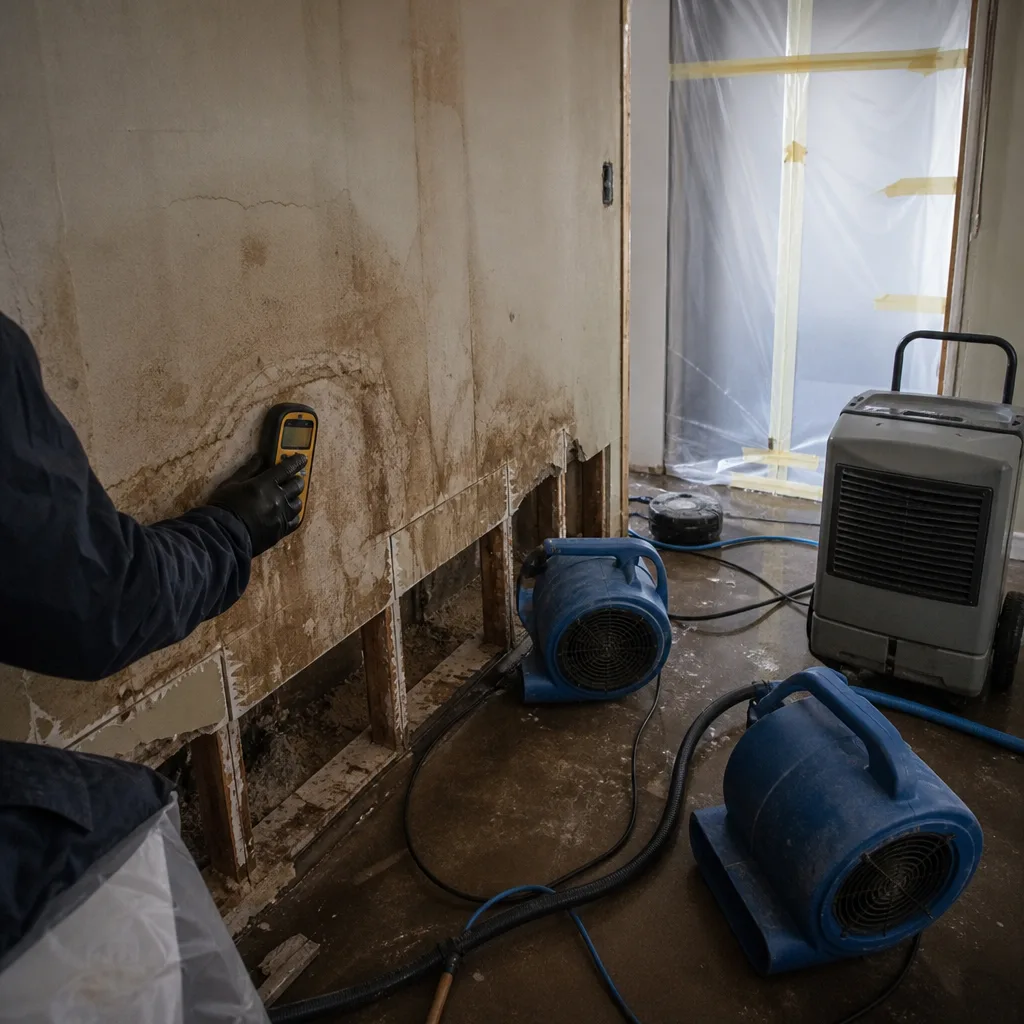 Before
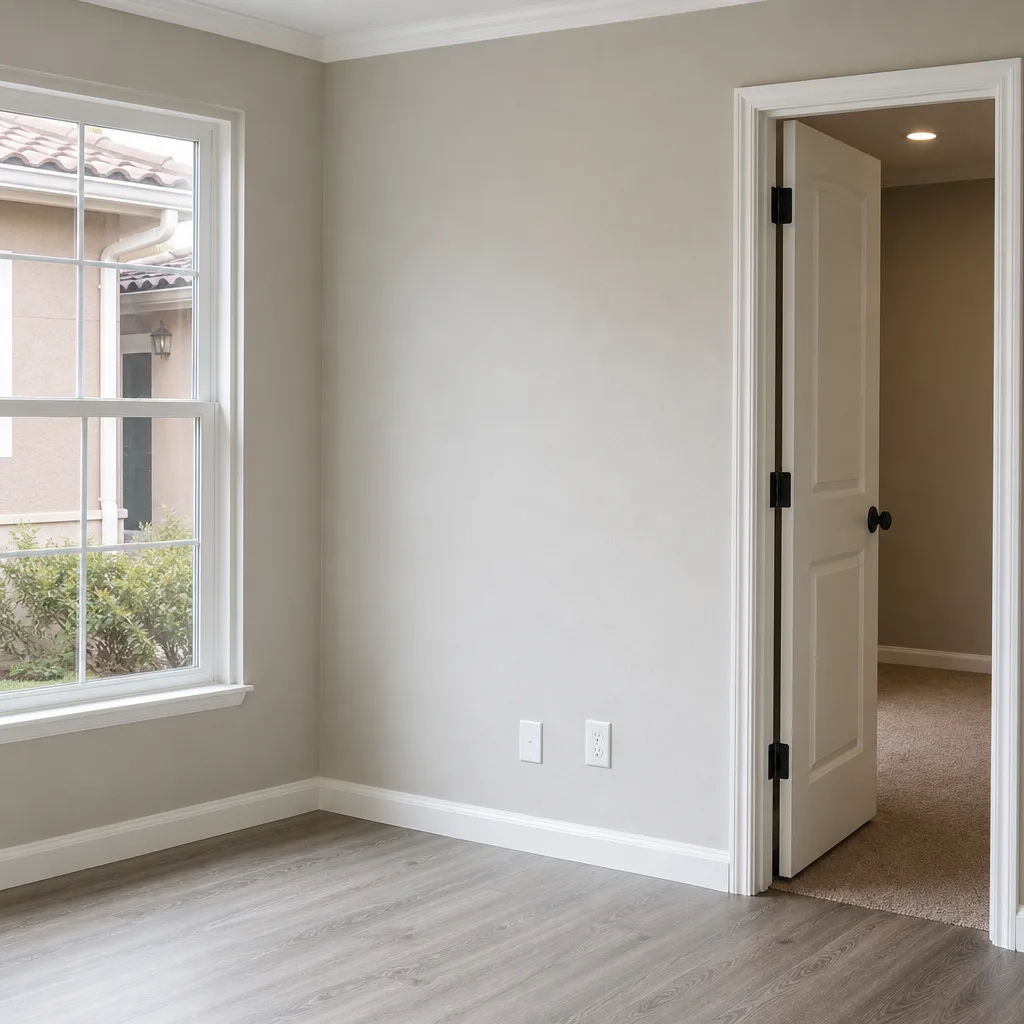 After
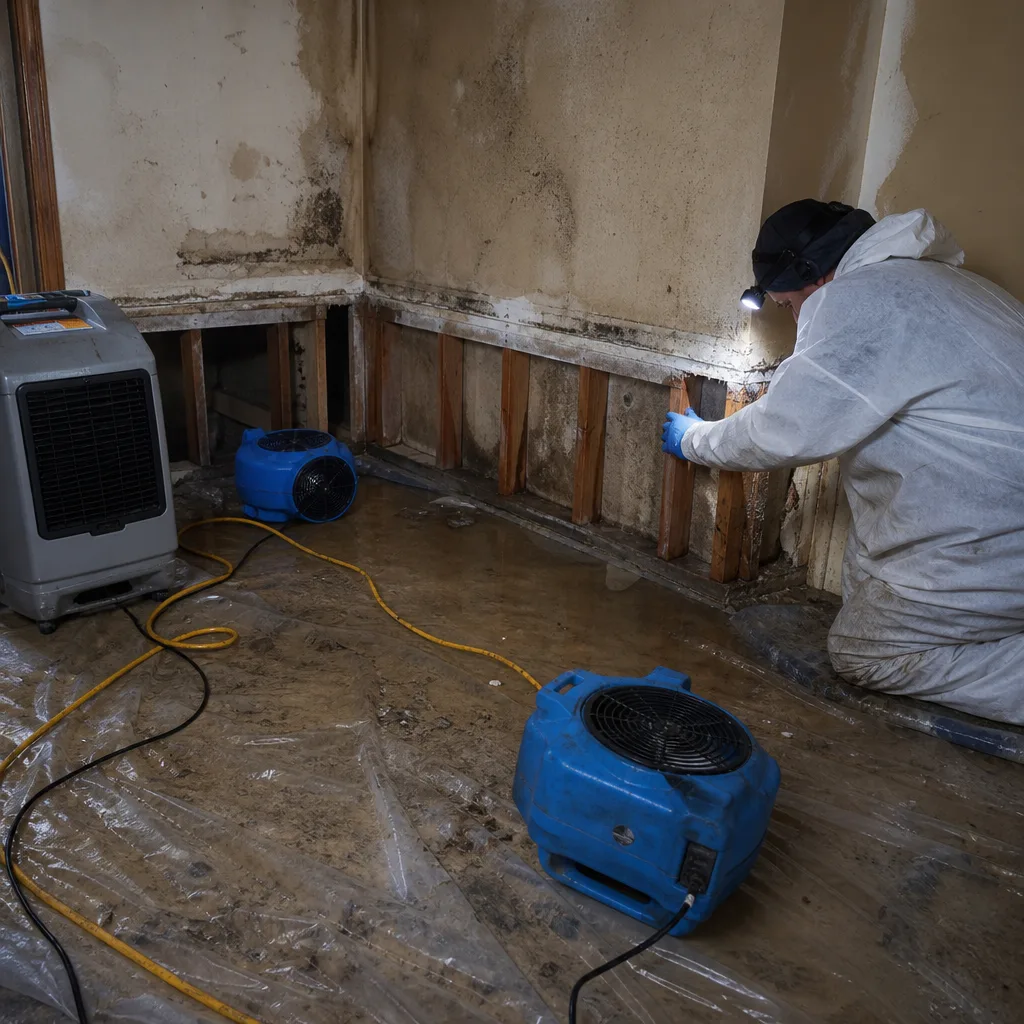 Before
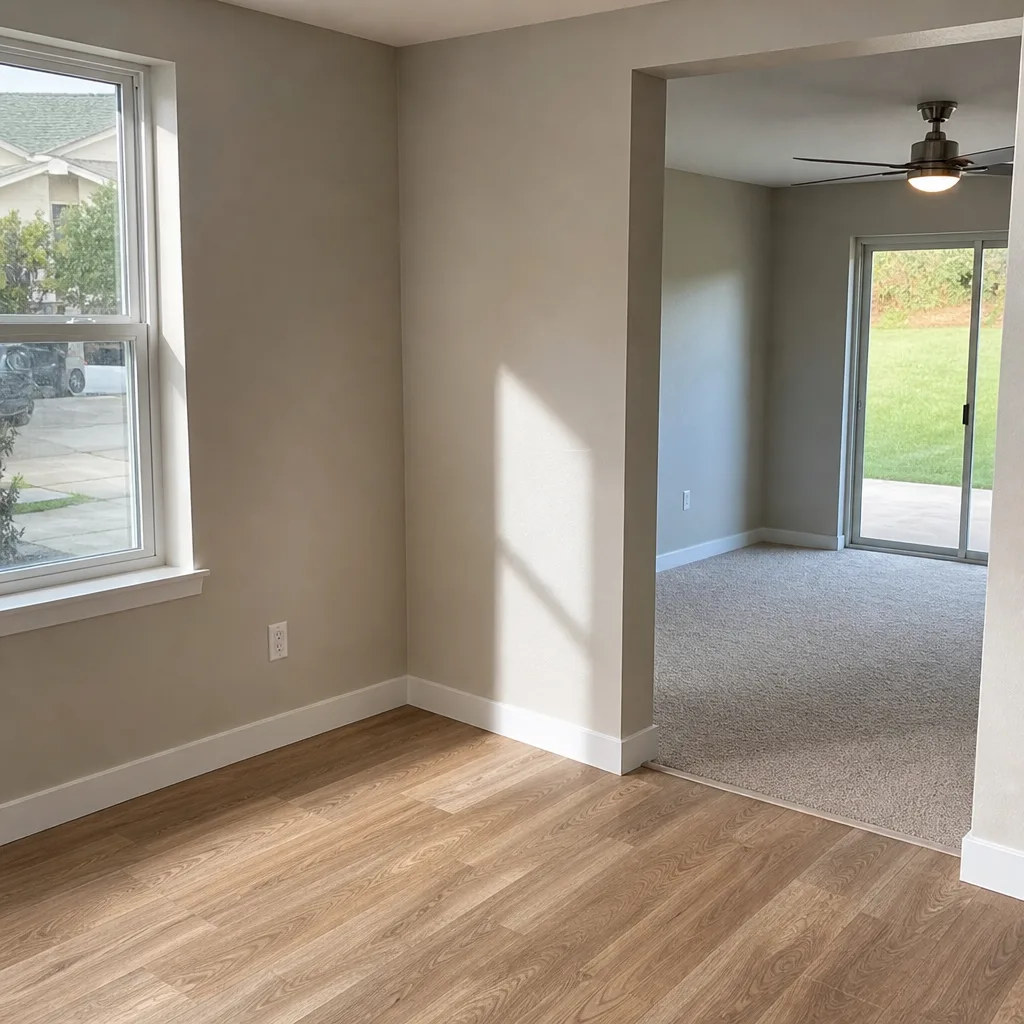 After
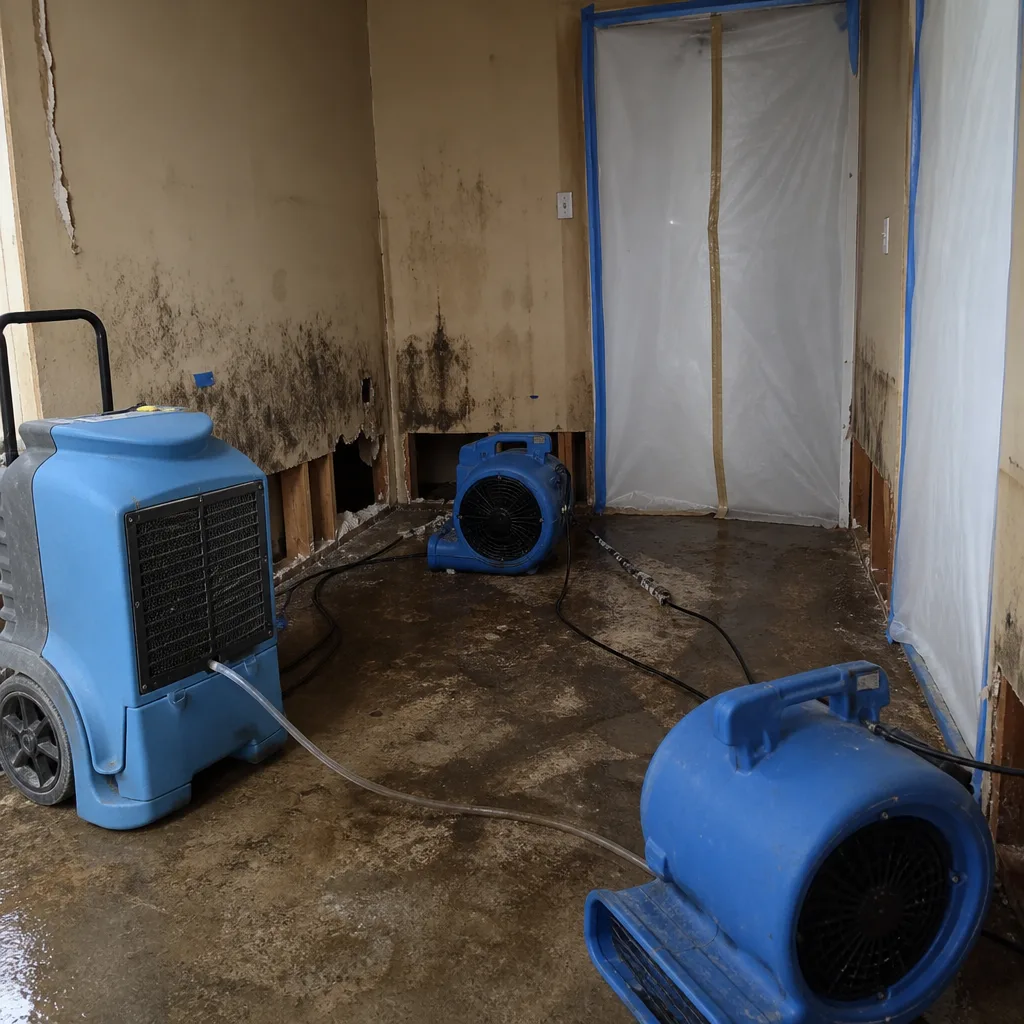 Before
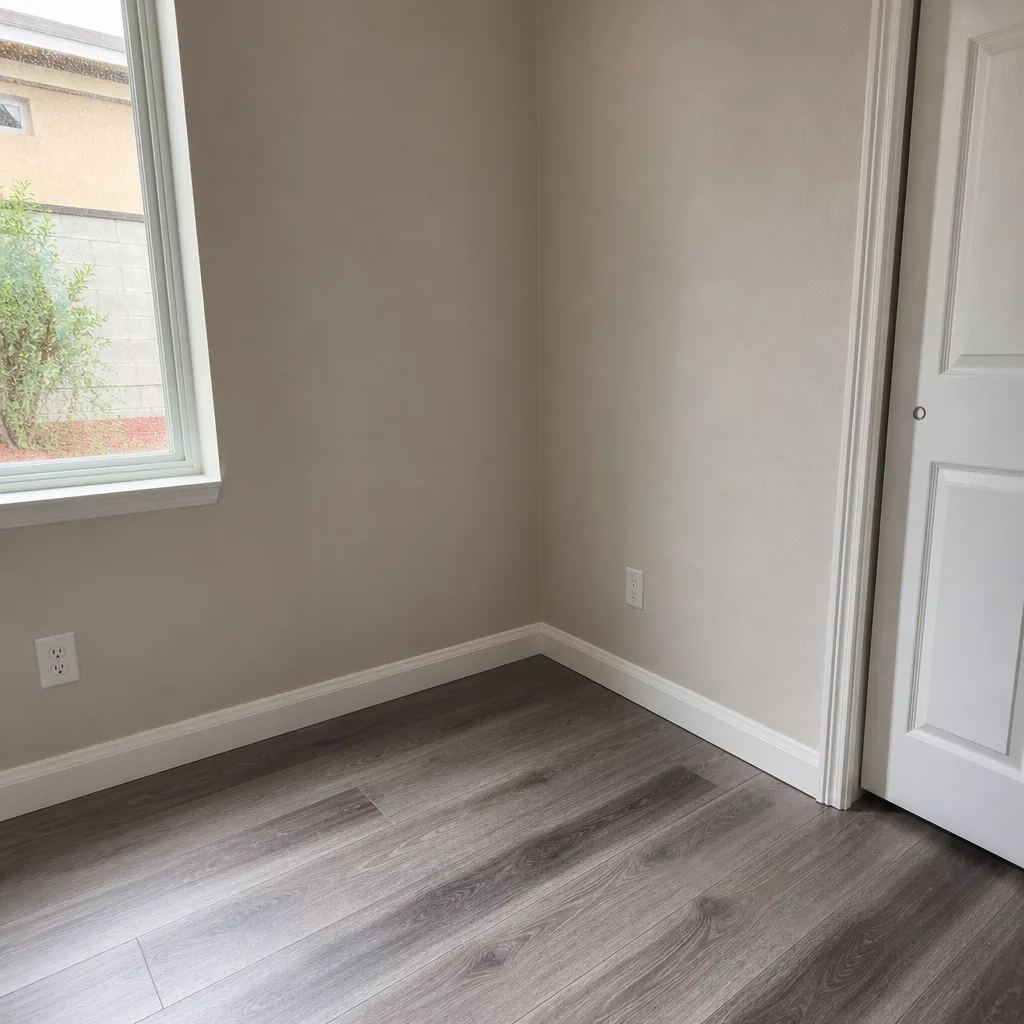 After