

Last updated October 30, 2026
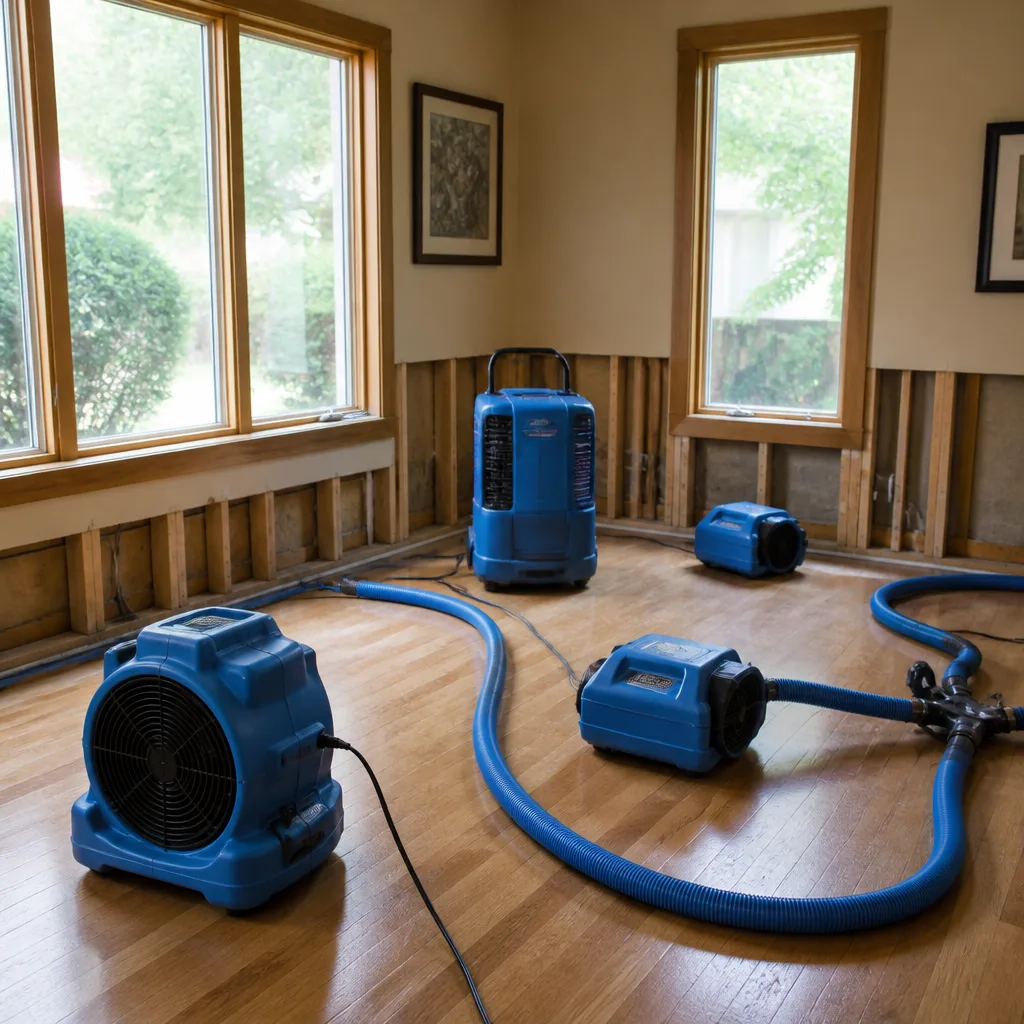 Water damage drying
 Fire & smoke cleanup
 Mold remediation
 Storm response
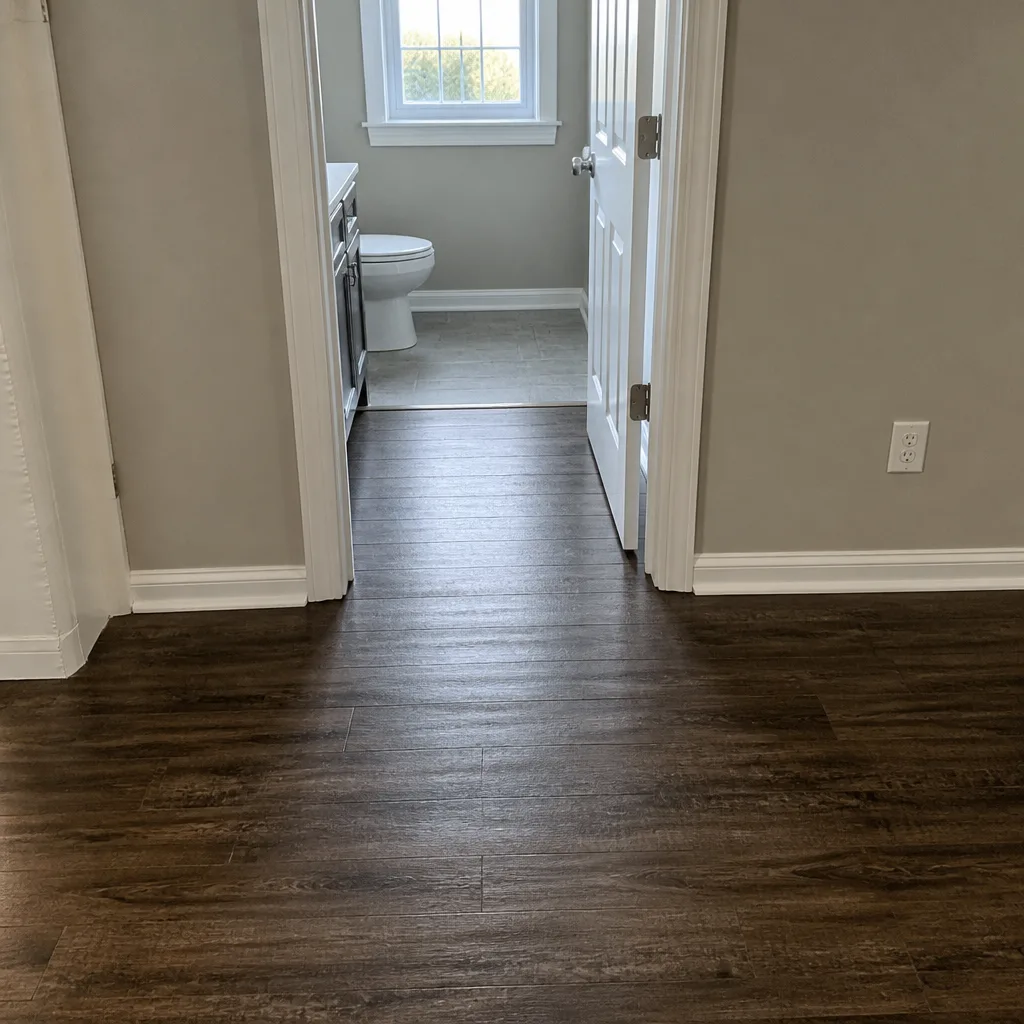 Sewage cleanup
 Reconstruction
Free visual inspection and a written scope of work before any mitigation begins - photos, moisture readings, and drying logs go in your claim file
The scope we write is the scope we bill. Anything new gets shown to you, in writing, before we touch it.
Get your free estimateWater Damage Restoration Maintenance Checklist for Temecula Homeowners
Temecula’s water hardness averages between 270 and 320 mg/L. That’s well above the Environmental Protection Agency’s “hard water” threshold of 120 mg/L, and it means every metal fitting, valve, and hose in your home is accumulating calcium carbonate scale at an accelerated rate. We’ve pulled water heaters out of Temecula homes that weighed 40 pounds more than their original spec because of mineral buildup. The maintenance checklist below is built around this reality and the specific failure points it creates: shortened appliance lifespans, degraded seals, and pressure stress on supply lines. You’ll learn the monthly and annual checks that catch leaks before they become our Water Damage Restoration services jobs, plus how to document your maintenance so insurance claims don’t get denied for “long-term neglect.”
Restoration work we handle
Quick Answer
A water damage prevention maintenance checklist for Temecula homeowners should prioritize monthly inspections of braided steel supply lines, washing machine hoses, and under-sink connections; quarterly water meter leak tests and water heater anode rod checks; and annual dishwasher door gasket replacement, exterior irrigation shutoff, and water pressure testing. In hard-water conditions like Temecula’s, braided steel supply lines fail every 8 – 12 years, water heater anode rods deplete twice as fast as the national average, and dishwasher door gaskets lose their seal around year five. The single most valuable skill is learning to read your water meter for slow leaks, which catches the under-slab pinhole leaks that account for the majority of major restoration calls in this area; for related guidance, see our Water Damage Restoration Troubleshooting: Common Problems and How to Fix Them.
Table of Contents
- The Monthly Walkthrough: 20 Minutes That Prevent Most Claims
- How to Read Your Water Meter for a Slow Leak in Under 10 Minutes
- The Hard Water Failure Timeline: What Fails When in Temecula
- Temecula’s Seasonal Maintenance Calendar: Month-by-Month
- The 90-Day Post-Restoration Inspection: What to Confirm
- Which Maintenance Items Affect Insurance Claim Eligibility
- Common Mistakes to Avoid
- When to Call a Professional
- Frequently Asked Questions
- The Bottom Line
The Monthly Walkthrough: 20 Minutes That Prevent Most Claims
Most water damage we respond to in Temecula didn’t start the day we got called. It started weeks earlier with a slow drip behind a washing machine or a pinhole leak under a bathroom vanity that nobody noticed. A monthly walkthrough takes about 20 minutes and catches these before they saturate drywall, warp flooring, or feed mold growth. Set a recurring calendar reminder for the first Saturday of every month and work through this list top to bottom.
- Check every visible supply line connection. Look under every sink in the kitchen, bathrooms, and laundry room. Flex braided steel lines should be dry at both ends. Run a finger along the connection points. If you feel any moisture or see white crusty residue at the nut, the seal is failing. In Temecula’s hard water, that crust is calcium carbonate, and it forms faster than in coastal cities.
- Inspect washing machine hoses. Pull the machine out slightly and check the hoses for bulges, cracks, or rust at the fittings. Rubber hoses should have been replaced with braided steel years ago. If yours are still rubber, replace them this month.
- Open the water heater closet or garage area. Look for any water pooling around the base, rust on the tank, or a slow drip from the temperature and pressure relief valve. A small puddle that dries between visits is easy to ignore. Don’t.
- Check the dishwasher door gasket. Run a paper towel along the bottom edge of the door. If it comes back damp after a normal cycle, the gasket is tired. In Temecula’s mineral-heavy water, these gaskets harden and lose compression around year five, which is about two years earlier than the national average.
- Look at ceilings below bathrooms. Check the ceiling directly beneath any upstairs bathroom for faint yellowing or paint bubbles. These are the earliest visible signs of a slow leak from a toilet wax ring or tub drain that hasn’t fully let go yet.
- Verify the water pressure regulator. If you have a pressure regulator on the main line, confirm the needle sits between 50 and 70 psi when no water is running. Temecula’s municipal pressure can spike overnight, and sustained pressure above 80 psi shortens the life of every fitting and hose in the house.
We use commercial-grade moisture meters from Dri-Eaz and XPOWER on every water damage restoration in Temecula job because visible moisture and actual moisture are rarely the same thing. Your monthly check doesn’t need that level of equipment, but if you ever find yourself wondering whether something is actually wet or just cold, a $30 pinless moisture meter from a hardware store will settle it.
How to Read Your Water Meter for a Slow Leak in Under 10 Minutes
Your water meter is the fastest leak detection tool you already own. It tells you exactly how much water is moving through your home’s main line, and if you know how to read it correctly, you can identify a hidden leak before any wall stain, floor warp, or musty odor appears. This is the one skill that catches most under-slab and in-wall leaks while they’re still inexpensive plumbing fixes instead of full restoration projects.
Here’s the step-by-step method we teach every Temecula homeowner during our post-restoration walkthroughs, with more guides & resources available on our blog.
- Turn off every water-using appliance and fixture. No running faucets, no toilet filling, no irrigation system cycling, no ice maker mid-cycle. Wait two minutes for toilets to settle and the ice maker to finish any refill cycle.
- Go to your water meter. In most Temecula neighborhoods, it’s in a concrete box near the sidewalk or curb, under a metal or composite lid. Lift it carefully. Watch for insects that like the dark, damp space.
- Check the leak indicator. Most meters have a small triangle, gear, or star-shaped dial called a leak indicator. If it’s moving at all while everything in the house is off, water is flowing somewhere it shouldn’t be.
- If there’s no indicator or it’s not moving, record the exact meter reading. Write down every digit, including the last one on the rotating dial. Take a photo with your phone. Wait 20 minutes. Don’t use any water during this window. Read the meter again.
- Compare readings. If the numbers moved even one digit on the final dial, you have a slow leak. The amount of movement tells you the approximate rate. One full rotation of the final dial is usually one-tenth of one cubic foot, which is about 0.75 gallons per minute on most residential meters.
- If the reading is moving, isolate the source. Close the shutoff valves to individual toilets one at a time and re-check the meter. A toilet flapper leak is the most common culprit. If the meter still moves with all toilet valves closed, the leak is in the wall, under the slab, or in the irrigation system.
We respond to under-slab leak jobs in Temecula neighborhoods like Redhawk, Harveston, and Paseo del Sol where homeowners noticed their water bill creep up 15 – 20% over two months but couldn’t find any visible wet spot. By the time slab water travels upward through the foundation and shows on flooring, weeks of saturation have already occurred. The meter test catches it in the first billing cycle.
The Hard Water Failure Timeline: What Fails When in Temecula
Temecula’s water hardness doesn’t just leave spots on glassware. It shortens the functional life of every water-contacting component in your home. Here’s the realistic replacement schedule based on what we see across Murrieta, Temecula, Winchester, and French Valley. This isn’t what manufacturers claim in ideal conditions. It’s what actually fails and when.
Braided Steel Supply Lines: 8 – 12 Years
Braided steel supply lines are not lifetime components, despite what their durable exterior suggests. The inner PVC or EPDM core degrades over time, and mineral deposits from Temecula’s water accelerate the process by creating micro-abrasions inside the line. We’ve replaced braided steel lines in homes that were only ten years old and found the inner core stiff and cracked. If you bought a resale home and don’t know the age of the supply lines, assume they’re original to the house and replace them all at once. The cost is under $15 per line at any hardware store. The cost of one burst line behind a kitchen cabinet is thousands.
Water Heater Anode Rods: 2 – 4 Years
Anode rods are sacrificial magnesium or aluminum rods inside your water heater tank that corrode so the tank itself doesn’t. In most of the country, they last six to eight years. In Temecula’s mineral-dense water, they deplete in two to four. Once the rod is gone, the tank walls start corroding, and the first sign is usually a small leak at the base that goes unnoticed until the tank lets go. Check your anode rod annually by removing it and looking for more than 50% depletion. This is a 30-minute job with a socket wrench and a replacement rod under $40. A ruptured 50-gallon tank dumps 50 gallons of water into your garage or hallway in minutes.
Dishwasher Door Gaskets: 4 – 6 Years
Dishwasher door gaskets are made of flexible rubber or vinyl that loses its compression set over time. Mineral exposure accelerates the hardening. In most of the country, a door gasket lasts seven to ten years. In Temecula, we consistently see failure at four to six years. The failure is rarely dramatic. It starts as a small drip during the wash cycle that runs down the cabinet face and under the flooring. By the time you see water on the kitchen floor in front of the dishwasher, the subfloor has usually been wet for months. Replace the gasket proactively at year five. It’s a $25 part and a 15-minute job.
Washing Machine Hoses: 5 Years for Rubber, 10 for Steel
Any rubber washing machine hose in a Temecula home is on borrowed time. These hoses are under constant pressure, expand and contract with every fill cycle, and harden faster in mineral-heavy water. A burst rubber hose delivers 6 – 8 gallons per minute. If you’re home, it’s a mess. If you’re not, it’s a restoration job. Replace rubber hoses immediately with braided steel. Even braided steel washing machine hoses should be replaced every ten years as a precaution.
PEX-a and Poly-B Fittings: Variable, but Check the Crimp Rings
If your Temecula home was built between 1978 and 1995, it may have polybutylene (poly-B) plumbing. Poly-B pipes and their acetal fittings are prone to sudden failure, and many insurance carriers either exclude coverage or require replacement before writing a policy. If your home was built after 2000, you likely have PEX-a or PEX-b. PEX pipe itself is resilient, but the brass crimp rings at connection points are vulnerable to mineral corrosion. Every six months, check visible PEX fittings under sinks and at the water heater for any green or white crust forming at the crimp ring. That crust indicates the fitting is failing from the inside.
Fixture Cartridges and Stems: 5 – 7 Years
Shower and faucet cartridges wear faster in hard water because mineral particles act like fine sandpaper inside the valve. When a cartridge fails, it usually drips. A dripping faucet is rarely a restoration risk on its own, but it signals that other components on the same water line are experiencing the same mineral exposure. Treat a drippy fixture as an early warning that your supply lines and fittings are aging.
This failure timeline matters because Temecula’s newer neighborhoods were largely built during two construction booms: the early 2000s and the mid-2010s. Homes from the 2000 – 2008 period are now entering the danger zone where original supply lines, water heater components, and dishwasher gaskets are all reaching end-of-life simultaneously. If you bought a home in that era and haven’t replaced these components, the clock is running.
Temecula’s Seasonal Maintenance Calendar: Month-by-Month
Temecula doesn’t have four seasons. It has a hot dry summer, a wet winter, and two shoulder months where temperatures swing dramatically. Maintenance timing matters because different components fail under different seasonal stresses. Here’s the month-by-month calendar we recommend to every homeowner we serve.
January – February: The Wet Season Checks
This is when Temecula receives most of its annual rainfall, and it’s when roof leaks, window seal failures, and exterior drainage problems show themselves. During and after the first good rain, walk the exterior perimeter of your home. Check that downspouts direct water at least four feet away from the foundation. Look for standing water against the slab anywhere. In Temecula’s decomposed granite soil, water doesn’t absorb quickly. It pools. Check window wells and door thresholds for water staining. Inside, inspect attic access points for any damp insulation or dark staining on the underside of the roof sheathing.
March – April: Post-Rain Foundation and Irrigation Startup
As the rainy season ends, check for any soil settlement around the foundation that could direct water toward the slab during irrigation season. This is also when sprinkler systems start cycling again after winter dormancy. Turn on each irrigation zone and watch for leaks at valve boxes, broken heads that spray water against the house, or overspray that hits stucco repeatedly. Stucco is porous, and an irrigation head spraying the same wall section for 20 minutes a day, seven days a week, will saturate the wall cavity and create the conditions for mold growth behind the drywall. If you need mold remediation in Temecula six months later, the irrigation head is usually where it started.
May – June: Pre-Summer Water Heater Service
Before temps climb, service the water heater. Drain two to three gallons from the tank to flush sediment that has settled since winter. This is especially important in Temecula because mineral sediment accumulates faster and acts as an insulator between the burner and the water, forcing the unit to work harder and overheat the tank bottom. Check the anode rod at this time. If it’s more than 50% depleted, replace it now rather than waiting for winter.
July – August: Peak Heat Stress on Supply Lines
When Temecula hits triple digits, everything expands. Rubber hoses soften. Brass fittings flex. Supply lines under pressure experience more stress during July and August than any other time of year. If a braided steel line or washing machine hose is on the edge of failure, summer heat is what tips it over. Do an extra supply line check in early July, including the water heater flex lines and any exposed piping in the attic. Attic temps in Temecula can exceed 130 degrees in summer, which accelerates degradation of any plastic fitting or tubing up there.
September – October: The Santa Ana Dry Spell
Santa Ana winds don’t directly cause water damage, but the extended dry period they bring is when hairline cracks in foundations, stucco, and exterior caulking open up. When rain finally arrives in November, those cracks become water entry points. During September, walk the exterior and re-caulk any gaps around windows, doors, hose bibs, and vent penetrations. Check that exterior stucco isn’t developing hairline cracking along the slab line.
November – December: Pre-Holiday Appliance Check
The holiday season is the most common time for kitchen and laundry room water damage because appliances run harder and more frequently than any other time of year. The dishwasher runs multiple cycles per day. The washing machine never stops. Garbage disposals grind through holiday prep. Two weeks before any planned hosting, pull the dishwasher out slightly and check the supply line and drain connection. Pull the washing machine out and inspect the hoses. Check under the kitchen sink for any moisture around the disposal flange and basket strainer.
The 90-Day Post-Restoration Inspection: What to Confirm
After any water damage restoration project, there’s a critical 90-day window where hidden moisture can reveal itself. Properly dried structures don’t develop problems later, but if drying was incomplete or if a secondary leak existed that wasn’t addressed, the evidence usually appears within three months. Here’s what to check 90 days after a restoration job is complete, whether you used Fresh Start Water Damage or any other Fresh Start Water Damage home page. Actually, that last part isn’t the point. The point is that you should do this check regardless of who performed the work.
- Check for paint bubbling or blistering on any wall that was dried in place. If moisture remains in wall cavities, it eventually pushes paint away from the drywall surface. This shows up first as small blisters or areas where the paint looks thicker than the surrounding wall.
- Look for cracking at drywall seams. Areas that were dried with Injectidry systems, which we use to dry wall cavities without demolition, should show no seam cracking. If seams are separating, the wall structure dried unevenly or too quickly after the event.
- Run a moisture meter over previously affected areas. A $30 pinless moisture meter will tell you if any moisture lingers behind baseboards or in flooring. Readings above 15% wood moisture equivalent mean further drying is needed.
- Check for musty odor in previously affected rooms. Any lingering odor three months after the work is a sign that either moisture remains or that mold has established in a hidden space. Odor doesn’t come from “dry” mold. It comes from active microbial growth or ongoing moisture.
- Inspect any baseboards that were reinstalled. Pry back a small section if possible and check the drywall behind it for staining. Baseboards are the first place trapped moisture shows because they act as a cap that slows evaporation.
- Verify that all previously damaged materials were actually replaced or dried. If a section of baseboard, drywall, or flooring was left in place and dried rather than replaced, confirm it’s stable. Warping, softness, or visible staining means the material didn’t fully recover and should have been removed.
Our technicians use injected drying from Injectidry on wall cavities and subfloors because it dries from the inside out, which is more thorough than surface drying with air movers alone. But even with professional-grade equipment like Phoenix dehumidifiers and Dri-Eaz air movers, the proof is in the 90-day check. A proper restoration should show no change at the 90-day mark. If anything has appeared, contact the restoration company that did the work and ask them to re-evaluate.
Which Maintenance Items Affect Insurance Claim Eligibility
Insurance carriers in California have become increasingly strict about water damage claims, and the reason is simple: water damage is now the most common property insurance claim in the state, surpassing fire. Carriers are looking for reasons to classify water damage as “long-term neglect” rather than “sudden and accidental,” because long-term neglect falls outside standard policy coverage. Your maintenance records can make or break a claim.
What Carriers Typically Cover
Insurance policies generally cover sudden, accidental water damage. A burst supply line, a washing machine hose that let go, a water heater that ruptured without prior warning signs, an overflowed toilet. If the event was sudden and not reasonably preventable, coverage usually applies.
What Carriers Exclude as Long-Term Neglect
- Slow leaks that persisted for weeks or months. If a supply line dripped for six months and rotted the cabinet base, the carrier will likely deny the claim. They’ll argue you should have noticed and addressed it.
- Water heater leaks with prior rust or corrosion. If the tank showed visible rust before the failure, the carrier may classify the failure as predictable and thus not a covered event.
- Dishwasher leaks with a worn gasket. If the gasket was visibly cracked or collapsed before the leak, it’s maintenance neglect.
- Roof leaks that followed years of deferred roof maintenance. Missing shingles, deteriorated flashing, and clogged gutters are maintenance issues. The water damage they cause is considered preventable.
- Mold growth from unaddressed moisture. Most policies exclude mold unless it results directly from a covered water event that was promptly addressed. If mold developed because a leak went ignored, the claim is likely denied.
What You Can Document to Protect Future Claims
Keep a simple maintenance log. Note the date you replaced supply lines, the date you swapped the anode rod, the date you replaced washing machine hoses. Photograph the work before and after. If you hire a plumber, keep the invoice. This documentation demonstrates that you exercised reasonable care, which is the exact standard carriers use to evaluate whether a loss was “sudden and accidental” or “preventable through routine maintenance.” The documentation doesn’t guarantee coverage, but it eliminates the easiest denial path.
After a loss, we work directly with homeowners to provide photo documentation of damage and drying progress. While we don’t handle insurance claims management directly, we document everything in a way that supports your claim. Our experience with hundreds of water damage claims in Temecula means we know what adjusters look for. If you’re ever in that situation, fire damage restoration in Temecula taught us the same documentation discipline applies across all property damage types.
Common Mistakes to Avoid
- Assuming braided steel lines are permanent. The steel braid protects the inner core from physical damage, but the core still degrades. We’ve seen homeowners in Crowne Hill and Morgan Hill keep original supply lines in service for 20 years under the assumption that steel means lifetime. It doesn’t.
- Ignoring a dripping fixture because “it’s just a drip.” In Temecula’s hard water, a drippy faucet means the cartridge is hitting end-of-life, which means other components on the same line are approaching failure too. Treat the drip as a warning light, not a nuisance.
- Turning off the water heater when leaving town but not draining sediment. Sediment settles faster in hard water, and the turn-off/turn-on cycle can disturb it. If you’re leaving for more than a week, turn the water heater to vacation mode rather than off, and flush the tank before you leave.
- Caulking over failing grout without fixing the underlying water entry. Caulk hides a leak. It doesn’t fix it. If grout is cracked or missing in a shower pan or tub surround, water is already getting behind the tile. Caulking the seam just traps the moisture inside.
- Relying on the builder’s original hoses when buying a resale home. Most Temecula resale homes are sold with the original washing machine hoses and supply lines still installed, because sellers don’t think to replace them and buyers don’t ask. Walk through the home you’re buying with an eye toward water components, not just finishes.
- Running the irrigation system without an annual leak check. Outdoor irrigation leaks are the most common source of water waste in Temecula subdivisions with large lots. An underground valve leak can run for months undetected, saturating the soil around the foundation and creating slab moisture issues that show up as indoor humidity and musty odors.
- Waiting until you smell must to investigate a possible leak. Musty odor means mold has already established. The meter test earlier in this guide catches leaks weeks or months before the odor stage. Make it a quarterly habit.
When to Call a Professional
Some problems need more than a wrench and a walkthrough. Call a professional restoration company if you find a water stain larger than a dinner plate on a ceiling or wall, if your water meter test shows a consistent leak but you can’t locate the source, if you see visible mold on any surface larger than a few square feet, or if a supply line in the attic or behind an appliance has burst. These are not DIY situations. Uncontrolled water in a wall cavity doesn’t dry on its own, and the risk of hidden mold growth increases hourly. Fresh Start Water Damage offers free estimates in Temecula. Call (844) 878-6356 and we’ll assess the situation with the same commercial-grade equipment and IICRC-certified process we use on every job.
Frequently Asked Questions
Replace rubber washing machine hoses immediately, regardless of age, and replace braided steel washing machine hoses every ten years. Temecula’s hard water accelerates interior hose degradation, so if the hoses are more than eight years old and you see any bulging, cracking, or rust at the fittings, replace them now rather than waiting for the ten-year mark.
Yes. The water meter test described earlier in this guide detects water movement when all fixtures are off, which indicates a leak somewhere in the system. If you’ve isolated all toilets and indoor fixtures and the meter still moves, the leak is likely under the slab or in the irrigation system. A plumber can then use acoustic listening equipment to pinpoint the exact location without opening the floor.
Turn off the water supply to the dishwasher, unplug it, and call a professional restoration company that can assess the extent of water damage in the cabinet and subfloor. If the leak has persisted beyond a few days, the subfloor and lower cabinet are likely saturated and may require drying or replacement. A one-time small leak with immediate discovery may only need a gasket replacement and a day of fan drying.
Most water heater manufacturers require annual tank flushing and anode rod inspection to maintain warranty coverage. In hard water areas, some manufacturers specify more frequent maintenance. If you can’t prove the anode rod was replaced at reasonable intervals after a tank failure, the manufacturer may deny the warranty claim. Keep receipts and photograph the work.
Most policies exclude slow leaks that persisted over time as “long-term neglect.” If the leak is recent, sudden, and you can demonstrate it wasn’t reasonably detectable before the damage appeared, you may have coverage. The adjuster will examine the damage pattern for evidence of how long the leak has been active. That’s why monthly under-sink checks documented with photos are valuable evidence.
For many Temecula homeowners, yes. Whole-house systems that monitor water flow at the main line and shut off automatically when they detect unusual patterns cost between $500 and $1,500 installed. They compensate for the failure points that an under-sink visual check can’t reach, like supply lines in walls and under-slab piping. If you travel frequently or work away from the house during the day, a leak detection system is cheap insurance compared to the cost of even a moderate restoration job.
In Temecula’s warm climate, mold can begin growing within 48 to 72 hours of water saturation in an enclosed space. This is faster than in cooler coastal climates. That’s why prompt professional drying is critical after any water event, and why we deploy Phoenix dehumidifiers and Dri-Eaz air movers immediately after extraction to bring moisture levels down before mold has a chance to establish.
The Bottom Line
Temecula’s hard water and warm climate create a specific set of water damage risks that most generic maintenance checklists don’t address. The failure points are predictable: supply lines that give out at 8 – 12 years, water heater anode rods that deplete in 2 – 4 years, dishwasher gaskets that harden by year five, and PEX fittings that corrode at the crimp rings. The 20-minute monthly walkthrough and quarterly water meter test catch these failures early. The 90-day post-restoration check confirms the work was done properly. Keep maintenance records, replace aging components on the schedule above, and call (844) 878-6356 for a free estimate if you find something your maintenance walkthrough can’t fix. For help selecting a provider, read our Choosing the Right Damage Restoration Brand: A Buyer’s Guide for Temecula. We’ll tell you honestly whether it needs restoration or just a part swap. That’s how we’ve built our reputation in Temecula since day one.
Written by the team at Fresh Start Water Damage, serving Temecula since 2017.
See the difference
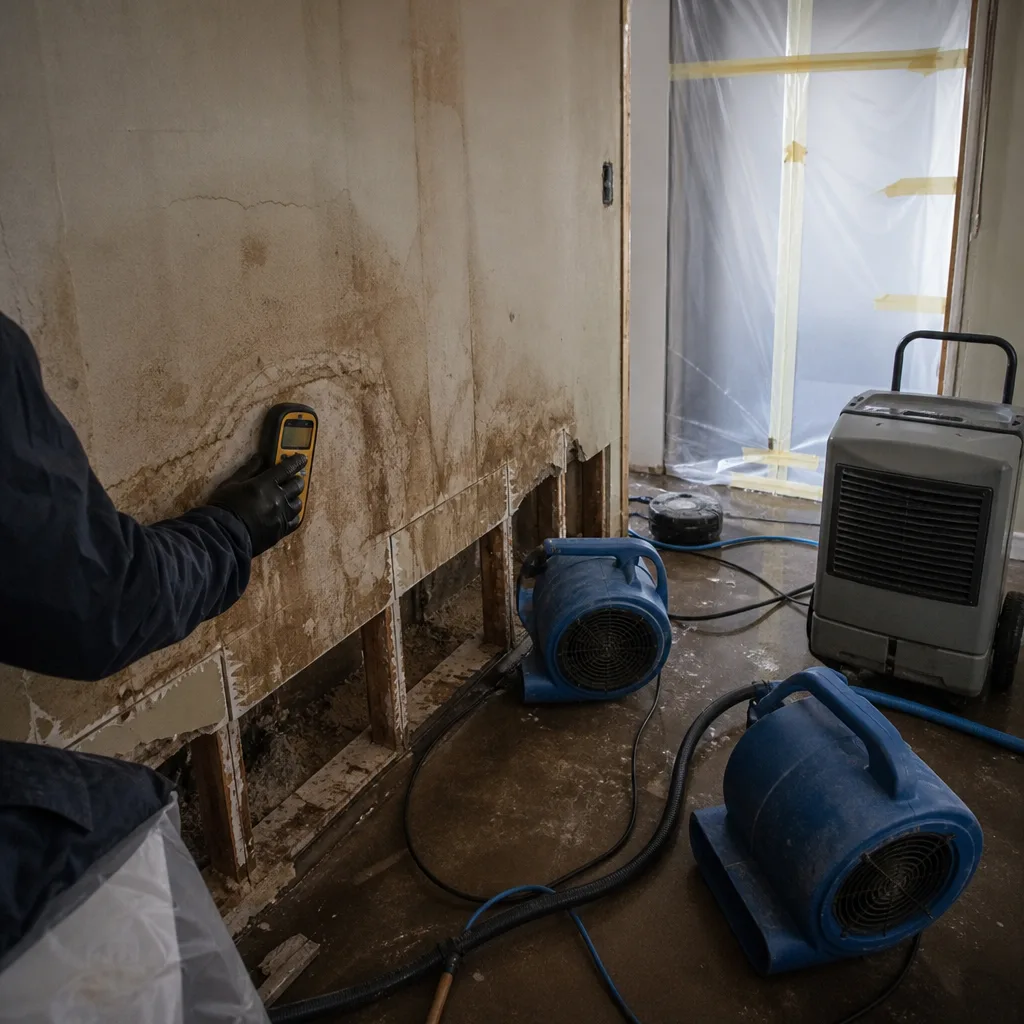 Before
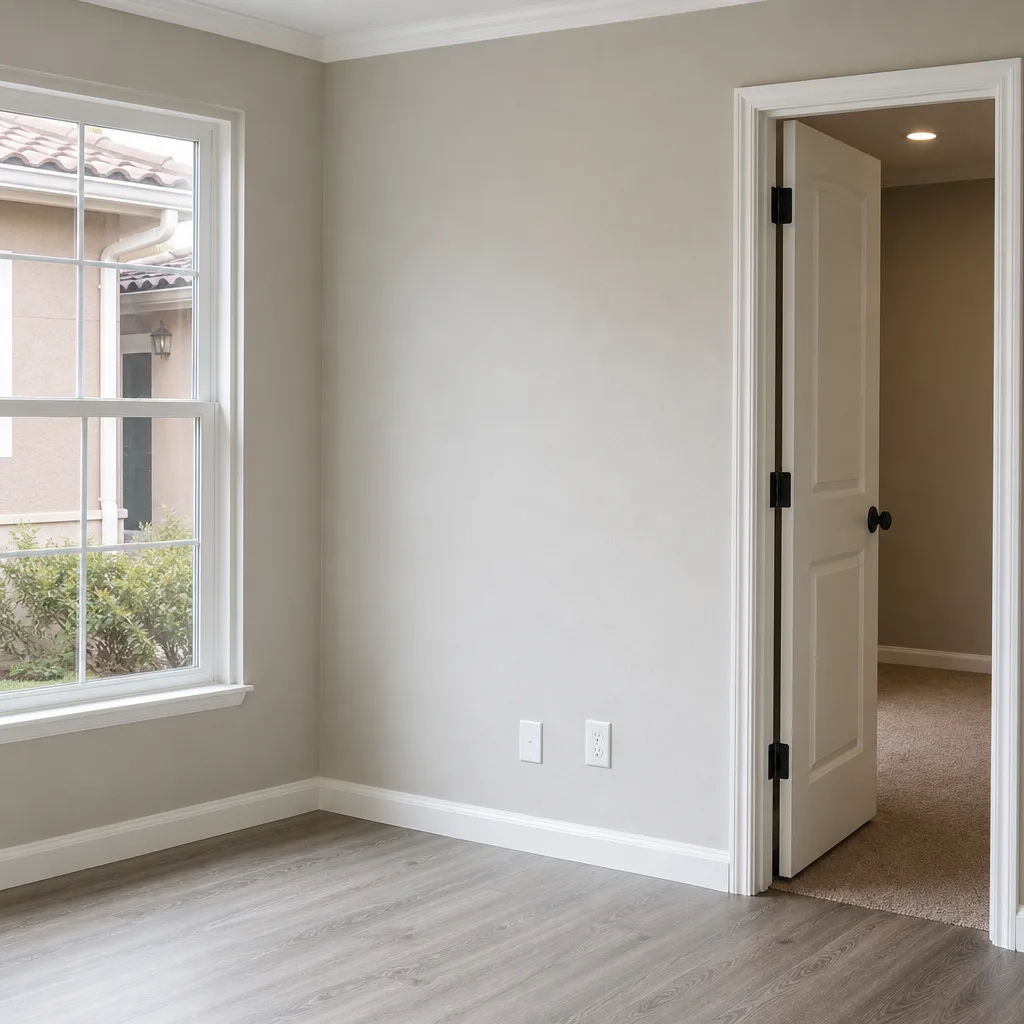 After
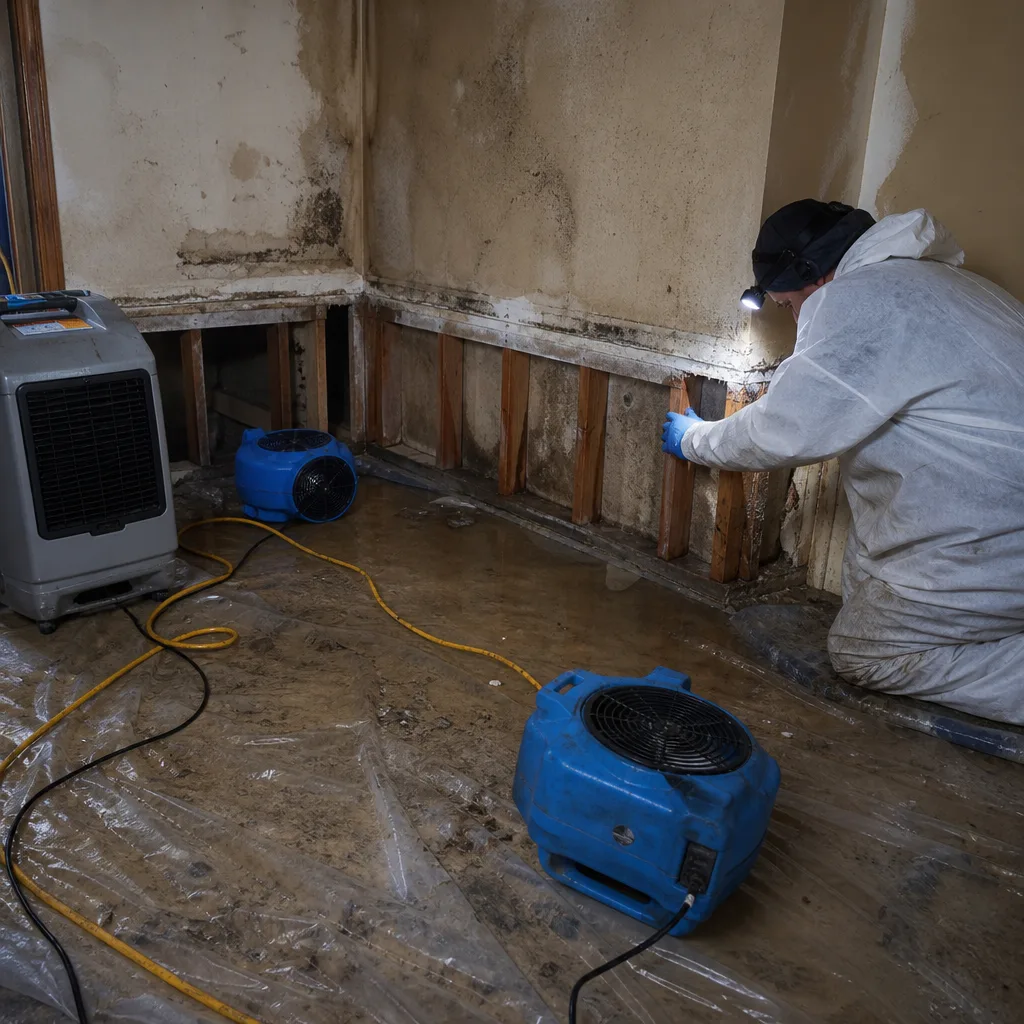 Before
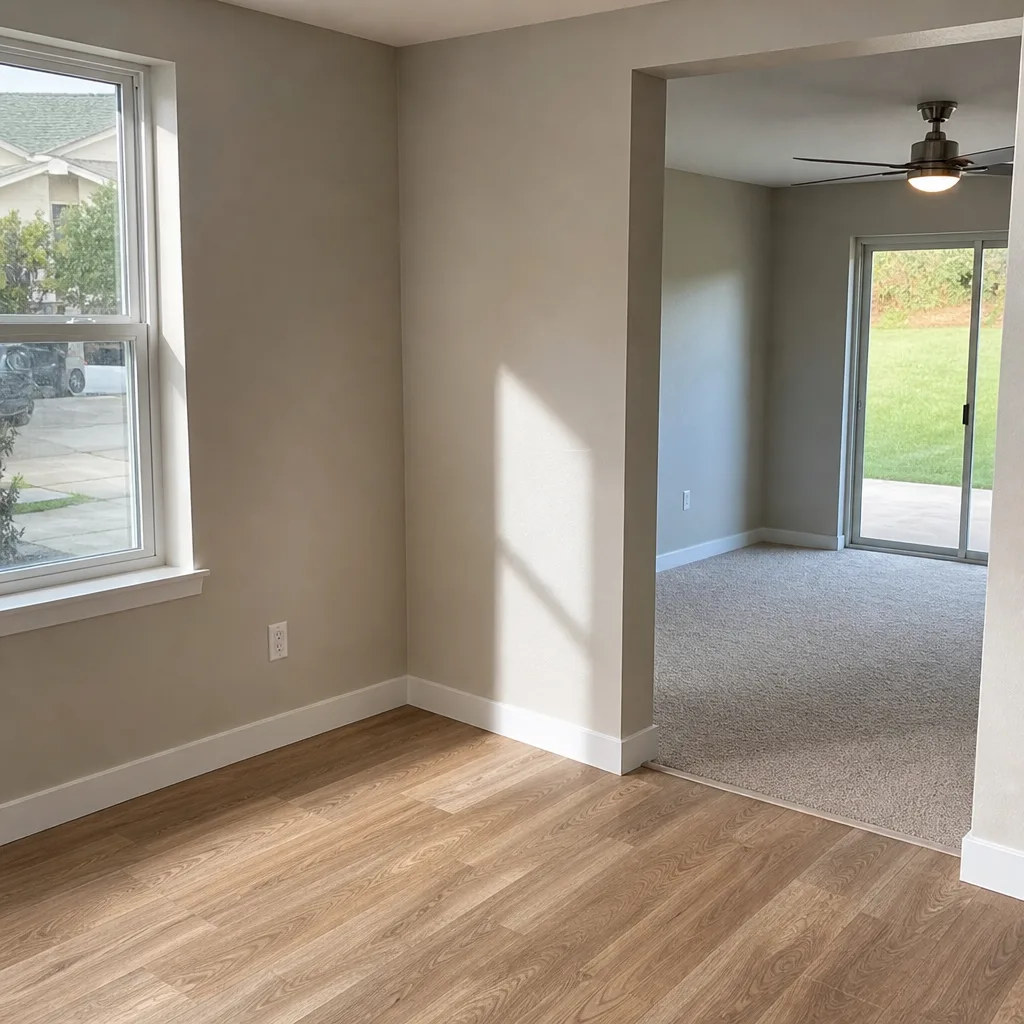 After
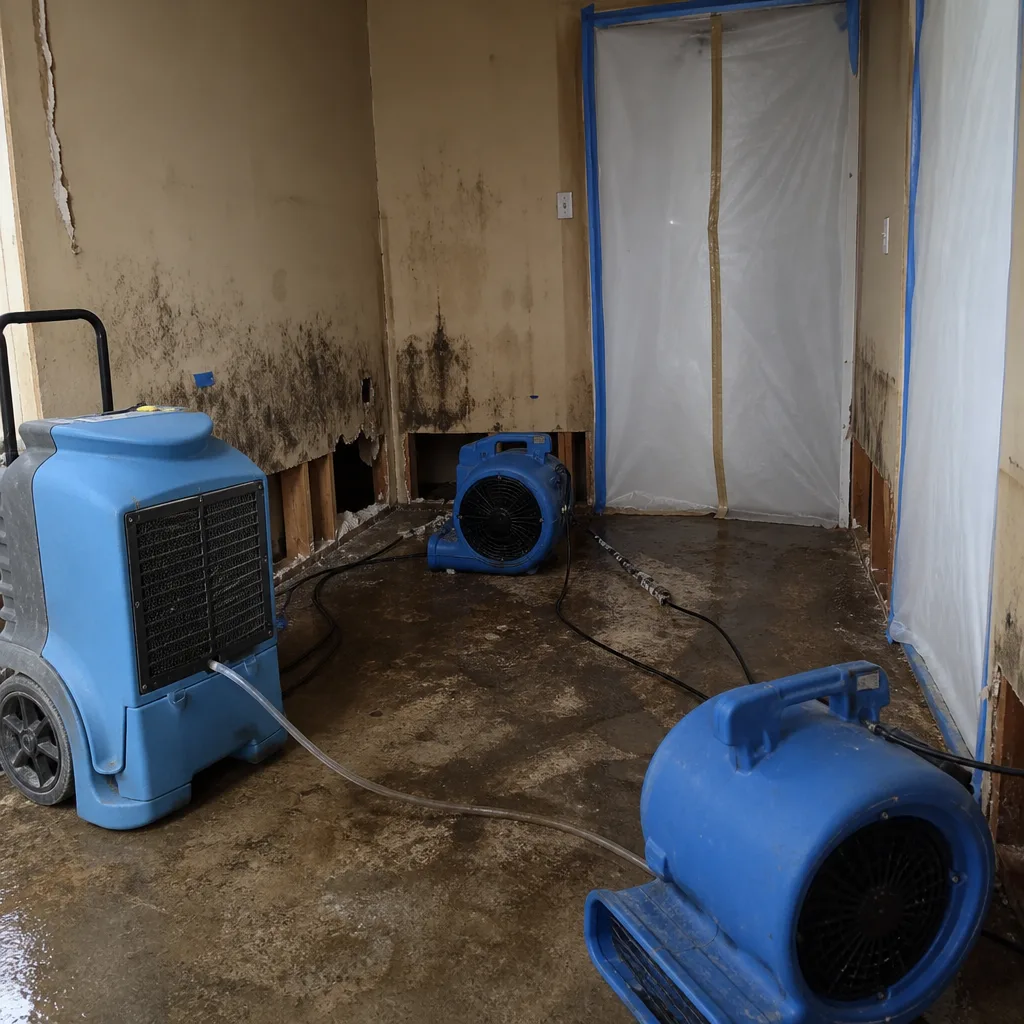 Before
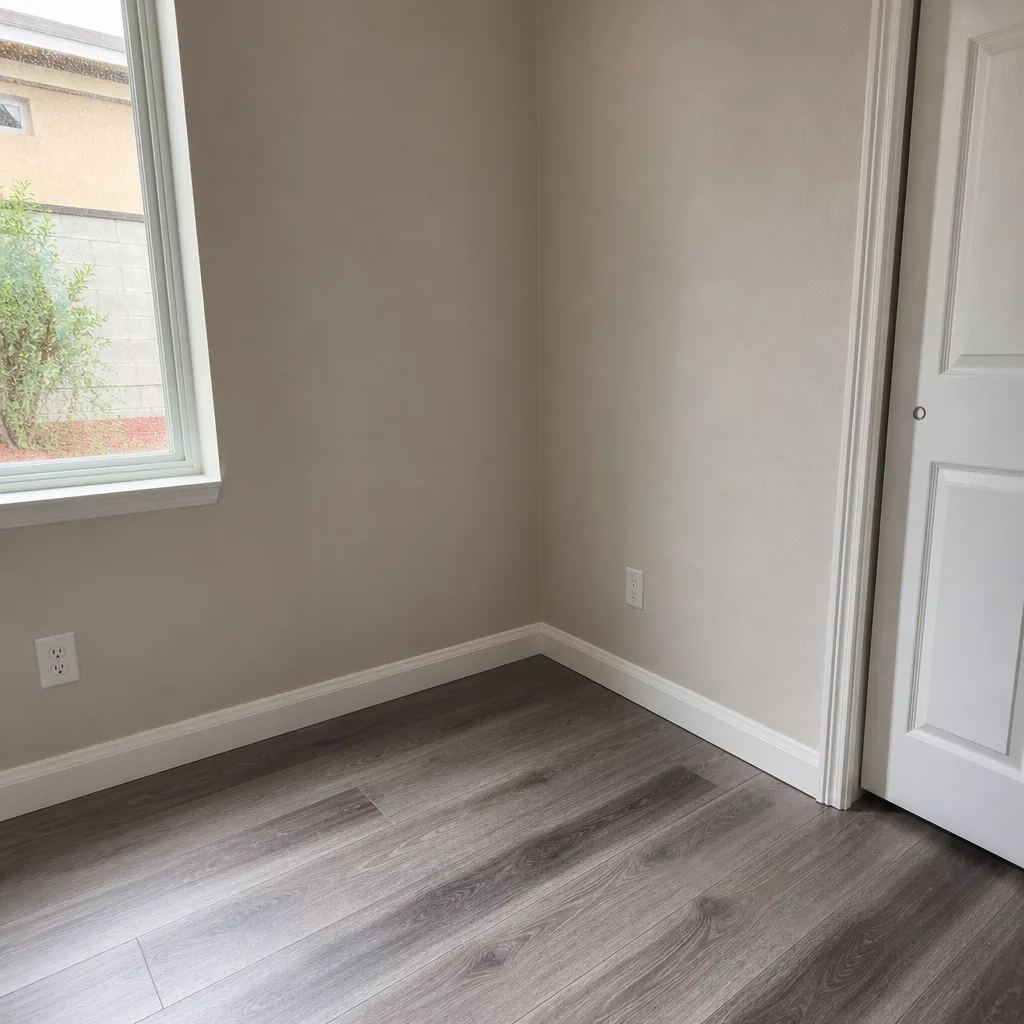 After