
Last updated October 30, 2026
 Water damage drying
 Fire & smoke cleanup
 Mold remediation
 Storm response
 Sewage cleanup
 Reconstruction
Free visual inspection and a written scope of work before any mitigation begins - photos, moisture readings, and drying logs go in your claim file
The scope we write is the scope we bill. Anything new gets shown to you, in writing, before we touch it.
Get your free estimateThe Complete Guide to Damage Restoration in Temecula
Here’s a fact that surprises most Temecula homeowners: the three disasters that threaten your home most, water, mold, and fire, are rarely separate events. They are links in a single chain. A supply line that lets go behind a wall on a Tuesday night becomes a Category 3 mold colony by Friday morning. A small kitchen fire that the Temecula Fire Department knocks down in minutes leaves behind water and smoke damage that, if treated as only a fire cleanup, will grow mold inside the drywall cavities within a week. This guide maps that chain of cause and effect. You will learn what restoration actually means in Temecula, how the process is supposed to sequence, what the certifications on a contractor’s website actually prove, and how to avoid the scope gaps that are the most expensive mistake in this industry.
Restoration work we handle
Quick Answer
Damage restoration in Temecula is the sequenced process of extracting water, drying structural cavities, removing contaminated material, remediating mold, and restoring fire-damaged assemblies so a home is safe to occupy. It requires IICRC-certified technicians using commercial-grade drying systems, not household fans, and in Temecula it is shaped by clay-heavy soil, slab-on-grade foundations, and warm inland temperatures that accelerate mold growth faster than coastal cities. Homeowners get the best outcome when one certified team handles water, mold, and fire damage as a single continuous scope rather than three disconnected contractor visits.
Table of Contents
- How Temecula’s Climate and Soil Change the Restoration Equation
- The Restoration Sequence: Why Order Decides Cost
- What IICRC Certification Actually Means and Which Categories Matter
- Water Damage Categories and What They Mean for Your Home
- Why a Single Restoration Team Prevents Scope Gaps
- How Temecula Insurers Handle Restoration Claims
- Drying Smarter, Not Just Faster: The Injectidry Difference
- Common Mistakes to Avoid
- When to Call a Professional
- Frequently Asked Questions
- The Bottom Line
How Temecula’s Climate and Soil Change the Restoration Equation
Damage restoration is not a one-size-fits-all trade, and Temecula’s geography shapes the work in ways most national guides never mention. Two local factors matter more than any others: the soil under your foundation and the speed at which mold colonizes in this climate.
The first is clay-heavy soil. Temecula sits in a valley where the native soil expands dramatically when wet and contracts when dry. This is called expansive soil, and it is the reason slab-on-grade foundations are the standard construction method across Temecula and neighboring Murrieta. A concrete slab poured directly on that soil acts as a reservoir when water is released inside the home. Water from a burst supply line, a failed water heater, or a slab leak does not drain into a crawl space, it sits against the concrete, wicks into the bottom plates of interior walls, and travels laterally under flooring. We have seen a water heater release in a Redhawk home where water traveled thirty-eight feet across a slab before it became visible at the baseboard on the opposite side of the house. By the time anyone noticed, the water had saturated the subfloor under three rooms.
The second is mold acceleration. Temecula’s inland valley climate means warm days and cool nights for most of the year. Mold does not need heat to grow, but it does need moisture, and the temperatures inside a Temecula wall cavity during spring and fall sit in the 60 to 80 degree range that is ideal for rapid colonization. Coastal cities like Carlsbad or Oceanside have marine layer humidity but cooler average temperatures inside structures. Temecula is drier overall, but when water is trapped inside a wall cavity, the interior environment becomes a greenhouse. We regularly find visible mold growth in Temecula homes within 48 to 72 hours of a water event, which is faster than the national average of 5 to 7 days cited in most restoration literature.
This combination means damage restoration in Temecula is time-sensitive in a way that homeowners do not always feel. A puddle on the floor does not communicate what is happening inside the wall. The drying clock starts the moment water is released, not the moment you notice it.
The Restoration Sequence: Why Order Decides Cost
Restoration is a sequence with no skippable steps. Homeowners who try to shortcut it, or who hire contractors who do, end up paying twice: once for the visible fix, and again for the hidden problem that was sealed behind new drywall. Here is the sequence that every professional restoration job in Temecula follows, and why each step exists, with emergency preparedness steps every homeowner should know.
- Assessment and documentation. A certified technician identifies the water source, classifies the water category, maps the affected area with moisture meters, and documents everything with photos. This step matters for insurance. Without a documented scope before work begins, adjusters have room to deny portions of the claim.
- Source elimination. The water or fire source is stopped. This means shutting off the supply valve, repairing the slab leak access point, or confirming the fire is fully extinguished and utilities are disconnected where needed.
- Water extraction. Standing water is removed using truck-mounted or portable extraction units. The goal is to remove as much water as possible before drying equipment is set. Every gallon extracted now is a gallon that does not have to evaporate through your structure later.
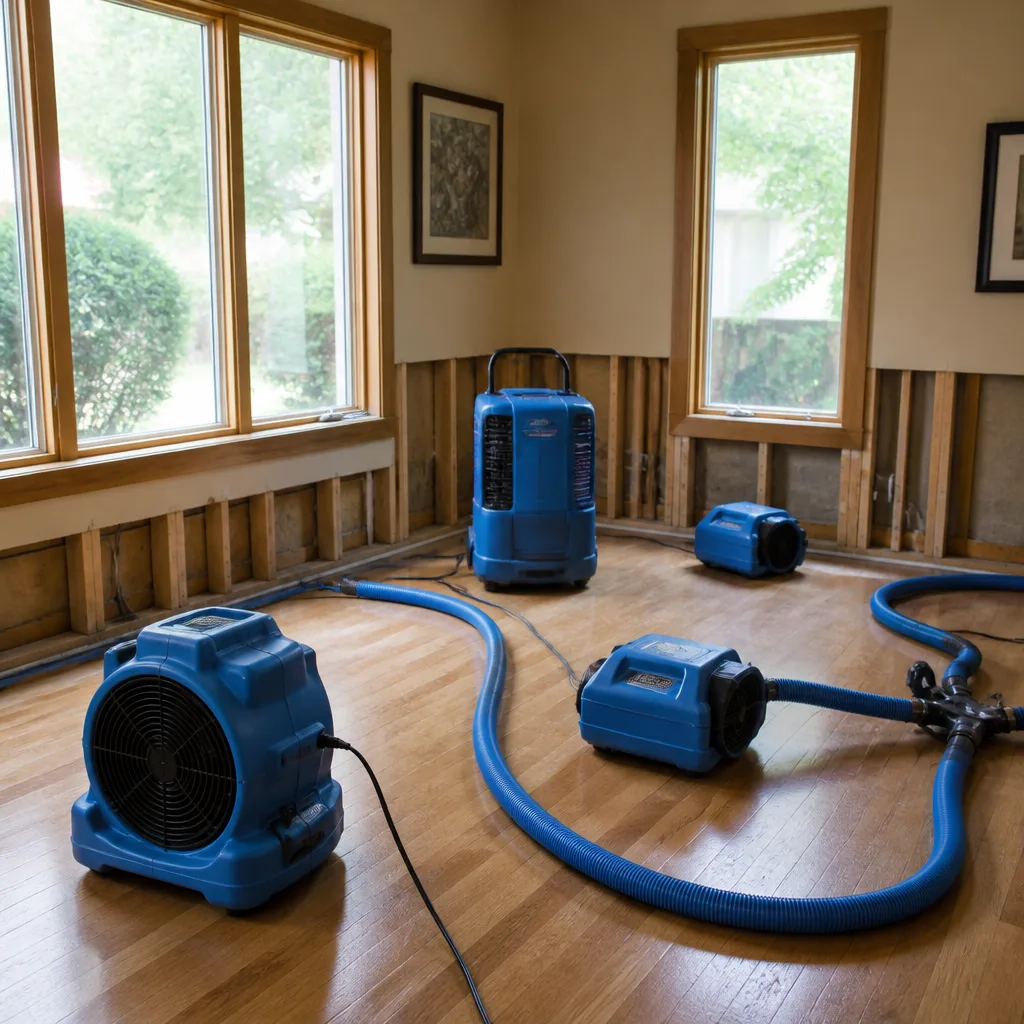
- Structural drying. Professional-grade air movers and dehumidifiers from Dri-Eaz, Phoenix, and B-Air are placed according to a drying plan. Moisture readings are taken daily. This step takes three to five days for most Temecula homes, not the two hours a rental fan from a big-box store runs.
- Targeted demolition. Only material that cannot be dried or is contaminated is removed. This is where Injectidry systems earn their place on the job: wall cavities and subfloors that can be dried in place do not need to be opened up. Less demolition means a shorter rebuild and a lower final bill.
- Mold remediation. If mold is present, or if the water category makes mold growth likely, affected areas are contained, HEPA-filtered, and treated. Remediation is not the same as cleaning. It requires containment, negative air pressure, and clearance testing.
- Sanitization and deodorization. For fire jobs especially, this step removes smoke residue, soot, and odor from surfaces and air. For water jobs, it ensures the area is clean and safe before rebuild begins.
- Rebuild preparation. The restoration team leaves the structure dry, clean, and ready for reconstruction. At this point, finishing work begins: drywall, paint, flooring, fixtures.
Reordering or skipping steps voids the process. Open up a wall before the source is eliminated and you have just given water a new path to travel. Skip the drying step and install new drywall over a damp cavity, and you have built a mold incubation chamber. Insurance adjusters know this sequence. When a claim shows evidence that steps were skipped, they deny the rebuild portion. The sequence is your protection.
What IICRC Certification Actually Means and Which Categories Matter
The IICRC, the Institute of Inspection, Cleaning and Restoration Certification, is the restoration industry’s standard-setting body. When a company says it is IICRC-certified, that claim means technicians have passed standardized exams and demonstrated competency in specific restoration disciplines. But the IICRC does not offer a single “restoration certification.” It offers specific designations, and knowing which ones matter changes how you vet any contractor.
Three designations are relevant to the work covered in this guide:
- WRT: Water Damage Restoration Technician. This is the foundational certification for water extraction, drying theory, and equipment placement. A WRT-certified technician knows how to map moisture, calculate drying chamber requirements, and document the process.
- ASD: Applied Structural Drying. This certification goes beyond WRT and covers advanced drying techniques, including floor systems, wall cavities, and specialty drying methods. The ASD designation is what separates a technician who sets fans from one who actually dries a structure.
- FSRT: Fire and Smoke Restoration Technician. This covers the unique challenges of fire damage: smoke behavior, residue chemistry, odor removal, and surface cleaning. Fire restoration is not a water damage job with different tools. It requires different knowledge entirely.
When you are interviewing a restoration company in Temecula, ask for these specific certifications. A company that can name the designations its technicians hold, WRT, ASD, FSRT, is demonstrating that it trains to a standard, not just to a marketing brochure. Fresh Start Water Damage holds IICRC certification and is also a member of the Restoration Industry Association (RIA) and the IFA, which means an additional layer of professional accountability. See our Water Damage Restoration in Temecula page for more detail on how certified drying works on site.
One note for the analytical homeowner: any contractor can print “IICRC certified” on a truck. The designation has teeth only when the technicians on your specific job, not just the company owner, hold current certifications. Ask. A legitimate operation will tell you exactly which techs are certified and what they hold.
Water Damage Categories and What They Mean for Your Home
Not all water is equal, and the IICRC standard defines three categories that affect every decision downstream. This is the distinction that most guides gloss over, but it drives everything: how much gets torn out, how the drying plan is designed, and whether your insurer considers the scope reasonable.
- Category 1: Clean water. This comes from a sanitary source: a burst supply line, a faucet left running, a water heater tank leak that is not contaminated. Category 1 water is the easiest to remediate. If dried quickly, most affected materials can be saved. But Category 1 water becomes Category 2 quickly if left standing.
- Category 2: Gray water. This is water with some level of contamination: dishwasher overflow, washing machine discharge, toilet overflow with urine only. Category 2 water carries microorganisms and requires more aggressive drying and disinfection. Carpet padding and other porous materials are usually removed.
- Category 3: Black water. This is grossly contaminated: sewage backup, floodwater from outside, toilet overflows with feces, standing water that has begun to grow bacteria. Category 3 water requires full PPE, containment, and removal of all affected porous materials. Non-porous surfaces must be disinfected. Nobody dries a Category 3 carpet. It gets cut out and bagged.
The category is determined by the source and the time the water has been sitting, not by how the water looks. A supply line leak that has been pooling for four days in a warm Temecula garage is almost certainly Category 3 by the time anyone finds it. This matters because it changes what your insurance adjuster will approve. If a contractor starts drying before categorizing the water correctly, the resulting claim can be denied, and worse, contaminated material can be left in place. Know the category. Ask your contractor to confirm it in writing before work begins.
Why a Single Restoration Team Prevents Scope Gaps
The single most expensive mistake in the restoration industry is the scope gap: the space between what the water damage contractor dried, what the mold contractor remediated, and what the fire contractor cleaned. When three different companies work on the same home, each one is responsible only for its narrow slice. The water team extracts and dries. Then they leave. The mold team arrives, sees mold that the water team exposed, and remediates. Then they leave. The rebuild contractor arrives and covers everything with new drywall. Then the mold comes back, because the water team did not dry to clearance standards, and the mold team only treated what was visible, and nobody was accountable for the full arc.
This is not a theoretical risk. We have walked into Temecula homes, in Paseo del Sol, in Wolf Creek, in Harveston, where a previous water damage job was signed off by a contractor who never tested the wall cavities behind the exposed area. The homeowner did not know what to ask for. The adjusted claim did not include cavity testing. A year later, the baseboards were discolored again.
One team, full restoration, closes these gaps. When a single IICRC-certified operation handles water extraction, drying, mold remediation, and fire damage assessment under one roof, the scope is continuous. The technician who identified the water source is the same technician who verifies the structure is dry before rebuild. The mold containment plan accounts for what the water damage revealed. The fire cleanup accounts for the water used to suppress the fire. There is no handoff point where accountability evaporates.
This is also why the equipment matters. A operation using commercial-grade drying systems from Dri-Eaz, Phoenix, XPOWER, and B-Air is measuring moisture in real time and adjusting the drying plan daily. A contractor using consumer-grade fans is guessing. The difference is a structure that is actually dry versus a structure that looks dry. In Temecula’s climate, a structure that looks dry but is not will grow mold before the paint cures. See how this connects to our Mold Remediation in Temecula work, where unresolved moisture is the number one cause of recurring mold we see.
How Temecula Insurers Handle Restoration Claims
Insurance carriers are not uniform in how they handle restoration claims, and Temecula homeowners interact with a specific set of carriers more than others. The pattern we see across Temecula and the surrounding Riverside County market breaks into two groups.
The first group requires independent adjuster sign-off before remediation begins. These carriers send out a third-party adjuster to inspect the damage, document the scope, and approve the initial work authorization. The process can take 24 to 72 hours from the time you file the claim. This delay matters in Temecula, where mold can begin colonizing within 48 hours. Homeowners with these carriers should document everything immediately: photos, videos, moisture meter readings if they can get them, and a written scope from their restoration contractor. The more documentation you have, the faster the adjuster can approve the work.
The second group allows immediate work authorization for mitigation. These carriers understand that water extraction and initial drying cannot wait for an adjuster to visit. They allow certified restoration companies to begin emergency mitigation immediately, with the understanding that the adjuster will review the documentation afterward. This is why having a restoration company that documents thoroughly matters: your mitigation work becomes the evidence for your rebuild claim.
Here is what to do regardless of your carrier: call your insurance company first, then call a restoration company that provides photo-documented assessments and a written scope before work begins. The written scope is your strongest tool when the adjuster arrives. Without it, the adjuster is looking at a wet house and guessing. With it, they are reviewing a documented plan. A real plan, not just a mop and a fan.
One more Temecula-specific note: many homes here are on a private well or a community water system (Rancho California Water District serves most of Temecula). Water damage from a failed well pump or a pressure tank surge can be sudden and substantial. Document the source, the pressure reading if available, and the time you discovered the loss. Adjusters look for cause-and-effect documentation, and a clear timeline strengthens the claim.
Drying Smarter, Not Just Faster: The Injectidry Difference
Most homeowners picture drying as a room full of fans. That is the amateur image, and it is also the most common way structures get under-dried. Professional drying is a science: you calculate the volume of the affected area, you measure the moisture content of the materials, you set equipment to hit target evaporation rates, and you monitor daily until the structure is dry. The equipment phase that separates professional work from rental-fan work is the use of specialty drying systems, and in our experience, the most consequential is Injectidry.
Injectidry systems dry wall cavities and subfloors without opening them up. The system forces dry air through small injection points directly into enclosed spaces that would otherwise hold moisture for weeks. Without this approach, drying a saturated wall cavity means tearing out the drywall. With it, a technician can place injection points along the baseboard, connect the system, and dry the cavity in place. The drywall stays up. The paint stays on. The rebuild cost drops dramatically.
This matters in Temecula for a practical reason: most homes here are on slabs, and saturated wall cavities above concrete are slow to dry without forced air movement. A slab does not drain. Moisture that has wicked into the bottom plate and up into the stud bays has nowhere to go unless you force air through the cavity. Fans in the room do not move air inside the wall. Injectidry does.
The broader point is this: commercial-grade drying equipment from Dri-Eaz, Phoenix, XPOWER, and B-Air is designed to dry structures, not rooms. The difference shows up in the moisture readings day over day. A professional drying plan includes map of affected areas, and readings are taken daily to confirm progress. When numbers stop moving, the plan adjusts. That is what “dry smarter, not just faster” means. It is not a slogan. It is a protocol.
Common Mistakes to Avoid
- Waiting to see if it dries on its own. In Temecula’s warm interior climate, trapped moisture inside wall cavities breeds mold faster than homeowners expect. By the time visible signs appear, the scope has expanded from drying to remediation.
- Using household fans and opening windows. A box fan moves air around the room. It does not dry wall cavities, subfloors, or insulation. Opening windows in Temecula adds humidity from outside air, which works against the drying process.
- Hiring a contractor who does not classify the water category. If the contractor cannot tell you whether the water is Category 1, 2, or 3, they are not following the IICRC standard. Category determines everything downstream.
- Letting a contractor start demolition before the source is stopped. Opening walls before the water source is eliminated creates new pathways for water to travel and expands the affected area. Source first, always.
- Not documenting before work begins. Photos, videos, and a written scope protect your insurance claim. Once material is removed, the evidence is gone. A restoration company that provides photo-documented assessments before work starts is protecting you.
- Hiring one company for water and a different one for mold. The scope gap between two contractors is where unresolved moisture hides. One certified team handling the full arc from extraction to mold clearance eliminates that gap.
- Replacing drywall before the structure is verified dry. The moisture meter reading is the only thing that proves dryness. If your contractor cannot show you the numbers, the new drywall is going over a damp cavity.
When to Call a Professional
Call a professional restoration company immediately any time water has entered your home from a source you cannot fully see, any time water has been sitting for more than a few hours, any time you smell a musty odor you cannot locate, and any time fire or smoke has affected any part of the structure. The emergency threshold is low: if you can see it, it has been happening longer than you think. If the water came from a sewage backup or an outside flood, do not attempt cleanup yourself. Category 3 water carries pathogens. Fresh Start Water Damage offers free estimates in Temecula, call (844) 878-6356 and a certified team will assess the damage, classify the water, and give you a written scope before any work begins. We also cover Fire Damage Restoration in Temecula with the same IICRC-certified standard.
Frequently Asked Questions
Water damage restoration in Temecula typically ranges from $3,500 to $12,000 depending on the affected square footage, water category, and drying complexity; mold remediation runs $2,000 to $8,000 for contained areas; and fire damage restoration starts around $5,000 and scales with the size of the burn and smoke spread. See our Damage Restoration Cost Breakdown: The Temecula Homeowner’s Reference for 2026 for detailed pricing factors. These are insurance-driven scopes, and most carriers approve documented work from IICRC-certified contractors. Call (844) 878-6356 for an exact quote, estimates are free.
A local Temecula restoration company can typically have a certified technician on site within hours of your call, day or night. The speed matters because mold colonization begins within 48 to 72 hours in this climate. Call (844) 878-6356 and we can dispatch a crew to assess the damage the same day.
Most homeowner policies cover sudden and accidental water damage, such as a burst pipe or water heater failure, but not gradual leaks or neglect. Coverage depends on your policy language and the documented cause. A restoration company that provides photo-documented assessments and a written scope gives your adjuster the evidence needed to approve the claim.
If visible mold covers more than 10 square feet, or if the mold is inside wall cavities, or if the water source was Category 2 or 3, professional mold remediation is required, not optional cleaning. Cleaning removes surface mold but does not address the moisture that feeds it. In Temecula, hidden mold behind walls is common because slab construction traps moisture at the base plate level.
Shut off the water source if you can do so safely, turn off electricity to the affected area if water is near outlets, move undamaged belongings aside, take photos of the damage, and do not attempt to remove drywall or open walls. The less you disturb the area, the cleaner the assessment and the stronger your insurance documentation.
Temecula’s clay-heavy soil expands and contracts with moisture changes, putting stress on under-slab plumbing in a way that coastal sandy soils do not. Most Temecula homes are built on slab-on-grade foundations, which means a slab leak travels horizontally and can affect multiple rooms before surfacing. Early warning signs include a warm spot on the floor, unexplained water bill increases, or the sound of running water with no fixtures on.
The Bottom Line
Damage restoration in Temecula is a chain reaction. Water becomes mold. Fire creates water. Delays turn small scopes into large ones. The homes here, built on slabs over clay soil in a warm inland climate, make the reaction faster and the consequences more expensive. What protects you is a restoration process that follows the IICRC sequence: assess, extract, dry, remediate, and verify. What saves you money is drying smarter with commercial-grade systems like Injectidry instead of tearing out drywall that could be saved. What saves your claim is documentation: photos, moisture readings, and a written scope before work starts. When one certified team handles the full arc of water, mold, and fire damage, the scope gaps close, and your home gets restored in one continuous process instead of three disconnected ones. Visit our Fresh Start Water Damage home page to see how a IICRC-certified, RIA and IFA affiliated team approaches restoration in Temecula, or call (844) 878-6356 for a free estimate and a real plan, not just a mop and a fan.
Written by the team at Fresh Start Water Damage, serving Temecula since 2017. Explore more guides & resources.
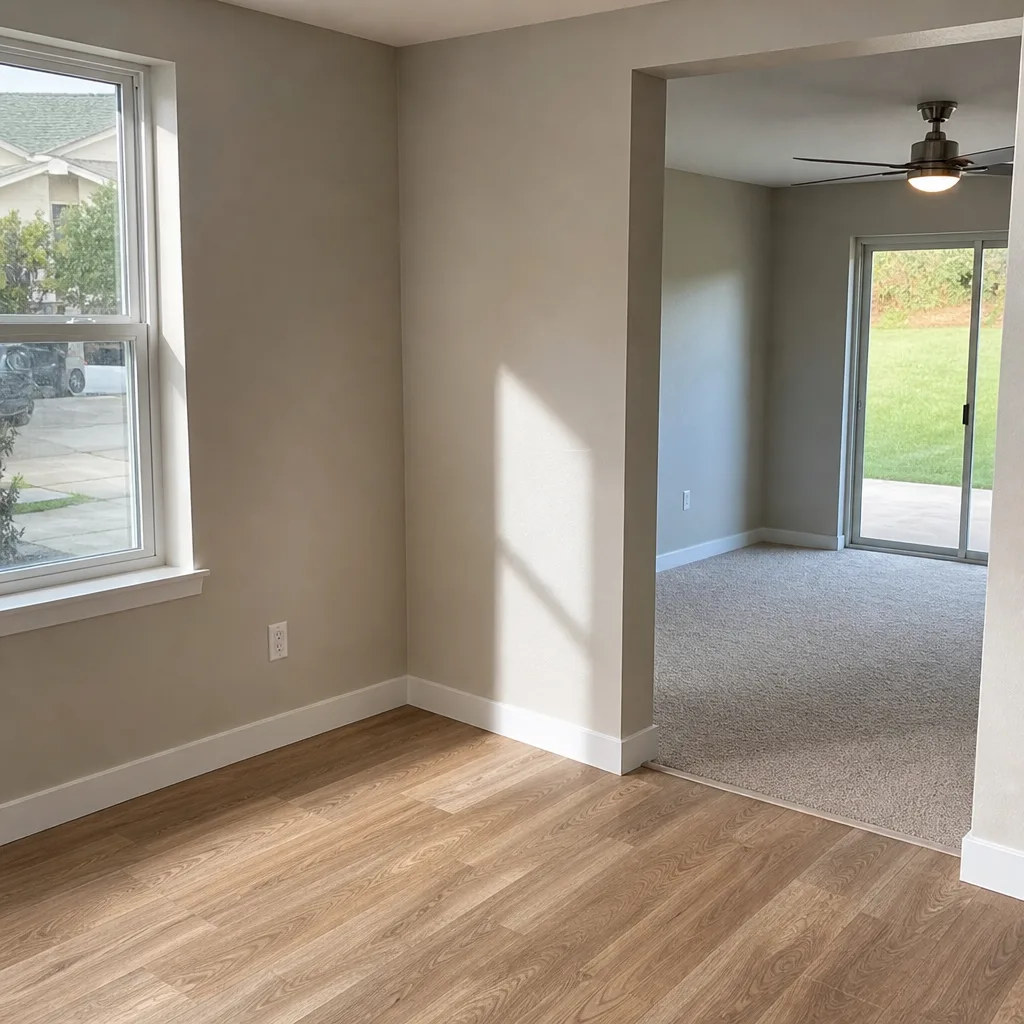
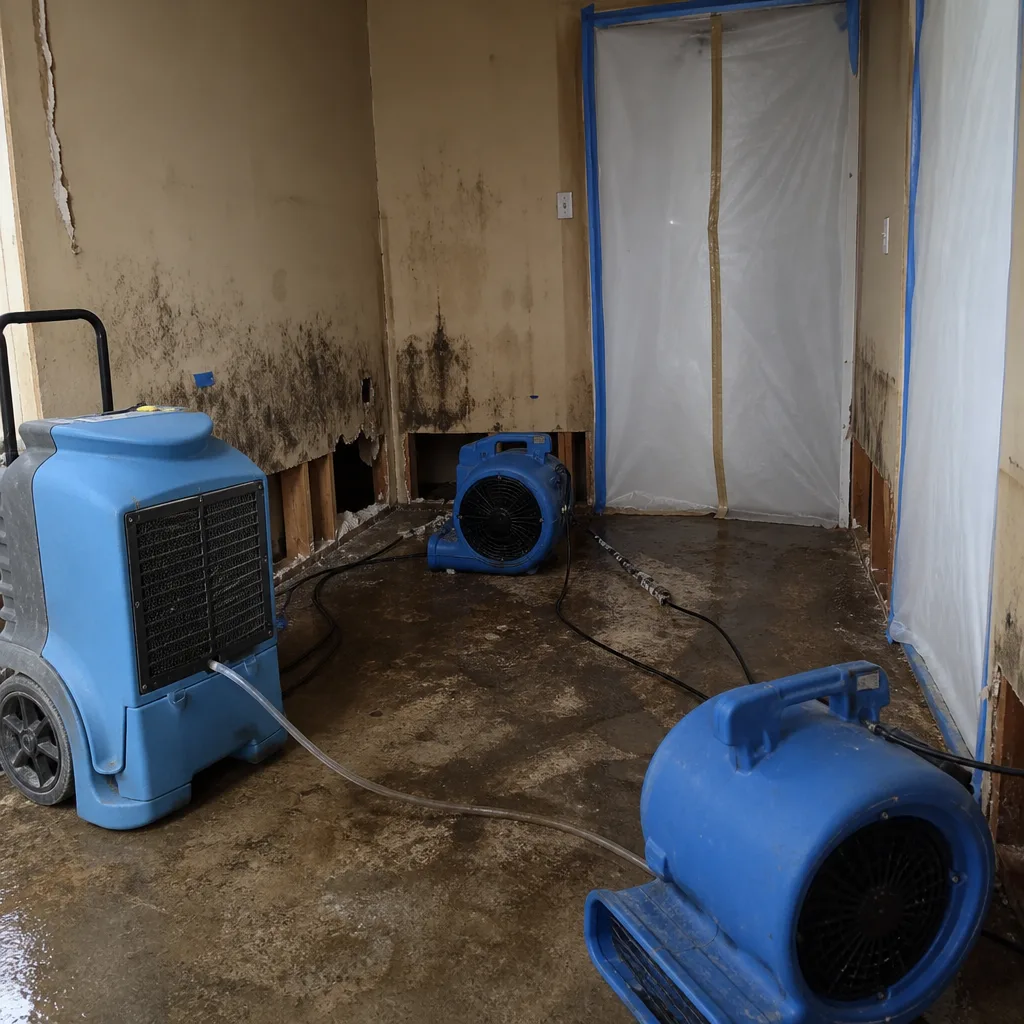
See the difference
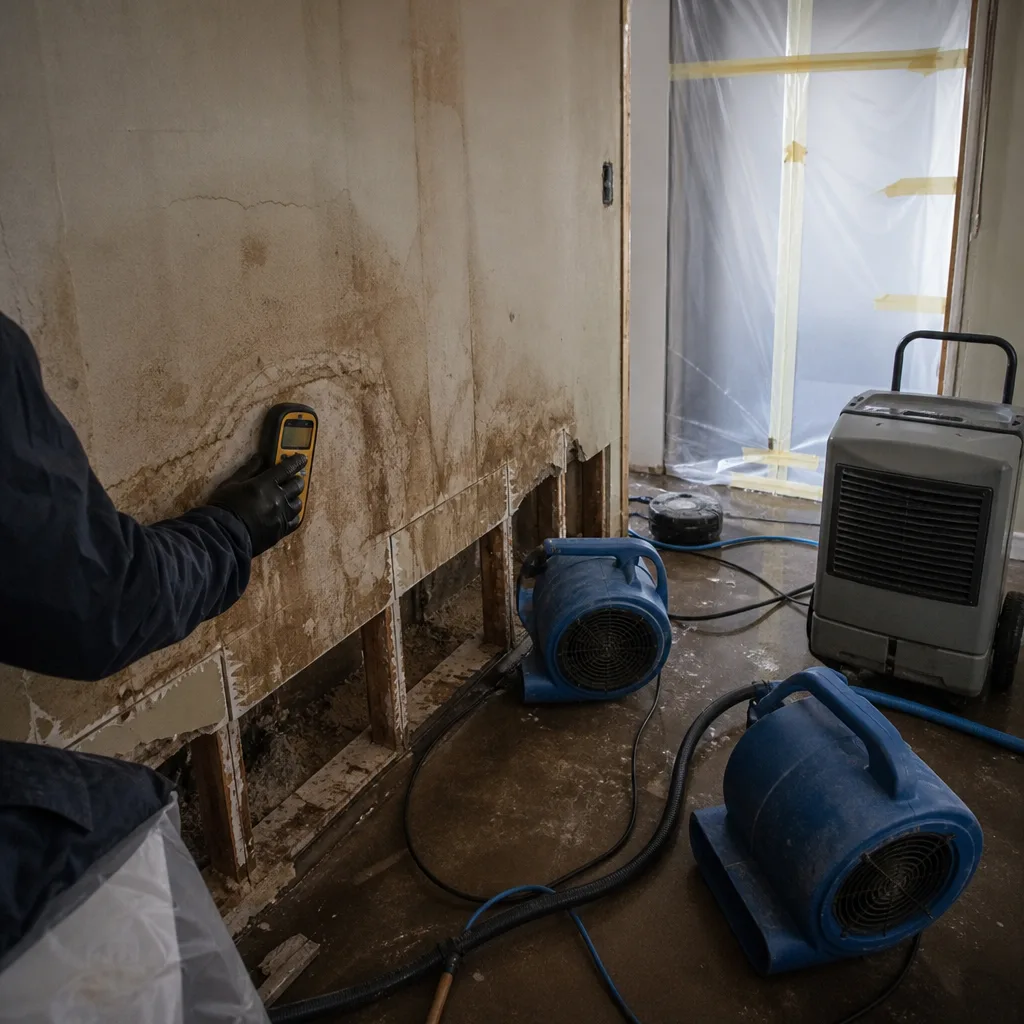 Before
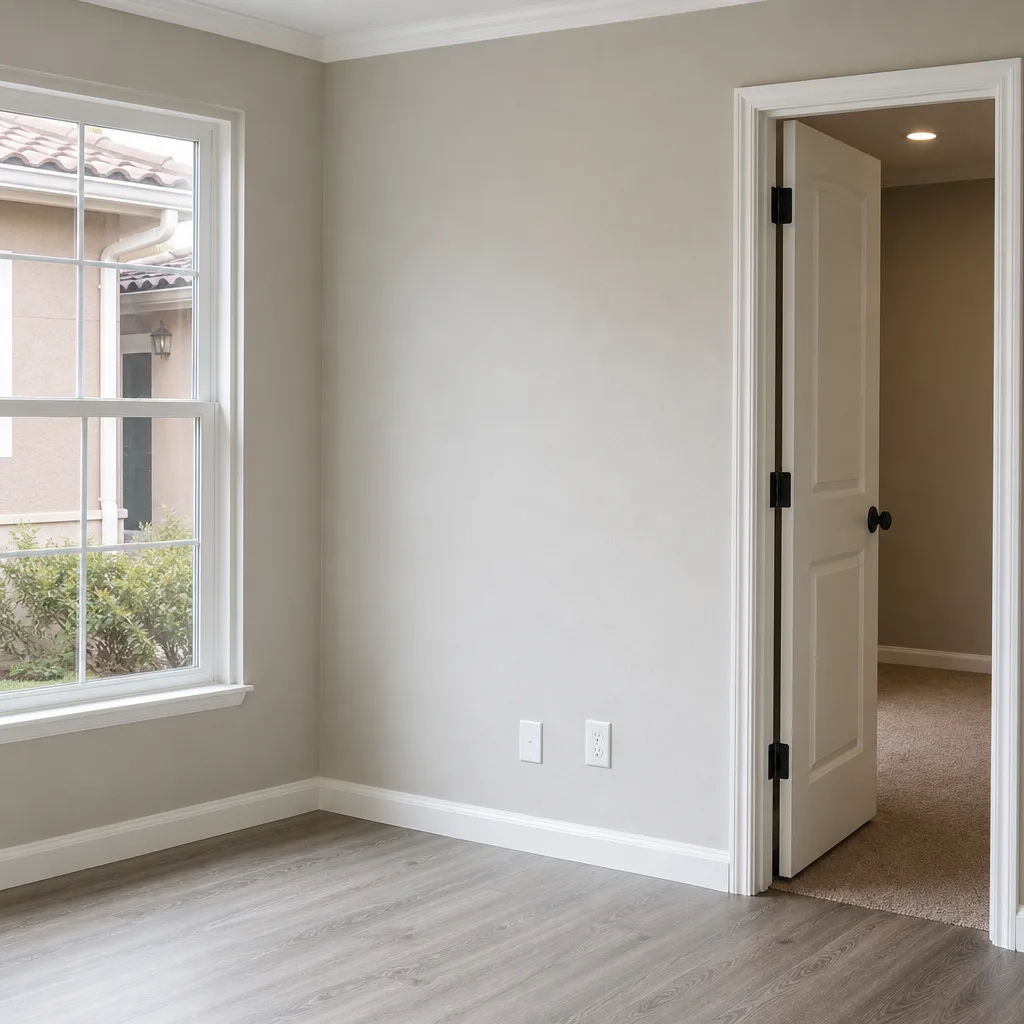 After
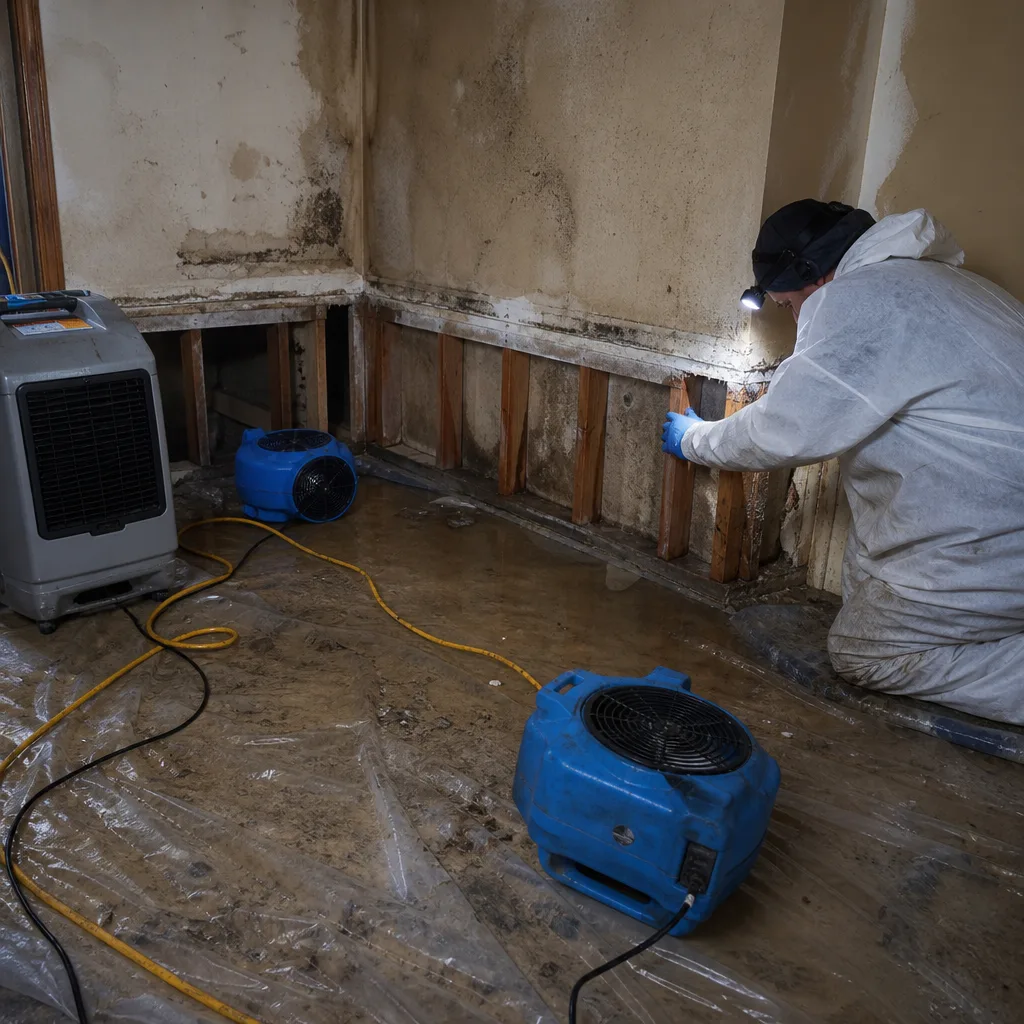 Before
 After
 Before
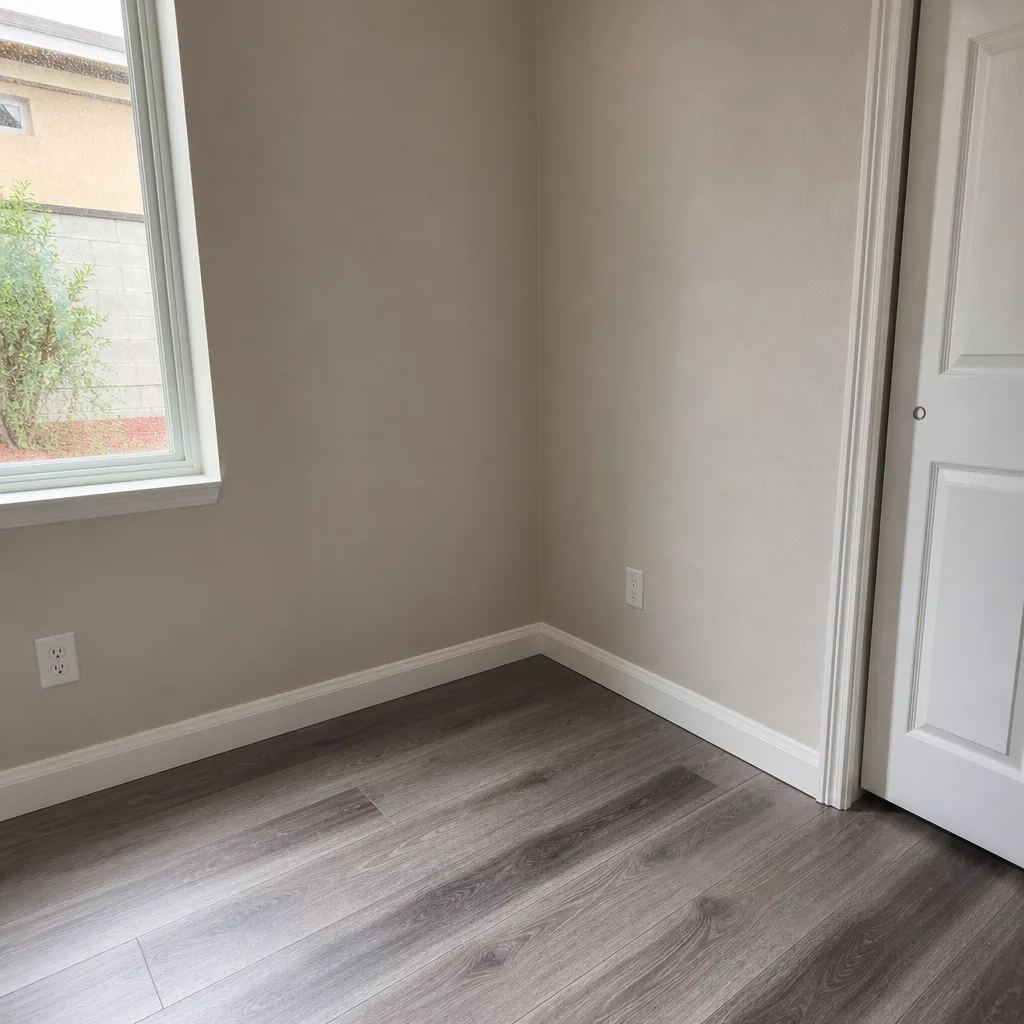 After