

Last updated October 30, 2026
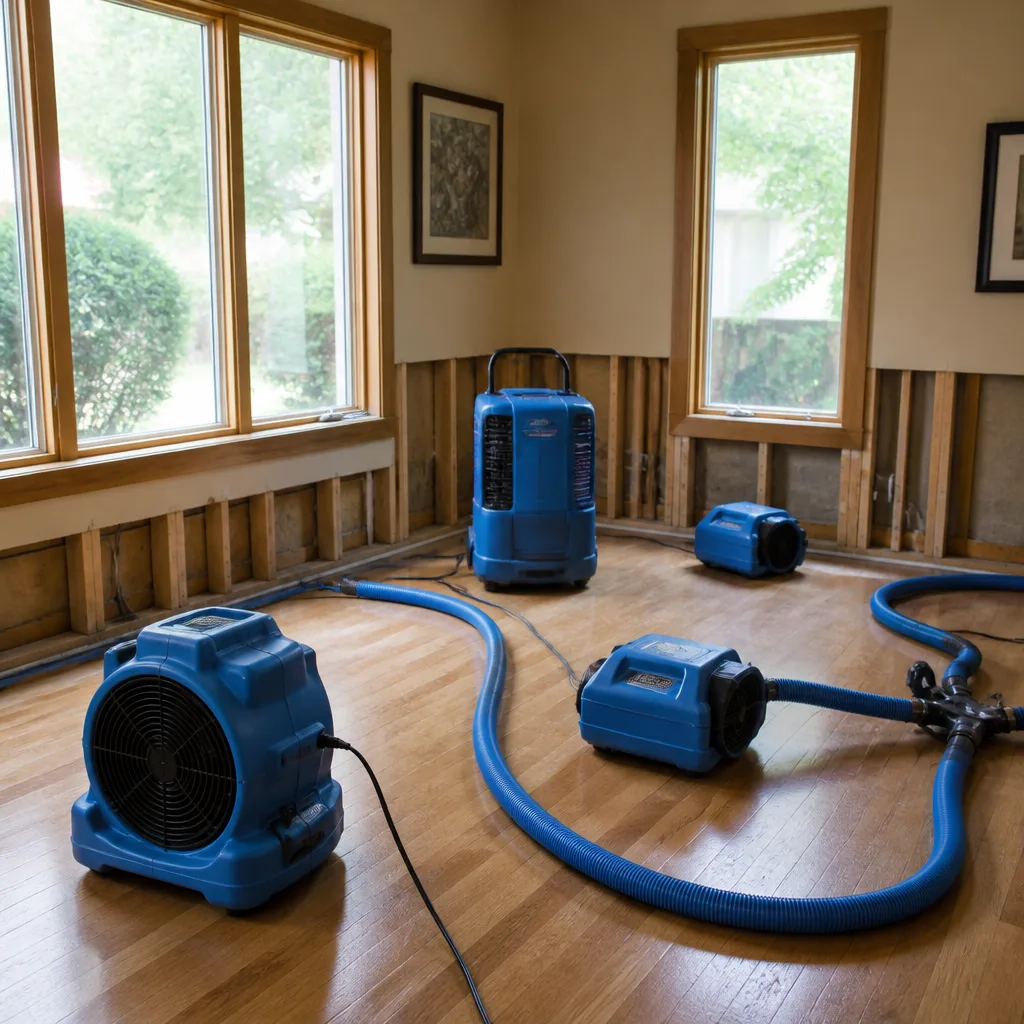 Water damage drying
 Fire & smoke cleanup
 Mold remediation
 Storm response
 Sewage cleanup
 Reconstruction
Free visual inspection and a written scope of work before any mitigation begins - photos, moisture readings, and drying logs go in your claim file
The scope we write is the scope we bill. Anything new gets shown to you, in writing, before we touch it.
Get your free estimateDamage Restoration Emergency Preparedness Guide for Temecula Homes
In a water damage emergency, the average homeowner spends 23 minutes searching for their main water shutoff valve. During that time, a broken supply line dumps roughly 8 to 12 gallons per minute into the home. For a 3/4-inch supply line at typical Temecula water pressure, that’s 185 to 275 gallons before the water stops. Knowing where the shutoff is in advance isn’t preparedness theater. It’s measurable damage reduction. This guide and our Damage Restoration Warning Signs: A Temecula Homeowner’s Reference Guide walk through what Temecula homeowners actually need documented before a loss event, because the difference between a 10-day restoration and a 10-week rebuild usually comes down to three things: shutoff locations, insurance language, and a vetted contractor.
Quick Answer
Emergency preparedness for Temecula homes means documenting three things before anything goes wrong: the exact locations of your water, gas, and electrical shutoffs; the four insurance policy provisions that dictate what you can do in the first 24 hours; and the name of a certified restoration contractor you’ve already vetted. These three items determine whether a water, fire, or mold event resolves quickly or turns into a prolonged displacement. You can create this documentation in under an hour, and it costs nothing.
Restoration work we handle
Table of Contents
- The Home Systems Map: Know Your Shutoffs Before You Need Them
- Pre-Loss Documentation: What to Photograph and Where to Store It
- The 10-Minute Insurance Policy Audit
- How to Pre-Qualify a Restoration Contractor Before You Need One
- Temecula-Specific Emergency Resources and Contacts
- Common Mistakes to Avoid
- When to Call a Professional
- Frequently Asked Questions
The Home Systems Map: Know Your Shutoffs Before You Need Them
Every Temecula home has four emergency shutoff points, and most homeowners can locate exactly one of them. The electrical panel is usually obvious. The water shutoff, gas shutoff, and HVAC emergency switch are not. Here’s what to look for in the common home configurations found across Temecula’s neighborhoods, from the stucco tract homes of Redhawk to the newer builds in Harveston and the custom properties in Meadowview.
The main water shutoff. In most Temecula homes built on slab foundations, the main water shutoff is located where the water line enters the house from the street. Look for a hose bib or a covered box along the front exterior wall, typically near the garage. In homes with attached garages, the shutoff is often on the wall where the water heater sits. Turn the valve clockwise to close it. If you can’t find the main shutoff, Rancho California Water District provides after-hours emergency shutoff assistance for customers in most Temecula service areas.
The gas shutoff. The gas meter is usually on the side of the house or near the front property line, and the shutoff valve sits on the pipe rising from the ground next to it. You’ll need a wrench to turn the valve a quarter turn so it sits perpendicular to the pipe. Do not turn the gas back on yourself after a shutoff. Southern California Gas Company or a licensed plumber must relight pilots and verify the system. A gas leak after an earthquake or fire is a hazard that demands professional attention, not a DIY reset.
The electrical panel. Most Temecula homes have the main panel in the garage or on an exterior stucco wall. Know which breaker controls the water heater, the HVAC air handler, and any sump pump or sewage ejector if your home has one. In a flooding event, you may need to cut power to these systems before water reaches them.
The HVAC emergency shutoff. This is the switch most people never find until the air handler is full of water and the system is shorting. It’s a toggle switch mounted on or near the indoor air handler, typically in a hall closet, attic, or garage. If you hear the system running while water is present anywhere near it, kill this switch immediately.
The One-Page Home Systems Map
We recommend drawing a one-page map of your home that marks all four locations. Hand-drawn is fine. Laminated is better. Tape it to the inside of the garage door or store it in a kitchen drawer that every adult in the house knows about. Include the following on the map:
- Main water shutoff location with a photo of the exact valve
- Gas meter and shutoff location with a note about the wrench needed
- Electrical panel location and which breakers control water contact equipment
- HVAC emergency shutoff switch location
- Water heater location and age
- The phone number for Water Damage Restoration in Temecula services
This map takes 20 minutes to make and it is the single most useful document you can have when water is actively pouring into your home. Tape it next to the water shutoff itself if you want a backup copy in the exact place you’ll be standing during an emergency.
Pre-Loss Documentation: What to Photograph and Where to Store It
When an insurance adjuster asks you to prove what your kitchen looked like before a pipe burst, your memory is not evidence. Photographs taken before the loss event are evidence. Here’s what to document and where to keep it so it’s accessible when your phone is dead and your house is flooded.
What to Photograph
Walk through your home once a year and photograph every room from multiple angles. Specifically capture:
- All walls, floors, and ceilings in each room
- Kitchen and bathroom cabinets with doors open showing interiors
- Appliances with visible model and serial numbers
- Water heater, HVAC equipment, and water softener with labels readable
- Electrical panel with the cover on and any subpanels
- The exterior of the home from all four sides, including roof condition
- Fencing, hardscape, and any outbuildings
- High-value items individually with any receipts you can locate
Store these photos in at least two places. A cloud service like Google Photos or iCloud works, but don’t rely on it alone. Keep a copy on a USB drive in a fireproof safe or stored off-site with a family member. The goal is simple: if your house burns, floods, or is inaccessible, you can still produce documentation of its condition. This is the documentation that gets claims approved faster and with less negotiation.
What Else to Keep
Along with photos, keep a simple spreadsheet or a paper file with your home’s major systems listed. Include the age of the water heater, the age of the HVAC system, the last time the roof was inspected, and the brand and model of every major appliance. When an adjuster asks whether that water heater was original to the 2004 build or replaced in 2019, you’ll have the answer. Which affects the depreciated value they’ll assign.
Here’s what to capture for each major item:
- Appliance or system type (water heater, AC condenser, etc.)
- Brand, model number, and serial number
- Date of installation or approximate age
- Any service history notes
- A current photo
This documentation costs nothing but one hour of your time each year.
The 10-Minute Insurance Policy Audit
Most homeowners never read their insurance policy until they’re standing in two inches of water, and then they discover what their policy doesn’t cover. You can avoid that discovery in ten minutes by checking four specific provisions. Pull up your policy declarations page and look for these items.
1. Water Backup Rider
Standard homeowner policies in California do not cover water that backs up through a sewer line, sump pump failure, or septic system overflow. This coverage is a rider, and it costs an additional $30 to $80 per year for $5,000 to $25,000 of coverage. If you don’t have this rider, a sewage backup in your Temecula home means the entire cleanup cost is yours. Ask your agent if you have it, and what the limit is.
2. Mold Sublimit
Most policies cap mold remediation at a specific dollar amount, commonly $5,000 to $10,000, even when the mold resulted from a covered water loss. Full mold remediation in a Temecula home with widespread colonization can exceed that cap quickly. If your sublimit is $5,000, understand that anything above that is out of pocket. We’ve seen homeowners stunned by this during Mold Remediation in Temecula projects where the water damage was covered but the mold was only partially covered.
3. Additional Living Expense (ALE) Coverage
ALE covers hotel stays, meals, and other costs when your home is uninhabitable. Policies vary widely on both the dollar limit and the time frame. Some provide a flat 12 months. Others cap it at 20% of your dwelling coverage. Know your number before you need it. If a fire makes your Temecula home unlivable for three months during a reconstruction, you’ll want to know exactly how much per month you can spend on housing.
4. Duty to Mitigate Language
Every policy includes a clause requiring you to take reasonable steps to prevent further damage after a loss. This means you cannot wait three days for an adjuster to show up before you start drying the house. If you fail to mitigate, the insurer can deny coverage for the additional damage that resulted from the delay. In practical terms, this clause is why you need a restoration contractor’s number saved in your phone before you need it, as we explain in our DIY vs Professional Damage Restoration: The Temecula Homeowner’s Decision Guide. The obligation to act starts the moment the loss occurs.
The ten-minute audit is simply this: find these four provisions, read the actual numbers, and write them down in the same file where you keep your home systems map. If any of the numbers surprise you, call your agent that week and adjust your coverage.
How to Pre-Qualify a Restoration Contractor Before You Need One
The worst time to research restoration contractors is at 2 a.m. with a burst pipe flooding your kitchen. You’ll call whoever answers. That’s how homeowners end up with uncredentialed operators and inflated emergency pricing. Pre-qualifying a contractor while it’s not an emergency takes 30 minutes and removes the single biggest variable from a crisis scenario.
What Credentials to Confirm
Ask these questions and verify the answers. A legitimate restoration company will answer all of them without hesitation.
- Is the company IICRC-certified? The IICRC (Institute of Inspection, Cleaning and Restoration Certification) sets the standard for water damage, mold, and fire restoration. Certification means technicians passed rigorous testing on industry-standard procedures. It’s the baseline credential, not a bonus.
- What equipment does the company use? Consumer-grade fans and a rented dehumidifier will not dry a structure correctly. Ask specifically whether the company uses commercial-grade drying systems. Brands like Dri-Eaz produce the equipment deployed by top-tier restoration crews, and its presence on the truck tells you the company invests in proper tools.
- Does the company handle all three core services? Water damage, mold, and fire restoration require different protocols and different equipment. A company that handles all three means you won’t discover halfway through a water job that the resulting mold problem requires a different contractor. One certified team handling the full restoration arc is simpler and more accountable.
- What professional associations does the company belong to? Membership in the Restoration Industry Association (RIA) or an affiliation with the IFA signals adherence to an industry code of ethics and ongoing professional development. It’s not a guarantee, but it’s a filter.
- How does the company handle drying without unnecessary demolition? Some companies reach for a sledgehammer the moment they see wet drywall. Others use targeted drying systems like Injectidry to dry wall cavities and subfloors while preserving the structure. Less demolition means lower rebuild costs and less displacement time.
What to Ask About Process
Beyond credentials, ask how the company approaches the work itself. We recommend getting written answers to these questions before an emergency:
- What is the assessment process on arrival?
- How do you determine what gets dried versus what gets removed?
- Will I receive a written scope of work before any demolition starts?
- How do you document the loss for insurance purposes?
- What training do your technicians have for the specific issue (Category 3 water, class C fires, etc.)?
Then save the company’s number in your phone under “Restoration” and write it on your home systems map. When the emergency happens, you call the number you’ve already vetted. You don’t scroll through panic search results.
At Fresh Start Water Damage, we’re a certified operation and our full-scope services cover water damage, mold, and fire under one roof. Our technicians run commercial-grade equipment from Dri-Eaz, Phoenix, XPOWER, and B-Air, and we deploy Injectidry systems on every applicable job to dry smarter, not just faster. We’re members of both the RIA and affiliated with the IFA. When you pre-qualify us, you’re checking boxes we’ve already worked hard to earn.
Temecula-Specific Emergency Resources and Contacts
Temecula sits in a fire-prone region with seasonal Santa Ana winds, and parts of the city have expansive soils that shift with moisture levels. These factors shape the types of damage local homes sustain and the resources available when damage occurs. Here’s what Temecula homeowners should know about local emergency infrastructure.
Water District After-Hours Shutoff Assistance
Rancho California Water District serves most of Temecula and provides 24-hour emergency response for water-related issues at the meter. If you cannot locate or operate your main shutoff, call the district’s emergency line and they can dispatch someone to shut off water at the street. This is the fastest option when a valve is seized, buried, or otherwise inaccessible. Keep this number in your phone along with your Fresh Start Water Damage home restoration contact.
Riverside County Emergency Contacts
- Riverside County Emergency Management Department: coordinates disaster response and provides public alerts
- Riverside County Fire Department: handles fire response and provides defensible space inspections in fire-prone areas of Temecula
- Southern California Gas Company: 24-hour gas leak emergency line
- Temecula Building and Safety: issues permits and performs inspections after significant property damage
What Triggers a Mandatory City Inspection
After a significant loss, the City of Temecula’s Building and Safety division may require an inspection before reconstruction or repair work can proceed, as detailed in our guide to Damage Restoration Permits, Codes & Inspections in CA: What You Need to Know. This triggers when structural elements are involved: wall framing exposed by water damage, fire damage to load-bearing components, or any work requiring a permit. Your restoration contractor should understand this process and coordinate with the city as needed. This is another reason to pre-qualify a contractor: a local operation with Temecula experience already knows the city’s process and can navigate it without adding weeks to your timeline.
Temecula Climate Considerations
Temecula’s climate affects damage restoration in specific ways. The city’s hot, dry summers accelerate evaporation, which sounds helpful but can actually drive moisture deeper into slab foundations as water vapor moves through concrete. The Santa Ana wind season in fall creates fire risk that windows and roofs must be inspected against. And the region’s occasional winter rain events, particularly on hillside properties in areas like Crowne Hill and Paseo del Sol, can overwhelm drainage and create runoff issues that lead to water intrusion at the foundation level. A restoration contractor working in Temecula should understand these local factors, not just generic restoration protocols.
Common Mistakes to Avoid
- Waiting to locate the shutoffs until the emergency happens. The 23 minutes you spend searching for the valve costs you hundreds of gallons of water in the house. Walk the perimeter of your home this weekend and find them.
- Turning the gas back on yourself after a shutoff. This requires a professional. A missequenced relight can cause a flash fire. Call the gas company or a licensed plumber.
- Documenting nothing until you need to file a claim. The adjuster will ask what the room looked like before. A pre-loss photo walkthrough answers that question with evidence, not memory.
- Assuming mold is covered the same as water damage. It usually isn’t. The mold sublimit is often far lower than the water damage coverage, and homeowners discover this mid-remediation.
- Calling a plumber but not an extraction crew. A plumber fixes the leak. The water already in the walls, floors, and subfloor needs professional extraction and drying. Waiting a day to start drying can turn a clean-water event into a mold situation.
- Using consumer-grade fans and hoping for the best. Household fans do not produce the airflow or dehumidification capacity required to dry building materials. They move surface air around while moisture sits inside wall cavities, exactly where Fire Damage Restoration in Temecula technicians and water specialists know structural damage develops quietly.
- Starting reconstruction before the structure is actually dry. Drywall can feel dry to the touch and still hold 20% moisture content. Moisture meters, not fingers, determine readiness. Rushing this step is how new mold appears six months after a “successful” repair.
When to Call a Professional
Some situations clearly call for professional restoration. Clean water from a supply line that you catch within minutes and dry immediately may be manageable with thorough household drying. Everything else deserves a professional assessment, and the assessment is usually free. Call a restoration company if: water has reached walls, flooring, or base cabinets; water sat for more than a few hours; the water source is anything except a clean supply line (toilet overflow, dishwasher discharge, exterior flooding); you smell mustiness more than 48 hours after drying; or fire or smoke has affected any part of the structure. Fresh Start Water Damage offers free estimates in Temecula. Call (844) 878-6356 and a certified technician will assess the situation and give you a real plan, not just a mop and a fan.
Frequently Asked Questions
Most Temecula water damage restoration projects take 3 to 5 days for the drying phase, with reconstruction time varying based on the extent of damage. The drying timeline depends on the materials affected, the water category, and how quickly mitigation began. Homes where drying starts within hours of the loss typically resolve faster than homes that waited a day or more, because secondary damage like delamination and wicking hasn’t had time to develop.
Sudden and accidental water damage from a burst pipe or supply line is generally covered by standard California homeowners policies. Gradual leaks, flooding from exterior sources, and sewage backup are generally not covered unless you have specific riders. Check your policy’s water damage section and your water backup rider before a loss occurs, because the difference in coverage determines what you can afford to do in the first 24 hours.
Stop the water at the source, kill power to affected areas if water is near electrical components, remove valuables from the wet area, document the damage with photos, and call a certified restoration contractor immediately. The duty to mitigate clause in your insurance policy requires you to act promptly, and every hour of delay increases both the damage extent and the final restoration cost.
Structural repairs, electrical work, plumbing changes, and any load-bearing reconstruction after water or fire damage generally require permits from the City of Temecula Building and Safety division. Cosmetic repairs like painting, trim replacement, and flooring typically do not. Your restoration contractor should advise you on what requires permitting, and a contractor with local experience will know Temecula’s application process and typical timelines.
Visible discoloration on walls or ceilings, a persistent musty odor, and warping of baseboards or drywall are the common indicators that mold has developed after water exposure. In Temecula’s warm climate, mold can begin colonizing in as little as 48 to 72 hours after a water event if materials remain wet. Professional mold assessment uses moisture meters and air sampling to determine the extent of colonization, because visible mold is often just the surface expression of a larger cavity problem.
Yes. Fire damage involves smoke and soot contamination that requires specialized cleaning agents and techniques, while water damage from firefighting efforts adds a secondary water restoration component. A fire restoration project typically requires addressing both simultaneously: the water from suppression and the smoke, soot, and structural damage from the fire itself. A company with triple-discipline capability can handle the full arc without coordinating multiple contractors.
The Bottom Line
Emergency preparedness for Temecula homes isn’t about survival kits or elaborate plans—explore our more guides & resources for additional home protection strategies. It’s about three concrete pieces of documentation: a one-page map of your shutoff locations, a photo archive of your home’s pre-loss condition, and the results of a ten-minute insurance policy audit. Add a pre-qualified restoration contractor to that file and you’re done. All of it takes under two hours total, and it determines whether a water, fire, or mold event disrupts your life for two weeks or two months. Do it this month, before the next Santa Ana season or the next winter rain. Call (844) 878-6356 for a free assessment of your home’s readiness and keep that number next to your shutoff map.
Written by the team at Fresh Start Water Damage, serving Temecula since 2017.
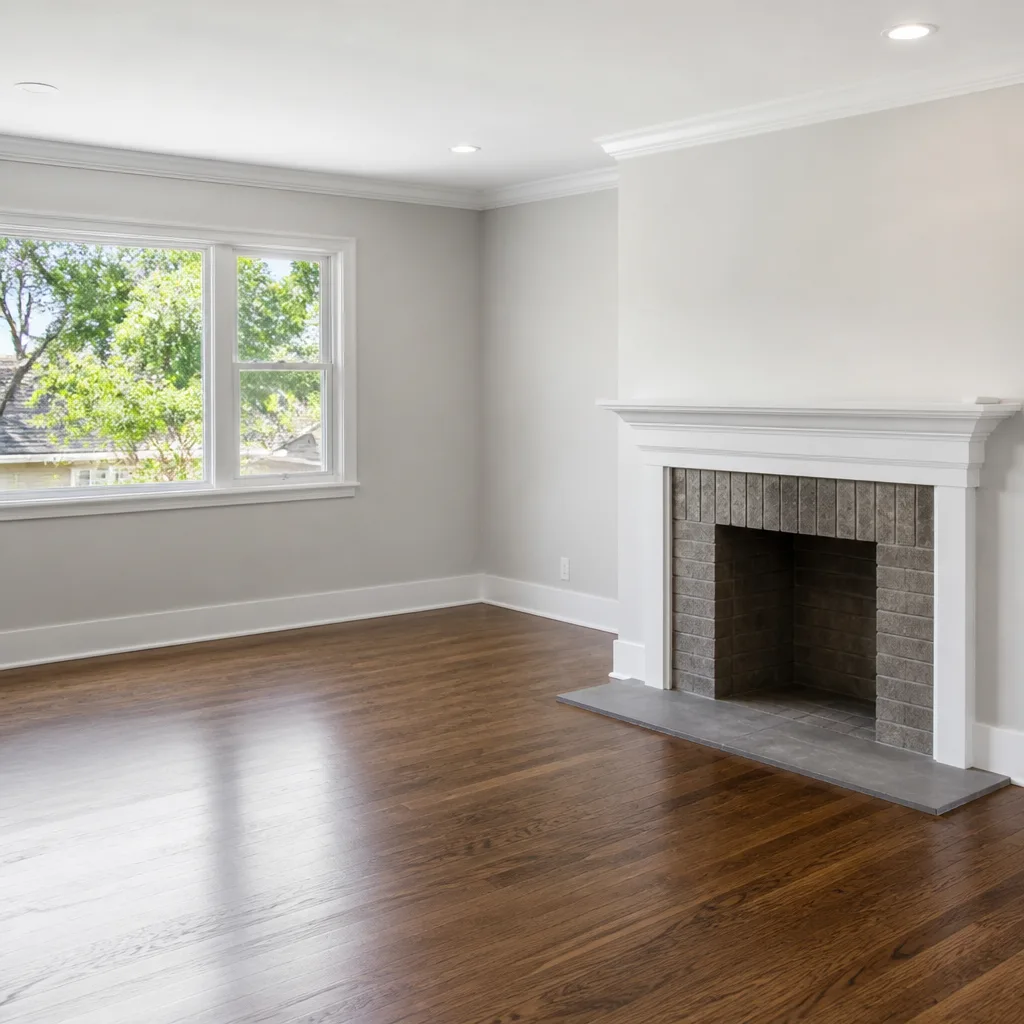
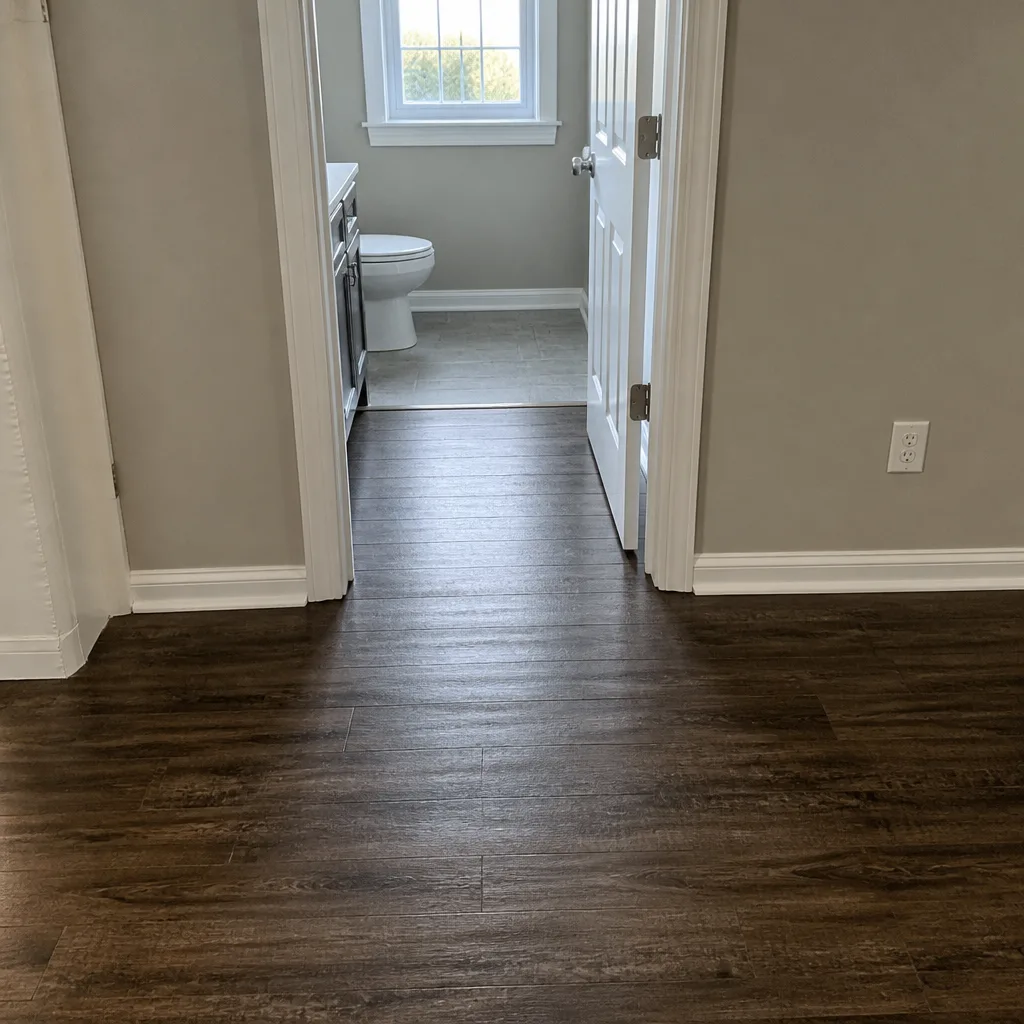
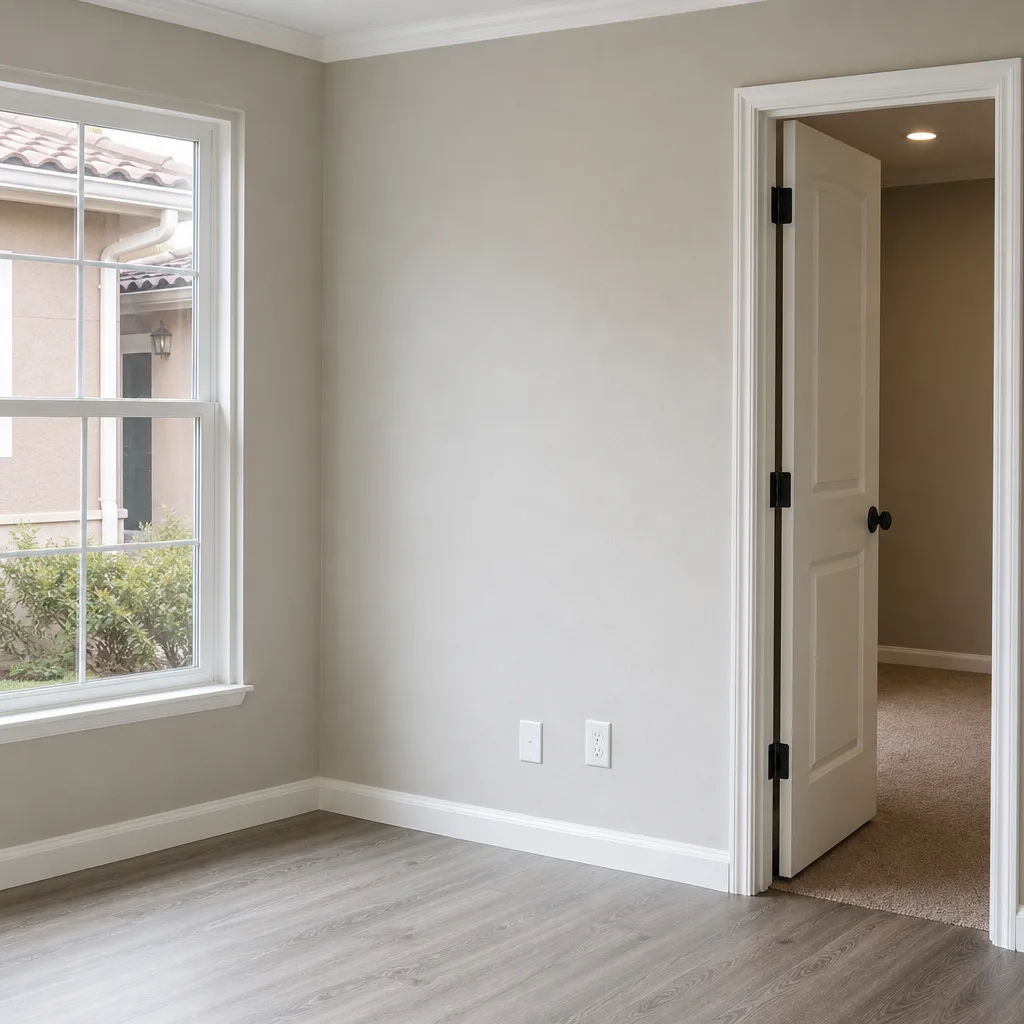
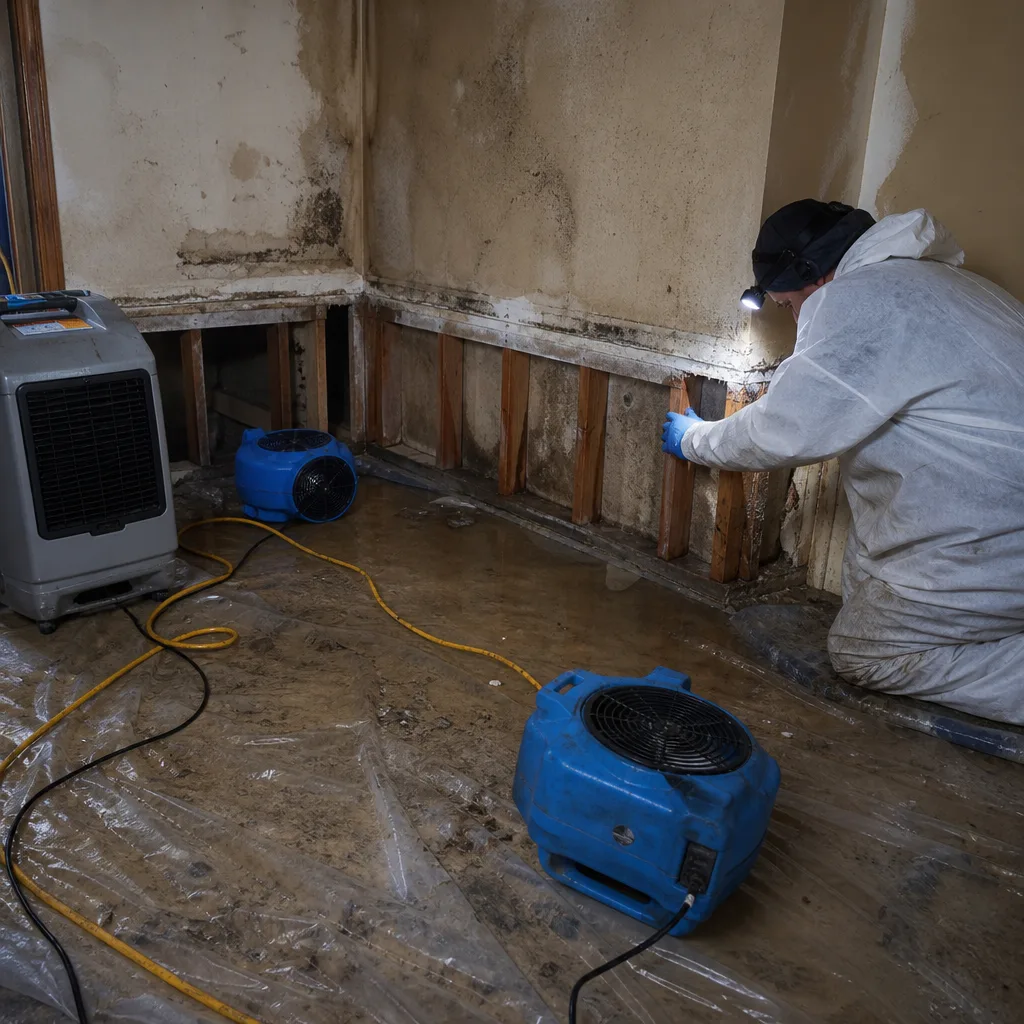
See the difference
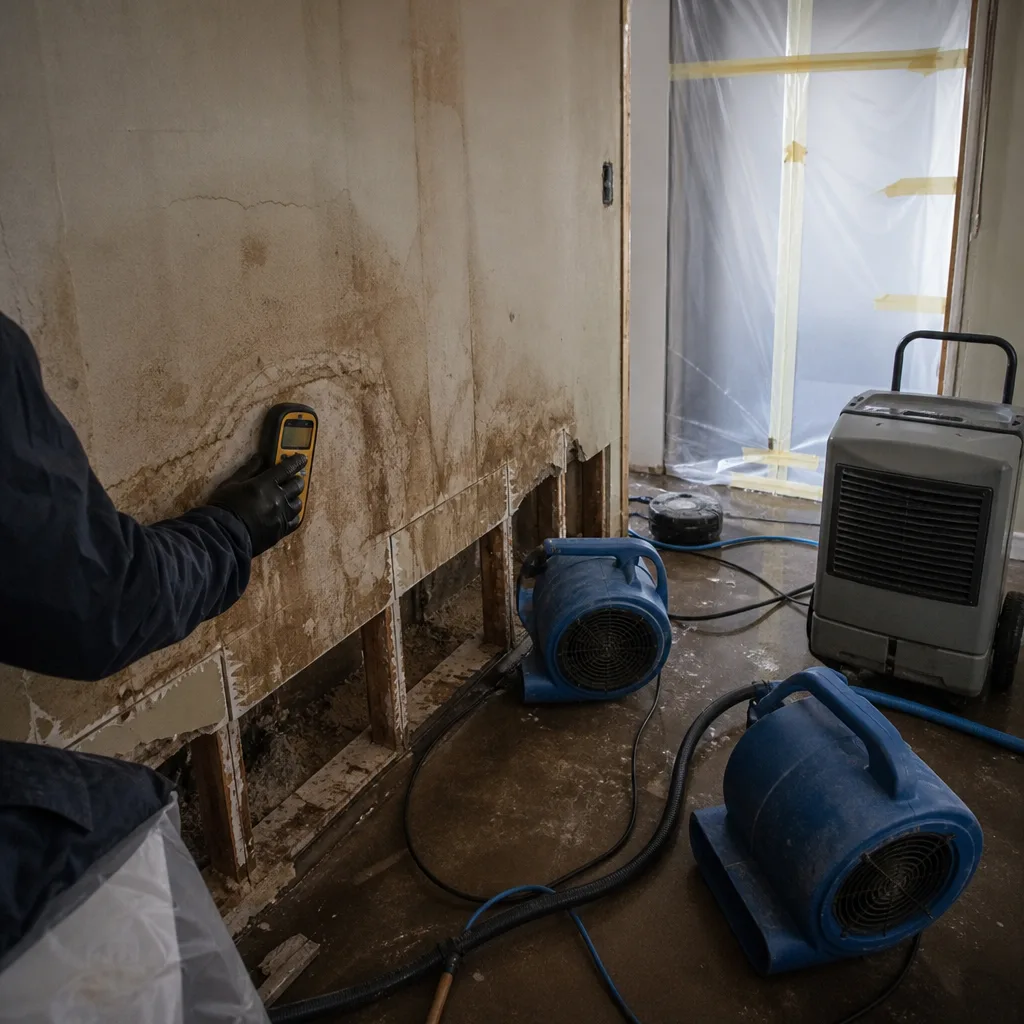 Before
 After
 Before
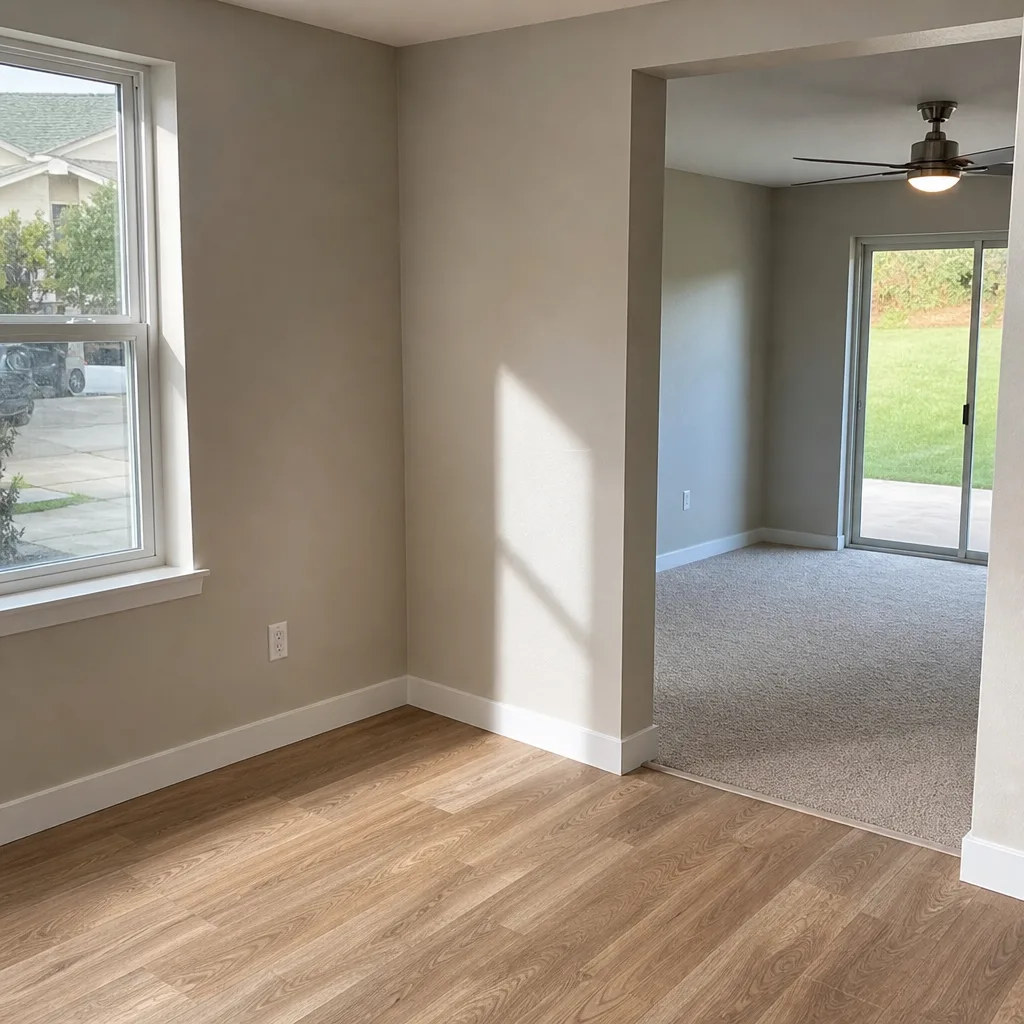 After
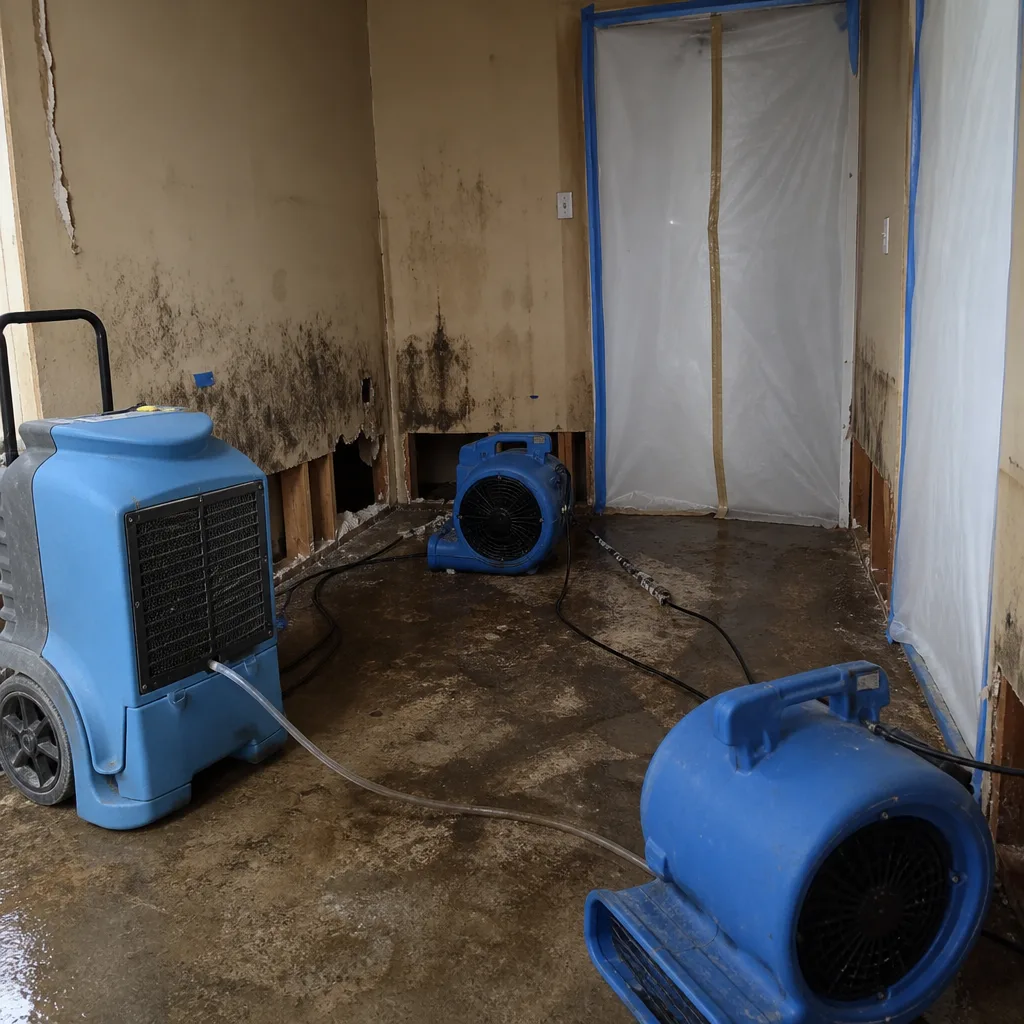 Before
 After