

Last updated October 30, 2026
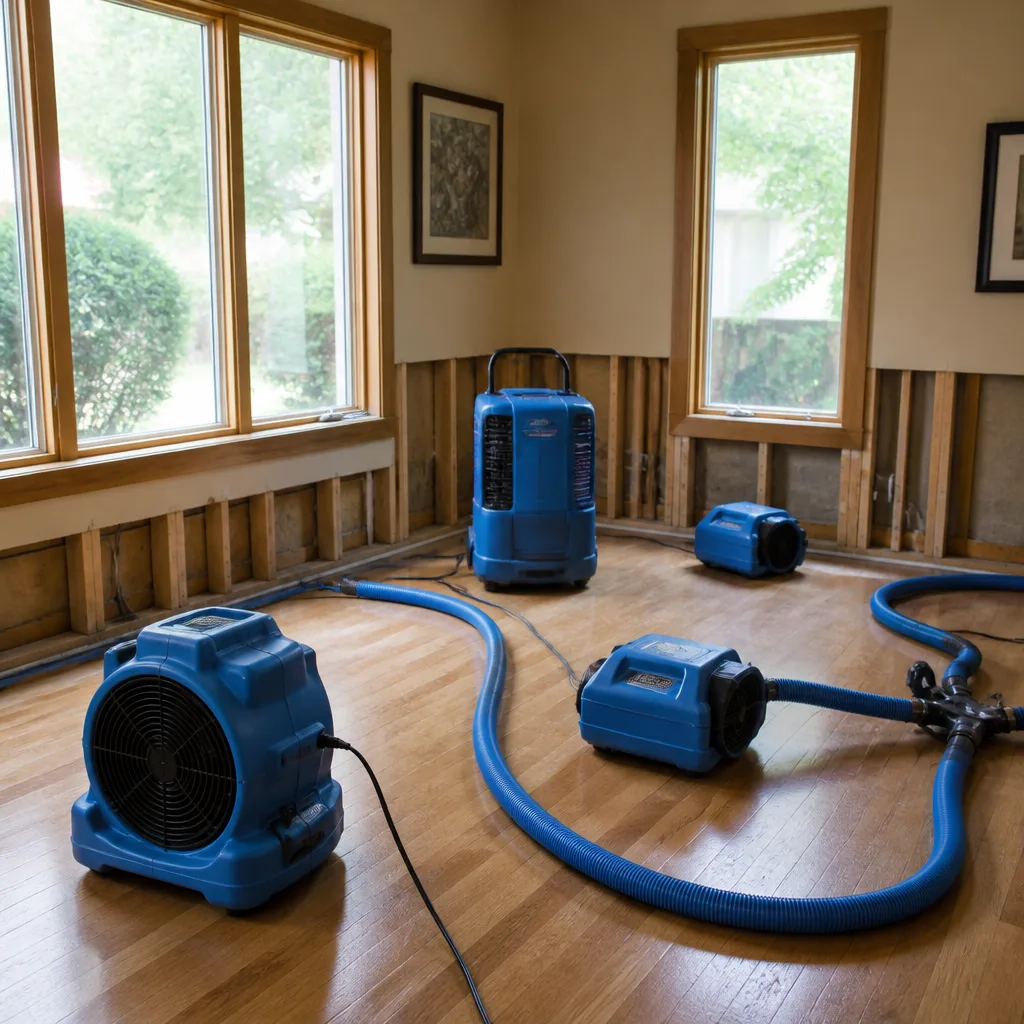 Water damage drying
 Fire & smoke cleanup
 Mold remediation
 Storm response
 Sewage cleanup
 Reconstruction
Free visual inspection and a written scope of work before any mitigation begins - photos, moisture readings, and drying logs go in your claim file
The scope we write is the scope we bill. Anything new gets shown to you, in writing, before we touch it.
Get your free estimateDamage Restoration Permits, Codes & Inspections in CA: What You Need to Know
A Temecula homeowner replaces fire-damaged drywall in a garage after a small electrical fire. The work looks clean, the contractor was quick, and life moves on. Five years later, the house goes up for sale. During escrow, the buyer’s inspector flags missing permit records for the garage wall assembly. The city requires the wall be opened back up to verify fire-separation compliance. The permit that would have cost $150 now costs thousands in demolition, inspection fees, and delayed closing. This is not a hypothetical. We see versions of this story repeat across Riverside County, and it’s almost always preventable. This guide explains exactly which restoration permits California requires, which Riverside County enforces, and how to protect your property before and after water, mold, or fire damage. For related reading, see our more guides & resources.
Quick Answer
In California and Riverside County, emergency stabilization work like water extraction, drying, and temporary board-up generally requires no permit. But most permanent repairs triggered by restoration, including drywall replacement beyond surface patching, structural framing repairs, electrical work, and HVAC modifications, do require a permit and inspection. When in doubt, pull your property’s permit history through the Riverside County TLMA portal and confirm with the building department before any repair work starts.
Restoration work we handle
Table of Contents
- The Permit Myth That Costs Homeowners Thousands
- Riverside County Permit Thresholds for Restoration Work
- Title 24 and Restoration: The Insulation Problem Nobody Flags
- Certificate of Occupancy vs. Final Inspection: What Actually Matters
- How to Pull Riverside County Permit History on Your Property
- Emergency Stabilization vs. Permanent Repair: Drawing the Line
- Electrical and HVAC Work Exposed During Restoration
- How Permits Affect Your Insurance Claim
The Permit Myth That Costs Homeowners Thousands
There’s a persistent belief among homeowners, and conveniently repeated by some contractors, that restoration work is exempt from permitting because it’s “putting things back the way they were.” That belief is wrong, and it’s expensive. If you’re unsure whether your situation needs professional help, read our DIY vs Professional Damage Restoration: The Temecula Homeowner’s Decision Guide. California building codes draw no such blanket exemption. The California Building Standards Code (Title 24, Part 2) requires permits for any construction, alteration, or repair that affects the structure, electrical systems, mechanical systems, or plumbing systems of a building. The key word is affects, not improves or expands. If water damage requires cutting out and replacing drywall on a load-bearing wall, that’s an alteration to a structural assembly. If fire damage requires re-wiring a room, that’s an alteration to an electrical system. Both require permits.
In Temecula specifically, the city enforces the California Residential Code (CRC) and California Building Code (CBC) with few local carve-outs for restoration work. What Temecula does offer, consistent with the rest of Riverside County, is a clear process for pulling permits retroactively when unpermitted work is discovered. That process is not forgiving. A retroactive permit requires exposing the work for inspection, which means cutting open walls and ceilings that were just repaired. The work itself might pass, but the inspection still costs you the demolition and repair of your own finished surfaces. The smarter path is pulling the permit before the first sheet of drywall goes up.
We have watched this scenario unfold in Murrieta, Wildomar, and French Valley as well. The permit issue does not stay local to Temecula. Any home in Riverside County that has gone through a major water or fire restoration carries this risk if the repair work was never inspected. When we are called in to do a restoration job, one of the first questions we ask is whether the previous work on the property was permitted. The answer often determines the entire scope of what we can and cannot do.
Riverside County Permit Thresholds for Restoration Work
Riverside County and the city of Temecula draw permit lines based on the scope of work, not on whether the work was triggered by a disaster. The easiest way to think about it is this: if the repair changes the physical structure or the systems inside the walls, you need a permit. If it only cleans, dries, or restores the existing surface, you generally do not. That distinction matters because the restoration industry itself often blurs it. A restoration crew might remove wet drywall and insulation, then a handyman reinstalls both without pulling a permit. The homeowner assumes the contractor handled everything. The permit record says otherwise.
Here is a practical breakdown based on Riverside County’s current building code enforcement and the way Temecula’s Building & Safety Division interprets it:
- Water extraction, structural drying, and dehumidification: No permit required. This is classified as cleaning and drying, not construction. The work is performed with equipment like Dri-Eaz dehumidifiers and air movers, and it does not alter the building.
- Drywall patching and small surface repairs: No permit required for patches under roughly 32 square feet, as long as no electrical, plumbing, or structural elements are touched.
- Full drywall replacement (one or more wall/ceiling sections): Permit required in Temecula. The city treats full replacement as wall assembly alteration, which triggers inspection of framing, insulation, and fire-blocking.
- Structural framing repair (sill plates, studs, joists, rafters): Permit required. No exceptions. This is structural work under the California Residential Code, and Riverside County enforces it strictly.
- Insulation replacement: Permit required when done as part of a wall or ceiling rebuild. Insulation triggers Title 24 energy compliance, discussed in the next section.
- Electrical work exposed during restoration: Permit required if any wiring is replaced, extended, or reconfigured. The only exception is like-for-like device replacement (swapping a damaged outlet for an identical new one).
- HVAC ducting or equipment replacement: Permit required. Ductwork damaged by water or fire falls under mechanical code and must be inspected.
- Roof repair or replacement: Permit required for anything beyond minor shingle replacement. Water damage that has reached the roof decking almost always triggers a roofing permit.
When we work on water damage restoration in Temecula, we document every cut, every material removal, and every planned repair so the permit scope matches the actual work. That documentation matters when the inspector arrives. It also matters for your insurance claim, which we’ll get to later.
Title 24 and Restoration: The Insulation Problem Nobody Flags
California’s Title 24 energy code is where restoration projects quietly go wrong. Here is the issue. When water damage soaks wall or ceiling insulation, that insulation has to come out and be replaced. The moment you replace insulation in a wall, ceiling, or attic, you are altering the thermal envelope of the home. Under Title 24, Part 6, that triggers minimum energy compliance requirements for the affected area. The replacement insulation must meet current R-value minimums for Riverside County’s climate zone, which is Climate Zone 10. Many contractors, including a lot of restoration-adjacent handymen, simply put back whatever insulation was there before. That’s a code violation. It’s also a missed insurance issue, because the insurer is paying to restore the home to code-compliant condition, and the code now requires more insulation than the original build had.
In Temecula, the R-value requirements are specific. Climate Zone 10 requires R-30 attic insulation for most homes and R-13 to R-15 wall insulation depending on framing type. Homes built in the 1980s and 1990s, which make up a large share of Temecula’s housing stock, often have R-19 attic insulation and R-11 wall insulation. A restoration contractor who replaces like-for-like leaves the home under code and leaves the homeowner with a Title 24 compliance gap that will surface on resale. A contractor who knows the code pulls the insulation permit, installs the current R-value minimum, and passes the energy inspection. That difference is worth real money at closing.
This is also where the permit question and the insurance question connect. Your homeowner’s policy includes coverage for building code upgrades under Ordinance or Law coverage, though many policies cap that coverage at 10% of the dwelling limit. Replacing R-19 with R-30 insulation in a fire-damaged attic qualifies. The insurer pays the difference if the claim is documented properly. But that documentation starts with a permit application that lists the insulation upgrade. We’ve seen dozens of Temecula homeowners leave this money on the table because the contractor never mentioned Title 24 and never pulled a permit.
Certificate of Occupancy vs. Final Inspection: What Actually Matters
Homeowners hear “Certificate of Occupancy” and picture something only relevant to new construction. In a restoration context, the term gets used loosely and that causes confusion. Here is the truth. A Certificate of Occupancy, or C of O, is issued when a building is newly built or when a change of use occurs. Most restoration projects do not require a C of O. What they require is a final inspection sign-off on the permitted scope of work. The building department closes the permit, records the approval, and that becomes part of the property’s permanent permit history. That sign-off is what a future buyer’s title search will look for. That sign-off is what protects you at resale.
The confusion usually comes from contractors who tell homeowners they “passed inspection” when what actually happened is the work was never inspected at all. A verbal assurance is not a permit record. The only thing that matters is the official record in the Riverside County TLMA database or Temecula’s Building & Safety files. If you cannot pull up the permit and the final approval, the work does not exist in the eyes of the county, the title company, or the next buyer.
There is one scenario where a partial C of O enters the picture in restoration. If a fire damage restoration in Temecula is extensive enough that a portion of the home is rebuilt to the point of being re-occupied while other areas remain under repair, the building department may issue a temporary certificate of occupancy for the completed portion. That’s a real process, but it’s rare for single-family homes. It’s more common in multi-family and commercial restoration. For the typical Temecula home, what matters is the final inspection sign-off on the repair permits. If you are working with a restoration company, ask directly: “Will this project have a final inspection sign-off, and can I see the permit number?” The answer tells you everything you need to know. For help vetting contractors, see How to Hire a Damage Restoration Contractor in Temecula: A Step-by-Step Guide.
How to Pull Riverside County Permit History on Your Property
Before you file a new insurance claim or start a new restoration project on a property with prior damage, pull the permit history. This is not a luxury step. It is the single most important piece of due diligence you can do, and it takes about fifteen minutes. Riverside County maintains a public permit portal through the TLMA (Transportation & Land Management Agency). The city of Temecula also maintains its own records for permits pulled within city limits. A property that went through a fire restoration in 2018 may have unpermitted electrical work in the attic. If you file a new water damage claim on that same property, the adjuster may notice the previous unpermitted work. That can complicate the current claim or open a coverage gap.
Here is the step-by-step process for checking your property in Temecula:
- Visit the Riverside County TLMA building and safety permit portal. Search by address or APN (Assessor’s Parcel Number). The APN is on your property tax bill.
- Pull the full permit list for your property. Look for any permits related to water, fire, mold, structural, electrical, mechanical, or roofing work. Note the dates, the scope, and whether each permit was finalized.
- Check for “finaled” status. A permit that was issued but never finaled is treated as an open item. That’s a red flag for insurers and buyers. Contact the building department to find out what’s needed to close it.
- Cross-check against your memory or the previous owner’s disclosures. If you know water damage occurred in 2015 but see no permit for that year, the repairs may have been done without permits. That’s a latent issue you need to address before it bites you.
- If you find unpermitted work, call a licensed contractor who understands Riverside County codes. A retroactive permit may be possible. So may a re-inspection and remediation.
For homeowners in Temecula proper, the city’s Building & Safety division handles permits directly, not through the county. The same records exist, and the same process applies. We’ve helped homeowners in neighborhoods like Harveston, Redhawk, and Paseo del Sol sort through permit confusion after buying homes with undisclosed restoration work. It’s an uncomfortable conversation, but it’s far cheaper to have it before the water heater fails than after the insurance adjuster denies a claim because an unpermitted re-pipe is discovered.
Emergency Stabilization vs. Permanent Repair: Drawing the Line
California building codes recognize that disasters do not wait for permit counters to open. Emergency stabilization work, which is the immediate response needed to prevent further damage, is generally permit-exempt. That means water extraction, structural drying, mold containment, board-up, and temporary shoring can all proceed without a permit. This is the work that happens in the first hours and days after a water or fire event. In our own mold remediation work in Temecula, the containment and removal phase rarely requires a permit. The rebuild phase almost always does.
The problem is that the boundary between stabilization and permanent repair shifts based on who is doing the work and how it’s documented. A restoration crew removes wet drywall and leaves the walls open for drying. That’s stabilization. A week later, a different crew closes those walls with new drywall and paint. That’s permanent repair, and it requires a permit if the area exceeds the small-patch threshold. The homeowner hears “we handled it” from both crews and assumes permits were not needed. The inspector who reviews the property years later disagrees.
Here is how to document the boundary correctly for your insurer and your own records:
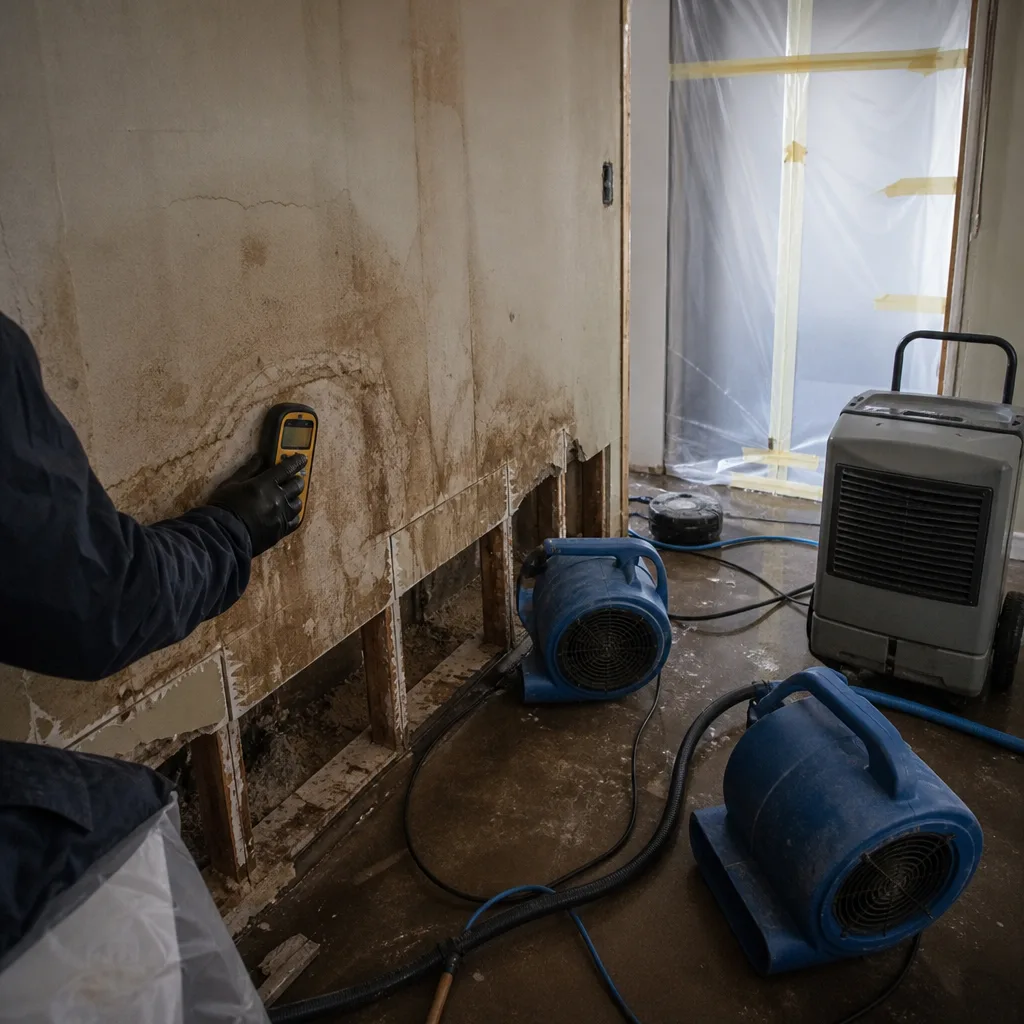
- Photograph everything during the emergency phase. Every cut, every removed material, every exposed framing member. Your insurance adjuster wants this. Your building department will want it if a retroactive permit is needed.
- Keep a written log of dates. “October 3: water extraction completed. October 4: drying equipment installed. October 8: drying equipment removed. October 10: drywall replacement begins.” This timeline is your proof of where stabilization ended and repair began.
- Pull the repair permit before any permanent materials go up. The permit application itself documents the boundary. Even if the emergency work happened weeks prior, the repair permit covers the permanent phase.
- Ask your restoration contractor for a written scope that separates the two phases. If the contractor cannot provide this, that’s a warning sign. A professional restoration company like Fresh Start Water Damage documents the stabilization phase separately from the permanent repair phase as standard practice.
The insurer cares about this boundary because most policies cover emergency mitigation under one set of limits and permanent repairs under another. If the two phases blur together, the adjuster may question the entire claim. Keep the records clean, and the claim stays clean.
Electrical and HVAC Work Exposed During Restoration
Water and fire damage do not stay in the drywall. They get into electrical wiring, junction boxes, outlets, and HVAC ducting. When restoration exposes these systems, the temptation is to patch the visible damage and move on. That approach violates the California Electrical Code and the California Mechanical Code, and it creates hazards that outlast the restoration itself. A junction box that was submerged during a Temecula slab leak may show no visible damage, but corrosion inside can cause arcing months later. A duct run that absorbed fire smoke may test fine for air quality but still have compromised insulation that degrades over time.
Under Riverside County enforcement, here is what requires a permit once electrical or HVAC work enters your restoration scope:
- Replacement of any electrical wiring segment: If restoration requires cutting out and replacing wire, even a short run, a permit is required. The work must be inspected by the building department before the walls close.
- Relocation or addition of outlets, switches, or junction boxes: Permitted work. Like-for-like device swaps are the only exception, and even those should be done by a licensed electrician.
- HVAC duct replacement: Any ductwork replaced due to water or fire damage triggers a mechanical permit. The inspector verifies the duct sizing, sealing, and insulation meet current code.
- Furnace or air handler replacement: If the fire or flood reached the equipment, the replacement is a mechanical permit job. This is not a handyman task.
- Electrical panel exposure: If water entered the panel enclosure, an electrical inspection is required. This is a safety issue first and a code issue second. Corroded bus bars and breakers can fail catastrophically.
In our fire damage restoration projects across Temecula, electrical work is often the largest single permit element. Smoke and heat damage compromise wire insulation in ways that are not visible without close inspection. We bring in licensed electrical contractors who pull their own permits and coordinate with the city. That coordination is part of what “one team, full restoration” means in practice. The homeowner should never be the one trying to figure out whether the electrician’s work was permitted and inspected.
How Permits Affect Your Insurance Claim
Insurance adjusters look at permits in two ways. First, permits are proof that work was actually done and done to code. A claim for “drywall replacement following a pipe leak” looks very different to an adjuster when the permit record shows a finalized building permit for exactly that scope. Adjusters are trained to look for fraud, and unpermitted work is one of the most common fraud flags. If you are filing a legitimate claim, the permit is your ally. It turns your claim from a he-said-she-said into documented fact.
Second, permits trigger coverage beyond the basic repair. As mentioned in the Title 24 section, most California homeowner’s policies include Ordinance or Law coverage that pays for code upgrades required during repair. That coverage only applies if the code upgrade is actually required, and the only way to prove it’s required is through the permit process. A restoration contractor who pulls a permit for R-30 insulation replacement proves to the insurer that the code required the upgrade. A contractor who installs R-30 insulation without a permit gives the insurer grounds to argue the upgrade was elective and not covered.
There is also a timing issue. Most policies require that you mitigate damage promptly. The emergency stabilization work happens immediately, and that’s covered regardless of permits. The permanent repair work happens later, and that’s where the permit requirement lives. If you delay permanent repairs for months and the damage worsens, the insurer may deny the additional damage. A permit application, with its documented scope and timeline, helps demonstrate that you acted reasonably and promptly. In Temecula, where summer heat can turn a small water intrusion into a mold problem within 48 hours, documented speed matters.
Common Mistakes to Avoid
- Trusting a contractor who says “we don’t need a permit for this.” Most of the time they’re wrong. In Riverside County and Temecula, permanent repairs to structure, electrical, mechanical, or plumbing systems require permits. If a contractor dismisses the permit question entirely, get a second opinion.
- Confusing emergency mitigation with permanent repair. Extraction and drying are permit-exempt. Closing walls with new drywall is not. The confusion is expensive because the repair phase is exactly where the permit requirement bites.
- Ignoring Title 24 when replacing insulation. Insulation replacement triggers energy code compliance in Climate Zone 10. Install the current R-value minimum with a permit, and let your Ordinance or Law coverage pay the difference.
- Failing to pull permit history before buying in Temecula. A home with prior water or fire damage may have unpermitted repairs hiding in the walls. The TLMA portal shows you the permit record before you commit. No record of a known repair is a red flag.
- Letting unpermitted electrical work slide because it “works fine.” Corroded or heat-damaged wiring does not always fail immediately. It fails months or years later, often in the middle of the night. Permitted, inspected electrical work is the only safe path.
- Paying cash and trusting a verbal “it’s all permitted.” Get the permit number. Verify it in the county or city system. A verbal assurance is worthless when the title company asks for documentation at resale.
- Treating the permit as an afterthought rather than a scheduling priority. In Temecula, plan review and inspection scheduling take time. Starting permanent repairs without a permit means ripping out finished work later. Pull the permit first, even if it delays the project by a week.
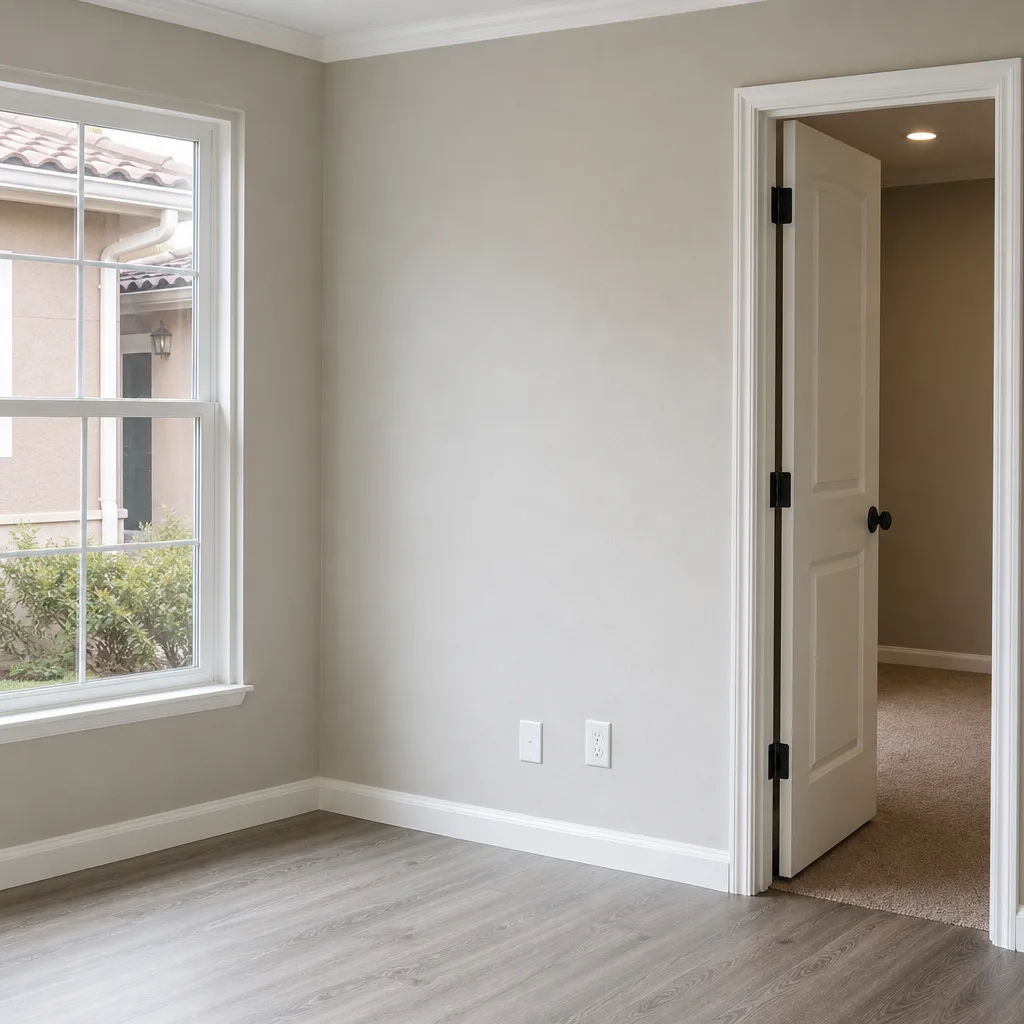
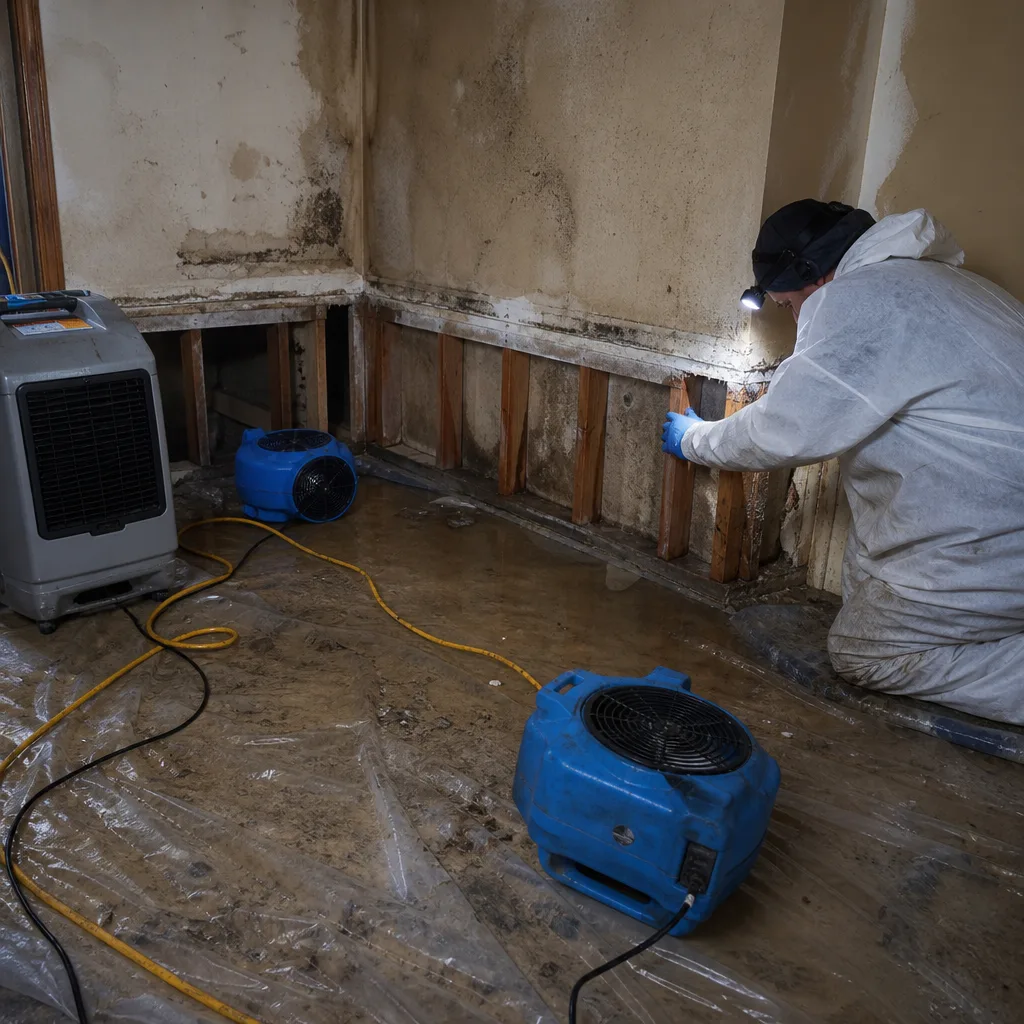
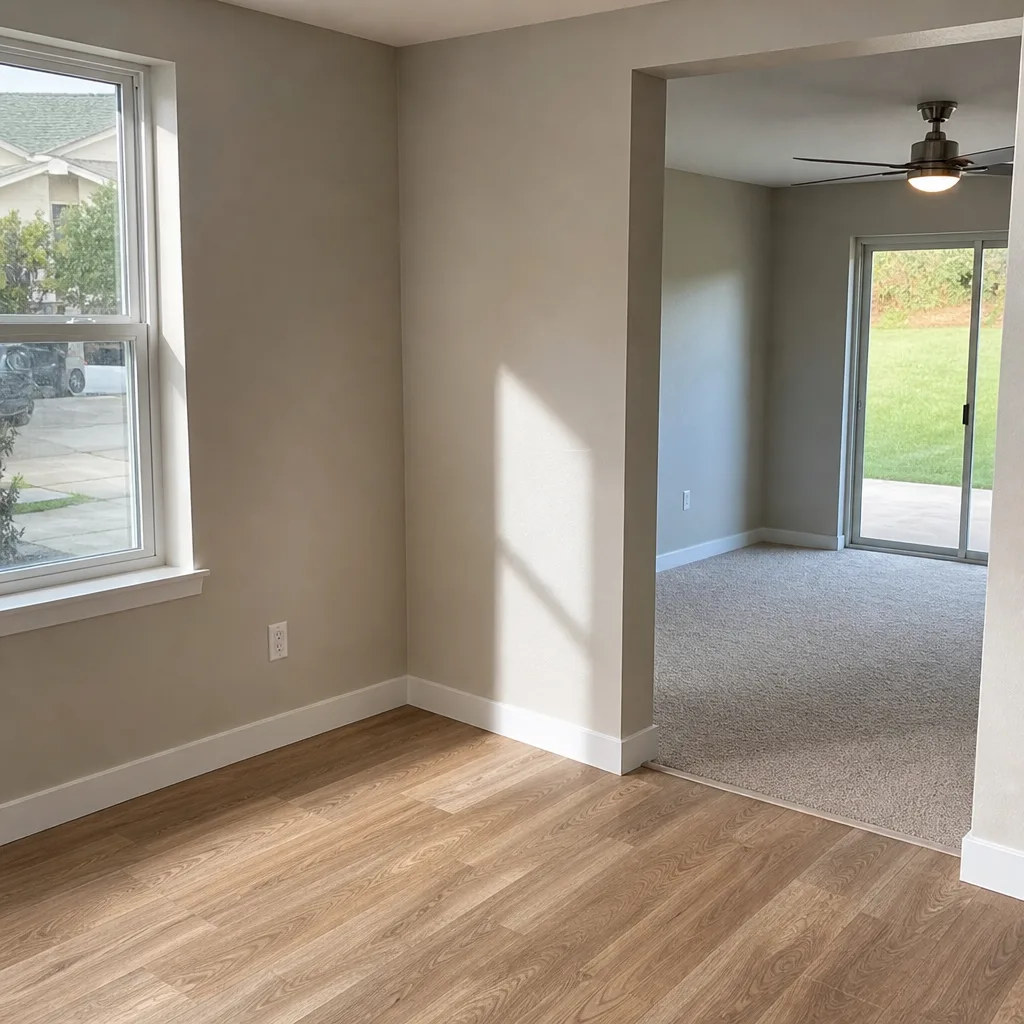
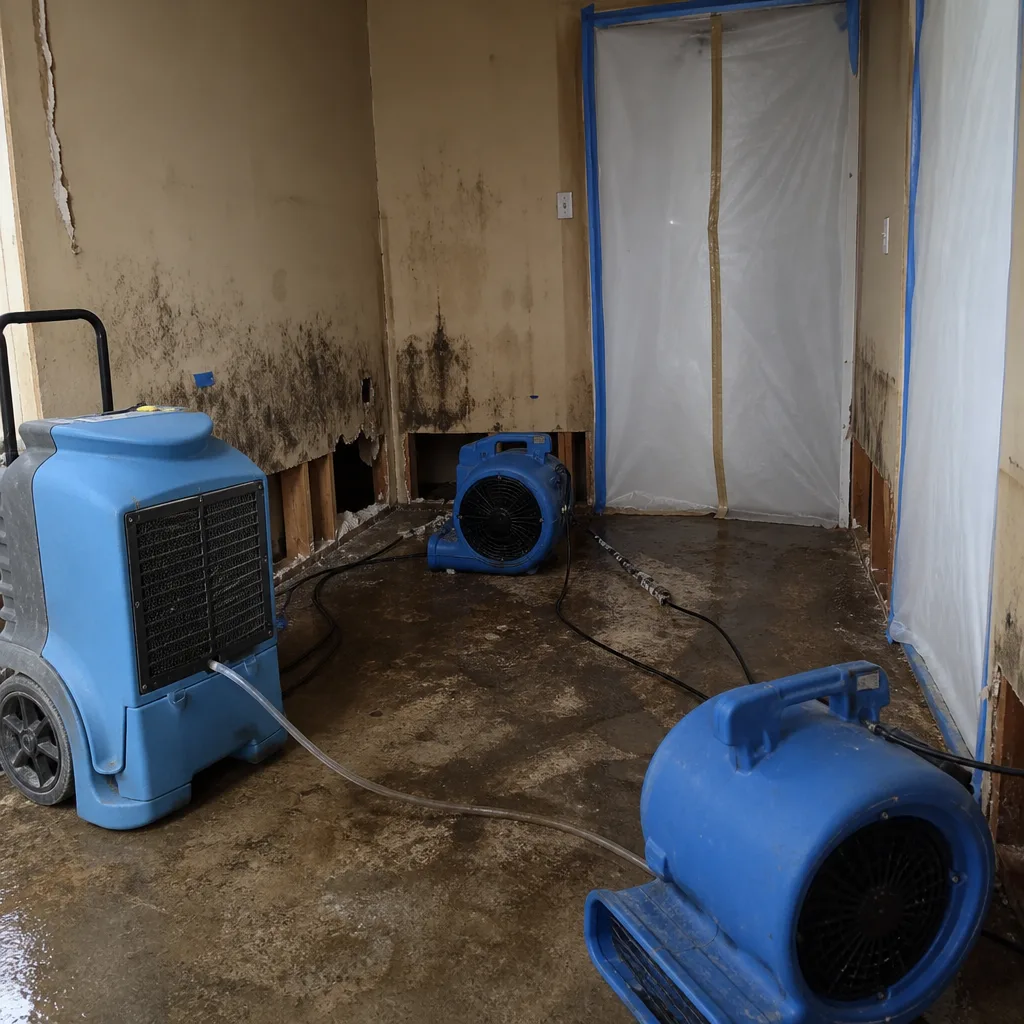
See the difference
 Before
 After
 Before
 After
 Before
 After
When to Call a Professional
When the restoration work involves structural framing, electrical systems, HVAC equipment, or insulation replacement, you need a licensed contractor who understands Riverside County permit processes. When the previous work on your property was unpermitted and you discover it during a new restoration, you need someone who can assess the exposure and develop a plan to bring the property into compliance. When your insurance claim involves code upgrades, you need documentation from day one that a professional restoration company provides as standard practice. Fresh Start Water Damage offers free estimates in Temecula and the surrounding Riverside County communities. Call (844) 878-6356 to talk through your restoration scope, your permit questions, and your next steps.
Frequently Asked Questions
The drying and extraction phase of water damage restoration requires no permit in Temecula. But if the damage requires cutting out and replacing drywall, insulation, structural framing, electrical wiring, or HVAC components, a permit is required. The line is between cleaning and construction. If materials come out and new materials go in beyond surface patching, pull the permit.
Permit costs vary by scope, but a typical drywall replacement permit in Temecula or Riverside County runs from $100 to $300. Electrical and mechanical permits add to that. The cost is trivial compared to the cost of retroactive permitting, which requires exposing finished work for inspection. Call the Temecula Building & Safety division or Riverside County TLMA for current fee schedules.
Yes, most California homeowner’s policies cover permit fees as part of the covered repair. Code upgrade costs fall under Ordinance or Law coverage, typically capped at 10% of the dwelling limit. The key is documentation. The permit application must list the code-required upgrade, and the work must be inspected. A restoration company that pulls permits correctly positions your claim for full recovery.
The buyer’s title company and home inspector will check permit history. Unpermitted structural, electrical, or mechanical work becomes a disclosure issue and a negotiation point. In many cases, the seller must complete retroactive permitting before closing, which means opening walls or ceilings for inspection. That cost lands on the seller, and it’s far higher than the original permit would have been. If you are selling, check your permit record before listing.
Yes, but it’s painful. Riverside County and Temecula both allow retroactive permits, but they require exposing the completed work for inspection. That means cutting access holes in freshly repaired drywall, removing insulation, and sometimes removing cabinetry or finishes. The inspector verifies code compliance, then you repair the access holes. The process typically costs several times the original permit fee. It’s worth doing before a sale, but it’s always cheaper to permit correctly the first time.
Ask for the permit number and the issuing agency. Verify the permit through the Riverside County TLMA portal or Temecula Building & Safety. Check that the permit scope matches the work you’re paying for. Check that the permit is finalized or “finaled” after the work is done. A permit that is issued but never finaled is not proof of completed work. Do not accept a verbal assurance. Do not accept a copy of a permit application as proof of a completed inspection.
The Bottom Line
California’s permit requirements for damage restoration are not optional, and they are not waived because the work was triggered by an emergency. Riverside County and Temecula enforce permitting on permanent repairs to structure, electrical, mechanical, and insulation systems. The emergency mitigation phase, the water extraction, drying, and board-up, happens without permits. The permanent rebuild happens with them. The financial difference between doing this right and doing it fast is measured in thousands of dollars at resale and in the quiet risk of un-inspected electrical and structural work. Pull your permit history, document the boundary between stabilization and repair, flag Title 24 insulation requirements, and demand a final inspection sign-off. For early warning signs that your home may need restoration, review Damage Restoration Warning Signs: A Temecula Homeowner’s Reference Guide. If the contractor you are talking to cannot explain the permit path for your project, talk to a different contractor.
Written by the team at Fresh Start Water Damage, serving Temecula since 2017.