

Last updated October 30, 2026
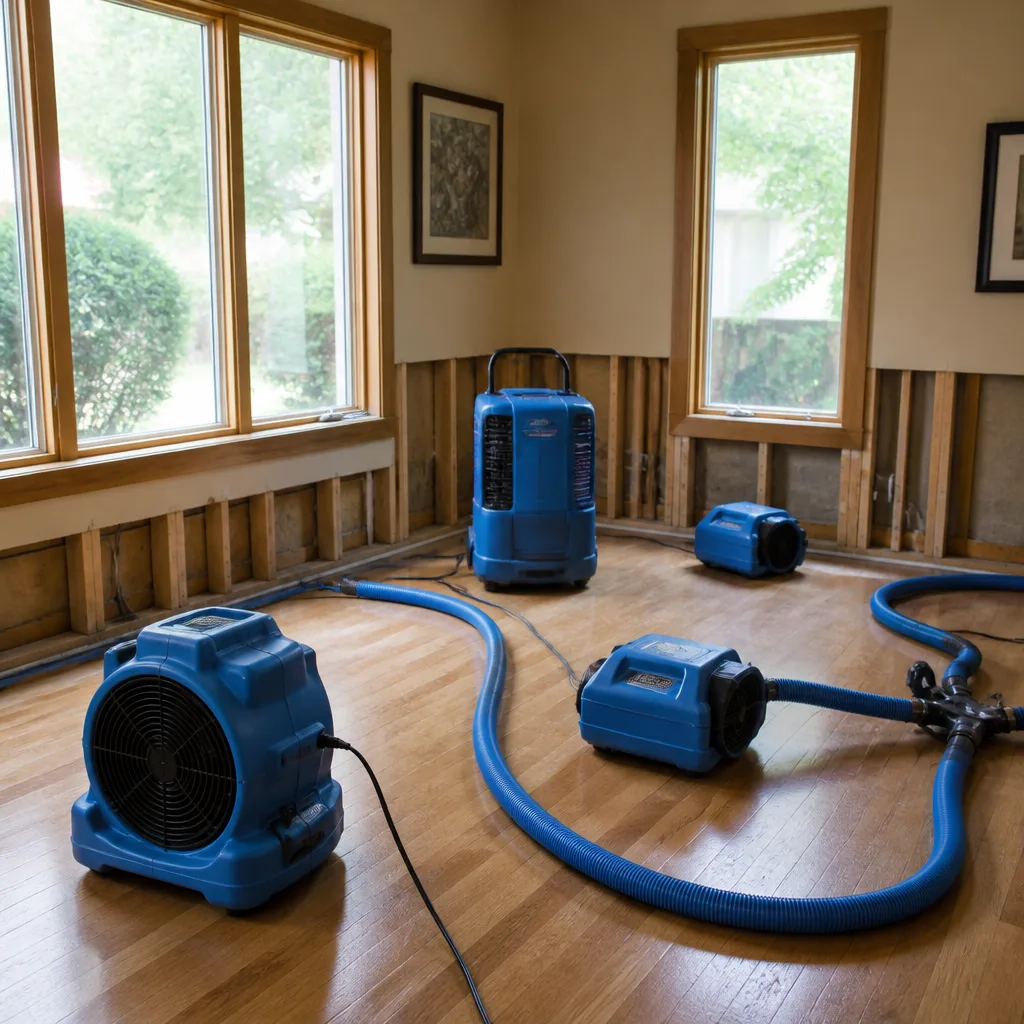 Water damage drying
 Fire & smoke cleanup
 Mold remediation
 Storm response
 Sewage cleanup
 Reconstruction
Free visual inspection and a written scope of work before any mitigation begins - photos, moisture readings, and drying logs go in your claim file
The scope we write is the scope we bill. Anything new gets shown to you, in writing, before we touch it.
Get your free estimateHow to Hire a Damage Restoration Contractor in Temecula: A Step-by-Step Guide
Most Temecula homeowners believe the hardest part of a water or fire loss is the damage itself. It isn’t. The hardest part comes later, when you’re standing in a wet living room at midnight holding a tablet a contractor just handed you, with three separate documents queued up for signature and a crew waiting in the driveway. You’re being asked to commit to tens of thousands of dollars in work while your head is still processing what happened. This guide exists to fix that dynamic. By the time you finish reading, you’ll know exactly what to sign, what to refuse, what to verify, and how to spot a contractor who belongs in Temecula versus one who just followed a storm here. We’ll walk through contract literacy first, credential verification second, and equipment questions third. The order matters.
Quick Answer
To hire a damage restoration contractor in Temecula, verify their CSLB license and IICRC certification first, then request a written scope of work before signing any work authorization. Never sign a bundled packet that includes an assignment of benefits or direction-to-pay document without reading it separately and understanding that it may transfer your insurance negotiation rights to the contractor. Get at least one competing moisture assessment when the scope includes major demolition, and confirm the contractor owns commercial-grade drying equipment rather than renting it per job.
Restoration work we handle
Table of Contents
- The Four Documents Every Temecula Restoration Contractor Should Produce Before Work Starts
- What Preferred Vendor Status With Your Insurer Actually Means
- Storm-Chaser Contractors in Temecula: How to Vet Them in 90 Seconds
- Getting a Second Opinion on a Moisture Map Without Voiding Your Claim
- Equipment Ownership Questions That Reveal Job Duration and Cost
- Reading a Scope of Work Like a Contract, Not a Brochure
- The 10-Step Hiring Process for Temecula Homeowners
The Four Documents Every Temecula Restoration Contractor Should Produce Before Work Starts
Before any crew enters your home, before any equipment gets unloaded, before any signatures happen, a legitimate restoration contractor in Temecula should be able to produce four documents within about ten minutes of you asking. Not “we’ll email that over.” Not “it’s back at the office.” In front of you, on the spot.
Here’s what those documents are and what they prove:
- IICRC certification. The Institute of Inspection, Cleaning and Restoration Certification is the restoration industry’s most recognized standard for water damage, mold remediation, and fire restoration competency. Certification means the technician passed written exams and maintains continuing education credits. Ask to see the actual card or certificate, not a logo on a business card. We’re an IICRC-certified operation, and we’ll show you our certifications without being asked twice.
- CSLB license. In California, contractors performing restoration work over $500 in labor and materials must hold a license from the Contractors State License Board. Ask for the license number, then verify it yourself at cslb.ca.gov. This takes 60 seconds and confirms the license is active, the classification matches the work being quoted, and there are no outstanding disciplinary actions. A contractor who hesitates to provide this number is not someone you want inside your walls.
- General liability certificate. This proves the contractor carries insurance that covers damage they might cause to your property during the restoration process. Ask for a certificate of insurance with your name listed as the certificate holder, and call the insurer to confirm the policy is active. Many Temecula homeowners skip this step because it feels bureaucratic. Don’t skip it.
- Written scope of work. This is the document that tells you exactly what will be done, what materials will be used, what equipment will be deployed, how many days the job should take, and what the total cost is expected to be. It should be specific enough that another contractor could walk through your home and follow it line by line. If the scope says “dry affected areas” without saying which areas, how they’ll be dried, and what “dry” means as a measurable standard, it’s not a scope. It’s a vague invitation to overbill later.
The order you request these documents matters. Ask for the CSLB license and IICRC certification first. If those check out, ask for insurance. If all three pass, then and only then review the scope of work. Contractors who balk at any of these requests are telling you something useful about how they operate.
What Preferred Vendor Status With Your Insurer Actually Means
When you file a claim, your insurance adjuster may suggest using a “preferred vendor” from the insurer’s managed repair network. The framing is usually reassuring: these contractors have been vetted, their pricing has been pre-negotiated, and the billing goes directly to the carrier. Here’s what that actually means, stripped of the marketing language.
Preferred vendor status means the contractor has signed a service agreement with the insurance company that sets pricing schedules, documentation requirements, and billing procedures. The insurer benefits from predictable pricing and standardized paperwork. The contractor benefits from a steady stream of referred work. You benefit from less administrative friction, because the contractor and insurer already have an established billing relationship.
What preferred vendor status does not mean is that the contractor will do better work, charge less than a non-preferred contractor, or advocate for you if a dispute arises between what the insurer will approve and what your home actually needs. A preferred vendor’s primary relationship is with the insurance company, not with you. When there’s a disagreement about whether a wall cavity needs Injectidry drying or full tear-out, the preferred vendor may be structurally inclined to accept the insurer’s position quietly to protect the referral pipeline.
None of this is inherently dishonest. It’s just the mechanics of how managed repair programs work. The takeaway for Temecula homeowners is to treat preferred vendor status as one data point, not a seal of approval. You have the right under California insurance law to choose your own contractor, and your insurer cannot require you to use their network. You can absolutely hire an independent IICRC-certified contractor and still have the work covered under your policy. The billing might require slightly more paperwork on your end, but the tradeoff is having a contractor whose loyalty is unambiguous.
Storm-Chaser Contractors in Temecula: How to Vet Them in 90 Seconds
Temecula doesn’t get hurricanes, but it does get Santa Ana wind events, heavy winter rain, and the occasional flash flood in low-lying neighborhoods near Murrieta Creek—exactly why we published our Seasonal Damage Restoration Care for Temecula: Year-Round Homeowner’s Guide. After any weather event that damages multiple homes, out-of-town contractors show up within days. Some are legitimate operations from San Diego and Riverside expanding their service area. Some are storm chasers: companies that follow weather systems, work a market for a few months, then move on before warranty claims and callbacks start piling up.
Storm chasers are dangerous for a specific reason: by the time you discover the work was substandard, the company has rebranded, left the state, or simply stopped answering the phone. You’re left with a failed restoration and an insurer that has already closed the claim based on the original contractor’s documentation.
Here’s the 90-second vetting process to run on any restoration contractor who knocks on your door after a weather event:
- Run the CSLB license lookup. Go to cslb.ca.gov, click License Check, and enter the license number. You’re looking for three things: license status is active, the classification matches restoration work (typically C-61/D-64 for water damage or C-61/D-21 for fire), and the business address on file is a physical location, not a UPS store or virtual office. A contractor whose listed address is in Texas or Florida but who claims to be “local to Temecula” fails this test immediately.
- Check the license issue date. A contractor who got their California license three weeks before they knocked on your door is a red flag. Legitimate restoration companies operating in Temecula have licenses that are years old, not weeks old.
- Ask where their equipment lives. Storm chasers typically rent drying equipment locally because they don’t maintain inventory in markets they’re working temporarily. Ask a direct question: “Where is your equipment warehouse?” A real Temecula-area contractor can name a location. A storm chaser will fumble this question.
That entire sequence takes less than two minutes. It’s the highest-value two minutes you’ll spend during the entire restoration hiring process.
Getting a Second Opinion on a Moisture Map Without Voiding Your Claim
Here’s a scenario we’ve seen play out in Temecula homes more times than we can count. A plumbing leak floods a bedroom in the Harveston neighborhood. The first contractor arrives, takes moisture readings, and declares that two walls, the ceiling, and a section of subfloor need to be opened up. The homeowner, understandably alarmed by the scope and the price tag, wants a second opinion but worries that bringing in another contractor will delay the claim, annoy the insurer, or somehow void the original contractor’s work authorization.
Those worries are almost entirely unfounded. Here’s why.
Under California law, you are not obligated to sign a work authorization just because a contractor performed an inspection. An inspection is not a contract. You can listen to the first contractor’s findings, thank them, decline to sign anything, and call a second contractor for their own moisture assessment. You are doing nothing wrong by doing this.
The key is to request the second opinion before any demolition begins. Once walls are opened and drying is underway, undo it without paying both contractors for overlapping work becomes much harder. But during the assessment phase, you have full freedom to compare scopes.
What you should ask the second contractor is not “Is the first contractor right?” but rather “Can I see your moisture readings, and can you explain where you’re reading moisture and what those numbers mean for the scope?” A serious contractor will show you their moisture meter readings, explain the difference between reading 18% moisture content in drywall versus 28%, and walk you through why a wall does or doesn’t need to be removed. If the second contractor’s readings and scope roughly align with the first, you know the first was being straight with you. If they diverge significantly, you now have leverage to ask better questions.
One important note: your insurance policy typically requires you to mitigate damages promptly. Delaying mitigation for weeks while you shop for the perfect opinion can create a coverage problem. A 24- to 48-hour pause to get a second assessment is reasonable. A two-week delay while water sits in your wall cavities is not.
Equipment Ownership Questions That Reveal Job Duration and Cost
Here’s a question almost no Temecula homeowner asks that separates serious restoration companies from everything else: “Do you own your drying equipment, or do you rent it per job?”
It’s not a trivial distinction. It affects how long your job takes, how much it costs, and how likely the contractor is to extend drying unnecessarily.
A restoration company that owns commercial-grade drying equipment from manufacturers like Dri-Eaz, Phoenix, XPOWER, and B-Air has made a capital investment in the business. That investment means the company is established, has cash flow, and plans to be operating in the same market for years. Equipment owners also have every incentive to dry your property efficiently and retrieve their machines as soon as possible, because idle equipment sitting in your home is equipment that isn’t earning on another job.
A company that rents equipment per job has different incentives. Rental costs are marked up and passed to the insurer, which means the overall claim cost rises. The contractor has no urgency to return rented equipment quickly, so drying timelines can stretch. And critically, rented equipment is often consumer-grade because that’s what’s available from local rental houses on short notice. Consumer-grade air movers and dehumidifiers simply don’t have the airflow and moisture removal capacity of commercial units from B-Air or Phoenix.
The same logic applies to specialty systems like Injectidry. Injectidry systems use a network of small tubes and vacuum panels to dry the inside of wall cavities and subfloors without cutting them open. It’s precision drying equipment that allows restoration teams to save more of the home’s original structure. A contractor who owns Injectidry systems has invested in a capability most restoration companies don’t offer. A contractor who doesn’t own them will default to demolition because they don’t have the alternative.
When you’re interviewing a restoration contractor in Temecula, this question sounds like a technical detail. It isn’t. The answer tells you what kind of operation you’re dealing with.
Reading a Scope of Work Like a Contract, Not a Brochure
A scope of work is a legal document, but most homeowners read it like a brochure. They skim the line items, nod at the total, and sign. That’s exactly what the worst actors in the restoration industry count on.
In California, some restoration contractors present a “direction to pay” or “assignment of benefits” document at the same time as the work authorization, bundled together in a multi-page packet handed to a stressed homeowner at 11 p.m. Signing both gives the contractor legal authority to negotiate your insurance claim directly, cutting you out of the process entirely. You may not realize until weeks later that you’ve signed away your right to dispute the scope, the pricing, or the insurer’s settlement with the contractor.
Here’s how to read a scope of work like someone who understands what they’re signing:
- Read every document in the packet separately. If the contractor hands you a stack of five pages, separate them. The work authorization and the direction to pay are different documents with different legal consequences. Do not sign them as a bundle.
- Look for the insurance language. If any document mentions “assignment,” “direction to pay,” “power of attorney,” or “authorization to endorse checks,” stop. That document is transferring some of your rights to the contractor. Understand exactly what rights before you sign anything.
- Check whether the scope lists specific rooms and specific actions. “Dry master bedroom, hallway, and walk-in closet with five air movers and one dehumidifier for 72 hours, monitoring daily” is a scope. “Perform water damage restoration per industry standards” is not a scope, it’s a blank check.
- Look for moisture measurement standards. A legitimate scope will include target moisture levels and a monitoring schedule. It will say something like “dry to within 4 points of unaffected reference material” and “moisture readings documented daily.” If the scope has no measurement standards, you have no way to verify the work was done correctly.
- Understand what happens at the end. Does the scope include removal of equipment? Final moisture documentation? A walkthrough with you? If the scope has no defined endpoint, assume you may be billed for additional days beyond what you expect.
If a contractor refuses to let you read the documents before signing, or pressures you with language like “we need to get started right now to mitigate the damage,” recognize that pressure for what it is: a tactic. Mitigation urgency is real, but reading a two-page scope before signing takes ten minutes. No legitimate contractor will object to you spending ten minutes protecting yourself.
The 10-Step Hiring Process for Temecula Homeowners
Here is the complete process, start to finish, for hiring a damage restoration contractor in Temecula. Follow this and you’ll make decisions from a position of knowledge, not panic.
- Stop the source of damage. If water is actively flowing, shut off the supply line or the main valve. For fire damage, do not enter the structure until the fire department confirms it’s safe. For mold, stop any moisture source feeding the growth. This step is yours to handle and doesn’t require a contractor.
- Document everything before anything moves. Take photos and video of every affected room, every wall, every piece of damaged contents. This documentation becomes your evidence for the insurance claim. Do not throw anything away until the adjuster has seen it.
- Call your insurance company. Start the claim process immediately. Your policy likely requires prompt notification. Get your claim number and the name of your assigned adjuster.
- Run the CSLB license check on any contractor you’re considering. As covered above, this takes 90 seconds. Do it before the contractor arrives, if possible. Do not let a contractor through your front door without knowing their license is active.
- Request the four documents. IICRC certification, CSLB license number, general liability certificate, and written scope of work. If any of these aren’t produced promptly, thank the contractor for their time and move on.
- Ask the equipment question. “Do you own your drying equipment, or rent it per job?” Listen carefully to the answer. The contractor who owns commercial-grade equipment has a fundamentally different business model than one who rents per job.
- Review the scope like a contract. Apply the reading method from the section above. Look for specific rooms, specific actions, measurement standards, and a defined endpoint. Refuse to sign any document that includes assignment of benefits language until you fully understand it.
- Get a second opinion if the scope includes major demolition. A day of delay for a second moisture assessment is cheap insurance against unnecessary tear-out. Make sure any second-opinion contractor shows you their own moisture readings.
- Sign the work authorization only after you understand exactly what you’re authorizing. The work authorization should describe the scope, the cost, and the payment terms. If it says “per insurance estimate” without an actual number, ask for the number in writing.
- Stay involved during the work. A serious contractor will document moisture readings daily, keep you informed of progress, and walk you through the final verification before equipment is removed. If you’re not getting that level of communication, speak up. You’re the one who lives in the home after the crew leaves.
Common Mistakes to Avoid
- Signing the bundled packet at midnight. Work authorization, direction to pay, and assignment of benefits are separate legal documents with separate consequences. Signing them as a stack is how Temecula homeowners lose control of their own insurance claims.
- Assuming the insurer’s preferred vendor is automatically the best option. Preferred status means the contractor has a pricing agreement with the insurer. It doesn’t mean they’ll advocate for you if the insurer pushes back on necessary work.
- Skipping the CSLB license lookup. Sixty seconds on cslb.ca.gov can reveal a suspended license, an incorrect classification, or a contractor whose business address is an out-of-state UPS box. Skipping this step is like buying a used car without checking the VIN.
- Accepting “per industry standards” as a scope. That phrase is a placeholder that gives the contractor wide latitude to define the work as they go. A real scope names rooms, actions, equipment, timeline, and measurable completion criteria.
- Not asking about equipment ownership. Contractors who rent equipment per job have different incentives around drying duration and cost. The question feels like a detail, but the answer is a window into the entire business model.
- Delaying mitigation while shopping for opinions. A day or two to get a second moisture assessment is fine. Two weeks is not. Water sitting in wall cavities grows mold, and your insurer can argue you failed to mitigate damages.
- Throwing away damaged materials before the adjuster documents them. That destroyed drywall and soaked carpet is evidence. Once it’s in a landfill, you’ve weakened your own claim.
See the difference
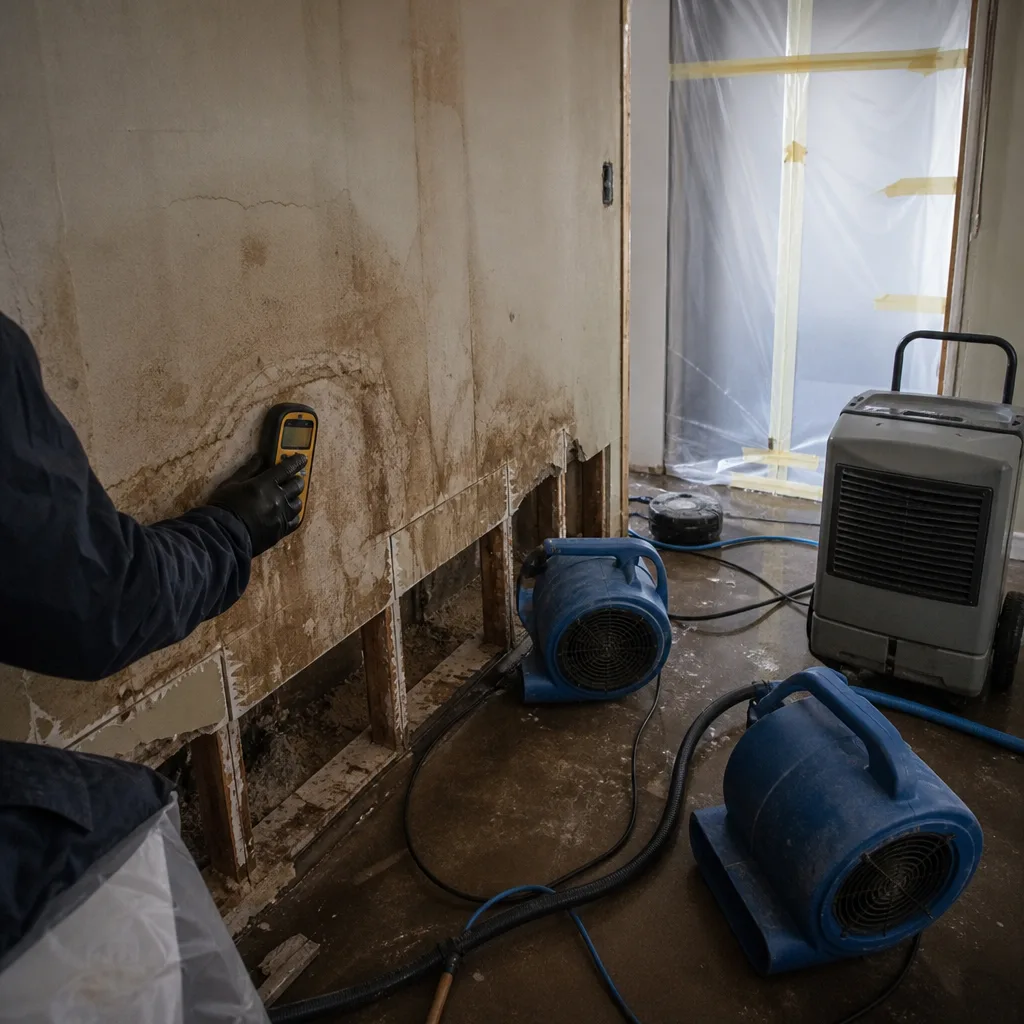 Before
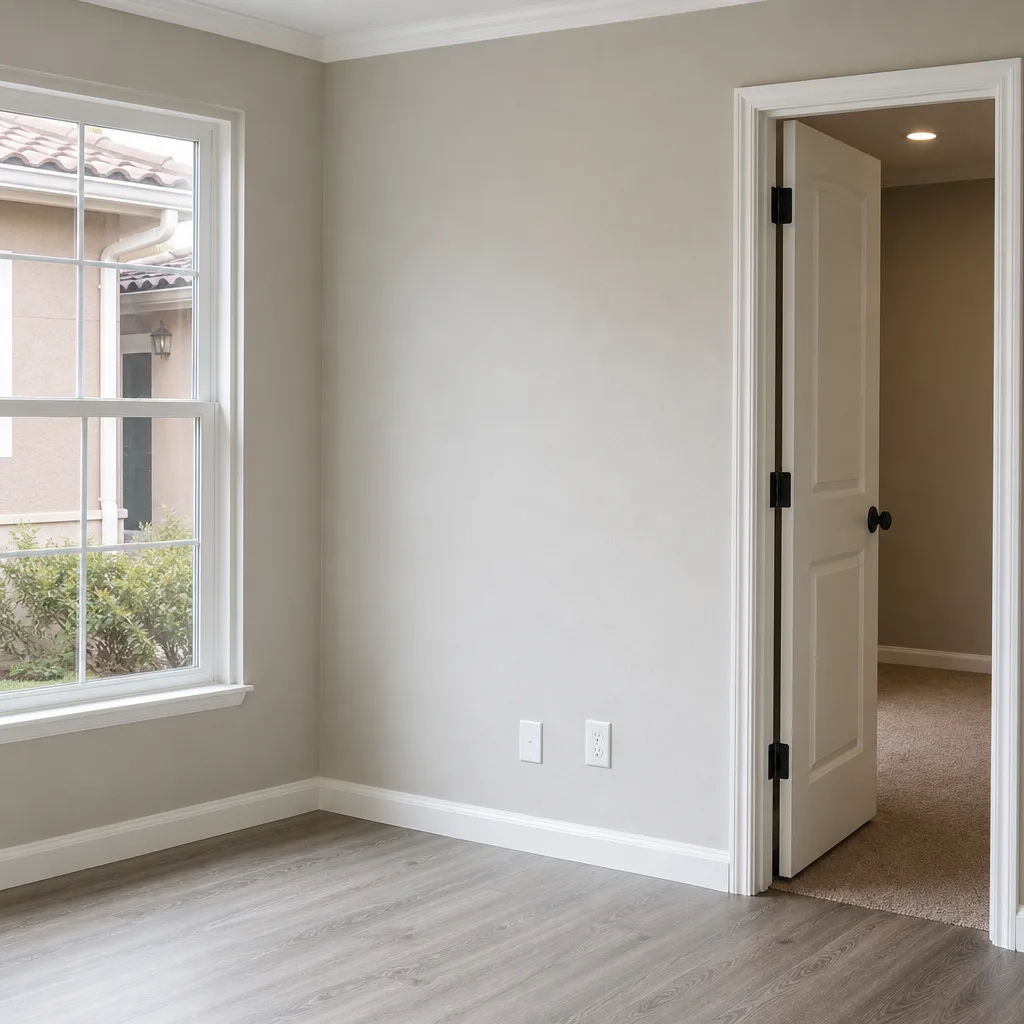 After
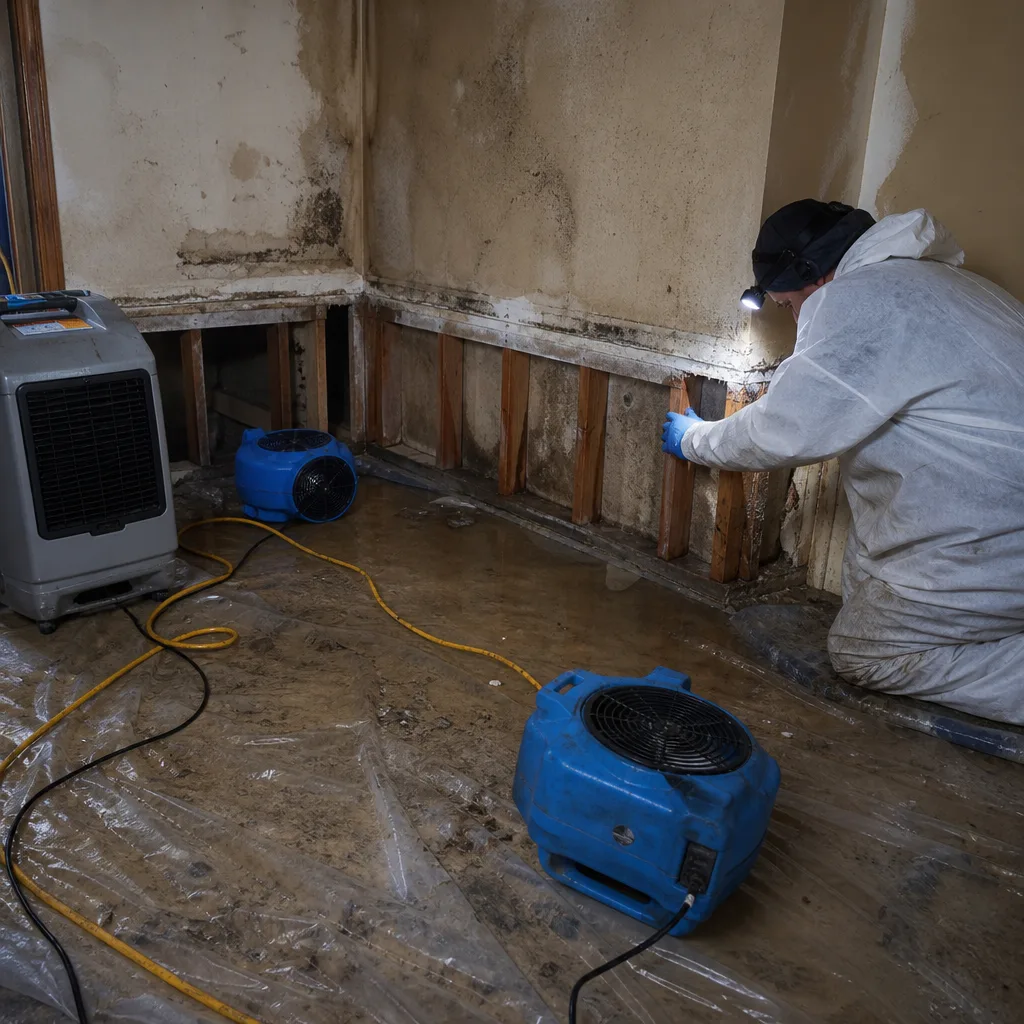 Before
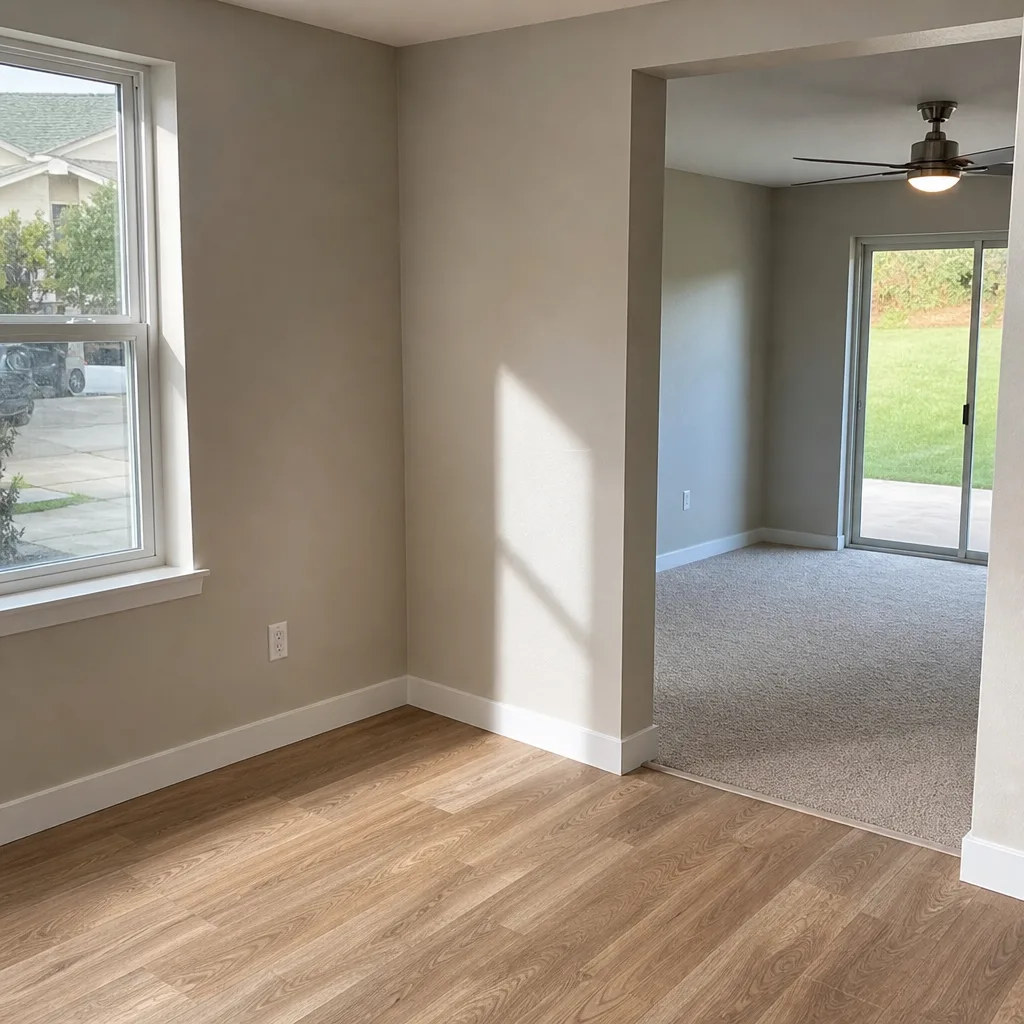 After
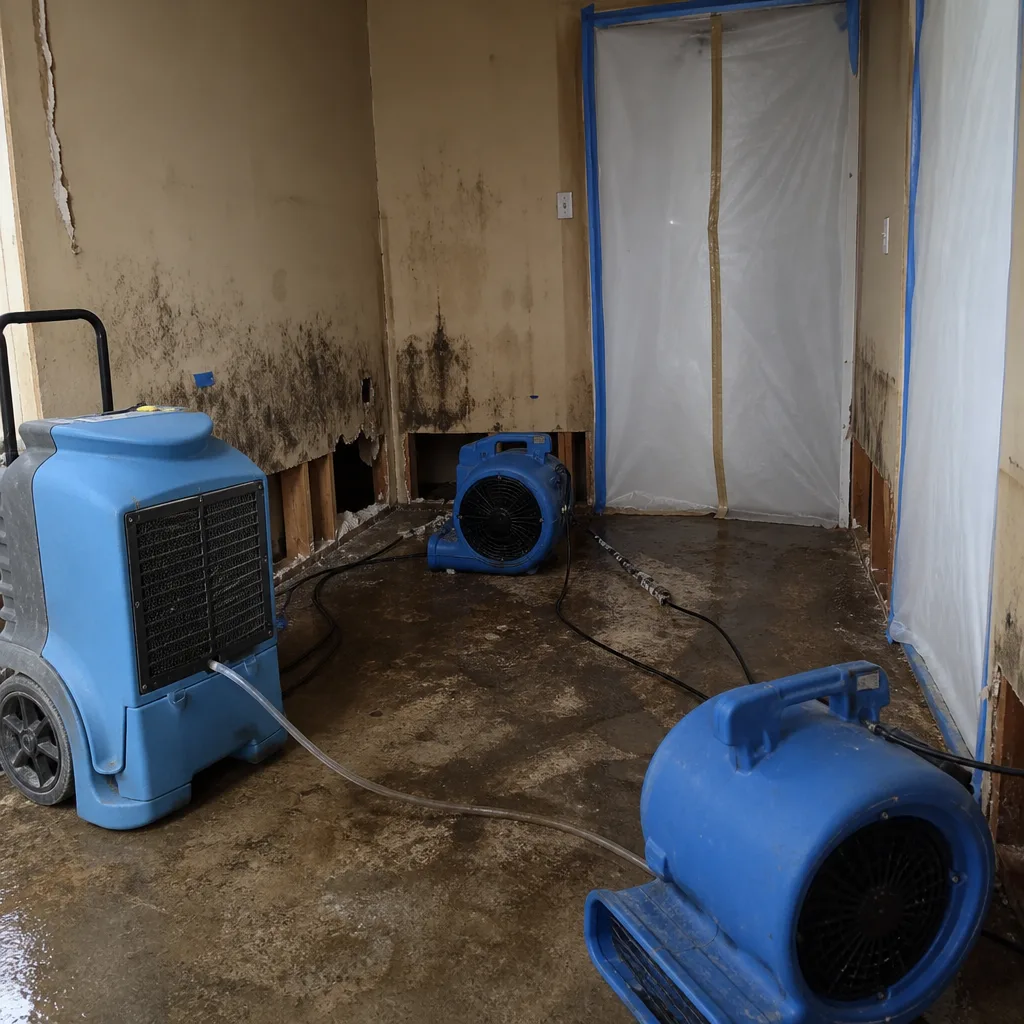 Before
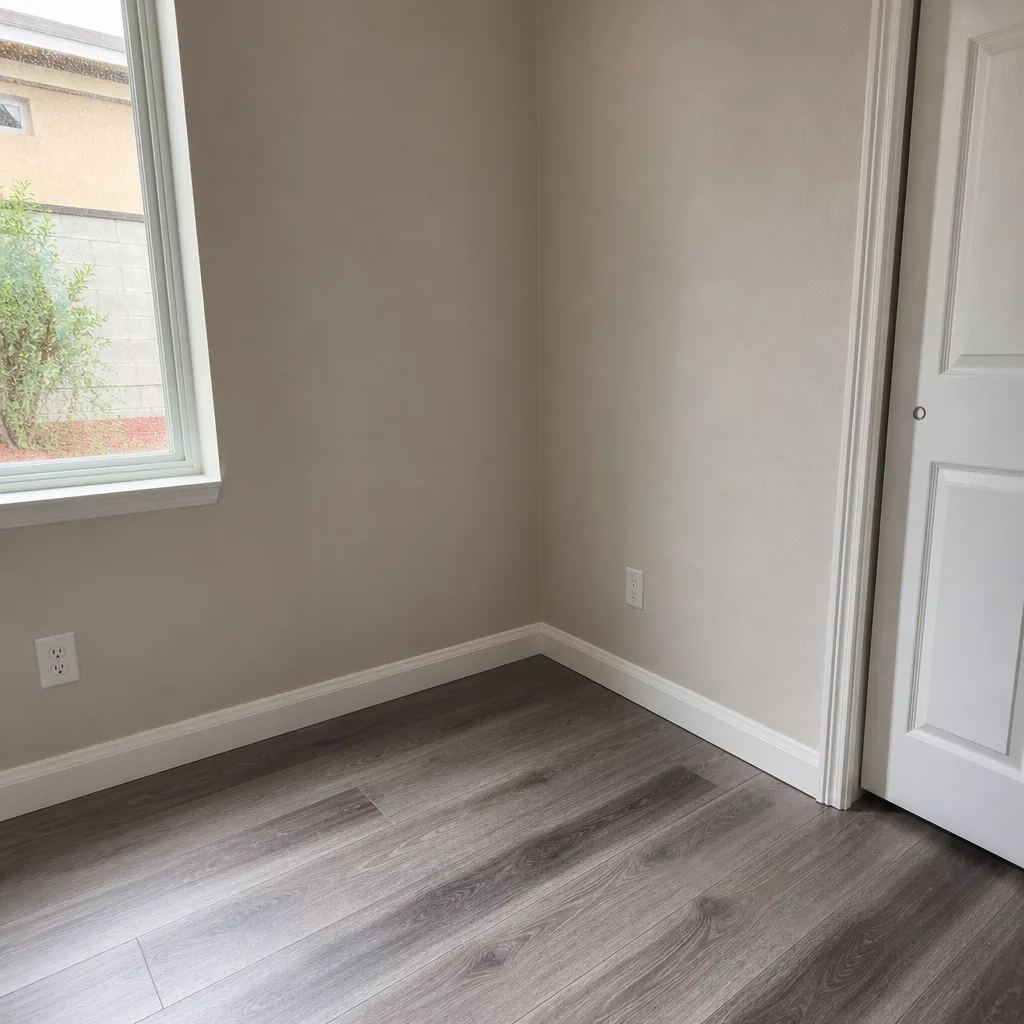 After
When to Call a Professional
Call a restoration professional immediately when water has migrated beyond a single room, when water has penetrated wall cavities or subfloors, when you see visible mold growth larger than a few square feet, or when fire damage has compromised structural elements or left smoke residue throughout the home. These scenarios require commercial-grade drying equipment, moisture mapping, and containment procedures that consumer equipment and DIY approaches cannot handle, as detailed in our Water Damage Restoration Maintenance Checklist for Temecula Homeowners. Delaying professional response in any of these situations increases the total cost of restoration and can create secondary damage that your insurer may dispute.
If you’re in this situation now, Fresh Start Water Damage home offers free estimates in Temecula. Call (844) 878-6356 and we’ll walk you through an assessment before you sign anything.
Frequently Asked Questions
Go to cslb.ca.gov, click License Check, and enter the contractor’s license number. You’re looking for an active license with a classification that matches restoration work, and a business address that is a physical California location. The process takes about 60 seconds and should be done before any contractor enters your home.
No. You have the right under California law to choose your own contractor, and your insurer cannot require you to use their preferred vendor network. A preferred vendor’s primary relationship is with the insurer, not with you, which can create a conflict if there’s a dispute about the scope of necessary work. Get at least one independent assessment before committing.
An assignment of benefits is a legal document that transfers your rights to negotiate and collect insurance payments to the contractor. You should sign one only after reading it carefully, understanding exactly which rights you’re giving up, and ideally consulting with the California Department of Insurance or a qualified advisor. Never sign one bundled inside a work authorization packet without separate review.
For a standard single-room water loss with a professional team using commercial-grade drying equipment from manufacturers like B-Air or Phoenix, structural drying typically takes three to five days. Larger losses or losses involving wall cavities and subfloors can take seven to ten days. A contractor who says drying will take more than two weeks for a standard loss should be asked to explain why.
Yes. Restoration contractors performing water damage work in California typically operate under a C-61/D-64 specialty classification issued by the CSLB. Fire restoration is typically under C-61/D-21. Always verify that the contractor’s license classification actually covers the work you’re hiring them to do.
Homes near Murrieta Creek and its tributary drainages, including parts of the Temecula Creek Village and Paseo del Sol areas, experienced flooding during heavy winter rain events. Homes in hillside communities like Crowne Hill and parts of the Wine Country area face additional water intrusion risks from runoff during intense storms. Older homes in the original Temecula Ranch and Paloma del Sol neighborhoods also see age-related plumbing failures that can cause hidden leaks.
Most standard California homeowner’s policies cover sudden and accidental water damage from events like burst pipes, appliance failures, and rain intrusion through a storm-damaged roof. They typically do not cover damage from gradual leaks, pre-existing maintenance issues, or groundwater flooding unless you carry a separate flood policy. Your adjuster will make the coverage determination, and a restoration contractor’s documentation of the cause and extent of damage materially affects that determination.
The Bottom Line
Hiring a damage restoration contractor in Temecula comes down to three things: contract literacy, credential verification, and asking one uncomfortable question about equipment ownership. Read every document separately, refuse to sign bundled packets without understanding each piece, and run the CSLB check on every contractor who steps foot on your property. A legitimate contractor will welcome these steps. The one who resists them is telling you something important. When you’re ready to talk to a restoration team that will show you certifications, hand you a written scope, and explain exactly which drying system is going into your home and why, call us—or explore more guides & resources first.
Fresh Start Water Damage offers free estimates in Temecula. Call (844) 878-6356. For more on our specific service areas and capabilities, read about our work in Water Damage Restoration in Temecula, Mold Remediation in Temecula, and Fire Damage Restoration in Temecula.
Written by the team at Fresh Start Water Damage, serving Temecula since 2017.