

Last updated October 30, 2026
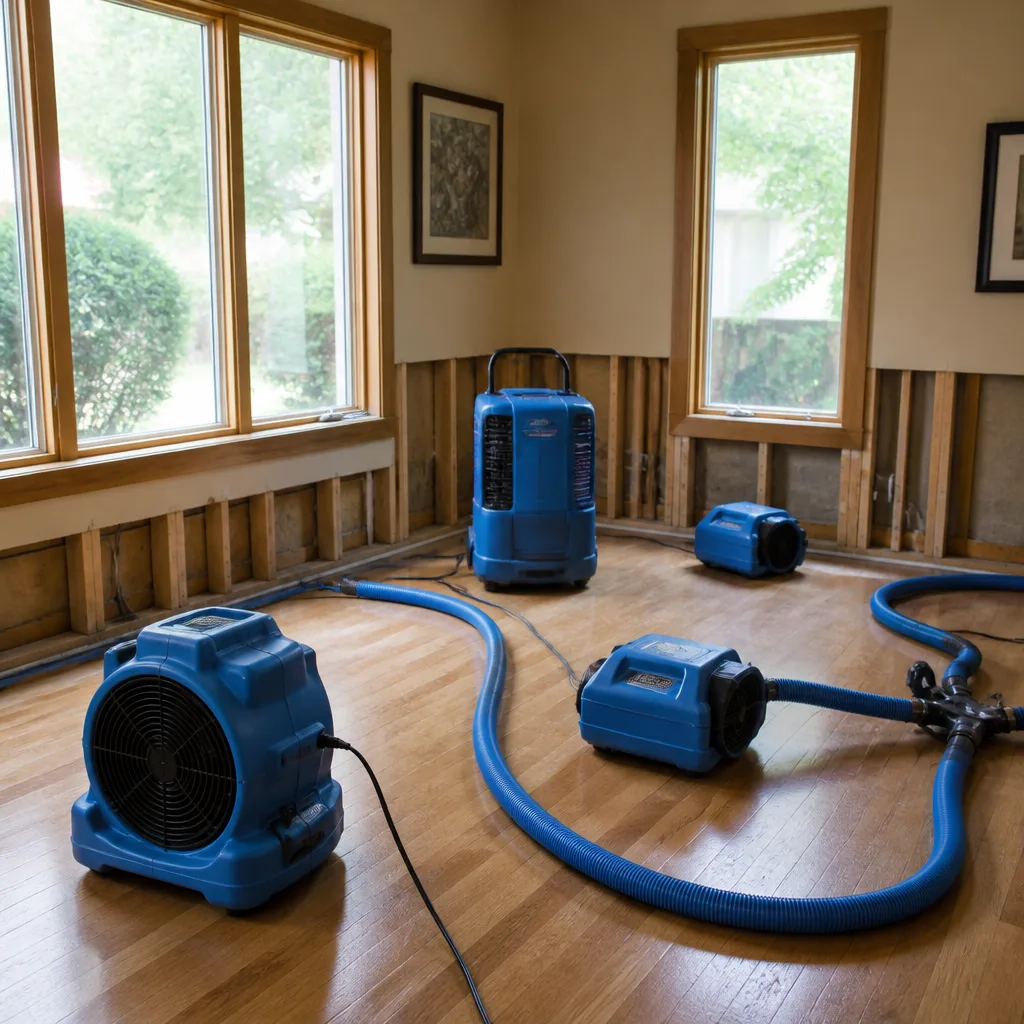 Water damage drying
 Fire & smoke cleanup
 Mold remediation
 Storm response
 Sewage cleanup
 Reconstruction
Free visual inspection and a written scope of work before any mitigation begins - photos, moisture readings, and drying logs go in your claim file
The scope we write is the scope we bill. Anything new gets shown to you, in writing, before we touch it.
Get your free estimateSeasonal Damage Restoration Care for Temecula: Year-Round Homeowner’s Guide
Most national home maintenance calendars are written for places with four equal seasons, and applying them to Temecula means prepping for frost when you should be checking flashings. The Santa Ana wind events that hit Temecula in September and October do more than create fire risk. They pull moisture from building assemblies, causing wood framing to contract and open micro-gaps at roof flashings and window pan seals that become water intrusion points when the first atmospheric river arrives in December. The two seasons are directly connected, and this guide structures your home care around that actual weather pattern, not a national template.
Restoration work we handle
Quick Answer
Seasonal damage prevention in Temecula means preparing your home twice a year: once in late summer for Santa Ana winds and once in early winter for atmospheric river rain events. The most effective maintenance focuses on roof flashings, window seals, grading, and drainage, because wind damage creates the entry points that rain later exploits. For a complete breakdown of what to check and when, see our Water Damage Restoration Maintenance Checklist for Temecula Homeowners. Document every maintenance task with photos and dates to protect against insurance claim denials based on neglect.
Table of Contents
- Temecula’s Real Weather Calendar: Two Risk Windows, Two Prep Windows
- Santa Ana Season Hardening: August Through October
- Atmospheric River Season Hardening: November Through January
- Hillside and Canyon-Adjacent Homes vs. Valley Floor Properties
- The Three Roof Flashing Points That Fail Most Often in Temecula
- The 48-Hour Post-Storm Interior Inspection Protocol
- How to Document Seasonal Maintenance for Insurance Protection
- Common Mistakes to Avoid
- When to Call a Professional
- Frequently Asked Questions
- The Bottom Line
Temecula’s Real Weather Calendar: Two Risk Windows, Two Prep Windows
Temecula does not experience a gradual seasonal shift. What the city gets instead is a repeating pattern of two high-risk weather windows separated by two maintenance windows, and the homeowners who align their preparation to that rhythm prevent most of the damage we see. The first risk window runs from September through October, when Santa Ana winds sweep in from the high desert. These winds are hot, dry, and sustained, regularly reaching 30 to 50 mph with stronger gusts through the canyons and passes. In our experience responding to water intrusion calls across Temecula, the most common origin stories begin months earlier, during these wind events.
The second risk window runs from November through January, when atmospheric river systems stall over Southern California and deliver concentrated rainfall totals that can exceed Temecula’s annual average in just a few weeks. The connection between the two windows is mechanical, not coincidental. Santa Ana winds dry out roof cement, caulk, and flashing sealants, cracking them at stress points. Wood framing contracts. Metal flashings shift slightly. Those small failures remain invisible through October, then become active leaks when the first sustained rain arrives.
That leaves two prep windows: August through early October for wind hardening, and November for rain hardening. Each has a specific task list, and skipping one makes the other much less effective.
Santa Ana Season Hardening: August Through October
The goal during this window is to reduce the drying and contracting forces on your home’s exterior, and to secure anything that can become a projectile. Santa Ana winds in Temecula are strong enough to lift edge flashing, dislodge ridge caps, and drive debris into roof penetrations. The prep work falls into four categories.
- Inspect and reseal roof penetrations. Check the sealant around plumbing vent pipes, HVAC boots, and any satellite dish or antenna mounts. If the sealant is cracked, chalky, or pulling away from the metal, scrape it clean and apply a polyurethane-based sealant rated for Southern California UV exposure. This is the single highest-value task in the entire prep window.
- Secure yard debris and outdoor items. Patio furniture, umbrellas, trash bins, and loose planter materials become airborne projectiles in 40 mph gusts. Anything that can strike a window, a stucco wall, or a roof edge should be stored or anchored. This includes removing dead palm fronds, a common wind-driven hazard in Temecula’s older neighborhoods.
- Trim trees and large shrubs. Branches that scrape against the roof, the fascia, or the siding during wind events cause abrasion damage to shingles and paint. Overhanging branches also deposit leaf litter into gutters, which creates a drainage problem when the rains arrive. Cut back anything within 24 inches of the roofline.
- Walk the exterior walls and note any existing cracks. Wind-driven dust and debris will find stucco cracks and expand them. Small cracks become water channels during winter rains. Seal anything wider than a hairline with an elastomeric caulk, and photograph the work when it is done.
This prep window matters because the damage it prevents is structural, not cosmetic. We have responded to Temecula homes where a single Santa Ana event lifted a 4-foot section of edge flashing, pushed it into a valley, and created a channel that directed water into the attic during the first December storm. The repair was not difficult, but the water damage was entirely avoidable.
Atmospheric River Season Hardening: November Through January
Once the wind season winds down, the focus shifts to water management. Temecula’s average annual rainfall is roughly 14 inches, but much of that can arrive in a handful of storm events, each one capable of overwhelming a drainage system that has been degraded by wind season. The prep tasks here are different from the wind window and should not be skipped simply because the winds did not cause visible damage.
- Clean gutters and downspouts, and test for flow. Temecula’s eucalyptus and pepper trees shed leaves heavily in late fall. A gutter that carried water fine in October can be fully blocked by mid-December. After cleaning, run a hose at the high end and confirm that water exits the downspout well away from the foundation.
- Check window and door weatherstripping and pan seals. The same micro-gaps that opened during Santa Ana winds will fail under sustained rain. Run a hand around window frames on a windy day after the rains have started; any spot where you feel air movement is a spot where water can get in during a driven rain.
- Review grading and swales around the foundation. Temecula soils are mostly decomposed granite and sandy loam, which shed water quickly at first and then saturate. The ground should slope away from the foundation at least six inches over the first ten feet. If it does not, or if planter beds have been built up against the stem wall, regrade before the heavy storms arrive.
- Inspect and clear all drainage channels and French drains. This includes the narrow channels between homes in Temecula’s newer HOA communities, the swales along the sides of hillside lots, and any catch basins in the yard. A blocked channel sends water toward the home instead of around it.
One task that belongs in both windows is documenting the condition of the home before and after each major weather event. More on that later, but the habit starts in November, when the first significant rain is in the forecast.
Hillside and Canyon-Adjacent Homes vs. Valley Floor Properties
Temecula’s topography splits the city into two very different risk profiles, and the maintenance tasks for each differ in ways that national guides never mention. Homes in the valley floor communities of Harveston, Paloma Del Sol, and parts of Redhawk face one set of issues, while hillside and canyon-adjacent properties in areas like De Luz, Crowne Hill, and parts of Morgan Hill and Wolf Creek face another.
For valley floor homes, the greatest threats are sheet flow and saturated soil. When Temecula’s hard-packed decomposed granite soil becomes saturated, water moves across the surface rather than absorbing into it. That sheet flow can enter through weep screed, travel under the slab, and wick up into walls and flooring. The maintenance priority for valley homes is to maximize surface drainage away from the foundation, keep gutters flowing, and avoid planting anything that blocks the natural flow path. We have also seen a recurring issue in Temecula’s valley communities where downspout extensions have been removed during landscaping projects, leaving gutter discharge to pour directly against the foundation.
For hillside and canyon-adjacent homes, the risk profile includes all of the above plus two additional factors: driven rain and ember exposure. When an atmospheric river stalls over the Santa Rosa Plateau, the wind that accompanies it pushes rain horizontally against the uphill side of the home. This driven rain finds entry points that normal rain never touches: window pan seals, weep-hole covers, soffit vents, and even the small gap where the garage door seal meets the slab. Hillside homeowners should check those points twice during the rainy season, not once.
Ember exposure is the other variable that belongs in the hillside maintenance plan. During Santa Ana conditions, homes in Temecula’s Wildland Urban Interface zones, which include many of the hillside communities, face ember intrusion through attic vents, under eaves, and into gaps where decks meet the house. The hardening measures are simple, such as installing 1/8-inch metal mesh over attic and foundation vents and sealing the underside of eaves, but they have to be in place before fire weather arrives. We mention this because the same ember entry points are often the same water entry points when the rain returns. Closing one closes both.
The Three Roof Flashing Points That Fail Most Often in Temecula
Roof flashing failures are the most common source of post-storm water intrusion calls we receive from Temecula homeowners. Three specific points account for the vast majority, and all three can be inspected from the ground with binoculars or a cell phone camera on zoom. You do not need to climb a ladder to do a meaningful inspection.
Plumbing vent pipe boots. These rubber boots seal the gap where a plumbing vent pipe penetrates the roof. Temecula’s relentless summer sun degrades the rubber, and Santa Ana winds then tear it away from the pipe. Inspect for cracking, splitting, or a boot that has lifted away from the pipe surface. If the boot has failed, the entire roof penetration is open to rain.
Chimney and skylight curb flashings. Temecula’s older homes, particularly in the Paloma Del Sol and Temeku Hills neighborhoods, frequently have chimneys with sheet metal counter-flashing. Wind-driven rain can enter between the chimney and the flashing if the sealant has dried out. Skylights present a similar issue: the curb-mounted flashing has a sealant joint that flexes with temperature changes, and after enough hot-cold cycles, the seal fails. Look for lifted metal edges and cracks in the sealant bead.
Valley metal at roof intersections. Where two roof planes meet, metal valley flashing channels water toward the gutter. If Santa Ana winds lifted the edge or if debris has accumulated in the valley, water can back up under the shingles. Look for a visible gap between the metal and the shingle, or a valley that is holding leaves and pinestraw. Both conditions require correction before a heavy rain.
If any of these three points shows signs of failure, have it repaired before the next significant rain event. The repair cost is a fraction of the water damage mitigation cost that follows a leak through an open penetration.
The 48-Hour Post-Storm Interior Inspection Protocol
After a significant rain event in Temecula, the most valuable thing a homeowner can do is to walk the interior of the home within the first 48 hours and check specific points that reveal early water intrusion. Catching a small leak within the first two days prevents mold, prevents subfloor damage, and prevents the kind of repair that requires demolition. Here is the specific protocol we recommend to our customers.
- Check behind baseboards on exterior walls. Run your hand along the top edge of the baseboard on every wall that faces the weather. Moisture wicks up behind the baseboard before it shows on the drywall surface. If the baseboard feels damp, cool, or if the caulk line between the baseboard and the drywall has separated, investigate further.
- Inspect crawlspace access points and the first two feet of the subfloor. This is where water shows up first in raised-foundation homes. Look for dark staining on the subfloor, standing water on the vapor barrier, and any change in the smell. A damp crawlspace has a distinct earthy odor that is different from the normal mustiness.
- Check skylight curbs from inside the attic, if accessible. Use a flashlight and look for water staining on the roof sheathing around the skylight shaft. If the attic is not accessible, check the ceiling around the skylight for discoloration, which typically appears as a soft-edged brown or yellow stain.
- Look at window sills and the interior trim. Water that enters through a pan seal collects on the sill and then runs down the interior wall. Check for bubbling paint, soft drywall at the sill edge, and any pooling water that is not condensation.
- Check the garage ceiling and the wall shared with the house. Garage roofs are often the last point inspected and the first to fail, especially on attached garages. Look for staining on the ceiling joists, the drywall, and any items stored against the shared wall that show water damage.
If you find any sign of moisture, photograph it before touching anything else, then call a professional restoration company. The sooner the area is dried with commercial-grade equipment, the less demolition is required. This is precisely where a Water Damage Restoration in Temecula assessment makes the difference between a small repair and a multi-week rebuild.
How to Document Seasonal Maintenance for Insurance Protection
Insurance adjusters and restoration contractors alike have seen the phrase “sudden and accidental” become the center of too many claim disputes. When a water damage claim is filed, the carrier will look for evidence that the damage resulted from a covered event rather than from deferred maintenance. The best defense is a paper trail, and it is not complicated to build one.
Start by taking a dated photo of each completed task: the clean gutters, the resealed vent boot, the sealed stucco crack, the trimmed tree branches. The photo metadata, which includes the date and time, is part of your documentation. Pair each photo with a one-line note in a small notebook or a simple digital file. The note does not need to be detailed: “Cleaned gutters, installed new downspout extension at northwest corner, 11/2” is sufficient.
After each major weather event, take a second set of photos showing that the home remained intact and dry. Those photos establish the condition of the property on that date. If a claim is filed later, the before-and-after sequence tells the story better than any written statement.
This documentation matters more than most homeowners realize. We have worked on Temecula claims where the difference between approval and denial hinged on whether the homeowner could demonstrate that the flashing failure came from wind damage in October rather than from ten years of neglect. The homeowners who had photos and notes had a much easier conversation with their adjuster. Those who did not spent weeks arguing.
Common Mistakes to Avoid
- Treating the Santa Ana season as a fire-only concern. Temecula homeowners often focus entirely on ember risk during wind events and miss the drying and contracting effects that set up the rain season failures. The two seasons are mechanically linked.
- Cleaning gutters once in October and assuming that is enough. Temecula’s late-season leaf drop means a gutter can be clear the week after Thanksgiving and half-full again by Christmas. Check them after the first big December storm, not before it.
- Ignoring small stucco cracks because they look cosmetic. In Temecula’s freeze-thaw cycle, which is mild but real, small cracks widen every winter. A hairline crack in November is a water channel by February.
- Allowing planter beds to build up against the foundation. This is widespread in Temecula’s HOA communities, where homeowners add raised beds along the back wall without extending the downspouts. The soil against the stem wall acts like a sponge, holding water against the foundation.
- Waiting to inspect until after a problem is visible on the ceiling. By the time a stain appears on the ceiling drywall, the water has already traveled through insulation and sat against the sheathing. The 48-hour interior walkthrough catches problems before they become visible damage.
- Assuming that all contractor estimates are the same. A handyman with a shop vac is not the equivalent of a company running Dri-Eaz drying systems and documenting moisture levels throughout the process. Equipment matters, and so does the written scope of work.
- Neglecting documentation until a claim is filed. The time to build a maintenance record is before the damage happens, not after. Retroactive documentation does not carry the same weight with an adjuster.
When to Call a Professional
Some maintenance tasks are reasonable for a homeowner to handle, and some are not. If you find water staining on the ceiling, a damp baseboard that has been wet for more than 48 hours, or any sign of mold growth on drywall or trim, call a professional restoration company. If a roof leak has been going for an unknown period, or if water has reached the subfloor or the crawlspace, do not attempt to dry it with household fans. The moisture has already moved beyond the reach of consumer equipment.
We also recommend a professional assessment when you find cracking or separation at a flashing point, rather than attempting a ladder repair yourself. Roof work carries real risk, and flashing repairs done incorrectly create the exact problem you are trying to prevent. Fresh Start Water Damage home offers free estimates in Temecula. Call (844) 878-6356 to schedule an inspection, and we will document everything in writing before any work begins.
Frequently Asked Questions
Inspect your roof flashings twice per year, once in August before Santa Ana season and once in November before the atmospheric river window. Temecula’s combination of intense summer sun and seasonal high winds means that flashing sealants degrade faster here than in coastal communities, making twice-yearly checks essential for preventing water intrusion.
The most common cause of water damage in Temecula homes is a failed roof flashing or pan seal that opened during Santa Ana winds and then leaked during a subsequent atmospheric river event. The damage sequence is consistent: wind drying and contracting, followed by rain intruding through a small gap that had been invisible for weeks.
Yes, a small roof leak that goes unaddressed for more than 48 hours creates conditions for mold growth behind walls and under flooring. Temecula’s mild winter temperatures mean that interior spaces can hold enough moisture for mold to establish quickly, which is why we recommend a professional Mold Remediation in Temecula assessment for any leak that may have been active for more than two days.
Inspect your grading and drainage channels in late October, looking for soil that slopes toward the foundation, downspouts that discharge against the stem wall, and any clogged catch basin or French drain. In Temecula’s hard-packed granite soil, water moves across the surface when the ground saturates, so the visual check of slope and flow path is more predictive than a moisture reading before the storm.
Photograph the stain, mark its edges with a pencil to track any growth, and call a professional restoration company within 24 to 48 hours. The water source may be active, and the longer the area remains wet, the more extensive the mitigation will be. Do not let it sit while waiting to see if it dries on its own.
Homeowners insurance typically covers sudden and accidental water damage from a covered peril, such as wind-driven rain entering through a roof penetration that was damaged during a wind event. Coverage for gradual leaks is more complicated, which is why documented seasonal maintenance matters. Photographs and dates showing a well-maintained home make a denial based on neglect much harder to sustain. For fire and wind damage claims, we also refer homeowners to our Fire Damage Restoration in Temecula team, which works with documented wind and ember damage throughout the city’s hillside communities.
The Bottom Line
Temecula’s weather pattern is predictable, and predictable means preventable. The two-window framework, Santa Ana hardening in late summer and atmospheric river hardening in early winter, covers the vast majority of damage sources we see in the field. The tasks are simple, but they are not optional, and they are not interchangeable. A home that is wind-hardened but not rain-hardened has done half the work and accepted most of the risk. Document what you do, inspect after every major weather event, and call a professional when the problem is beyond a homeowner’s tools. For more guides & resources on protecting your Temecula home, explore our blog. The cost of prevention is a fraction of the cost of restoration, and the math never changes.
Written by the team at Fresh Start Water Damage, serving Temecula since 2017.
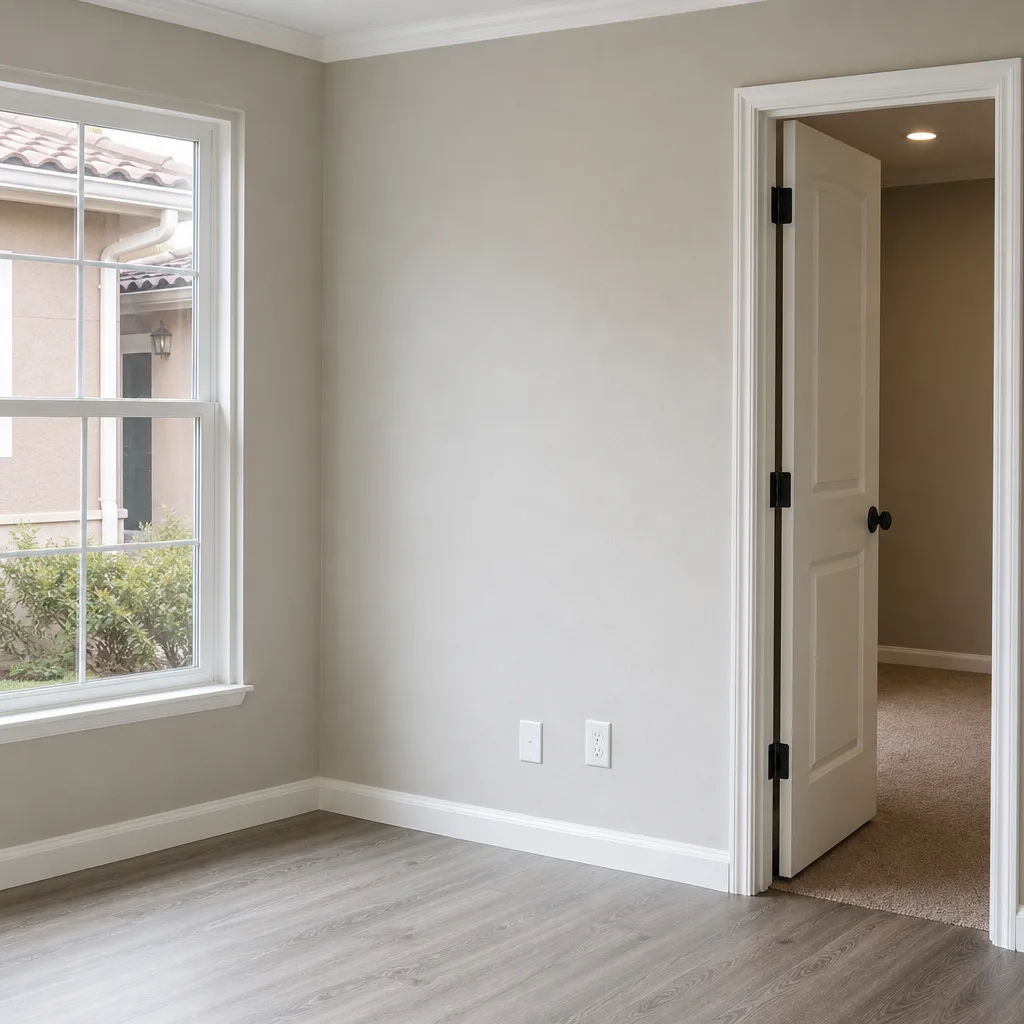
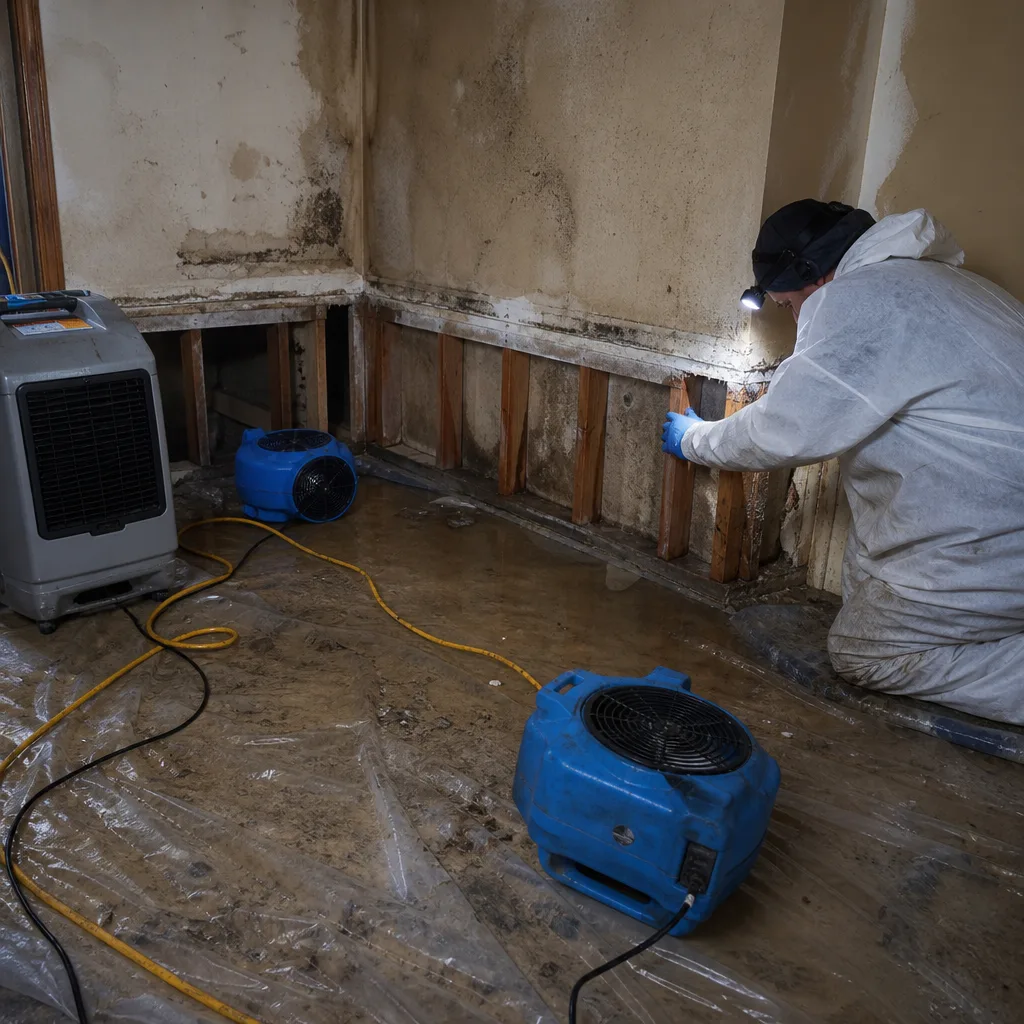
See the difference
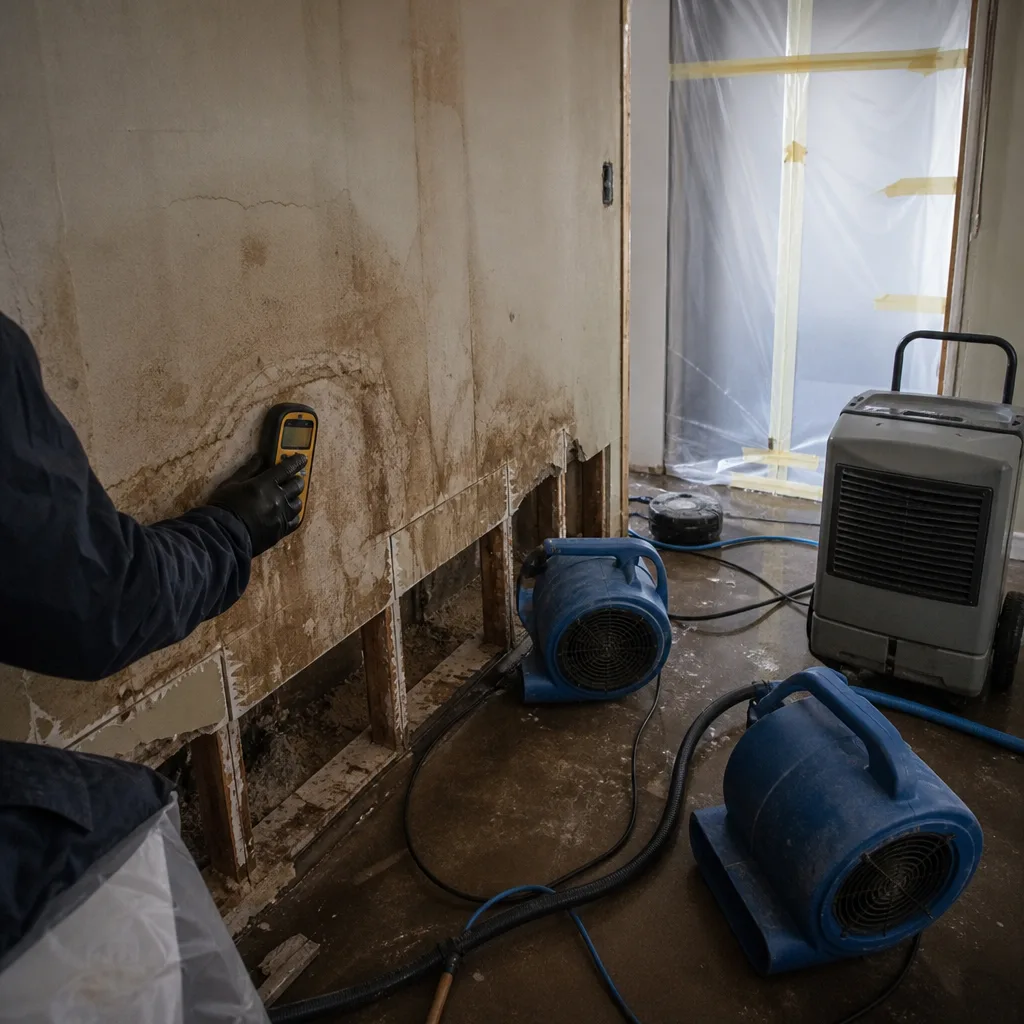 Before
 After
 Before
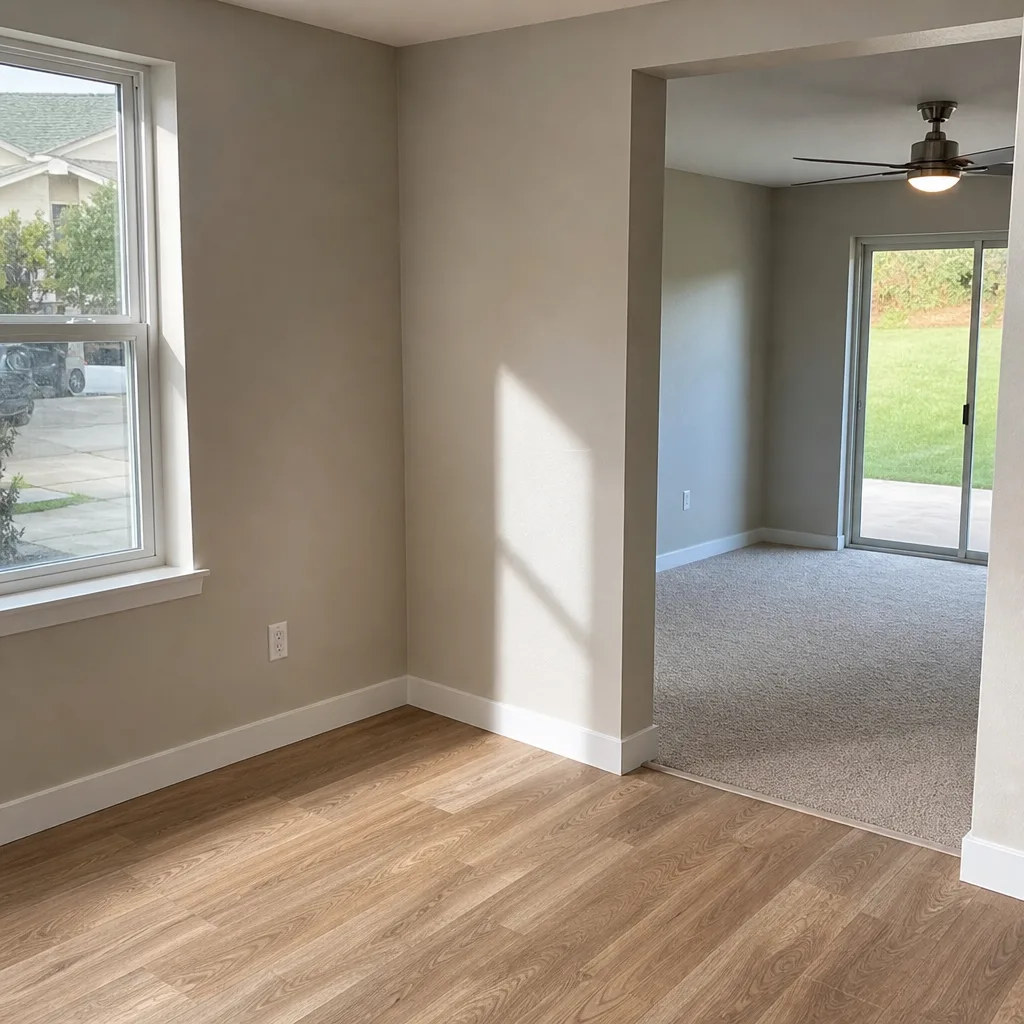 After
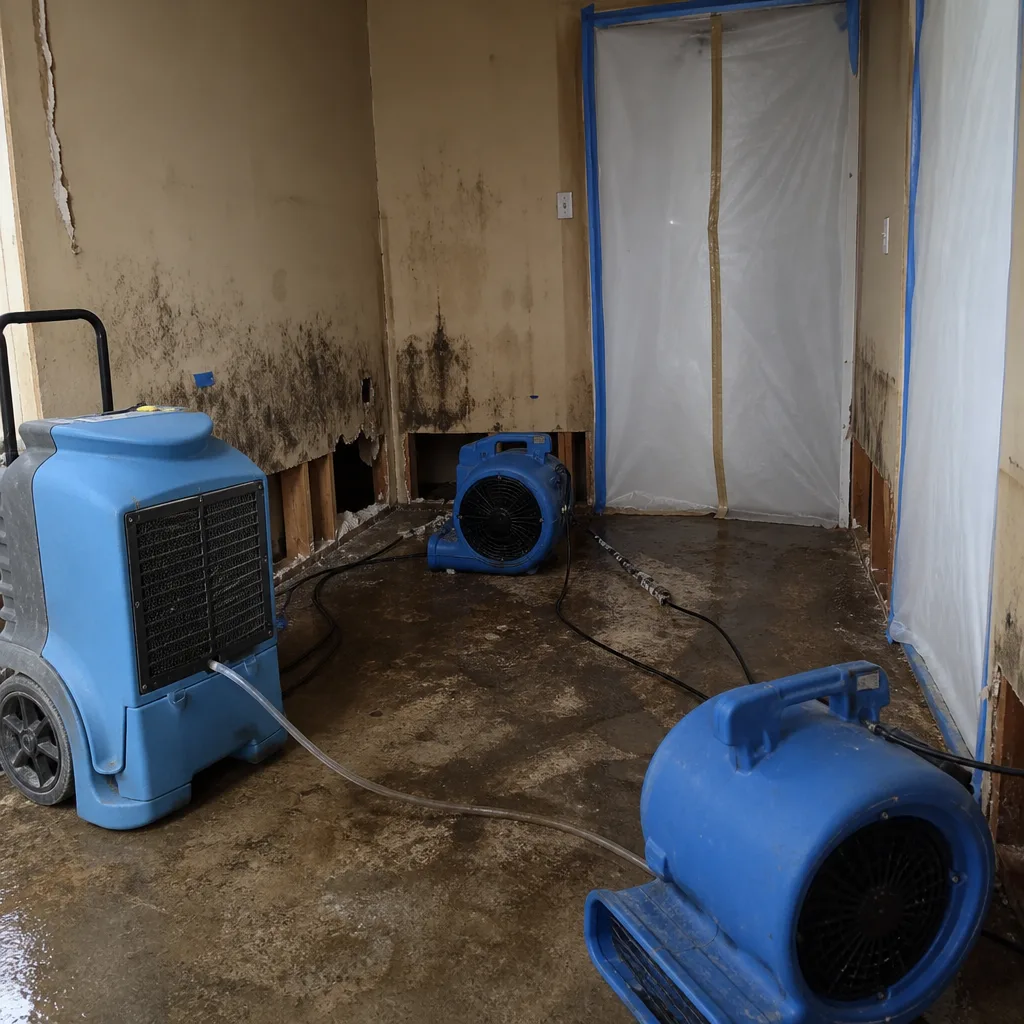 Before
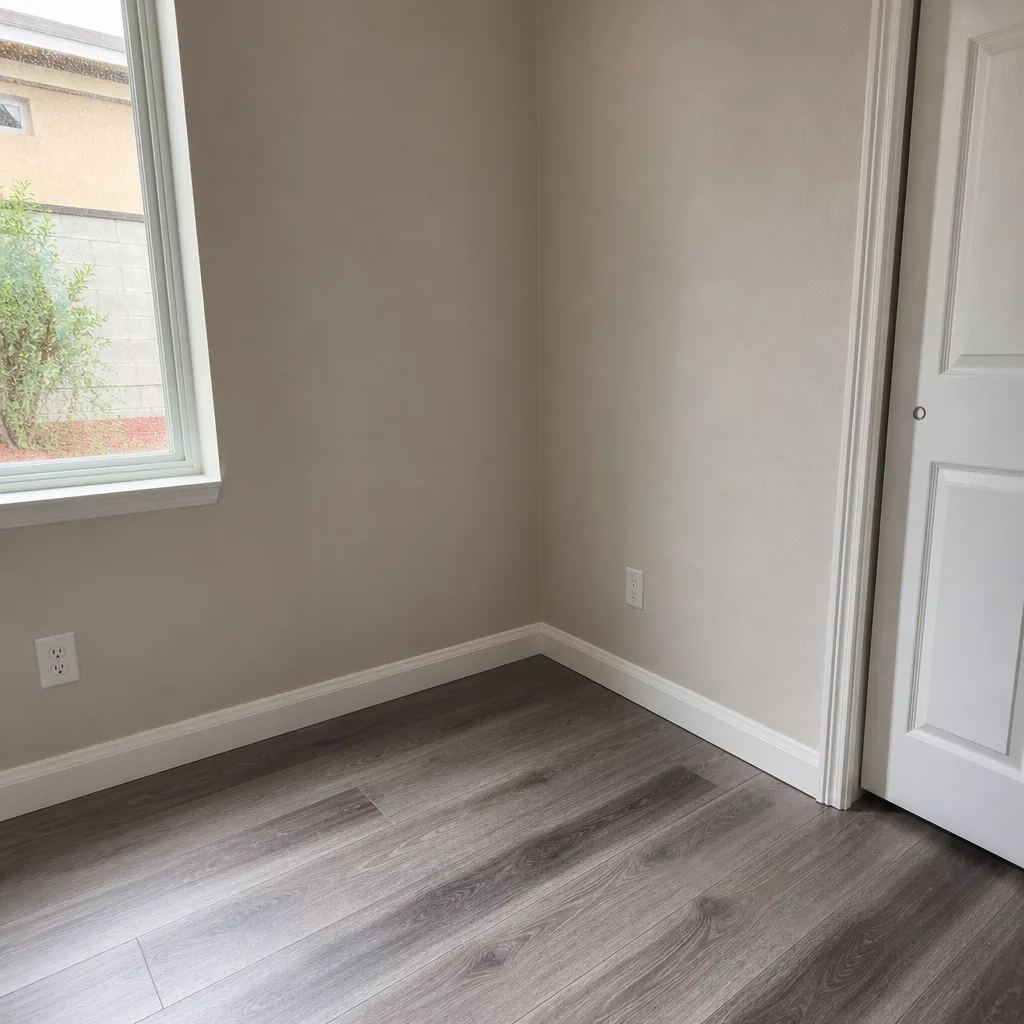 After