

Last updated October 30, 2026
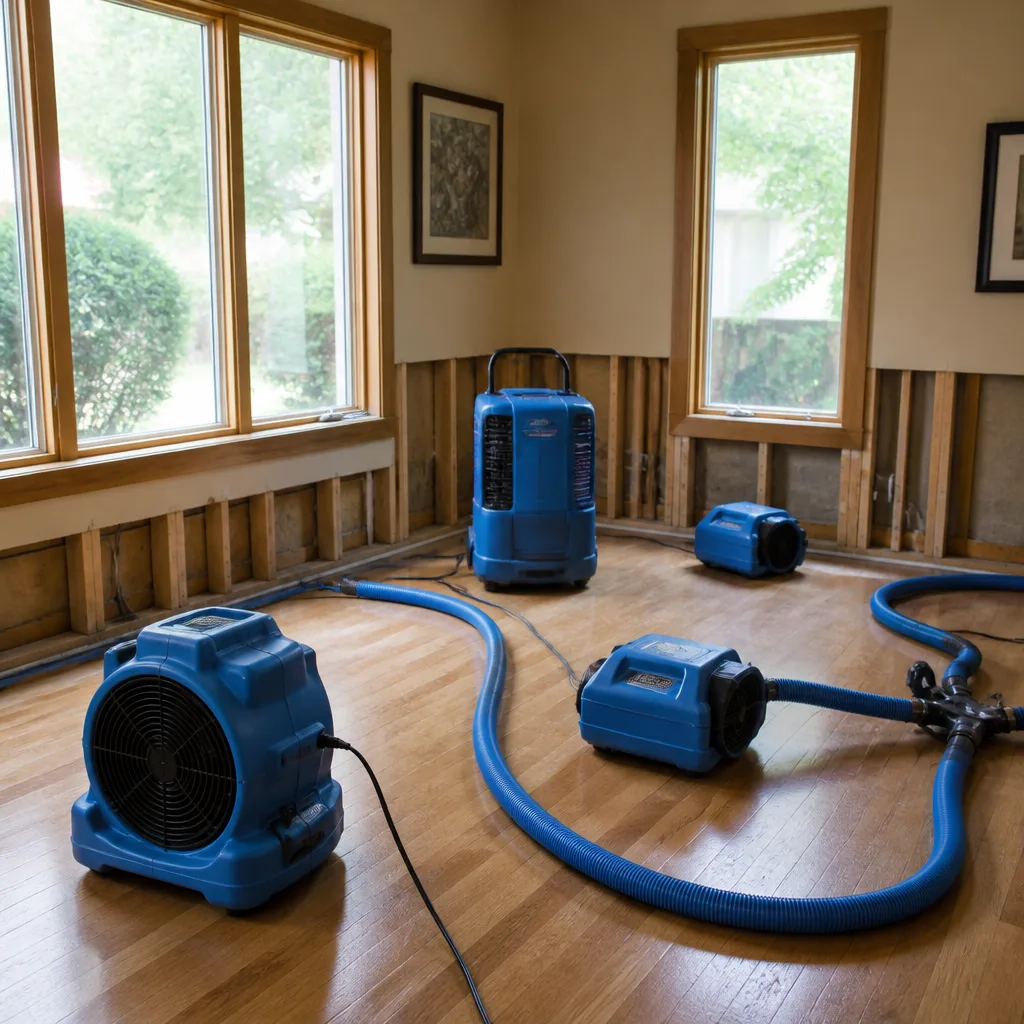 Water damage drying
 Fire & smoke cleanup
 Mold remediation
 Storm response
 Sewage cleanup
 Reconstruction
Free visual inspection and a written scope of work before any mitigation begins - photos, moisture readings, and drying logs go in your claim file
The scope we write is the scope we bill. Anything new gets shown to you, in writing, before we touch it.
Get your free estimateThe Complete Water Damage Restoration Guide for Temecula Homeowners
Temecula’s average summer humidity drops below 20%, which sounds like an advantage after a flood. But here’s what most generic restoration guides get wrong: that bone-dry air pulls moisture out of drywall and framing so aggressively that wood cracks, warps, and splits faster than water can escape. Without controlled drying equipment calibrated to Temecula’s specific climate conditions, a recoverable water event becomes a structural problem in days, not weeks. This guide explains the local variables that actually determine whether your home dries in 3 days or 10, what gets skipped when homeowners attempt DIY drying, and how to navigate California insurance documentation without making costly mistakes. For related reading, see our Damage Restoration Emergency Preparedness Guide for Temecula Homes.
Restoration work we handle
Quick Answer
Water Damage Restoration in Temecula requires a staged process: emergency extraction, controlled structural drying with commercial-grade equipment, moisture mapping to verify hidden pockets are addressed, and then remediation of any resulting mold or material degradation. Temecula’s desert-adjacent climate means open windows and box fans actually slow drying during summer months by pulling superheated, ultra-dry air across surfaces too quickly, causing warping before moisture can fully escape wall cavities and crawl spaces. Professional restoration in Temecula typically takes 3 to 7 days for structural drying when proper equipment and sequencing are used.
Table of Contents
- How Temecula’s Climate Changes Everything About Drying
- The Restoration Sequence: What Actually Happens First
- Wine Country Construction: Crawl Spaces and Stucco Traps
- Reading Moisture Meters: Numbers That Actually Matter
- California Insurance Documentation: The Timeline That Protects You
- Why Equipment Matters: Commercial-Grade vs. Rental Fans
- What Homeowners Can Safely Do Before Help Arrives
- Common Mistakes to Avoid
- When to Call a Professional
- Frequently Asked Questions
- The Bottom Line
How Temecula’s Climate Changes Everything About Drying
We’ve worked water damage jobs in Temecula neighborhoods from Paseo del Sol to Redhawk, and the drying curve here behaves differently from anywhere else in Southern California. Coastal restoration crews bring habits formed in 60% humidity environments. Those habits fail in Temecula’s inland valley, where summer afternoons routinely hit 95°F with relative humidity in the mid-teens.
Here’s the counterintuitive part: low humidity does not automatically mean faster drying. It means faster surface drying and slower core drying. When the top layer of drywall or hardwood releases moisture quickly, it creates a vapor barrier effect. The surface feels dry to the touch, but the moisture trapped behind it now has a harder time escaping. Wood framing inside a wall cavity can stay at 20% moisture content or above for weeks while the visible surface reads bone dry.
Open windows during a Temecula summer make this worse. The air moving through the home is hotter than the interior air and nearly devoid of moisture, which accelerates surface evaporation without addressing moisture buried in wall cavities, subfloors, and insulation. The result is exactly what our Water Damage Restoration in Temecula team sees most often: homeowners who air out a flooded room for three days, assume the problem is solved, and discover warped baseboards and swollen door frames six weeks later.
Controlled drying means managing both temperature and airflow inside the structure so that moisture migrates from deep materials to the surface at a rate that matches evaporation capacity. This is why commercial drying systems from Dri-Eaz and Phoenix units get deployed on restoration jobs rather than consumer box fans. They create negative air pressure in wall cavities and subfloors, pulling moisture out in a controlled sequence instead of letting it flash off the surface.
The Restoration Sequence: What Actually Happens First
Professional water damage restoration follows a strict sequence, and skipping steps is where most DIY attempts fail. Here is what the order actually looks like on a Temecula job site:
- Source control and safety assessment. Before any drying begins, the water source must be stopped and the electrical panel checked by someone qualified to determine whether power needs to be shut down to affected areas. Standing water near outlets or in crawl spaces is a hazard that must be addressed before extraction starts.
- Emergency water extraction. Truck-mounted or portable extraction units remove standing water from floors, carpets, and accessible cavities. This step removes the bulk water that would otherwise continue migrating into dry materials. The goal is removing 90% of visible water before drying even starts.
- Moisture mapping and damage documentation. Thermal imaging cameras and moisture meters identify where water has traveled behind walls, under flooring, and into insulation. This mapping drives equipment placement. It also creates the baseline documentation your insurance claim depends on.
- Structural drying with controlled airflow. Commercial-grade air movers and dehumidifiers are positioned based on the moisture map, not scattered randomly. Injectidry systems get placed in wall cavities and under subfloors when moisture mapping shows trapped water that demolition would otherwise be required to reach.
- Antimicrobial application. Once materials are visibly clean but before drying is complete, antimicrobial agents are applied to surfaces that were in contact with contaminated water to prevent mold colonization during the drying window.
- Clearance verification. Final moisture readings are taken against established drying standards. A restoration contractor should be able to show you the numbers that confirm materials have returned to safe moisture content ranges, not just tell you things “feel dry.”
What gets skipped in a DIY response? Step six, almost always. We’ve responded to Temecula homes where homeowners ran fans for a week and never took a single moisture reading. Without clearance verification, you don’t know whether the materials behind your baseboards are safe or silently degrading.
Wine Country Construction: Crawl Spaces and Stucco Traps
Temecula’s housing stock tells a specific story. Homes built during the wine country expansion years of the 1980s through the 2000s were constructed for an arid climate, but that construction style creates moisture challenges when water intrusion happens. The two biggest culprits are crawl spaces and stucco exteriors.
Crawl spaces in older Temecula homes are typically ventilated, which means they breathe ambient air. During the hot summer months, that air is extremely dry, but the soil underneath remains clay-heavy and moisture-retentive. When a plumbing leak occurs in a crawl space, the water spreads across the clay soil and wicks up into floor joists and subflooring from below. Because the crawl space ventilates well, homeowners often don’t notice the problem until floors begin to feel springy or a musty odor develops. By that point, structural drying requires Injectidry systems placed under the home targeting the subfloor from beneath, which is far more invasive than catching the leak early.
Stucco exteriors present a different challenge. Stucco is a cement-based material that absorbs water and releases it very slowly. When a roof leak or window flashing failure sends water behind stucco, the moisture gets trapped in the drainage plane between the stucco and the building paper. Because stucco doesn’t visibly stain the way drywall does, water can remain hidden for months before any visible signs appear inside the home. By then, wood framing behind the stucco may have sustained significant degradation.
This construction reality is why a visual inspection after water damage in a Temecula wine country home is never sufficient. Moisture mapping with penetrating or non-penetrating meters across stucco surfaces and crawl space joists reveals what the eye cannot.
Reading Moisture Meters: Numbers That Actually Matter
Moisture meters give objective readings that tell you whether materials are dry, wet, or somewhere in between. If a restoration contractor runs a meter over your wall and says “looks good” without showing you numbers, ask for the actual readings. Here is what the numbers mean for common building materials:
- Drywall: Safe clearance is 5% to 12% moisture content. Readings above 16% indicate active saturation and the need for continued drying or replacement. Between 12% and 16% is a gray zone that depends on the age of the water event and whether mold prevention measures were applied early.
- Wood framing and structural lumber: Acceptable range is 8% to 14% in Temecula’s climate. Anything above 16% sustained for more than a few days creates conditions where wood-destroying organisms and mold can activate. Above 20% for extended periods means structural integrity may be compromised.
- Concrete slab subfloor: Concrete dries at a different rate than wood or gypsum. A concrete slab reading below 4% on the surface typically indicates a dry slab, but moisture migrating through the slab from below can continue for weeks after a flood event if the vapor barrier was compromised.
- Hardwood flooring: Safe range is 6% to 9% for solid hardwood in Temecula’s dry climate. Above 12% means the wood is actively swelling and at risk of cupping, crowning, or cracking as it dries unevenly.
The critical distinction is between surface readings and penetrating readings. Non-penetrating meters read only the top layer of material, which can show dry while the core remains saturated. Penetrating meters use pins that reach deeper into the material, providing the readings that actually determine clearance. A restoration company that only uses non-penetrating meters is not verifying that your wall cavities have truly dried.
California Insurance Documentation: The Timeline That Protects You
California homeowners insurance policies generally require prompt notification of water damage, and the documentation you gather in the first 48 hours determines how smoothly your claim proceeds. Here is the timeline that protects your interests:
Hour 0-2: Initial Discovery
- Stop the water source if you can do so safely. This means shutting off the main water valve or isolating the affected fixture.
- Photograph everything before moving any items. Wide shots showing the affected area, close-ups of standing water, and photos of any visible damage to walls, flooring, or personal property.
- Do not throw anything away before documenting it. Even destroyed items need to be inventoried and photographed for your claim.
Hour 2-24: Mitigation Begins
- Contact your insurance carrier and initiate the claim. Some policies have specific time windows where failure to mitigate ongoing damage can affect coverage.
- Begin water extraction and controlled drying if you are working with a restoration contractor. California law requires homeowners to take reasonable steps to prevent further damage after a water event. Failing to extract standing water because you’re “waiting for the adjuster” can reduce your claim payout.
- Save receipts for any emergency work performed. These are recoverable as part of your claim in most cases.
Day 2-5: Adjuster Contact and Scope
- When the adjuster visits, have your moisture mapping data and photo documentation ready. A restoration contractor who provides written scope documentation and moisture readings makes the adjuster’s job easier, which usually means a smoother claim.
- Do not sign any contract that includes a contingency fee arrangement for the restoration work itself. California law restricts how contractors can structure fees related to insurance claims.
What Voids or Reduces a California Water Damage Claim
- Neglect or failure to mitigate. If you knew about a slow leak and did nothing for months, the resulting damage may be classified as neglect rather than a covered event.
- Unpermitted work that failed. If a previous unpermitted plumbing modification caused the leak, your carrier may reduce or deny coverage.
- DIY repairs gone wrong. If attempted repairs make the damage worse, the additional damage may not be covered.
- Missing documentation. Without photos and records, you cannot prove the damage occurred when and how you claim.
Documentation is where a Fresh Start Water Damage home restoration resource can help. Our moisture mapping and photo documentation create the baseline record your adjuster needs from the first visit.
Why Equipment Matters: Commercial-Grade vs. Rental Fans
The difference between what a homeowner rents from a big-box store and what a restoration crew brings into a Temecula home is not cosmetic. Commercial-grade drying equipment moves more air, removes more moisture, and operates continuously for days without overheating. Here is what actually changes:
- Air mover performance. Consumer box fans move roughly 1,500 to 2,000 cubic feet per minute at close range. A commercial Dri-Eaz air mover pushes 2,800 to 3,800 CFM and maintains that output across a longer distance, meaning wall cavities and floor systems get proper airflow.
- Dehumidification capacity. Rental dehumidifiers designed for residential basements remove 30 to 50 pints per day under ideal conditions. Phoenix commercial dehumidifiers used in restoration work remove 130 to 225 pints per day and operate at the higher temperature ranges common to Temecula’s hot interior spaces.
- Targeted drying capability. XPOWER and Injectidry systems apply negative pressure or focused airflow directly into wall cavities and under subfloors. This is the “dry smarter, not just faster” approach that reduces unnecessary demolition. When moisture is trapped behind stucco or inside a floor cavity, fans in the room simply will not reach it.
- Durability during extended runs. Restoration drying runs continuously for 72 to 168 hours. Consumer equipment is not engineered for that duty cycle and often fails mid-job, leaving a home partially dried with equipment that stopped working quietly overnight.
We run Dri-Eaz, Phoenix, and XPOWER systems specifically because they are built for the continuous-duty demands of restoration work. The equipment is one part of the equation, but the placement and sequencing decisions that come from moisture mapping matter just as much.
What Homeowners Can Safely Do Before Help Arrives
Before any restoration team arrives in Temecula, there are specific actions that reduce damage without putting you at risk. These are the steps we recommend to homeowners who call us and ask what they should be doing while waiting:
- Shut off the water source. Know where your main water shutoff valve is located. In most Temecula homes built in the last 30 years, it is located near the street or at the exterior wall where the water line enters. Turning this valve stops ongoing water flow faster than waiting for the utility company.
- Kill power to affected areas only if safe. If the water has reached electrical outlets, appliances, or your electrical panel, turn off breakers to affected circuits at the panel before entering standing water. If you cannot reach the panel without stepping in water, do not attempt it. Call an electrician or wait for a professional who can address the hazard properly.
- Move furniture and personal items to dry areas. Furniture legs sitting in water wick moisture upward, and personal items on wet carpet begin degrading quickly. Move what you can without straining yourself.
- Photograph everything before moving anything. Document the condition of items in place. Your insurance claim benefits from showing exactly where water pooled and what was affected.
- Remove soaked area rugs if they are portable. Wet area rugs stain hardwood and trap moisture against the floor. Roll them up and move them outside or to a garage, but photograph them first.
- Do not attempt DIY structural drying with box fans and open windows in summer. As covered above, Temecula’s hot, dry air creates the wrong drying conditions. You will dry the surface and trap moisture in the body of materials, which is a worse outcome than waiting for proper equipment.
When the damage involves standing water that has been present for more than 24 hours, sewage or gray water backups, or water that has wicked into walls, the safest and most effective move is to call a certified restoration crew rather than attempting to manage the drying yourself. We’ve seen Temecula homeowners turn a manageable restoration project into a mold remediation job by waiting too long or drying incorrectly. Our Mold Remediation in Temecula team gets those calls regularly, and the damage is always more extensive than it needed to be.
Common Mistakes to Avoid
- Opening windows during a summer water event. Temecula’s 95°F, 15% humidity air dries surfaces too quickly, causing wood to crack and warp while leaving moisture trapped in wall cavities. Controlled drying means managing the environment, not surrendering to it.
- Turning off drying equipment too early. Homeowners often shut down fans and dehumidifiers after two or three days because surfaces feel dry. Without clearance moisture readings, you cannot know whether wall cavities and subfloors are dry. Premature shutdown is a leading cause of recurring mold problems in Temecula homes.
- Ignoring crawl space moisture. Older Temecula homes with clay-heavy crawl space soils hide moisture in ways that never show on interior walls. After any water event, the crawl space needs to be inspected with a moisture meter, not just visually checked.
- Calling a general contractor before a restoration company. A contractor who rebuilds drywall is not the same as a restoration company that dries structures. Rebuilding over wet framing causes mold inside walls and voids any warranty from the original builder. Extraction and drying come first, rebuild second.
- Discarding damaged items before documenting them. Insurance claims in California require proof of loss. Every item you throw away before photographing it is a dollar you may not recover.
- Using bleach on mold patches. Bleach does not penetrate porous materials like drywall and wood framing. It whitens the surface while leaving active mold below, and it introduces corrosive moisture that can damage nearby metals. Mold remediation requires professional-grade antimicrobial agents and proper containment, not household chemicals.
- Assuming stucco means the home is protected. Stucco is water-resistant, not waterproof. Water can sit behind stucco for months without showing visible signs on the exterior. After a water event, moisture readings on interior walls adjacent to stucco exteriors matter more than how the outside looks.
When to Call a Professional
Call a restoration professional in Temecula immediately if water has penetrated walls, ceilings, or flooring; if the water source is contaminated (sewage, dishwasher discharge, toilet overflow); if standing water has been present for more than 24 hours; or if you can smell mustiness that indicates hidden moisture. The difference between a recoverable situation and a structural problem is measured in hours during hot weather. Fresh Start Water Damage offers free estimates in Temecula. Call (844) 878-6356 and we will walk you through what is happening and what needs to happen next.
Frequently Asked Questions
Structural drying in Temecula typically takes 3 to 7 days when commercial-grade equipment is properly deployed. The exact timeline depends on the extent of water penetration, the materials affected, and whether the crawl space or wall cavities are involved. Your restoration contractor should provide a written timeline after initial moisture mapping, not an estimate pulled from a template.
Most California homeowner’s policies cover sudden and accidental water damage, such as a burst pipe or appliance failure. Gradual damage from a long-term leak is often classified as neglect and may not be covered. Document the source of the water and gather photos before any work begins, then call (844) 878-6356 for guidance on how to structure your documentation for a smooth claim. See our Damage Restoration Cost Breakdown: The Temecula Homeowner’s Reference for 2026 for typical pricing scenarios.
You can remove surface water with a wet vacuum, but structural drying requires equipment engineered for continuous operation and the ability to target moisture inside wall cavities and under flooring. In Temecula’s hot, dry summers, box fans and open windows actually create conditions that cause wood to warp and crack while trapping moisture in structural materials.
Moisture meters measure the moisture content of building materials as a percentage. Drywall should read between 5% and 12% for safe clearance, wood framing between 8% and 14%, and hardwood flooring between 6% and 9%. Readings above these ranges mean the material is still wet enough to support mold growth or degradation, and drying should continue.
Mold colonization can begin within 24 to 48 hours in Temecula’s warm indoor temperatures, especially on porous materials like drywall, carpet, and wood framing. This is why immediate extraction and controlled drying are essential. Antimicrobial application during the drying process prevents mold from establishing during the 3 to 7 day drying window.
Yes. Fresh Start Water Damage is a full-scope restoration company handling water damage, mold remediation, and Fire Damage Restoration in Temecula under one roof. One certified team manages the full restoration arc, which eliminates the coordination burden of juggling multiple contractors after a disaster.
The Bottom Line
Water damage restoration in Temecula is a race against two opponents: moisture trapped in building materials and an arid climate that creates false confidence when surfaces feel dry. The sequence matters as much as the equipment: extraction first, controlled drying second, moisture mapping throughout, clearance verification at the end. Homes built in Temecula’s wine country expansion decades have crawl spaces and stucco exteriors that hide moisture in ways a visual inspection will never catch. If you’re facing water damage right now, document everything, avoid the DIY summer drying trap, and call a certified restoration team before the damage spreads into materials that were never wet in the first place. For a free estimate and a written plan, call Fresh Start Water Damage at (844) 878-6356. Explore more guides & resources on protecting your Temecula home.
Written by the team at Fresh Start Water Damage, serving Temecula since 2017.
See the difference
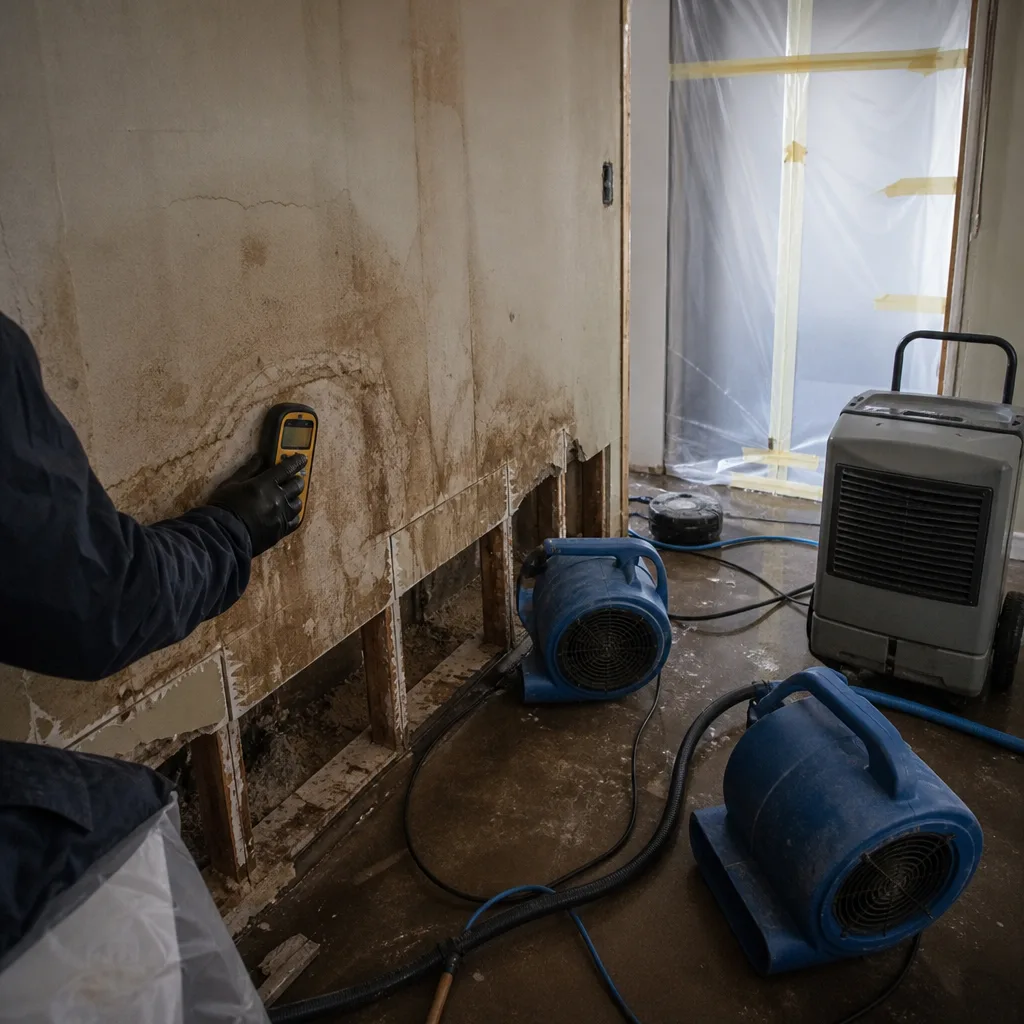 Before
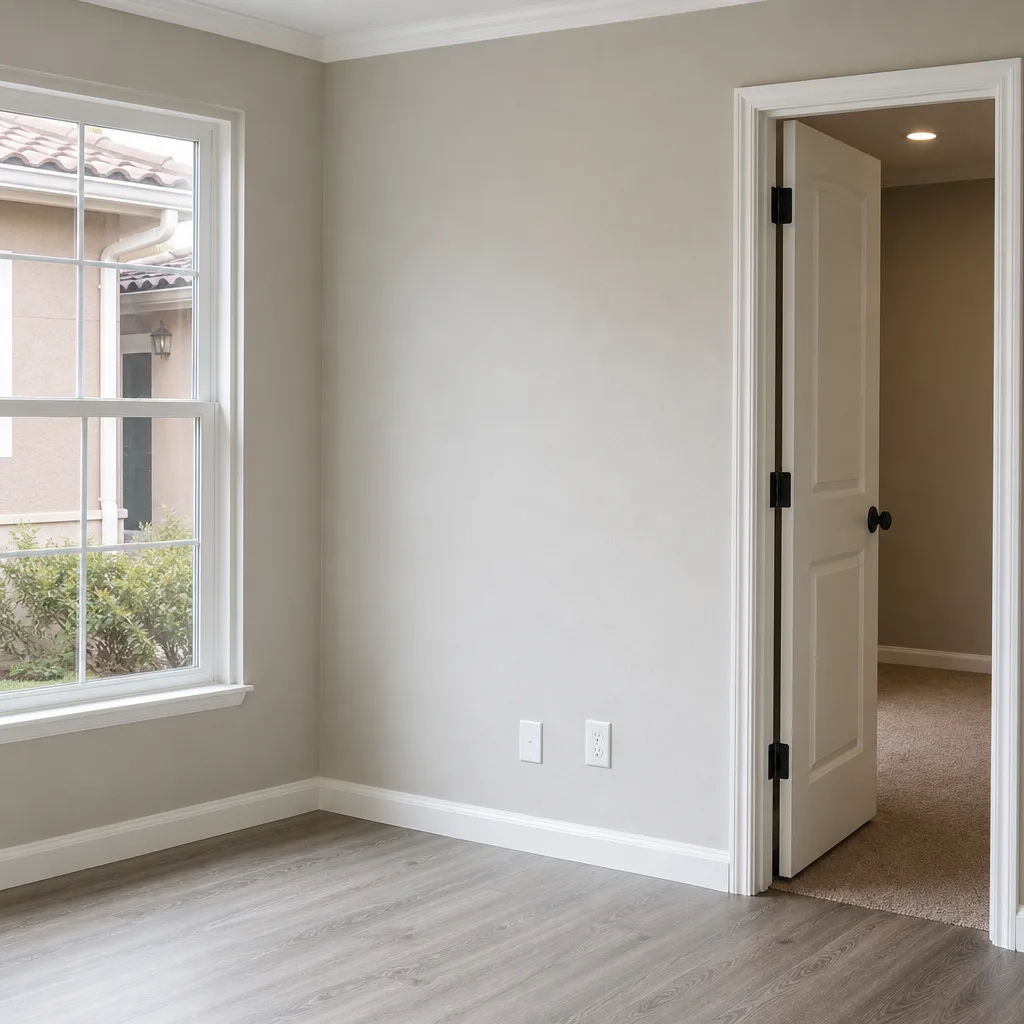 After
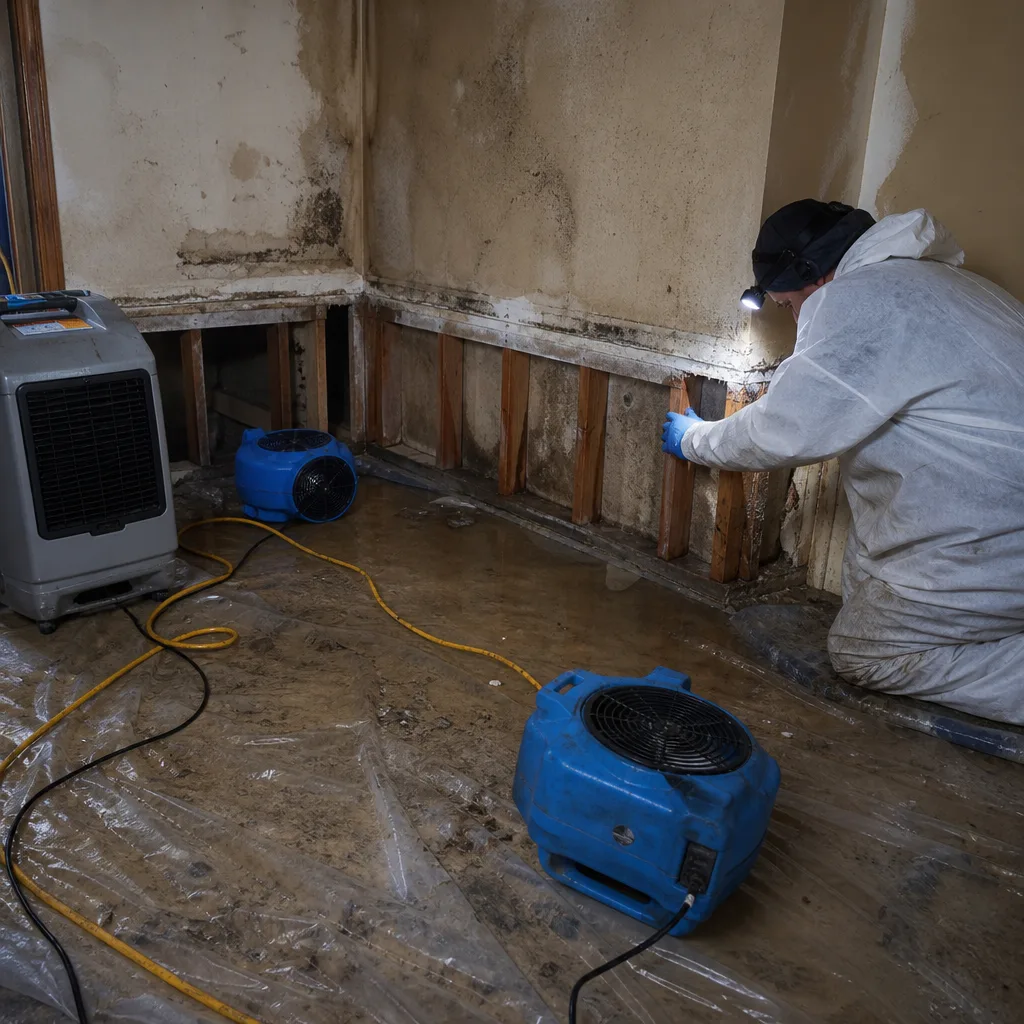 Before
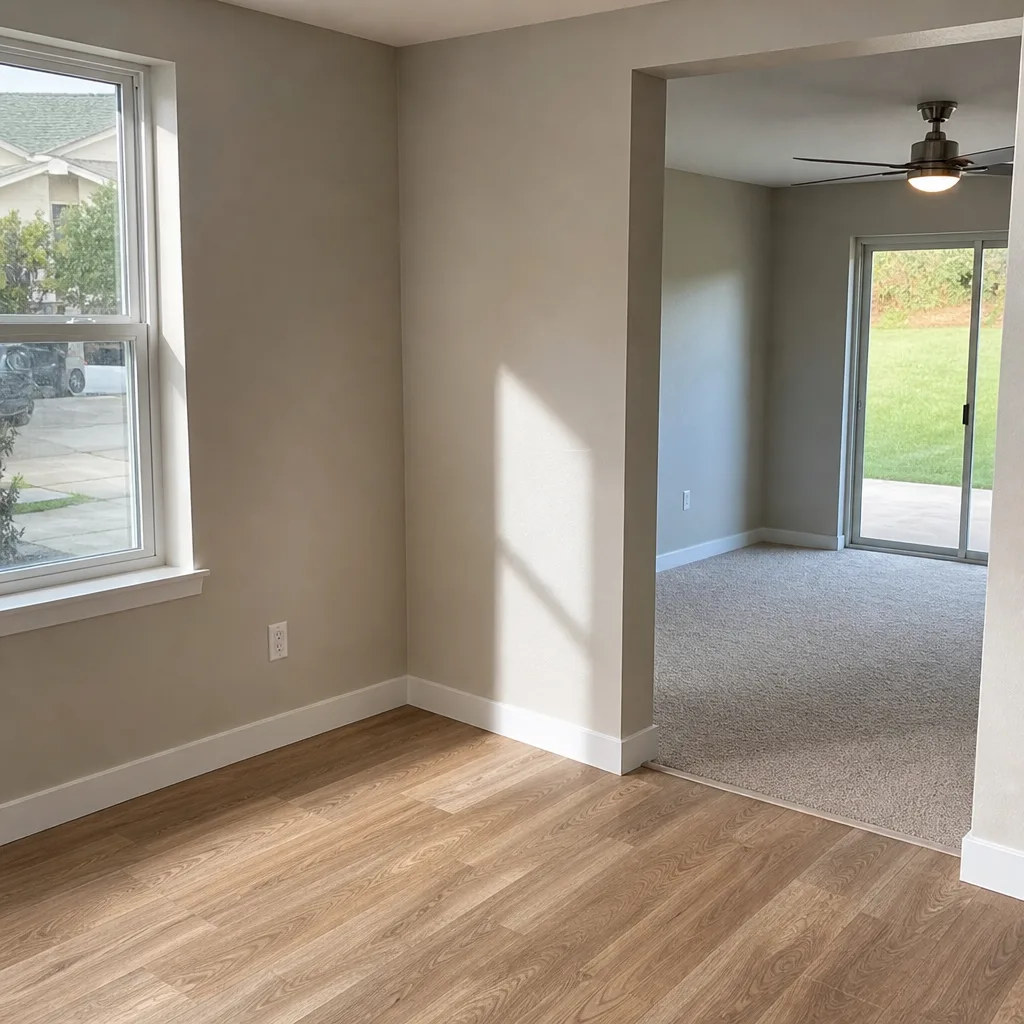 After
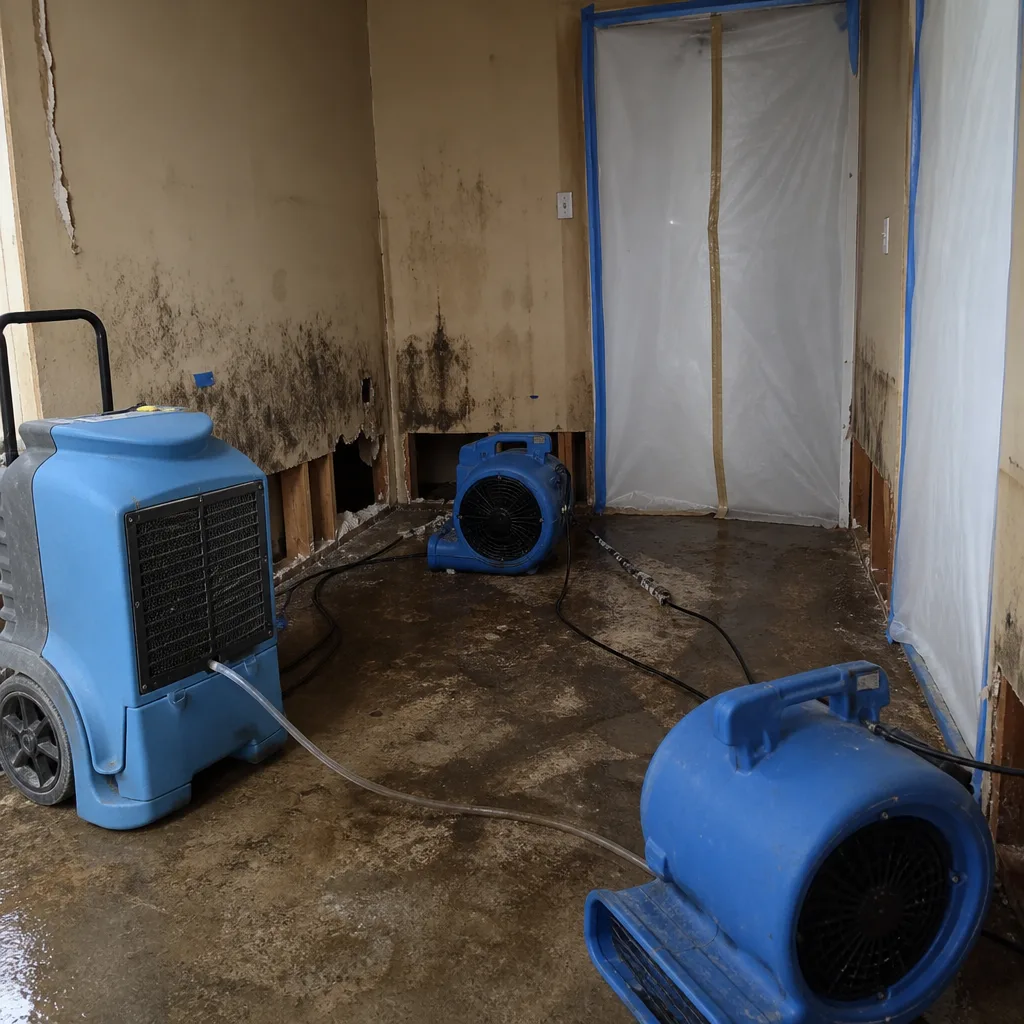 Before
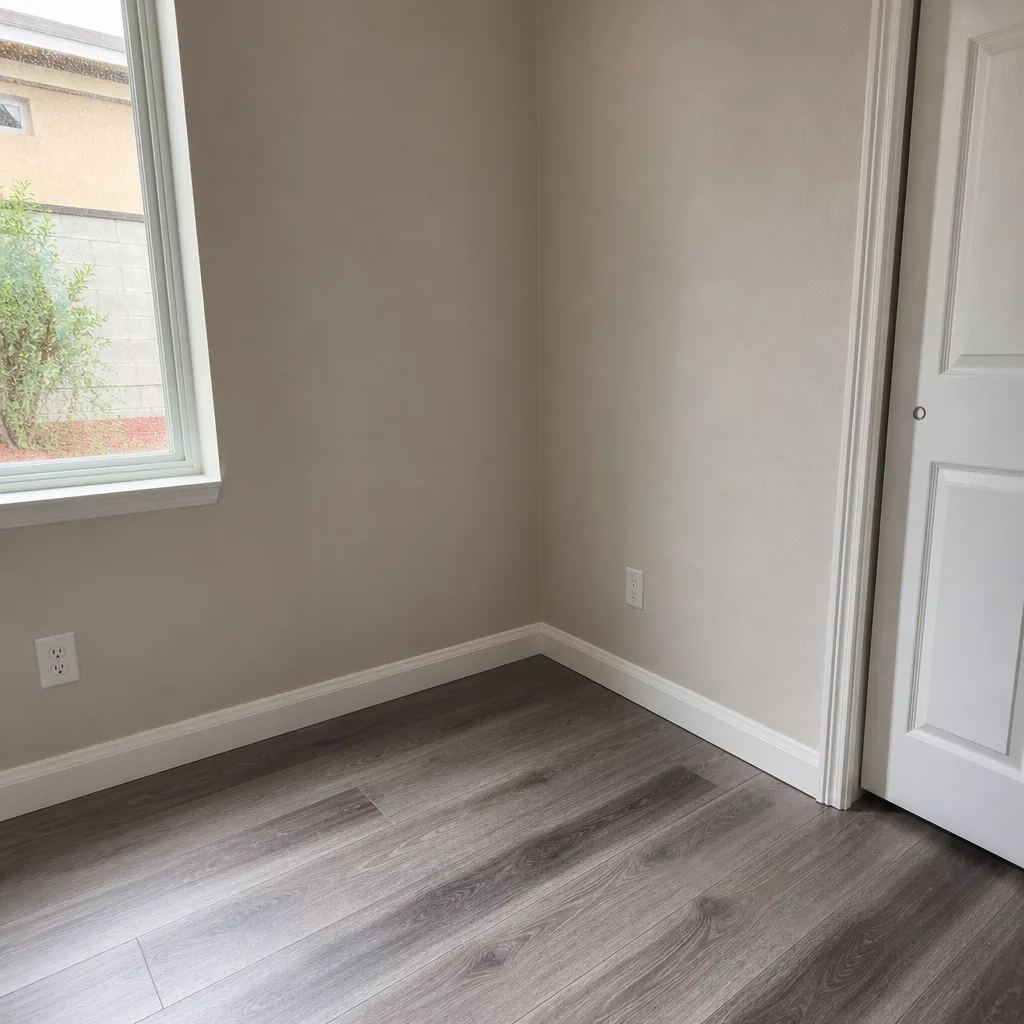 After