

Last updated October 30, 2026
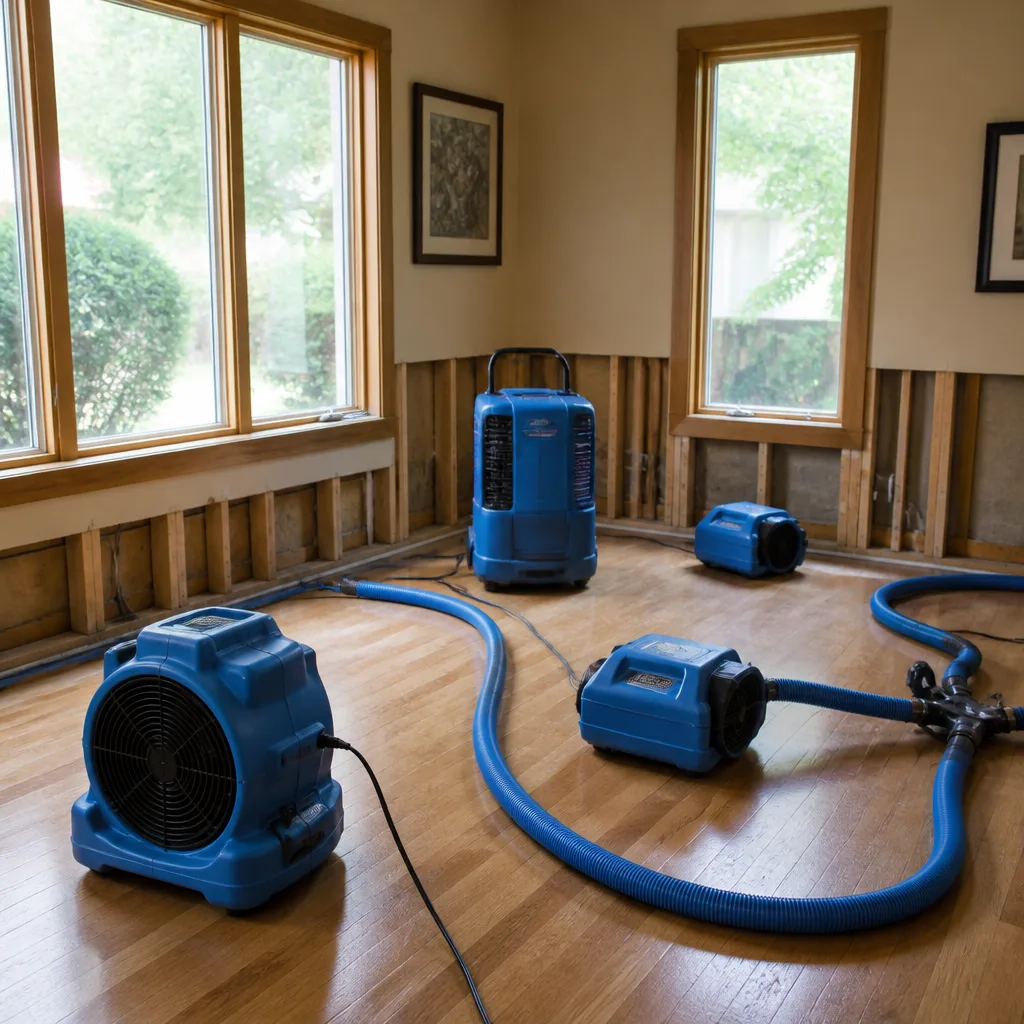 Water damage drying
 Fire & smoke cleanup
 Mold remediation
 Storm response
 Sewage cleanup
 Reconstruction
Free visual inspection and a written scope of work before any mitigation begins - photos, moisture readings, and drying logs go in your claim file
The scope we write is the scope we bill. Anything new gets shown to you, in writing, before we touch it.
Get your free estimateDamage Restoration Cost Breakdown: The Temecula Homeowner’s Reference for 2026
The single biggest source of cost surprises in Temecula restoration jobs isn’t the initial scope. It’s the supplemental charges added after demolition reveals what was hiding inside the walls. Contractors who price low initially and supplement aggressively can end up 40 to 60 percent over their original estimate, and most homeowners don’t know the difference between a legitimate supplement and a padded one. This guide decodes the actual cost drivers behind each phase of a restoration job in Temecula’s 2026 market, so you can read an estimate critically instead of just reacting to the bottom line. You’ll learn what equipment should cost per day, how to spot inflated line items in Xactimate, and why two contractors can be $8,000 apart on the same job and both still be technically correct.
Quick Answer
Water damage restoration in Temecula typically runs $3.50 to $7.50 per square foot for extraction and structural drying, $1.50 to $4.00 per square foot for demolition and disposal, and $8 to $30 per square foot for rebuild finishes depending on material grade. A modest 500-square-foot water loss affecting flooring and lower drywall usually lands between $4,000 and $9,000 when filed through insurance, while a larger loss with mold remediation and rebuild can exceed $40,000. The variable that moves your number most is how long water sat before extraction began, because standing water converts a drying job into a demolition job.
Restoration work we handle
Table of Contents
- Phase-by-Phase Cost Breakdown for Temecula in 2026
- Equipment Line Items: What Things Actually Cost Per Day
- How to Read a Xactimate Estimate Without Getting Lost
- Insurance vs. Out-of-Pocket: The Real Math for Smaller Losses
- Why Two Estimates Can Differ by $8,000 and Both Be Correct
- What a Supplement Is and When It’s Legitimate
- How Temecula’s Climate and Housing Stock Affect Restoration Costs
- Common Mistakes to Avoid
Phase-by-Phase Cost Breakdown for Temecula in 2026
Restoration invoices are built in layers, and each phase has its own cost logic. Understanding the phases separately is how you evaluate whether a number is reasonable without needing to be an adjuster. Here’s what each phase should cost in Temecula’s current market, broken down by square footage benchmarks.
1. Emergency Extraction
This is the first response: removing standing water with truck-mounted extractors or portable extraction units. In Temecula, emergency extraction typically runs $150 to $450 per room for a standard response, with a minimum trip charge of $200 to $350 regardless of loss size. For a 1,000-square-foot area with one inch of standing water, expect $600 to $1,200 for extraction alone. This phase should happen within hours, and every hour of delay matters because Temecula’s dry heat works against you in a specific way: water doesn’t evaporate out of the home efficiently, it gets absorbed into drywall and subfloor, which extends drying time.
2. Structural Drying
After extraction, the drying phase uses high-velocity air movers and commercial dehumidifiers to pull moisture from building materials. Structural drying in Temecula homes typically costs $3.50 to $7.50 per square foot when done properly. A 500-square-foot loss area usually dries in 3 to 5 days with the right equipment. Without professional drying equipment, that same area can take 12 to 18 days and develop secondary damage. The equipment matters more than most homeowners realize. Consumer-grade fans and dehumidifiers from a hardware store remove moisture from the air, but professional systems from brands like Dri-Eaz and Phoenix are built to create vapor pressure differentials that pull water out of wall cavities and subfloors. That’s the difference between a $3,000 drying job and an $18,000 rebuild job.
3. Demolition and Disposal
When drywall, insulation, or flooring has absorbed too much water to dry in place, it gets cut out and removed. Demolition and disposal in Temecula typically runs $1.50 to $4.00 per square foot. This ranges from simple baseboard removal and drywall cutting to full flooring tear-out and cabinet removal. Disposal fees in Riverside County add $150 to $400 per job depending on how many trips the debris requires. A 500-square-foot loss with 2-foot drywall cuts and carpet removal usually lands around $1,500 to $2,500 for demo and debris.
4. Mold Remediation
If water sat for more than 48 hours, mold remediation enters the scope. In Temecula, mold remediation costs $2.50 to $6.00 per square foot for contained areas, with a typical minimum of $1,500 to $2,500 even for small jobs because containment barriers, negative air machines, and HEPA filtration carry base costs. A 200-square-foot mold remediation in a Temecula bathroom or laundry room typically runs $2,000 to $4,000. The keyword is containment. Proper mold work means sealing off the affected area so spores don’t migrate through the HVAC system while walls are opened.
5. Rebuild and Finishing
Once the structure is dry and clean, the rebuild phase puts your home back together. Rebuild costs in Temecula’s 2026 market run $8 to $30 per square foot depending on finish grade. Basic rebuild with builder-grade materials (new drywall, texture, paint, baseboards, carpet) falls at the lower end. Mid-grade finishes with better flooring and millwork land in the middle. Custom finishes with tile, hardwood, or specialty millwork climb toward the top. A 500-square-foot rebuild with mid-grade materials typically runs $10,000 to $18,000.
Square-Footage Benchmarks
Here’s a consolidated view for a complete water loss with 2-foot drywall cuts, carpet replacement, and basic rebuild, assuming the water was extracted within 24 hours:
- 200 sq ft loss (bathroom or laundry room): $3,500 to $8,000 complete
- 500 sq ft loss (kitchen plus adjacent flooring): $9,000 to $20,000 complete
- 1,000 sq ft loss (multiple rooms, hallway): $16,000 to $35,000 complete
- 2,000+ sq ft loss (whole-floor flood): $30,000 to $70,000 complete
These ranges assume no structural framing replacement. If water sat long enough to compromise subfloor or framing, add $2,000 to $12,000 depending on scope. For full-service water damage work handled by certified teams, see our Water Damage Restoration in Temecula page.
Equipment Line Items: What Things Actually Cost Per Day
Once you understand equipment rental line items, you can read an estimate with confidence. Most Temecula restoration invoices from insurance-approved contractors use standardized equipment rental rates, typically priced per day for each unit plus setup and monitoring.
Standard Daily Equipment Rates in Temecula’s Market
- Commercial dehumidifier (LGR class, Dri-Eaz or Phoenix units): $75 to $150 per day
- High-velocity air mover (centrifugal, XPOWER or B-Air): $25 to $45 per day per unit
- Negative air machine with HEPA filtration: $150 to $300 per day (mold jobs only)
- Air scrubber (HEPA): $100 to $250 per day
- Injectidry wall cavity drying system: $75 to $150 per day per panel
- Moisture meter and thermal imaging (assessment tools): $50 to $100 per day
How Many Days Each Phase Realistically Takes
The number of days equipment runs depends on loss severity and material type. For a moderate water loss in a Temecula home with standard drywall and carpet:
- Extraction phase: 1 day, equipment used for 4 to 8 hours
- Structural drying phase: 3 to 5 days. A 500-square-foot loss typically runs 2 to 3 air movers and 1 to 2 dehumidifiers. At average rates, that’s $125 to $250 per day in equipment costs, totaling $375 to $1,250 for the full drying phase.
- Mold remediation (if applicable): 2 to 4 days with negative air and air scrubbers running continuously. Equipment adds $300 to $600 per day.
- Demolition: 1 day, minimal equipment beyond basic power tools
- Rebuild: 5 to 15 days depending on scope, no daily equipment charges; contractor overhead and materials dominate this phase
When equipment runs longer than expected, ask why. A drying job that drags past 7 days on a standard water loss usually means the original assessment under-scoped the damage, or the equipment isn’t being monitored and repositioned daily. In Temecula’s dry summer climate, a properly scoped water loss in a conditioned home should dry in under a week. Humidity and monsoon-season moisture can extend that timeline by a day or two, but not indefinitely.
One piece of equipment we want to highlight: Injectidry systems. These specialized panels create negative pressure inside wall cavities and subfloors, pulling water out without cutting drywall. They cost more per day than standard air movers, but they regularly save homeowners thousands in demolition and rebuild costs. When you see Injectidry line items on an estimate, it’s a sign the contractor is trying to preserve your home rather than demo it. Our team uses Injectidry on applicable water damage jobs as standard practice.
How to Read a Xactimate Estimate Without Getting Lost
Xactimate is the estimating software used by most insurance adjusters and restoration contractors in Temecula. It assigns standardized pricing to line items based on regional cost data. Reading one isn’t hard once you know what to look for, and knowing what to look for is how you catch errors before they become expensive surprises.
The Line Items Most Commonly Inflated
- Daily equipment rental counts: Some contractors bill 6 air movers for a room that needs 2. Each air mover at $35 to $45 per day adds up fast over 4 to 5 days. Ask about the drying plan and why that many units are needed for the square footage.
- After-hours and emergency modifiers: Xactimate adds premium multipliers for nights, weekends, and holidays. If your loss happened during normal hours but the invoice includes after-hours modifiers on multiple line items, that’s a red flag. One after-hours charge for initial response is normal. Multipliers applied to the entire job are not.
- Content manipulation charges: Moving furniture to make space for equipment is legitimate work, but some estimates inflate this to $500 to $1,000 per room. Standard range is $100 to $250 per room for content moving and protection.
- Supervision and project management: Xactimate includes standard overhead and profit at about 10 percent each on most line items. When you see additional “supervision” or “project management” charges as separate line items on top of that, that’s double-dipping.
The Line Items Commonly Missing (Which You Want to See)
Missing items are just as important as inflated ones because they signal whether the contractor actually scoped the job or just wrote a quick number:
- Containment barriers: On any demolition job, plastic sheeting contains dust. If it’s missing, ask why.
- HEPA vacuuming: After any demo or mold work, HEPA cleaning of the affected area should appear.
- Thermal imaging or moisture mapping: A proper water damage assessment includes documentation of affected areas. If the estimate jumps straight to demolition without an assessment line item, the contractor may be guessing.
- Debris disposal with specific yardage or trip count: Vague “debris removal” without quantity is a placeholder for billing surprises later.
If you file through insurance, your adjuster will review line items for reasonableness. But reading your own estimate first means you can ask better questions during the walkthrough. For mold-specific estimates, understanding containment protocols matters. Our Mold Remediation in Temecula page walks through what a proper mold scope includes.
Insurance vs. Out-of-Pocket: The Real Math for Smaller Losses
Every Temecula homeowner with a water loss faces the same decision: file through insurance or pay out-of-pocket. The answer isn’t automatic for smaller losses, and the math has changed in recent years as premiums have risen across Riverside County.
Here’s the actual calculus. Most Temecula homeowners carry deductibles of $1,000 to $2,500. If your loss is $4,000 and your deductible is $2,500, the insurance payout is $1,500. That might sound like a win until you factor in premium impact. Filing a water damage claim can raise your annual premium by 15 to 30 percent for 3 to 5 years, depending on claim history. On a $1,800 annual premium, a 25 percent increase costs $450 per year, or $2,250 over five years. That alone eats most of the payout, and it doesn’t account for the risk of policy non-renewal in California’s tightening insurance market.
The break-even point for most Temecula homeowners in 2026 sits around $5,000 to $7,000 in total damage. Below that, paying out-of-pocket often makes more financial sense. Above it, filing makes sense. There are exceptions: if you’ve never filed a claim, your carrier may have claim-free discounts that get eliminated, shifting the math further toward out-of-pocket for losses under $8,000.
Understanding Depreciation
When you do file, depreciation matters. Most Temecula policies cover replacement cost value (RCV) for structural repairs but actual cash value (ACV) for some materials. ACV subtracts depreciation based on the material’s age. A 10-year-old carpet with a 15-year life span has already depreciated two-thirds of its value, meaning the insurance pays roughly a third of the replacement cost. Your contractor’s estimate should note which line items are RCV vs. ACV because it affects your out-of-pocket responsibility for the gap. Some policies offer recoverable depreciation where you receive the full amount after repairs are completed, but you need to understand your specific policy language before work starts.
Why Two Estimates Can Differ by $8,000 and Both Be Correct
You call two restoration companies for estimates on the same kitchen water loss. One quotes $7,000. The other quotes $15,000. Both are legitimate, insured, certified companies. How?
The answer is scope assumptions. Restoration estimating isn’t a single number; it’s a set of assumptions about how far the damage extends, what materials can be salvaged, and what finish quality you expect. Here are the biggest drivers of legitimate estimate gaps:
- Drying vs. demolition scope: One contractor believes the cabinets can be dried in place. The other believes the cabinet bases are saturated and need removal. That single assumption can swing an estimate $3,000 to $6,000. The contractor recommending drying should be able to explain their moisture readings. The one recommending demo should be able to point to specific water exposure evidence. Both positions can be defensible depending on how long water sat.
- Salvageability of flooring: Hardwood is often salvageable if dried properly and quickly. Some contractors default to replacement because it’s simpler and more profitable. Others have the drying expertise to save it. The difference on a 300-square-foot hardwood floor can be $4,000 to $7,000 between dry-and-refinish versus tear-out-and-replace.
- Rebuild finish grade: Builder-grade replacement materials start lower. Custom or matched materials climb fast. If your home has custom cabinetry, stone countertops, or specialty flooring, match-quality replacements are expensive. One estimate may assume standard grade; the other may assume like-kind-and-quality matching to your existing finishes.
- Code upgrade requirements: Temecula follows California Building Code. When a restoration triggers certain scopes, code upgrades like GFCI protection, smoke detector upgrades, or water shutoff valve requirements may apply. Not all contractors include these in initial estimates.
The way to reconcile two divergent estimates is to ask each contractor to walk through their assumptions line by line. The one who can explain their reasoning with specific observations is usually the one to trust. Vague answers like “our experience says” or “we always recommend” without site-specific evidence are red flags. For fire damage work, these scope assumptions matter even more because smoke and soot affect materials differently than water. See Fire Damage Restoration in Temecula for a breakdown of fire-specific scoping.
What a Supplement Is and When It’s Legitimate
A supplement is a revised estimate submitted after work begins, reflecting damage discovered during demolition that wasn’t visible in the initial assessment. Supplements are normal and expected in restoration work. They’re also where cost overruns happen, so understanding the difference between legitimate discovery and strategic underbidding is the most valuable skill this guide teaches.
When Supplements Are Legitimate
- Hidden framing damage: Once drywall is removed, the studs behind it may show water staining that wasn’t visible before. If framing needs treatment or replacement, that’s a legitimate supplement.
- Extended moisture mapping: The initial assessment showed moisture in one wall. Thermal imaging during demolition finds moisture extending into an adjacent wall that tested dry initially. Expanding scope to that wall is legitimate.
- Unexpected materials: The contractor opens a wall and finds plumbing or electrical that wasn’t visible on the surface and requires relocation or protection during repair.
- Mold discovered during demo: If water sat undetected and mold is found behind cabinets or under flooring, adding mold remediation to the scope is both legitimate and necessary.
When Supplements Are Questionable
- First-day supplements before demo begins: If the contractor submits a supplement before opening anything up, ask what changed. A legitimate first-day supplement involves observable conditions, not speculations.
- Equipment day inflation: The drying job was scoped for 4 days. On day 4, the contractor says it needs 6 days. Sometimes this is legitimate (weather, material density). If it happens repeatedly without daily moisture readings shown to you, it’s padding.
- Expanding scope without photo documentation: Any legitimate supplement includes photos and moisture readings showing the newly discovered damage. A supplement without documentation is negotiation, not discovery.
The homeowners who get surprised by supplements are usually the ones who accepted the lowest bid without understanding scope assumptions. A cheap initial estimate often means under-scoped drying and aggressive supplementation later. That $4,000 “deal” becomes $9,000 after the first supplement. A more realistic initial estimate of $7,500 that holds up through the job costs less in the end.
How Temecula’s Climate and Housing Stock Affect Restoration Costs
Temecula’s restoration costs differ from coastal California cities in ways that show up directly in your estimate. Understanding these local factors helps you evaluate whether a number makes sense for this specific market.
Climate Factors
Temecula’s semi-arid Mediterranean climate means low humidity most of the year, which sounds like good news for drying. It is, with a caveat. Low ambient humidity accelerates surface drying, which can create a false sense of completion while moisture remains trapped in wall cavities and subfloors. Proper drying requires measuring moisture content inside materials, not just checking that surfaces feel dry. This is why moisture mapping and thermal imaging matter more in Temecula than in coastal markets. A contractor who relies on touch-testing will declare the job done while hidden moisture festers. Temecula’s hot summers also mean increased stress on aging plumbing systems, because thermal expansion in pipes contributes to the supply-line failures that cause many water losses here.
Housing Stock Factors
Temecula’s housing stock spans from 1980s tract homes in older neighborhoods near Old Town to newer construction in communities like Harveston, Morgan Hill, and the developments along the I-15 corridor. Older homes often have copper supply lines that develop pinhole leaks as they age. Newer homes built during construction booms sometimes suffer from rapid-build quality issues, including improperly seated fittings and tight spaces that complicate access. Both factors affect restoration costs. Access limitations in tight attic spaces or behind finished walls add labor hours. Material matching for older homes, where flooring and finishes are discontinued, adds replacement costs.
Riverside County building requirements may also trigger code upgrades during restoration, including water shutoff valve installation, GFCI protection in wet areas, and smoke detector upgrades. These are legitimate additions, but they should be identified during initial scoping when possible, not discovered as supplements.
For a complete overview of our restoration services, including how we handle emergency response and full-scope drying in Temecula’s specific conditions, visit the Fresh Start Water Damage home page.
Common Mistakes to Avoid
- Accepting the lowest bid without comparing scope assumptions. A low bid usually means under-scoped drying or cheaper equipment. By the time supplements arrive, the final bill exceeds the realistic estimates you rejected.
- Waiting to call after a water leak because the water “isn’t that deep.” Standing water moves through drywall wicking within hours. What looks minor on the surface often means 2-foot drywall cuts behind baseboards within 48 hours.
- Using consumer-grade drying equipment from a hardware store. Box fans and small dehumidifiers do not create the vapor pressure differential needed to dry wall cavities. This extends the humid, mold-friendly window and increases final costs.
- Not asking for daily moisture readings during drying. Reputable contractors document drying progress with moisture meter readings daily. If no one can show you the numbers, you don’t actually know if the job is progressing.
- Automatically filing insurance for a $4,000 loss. Between the deductible and premium increases over five years, small claims often cost more than they pay out. Do the math before filing.
- Ignoring the rebuild phase when comparing restoration estimates. Some contractors quote mitigation only. Always ask whether the estimate includes both mitigation and rebuild, because the rebuild is often the larger portion of the total.
- Skipping thermal imaging on the initial assessment. Without it, the initial scope is a guess. Any contractor serious about accurate scoping uses thermal imaging and moisture meters on day one.
See the difference
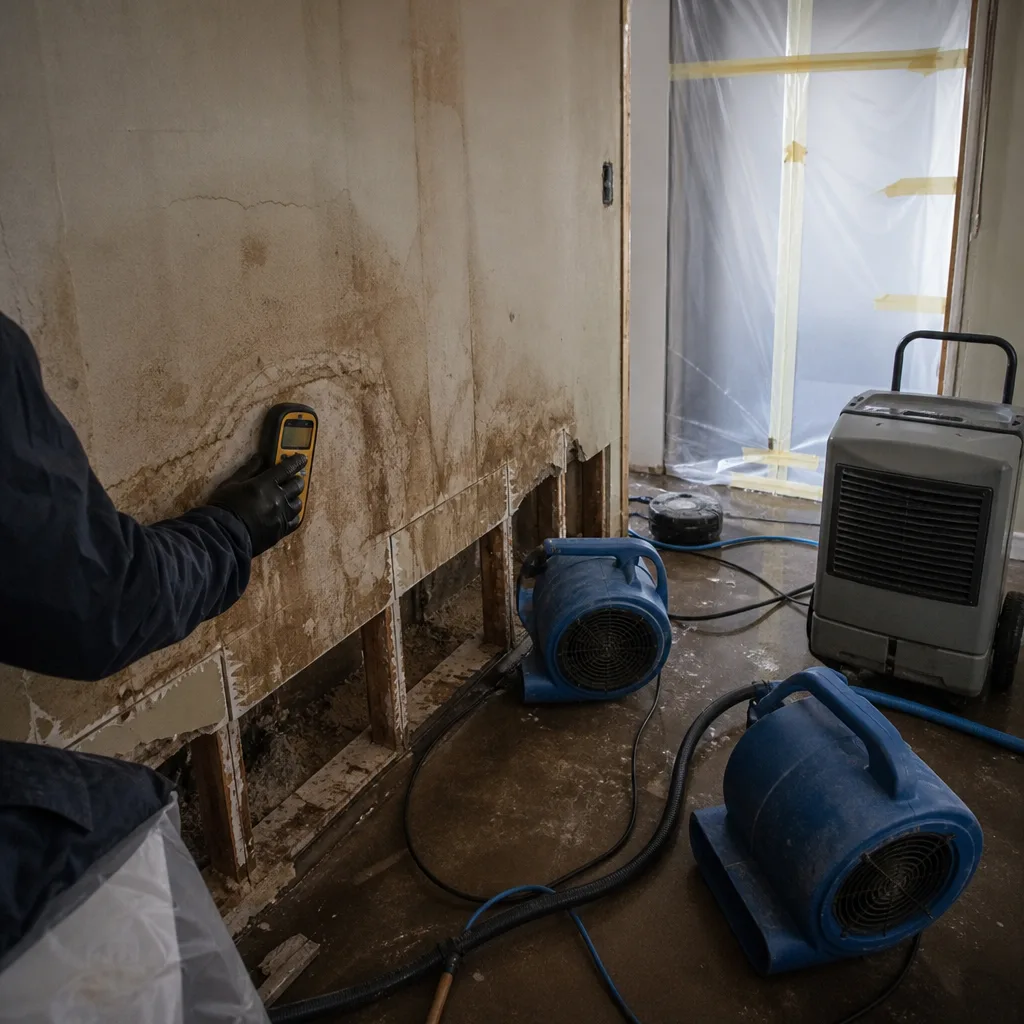 Before
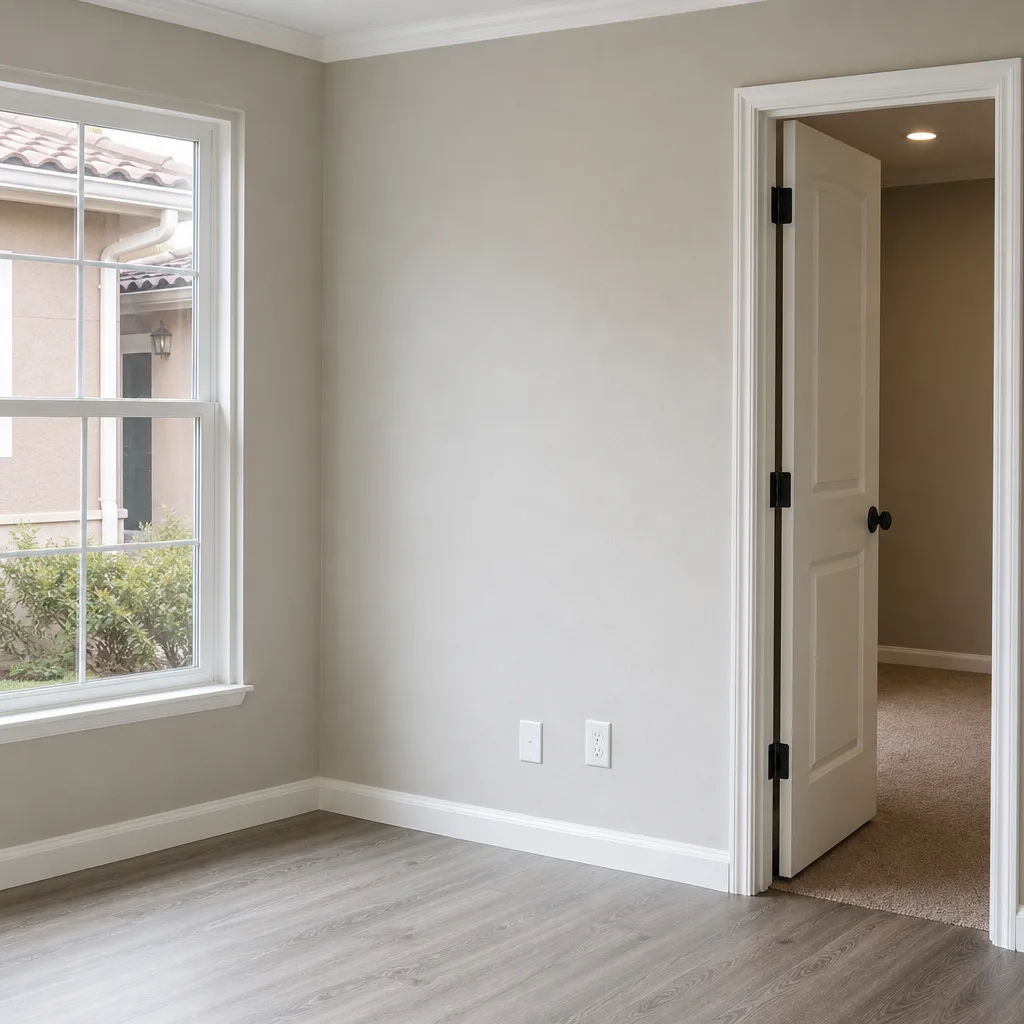 After
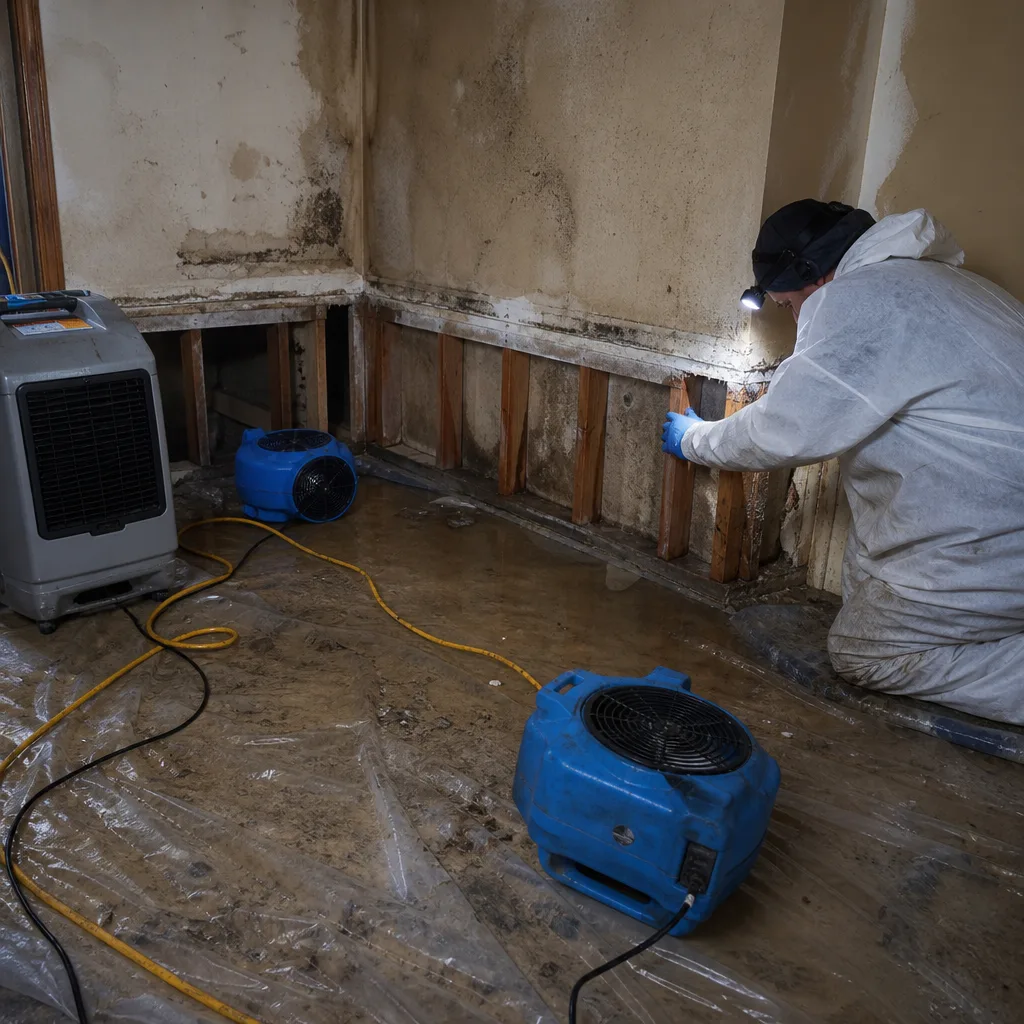 Before
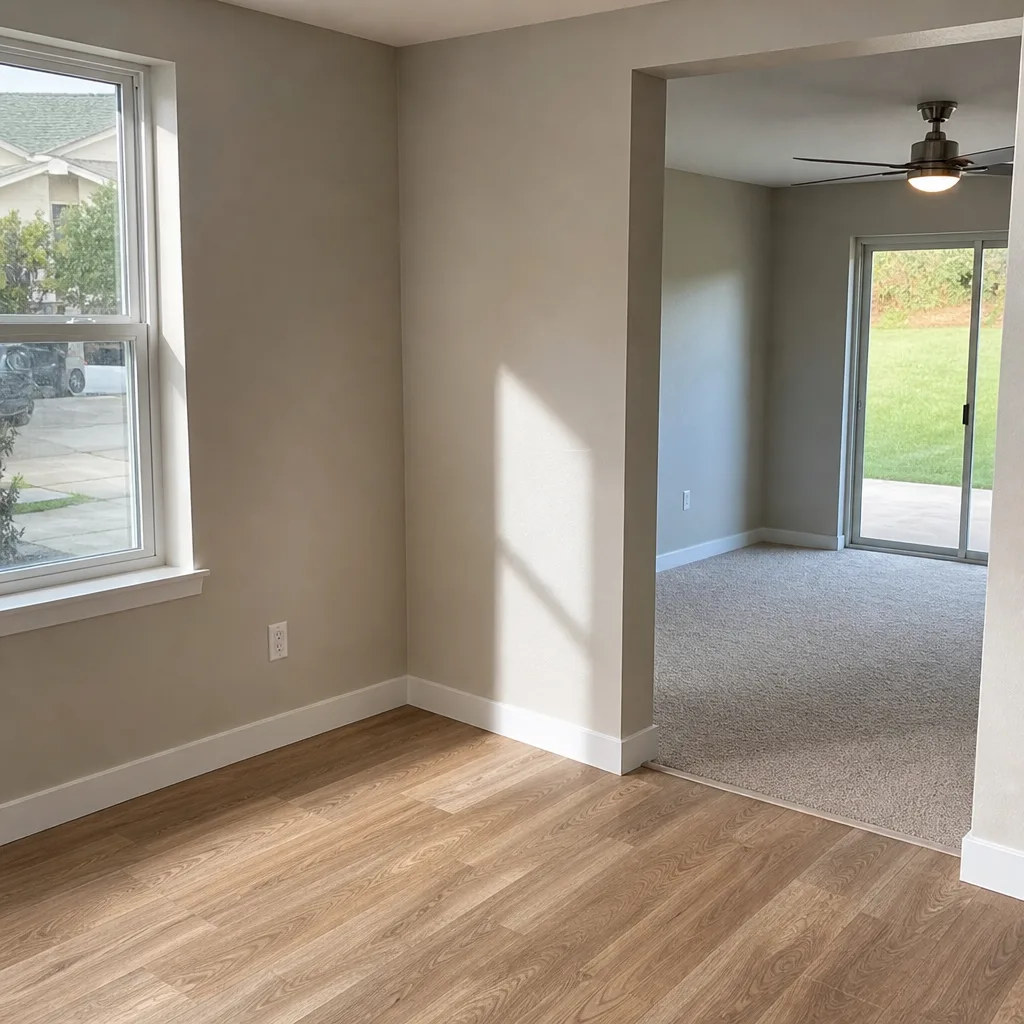 After
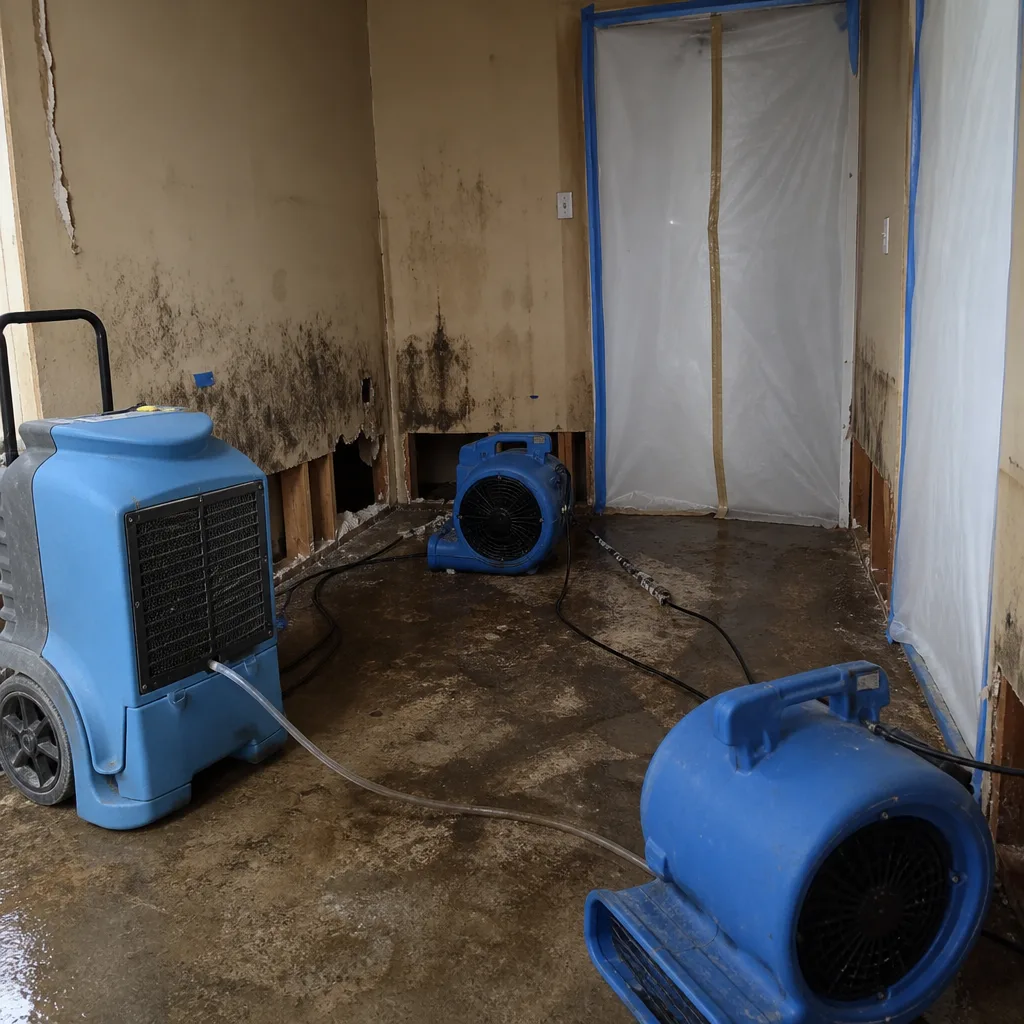 Before
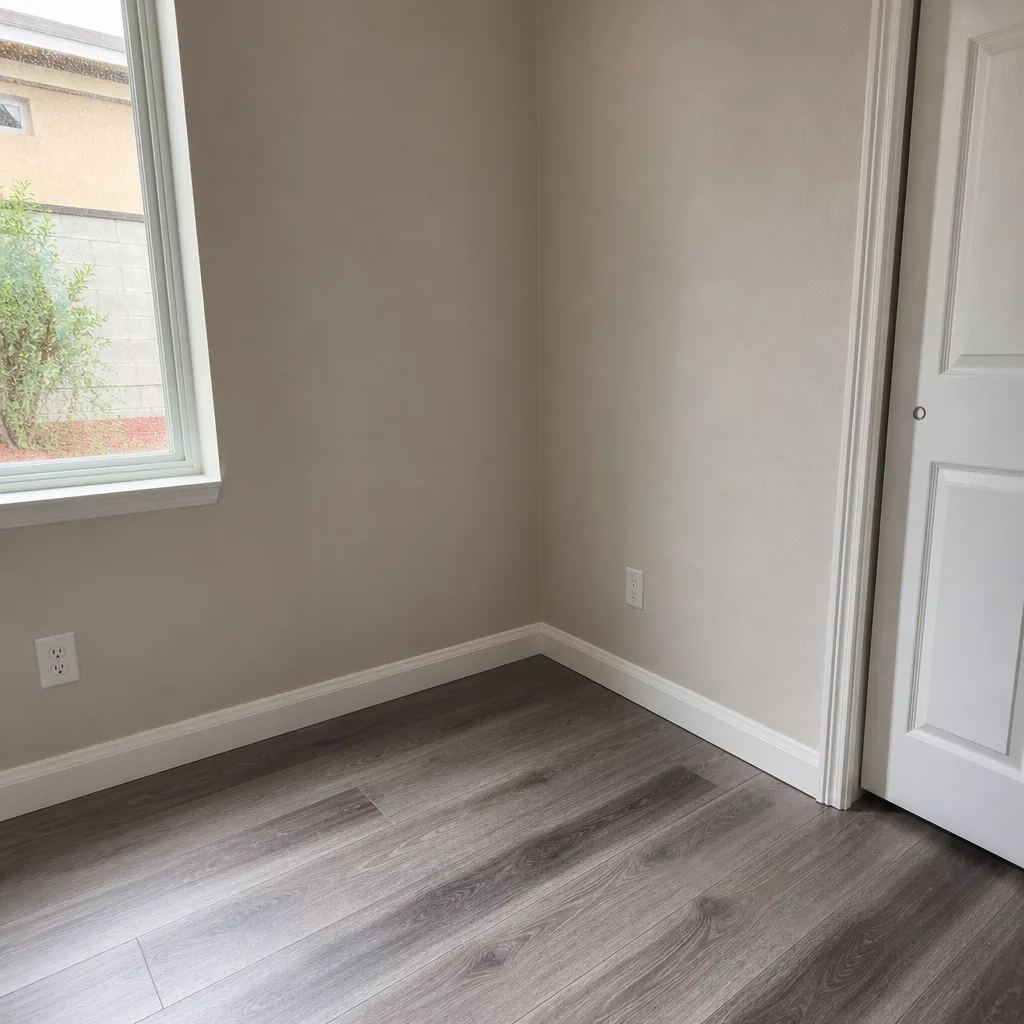 After
When to Call a Professional
Any water loss that touches drywall, flooring, or cabinets should trigger a professional assessment, not a DIY attempt. The exceptions are minor spills cleaned up within minutes. If water has been sitting for more than a few hours, if the source is a sewage backup or supply-line failure, or if you smell mustiness, you need professional equipment and a documented drying plan. Mold growth that covers more than 10 square feet or any mold in HVAC ductwork requires professional remediation. Fire damage of any kind, even a small kitchen fire, needs professional soot and odor treatment because smoke residue penetrates materials in ways that household cleaning cannot address. Fresh Start Water Damage offers free estimates in Temecula, call (844) 878-6356 to schedule an assessment before the damage spreads further.
Frequently Asked Questions
Water damage restoration in Temecula typically runs $3.50 to $7.50 per square foot for extraction and structural drying, with a 500-square-foot loss usually totaling $4,000 to $9,000 including demolition and basic rebuild. Larger losses with mold remediation or full rebuild scope can exceed $40,000. Call (844) 878-6356 for a free on-site estimate.
Most certified restoration companies in Temecula respond the same day for water emergencies, with commercial-grade equipment deployed within hours of initial contact. The first 24 hours matter most because standing water begins causing irreversible damage to drywall and flooring quickly. Have photos ready when you call to help the team scope the response.
Most Temecula homeowners policies cover sudden and accidental water damage, including supply-line failures and appliance leaks. Gradual damage from long-term leaks is typically excluded, which is why documentation of when the damage was discovered matters. Your deductible and the loss size determine whether filing makes financial sense.
Mold remediation involves containment barriers, negative air machines, HEPA filtration, and specialized cleaning protocols that don’t apply to standard water damage work. The equipment and procedures are different, so the line items are separate. In Temecula, mold remediation typically adds $2.50 to $6.00 per square foot to the water damage scope. Our Mold Remediation in Temecula page explains what a proper mold scope includes.
If water touched drywall, flooring, or cabinets for more than 24 hours, cleaning surfaces is not enough. Moisture wicks upward through drywall and outward through subfloor, and surface cleaning leaves that trapped moisture to feed mold growth for weeks. Professional drying with moisture mapping is the only way to confirm the structure is actually dry. For fire damage, surface cleaning similarly misses smoke particles embedded in porous materials. See Fire Damage Restoration in Temecula for how fire scopes differ from water scopes.
Most restoration contractors in Temecula work directly with insurance adjusters, providing the documentation, photos, and Xactimate line items the adjuster needs. You should still understand the estimate yourself, but the contractor handles the technical communication. A good contractor documents everything with photos and moisture readings, which speeds up adjustment approvals. Water Damage Restoration in Temecula should include clear adjuster communication as standard practice.
The Bottom Line
Restoration costs in Temecula are driven by scope assumptions more than anything else. Understand the phases separately, know what equipment should cost per day, read your estimate line by line, and ask about supplements before they arrive. The most expensive mistake isn’t choosing the wrong contractor; it’s accepting an estimate without understanding what it assumes. Water that sat overnight, drywall that wicked moisture past the visible stain, cabinets that absorbed water at the base: these are the discoveries that drive supplements. A contractor who scopes honestly upfront, uses professional-grade drying equipment, and documents every decision with readings and photos is the one who saves you money in the end. When you need help in Temecula, call (844) 878-6356 for a free estimate and a written scope before any work begins.
Written by the team at Fresh Start Water Damage, serving Temecula since 2017.